Axios Vitals

August 28, 2025


It's Thursday ... and the CDC's leadership is in chaos after a whirlwind day of news that also saw Robert F. Kennedy Jr. raise major barriers to most people who want to get vaccinated against COVID.
- Today's newsletter is 1,145 words or a 4.5-minute read.
1 big thing: Monarez out as CDC director
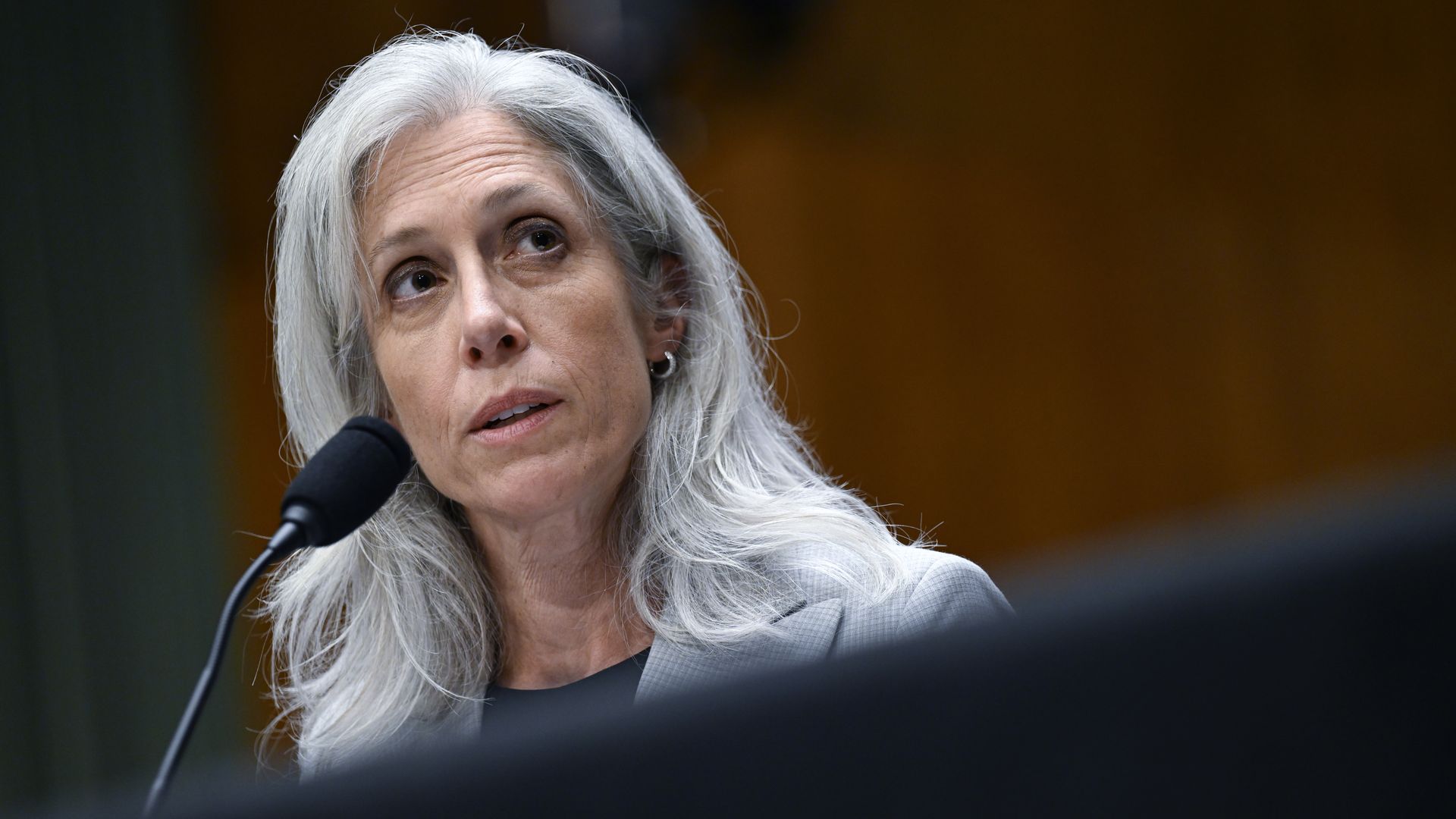
The CDC was engulfed in turmoil late yesterday as director Susan Monarez was fired, just weeks after her confirmation.
Why it matters: Monarez's and other sudden high-level departures gutted the top ranks of the agency that's responsible for protecting the nation's public health.
The intrigue: After HHS announced on X that Monarez was "no longer director" of the CDC, attorneys Mark Zaid and Abbe Lowell posted on X last night that Monarez had "neither resigned nor received notification from the White House that she has been fired." The White House announcement came less than two hours later.
- White House spokesperson Kush Desai said in a statement: "Since Susan Monarez refused to resign despite informing HHS leadership of her intent to do so, the White House has terminated Monarez from her position with the CDC."
Driving the news: The CDC's chief medical officer, Debra Houry, resigned her position, according to internal emails viewed by Axios.
- Daniel Jernigan, the CDC's director of the National Center for Emerging and Zoonotic Infectious Diseases, and Demetre Daskalakis, the CDC's director of the National Center for Immunization and Respiratory Diseases, also resigned their posts yesterday, according to the emails.
What they're saying: "The intentional eroding of trust in low-risk vaccines favoring natural infection and unproven remedies will bring us to a pre-vaccine era where only the strong will survive and many if not all will suffer," Daskalakis wrote in a blistering resignation letter he posted on X.
- "Vaccines save lives — this is an indisputable, well-established, scientific fact," Houry wrote in a separate email.
- "I am committed to protecting the public's health, but the ongoing changes prevent me from continuing in my job as a leader of the agency."
Monarez clashed with Kennedy over COVID vaccine policy changes and tried to get Senate health committee chair Bill Cassidy (R-La.) to intervene after Kennedy urged her to resign, the Washington Post reported.
- During Monarez's brief tenure, the agency was targeted in an attack on its Atlanta headquarters by a gunman influenced by anti-vaccine rhetoric, and moved ahead with hundreds of job cuts.
Maya Goldman and Emily Peck contributed.
2. Kennedy shakes up COVID vaccine policy

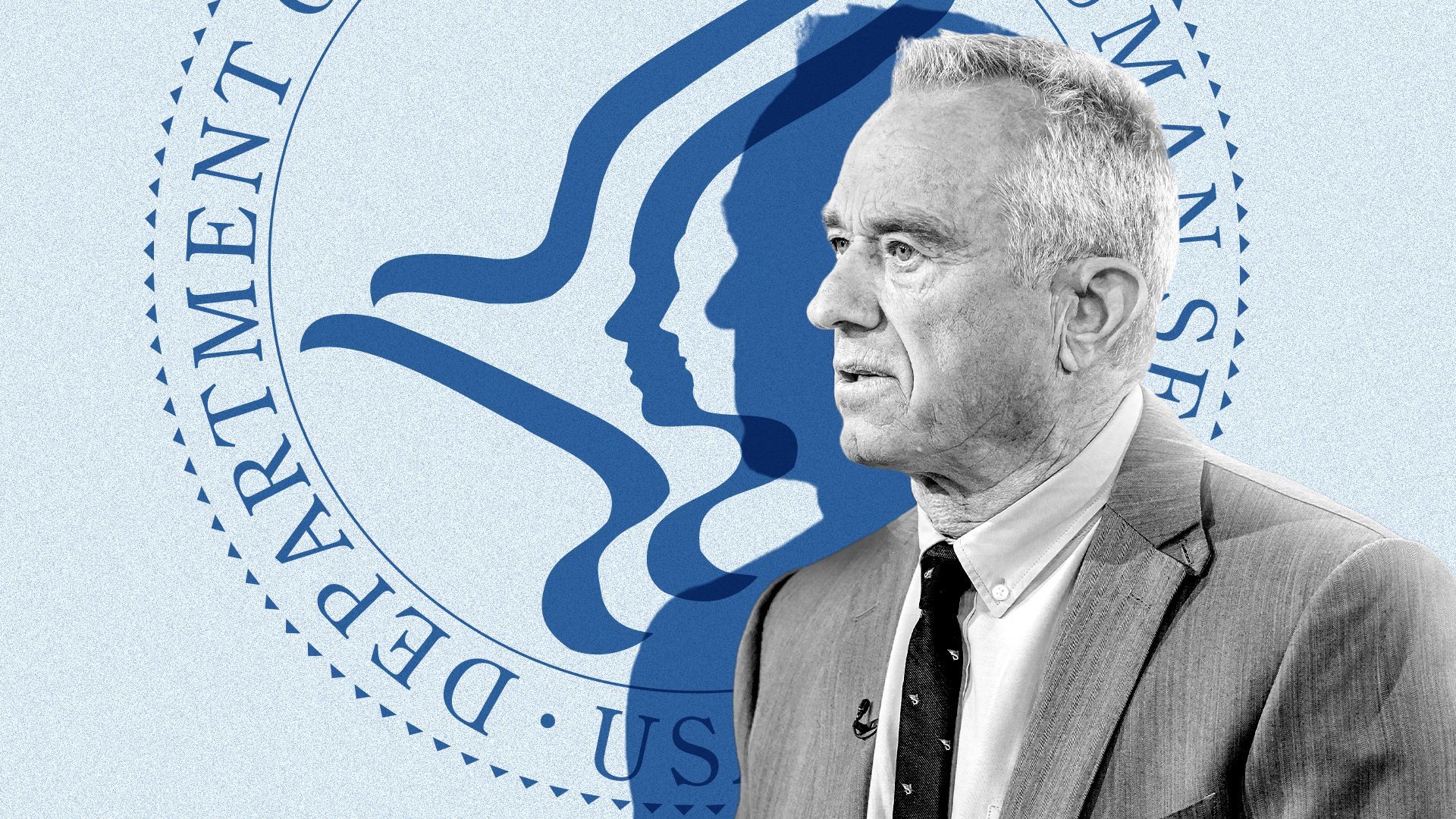
Kennedy's new COVID vaccine policy continues a steady drip of moves that are incrementally raising barriers to accessing shots.
- It rewrites pandemic-era rules by narrowing the groups who can get the shots without a prescription — and will make everyone else jump through more hoops to stay COVID-free.
Why it matters: While the new policy was in line with drug companies' expectations, there could be more obstacles ahead when the CDC and Kennedy's handpicked vaccine advisory board weigh in on the suitability of the shots in the coming weeks.
Driving the news: Kennedy said on X that the FDA rescinded emergency use authorizations for Pfizer and Moderna mRNA shots and greenlit boosters for high-risk patients.
- Those include individuals 65 and over and others with at least one condition that could lead to severe illness from the virus.
- Healthy adults and youths will have to consult with a doctor first. But the list of underlying conditions that increase risk of severe COVID is quite broad and includes asthma, heart conditions, depression, physical inactivity and smoking.
- The new policies don't cover healthy children under age 5, leaving it to doctors to decide whether to prescribe shots to them off-label.
Between the lines: The moves are consistent with Kennedy's past vows to kill pandemic-era policies but still allow people to access vaccines.
- "These vaccines are available for all patients who choose them after consulting with their doctors," he said yesterday. "The American people demanded science, safety, and common sense. This framework delivers all three."
- Left unsaid were the uncertain availability of shots for the youngest children and possible cost and administrative hurdles.
3. Medical schools pressed on nutrition curricula

Kennedy yesterday gave medical schools less than two weeks to "immediately" add more nutrition education to their curricula.
Why it matters: Kennedy previously threatened the schools with loss of funding if they don't beef up their nutrition education as part of his "Make America Healthy Again" agenda, which also includes a planned revamp of federal dietary guidelines.
Driving the news: Kennedy and Education Secretary Linda McMahon called for medical schools to "immediately implement comprehensive nutrition education and training."
- The institutions have until Sept. 8 to produce written plans.
What he's saying: "We train physicians to wield the latest surgical tools, but not to guide patients on how to stay out of the operating room in the first place," Kennedy wrote in an op-ed yesterday in the Wall Street Journal.
- "We know that when applied properly, nutrition counseling can prevent and even reverse chronic disease," he wrote.
Between the lines: While many medical schools say they already incorporate nutrition education, it can vary widely in its breadth and depth.
- In a 2023-2024 Association of American Medical Colleges survey of 182 institutions, all respondents covered at least one of these in their required curricula: nutrition, food access and security, and obesity and bariatric care.
4. Surprise billing system racks up big bills

The process for settling disputes under the federal surprise billing ban has generated at least $5 billion in costs since its inception in 2022 that will likely be reflected in higher overall health expenses and premiums, researchers wrote in the latest edition of Health Affairs.
The big picture: Multiple legal challenges to arbitration rules have kept providers and insurers at odds almost since the No Surprises Act took effect and swamped a dispute resolution system the law established.
What they found: From mid-2022 to May 2025, more than 3.3 million disputes were filed. That's in stark contrast to original estimates that the process would handle about 17,000 disputes annually, and that most would be resolved amicably through a mandatory 30-day negotiation period.
- As of May, 85% of all disputes filed to date had been closed but there still was a backlog of nearly half a million cases.
- A handful of health providers dominate the system, and 43% percent of resolved claims were filed by two private equity-backed organizations.
The researchers estimated the dispute resolution system is adding about $2 billion to $2.5 billion in costs per year. That figure may not capture all of the administrative expenses.
5. Catch up quick
👀 The antiabortion movement has found an unlikely new ally to target abortion providers: husbands, boyfriends and exes. (WSJ)
🦠 Flesh-eating bacteria cases are on the rise, and scientists blame climate change. (CNN)
🥤 Texas aligned itself with Kennedy's movement through new legislation removing additives from food and other measures. (Texas Tribune)
Thanks for reading Axios Vitals, and to senior health care editor Adriel Bettelheim and copy editor Matt Piper. Please ask your friends and colleagues to sign up.