Axios Vitals

February 17, 2026


Back at it, Vitals crew. Today's newsletter is 1,150 words, a 4.5-minute read.
ICYMI: Health Secretary Robert F. Kennedy Jr. shook up the top ranks of HHS, designating Medicare director Chris Klomp as de facto chief of staff to oversee all department operations.
1 big thing: New option for workers' GLP-1 demand

Employers who are wary of paying for workers' pricey weight-loss drugs are discovering a workaround: Offer coverage through a telehealth vendor and split the cost.
Why it matters: Workers want access to GLP-1s, and employers want to avoid the cost of obesity-related illness. But fewer than 20% of employers covered the medications last year, according to KFF — and some later ditched them due to cost pressures.
Driving the news: Telehealth company eMed is partnering with CVS Caremark on a new option for employers who don't want to shoulder the full cost of GLP-1s for obesity but still want to provide some access, eMed told Axios exclusively.
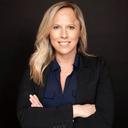
- It's one of the first eMed offerings under CEO Linda Yaccarino, who took the helm last summer after stepping down as CEO of Elon Musk's social discourse app X.
- Through an arrangement with pharmacy benefit manager CVS Caremark, workers can buy the drugs online through eMed and get comprehensive weight management services, including help managing side effects.
- Employers can choose how much they want to subsidize the drugs prescribed through eMed.
The new offering combines two emerging trends: online cash purchases of drugs and secondary coverage arrangements that could keep workplace health premiums from soaring.
- The GLP-1 prices offered through the arrangement are "the most cost-effective price point that's available in the market," Yaccarino said in an interview.
- CVS views the eMed partnership as another way of expanding GLP-1 access through a business that manages prescription benefits for up to 30 million Americans, the company told Axios.
How it works: Employers that offer eMed GLP-1 prescribing are giving their workers access to around-the-clock clinical support for managing side effects, weekly check-ins and biannual blood testing, Yaccarino said.
- That makes for an even better deal for employers, she said, because people will stay on GLP-1s long enough to see health improvements — which brings down overall health costs.
Zoom out: Other telehealth companies are starting to offer employer-focused arrangements.
2. DOGE's massive Medicaid data dump


Investigating fraud in Medicaid has often meant sorting through troves of government data and records that can be fragmented and difficult to access.
- Now, it could become a public scavenger hunt.
The big picture: The Department of Government Efficiency's release of almost seven years of Medicaid spending data late last week may make it possible for the public to identify high-billing Medicaid providers, questionable diagnoses and treatments and more.
- It also raises the prospect of random X users claiming to find fraud after searching the database.
DOGE open-sourced a 10.3 GB data set with information it extracted after gaining access to the inner working of HHS a year ago.
- The release gave Elon Musk a chance to take a victory lap while Trump administration officials touted what they said was major step forward in transparency and accountability.
- The quality of the data underpinning what was released varies significantly by state and year, said William Schpero, a health economist at Weill Medical College of Cornell University. Some is likely not sufficient for analysis, he wrote in an email.
Context: The administration often cites waste, fraud and abuse as justification for deep program cuts — including the nearly $1 trillion in reductions to federal Medicaid spending in last year's Republican budget bill.
- It used Minnesota's inability to rein in fraud in safety net programs as justification for freezing federal child care funding to the state and launching the ICE enforcement surge that targeted the state's Somali community.
3. RFK Jr. vows to review ultra-processed foods
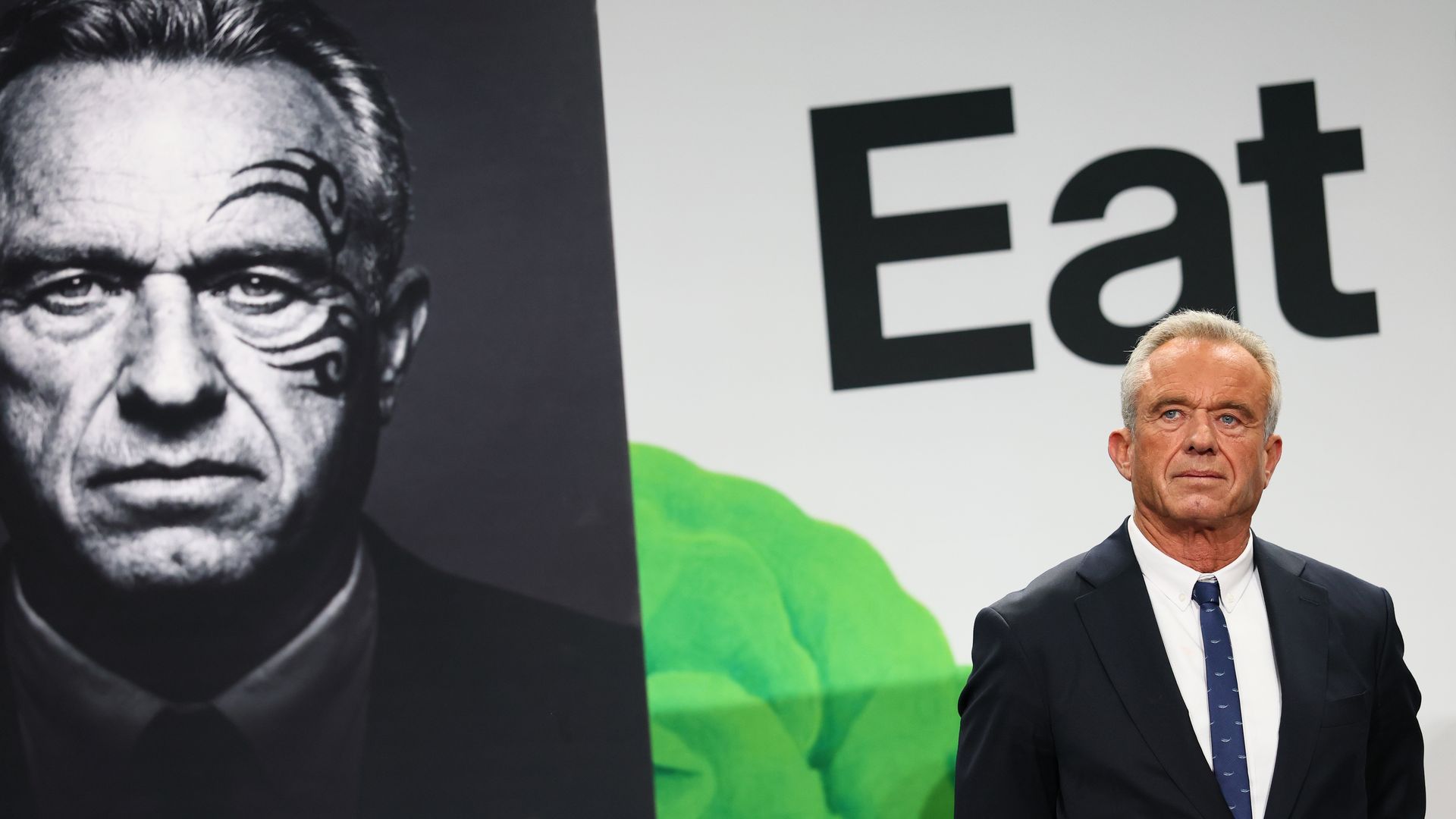
Kennedy said on Sunday that he'll act on a citizen's petition to review the regulation of ultra-processed foods but indicated the response may be limited to a public information campaign about health risks.
Why it matters: The Trump administration has been careful not to antagonize food and agriculture interests with new regulations, instead focusing on getting voluntary commitments to remove certain ingredients like artificial colorants.
Driving the news: Kennedy told CBS' "60 Minutes" that he'd respond to a petition from former FDA commissioner David Kessler to revoke "Generally Recognized as Safe" status for dozens of processed carbohydrates unless companies can prove they're safe and not stoking the obesity epidemic.
- Food companies currently can self-affirm that the use of a substance is GRAS without notifying the FDA. Kennedy and other critics say manufacturers have taken advantage of the process.
- Kessler, who led the landmark investigation into the tobacco industry in the 1990s, contends ultra-processed foods may be a bigger public health threat, because so many more people consume them.
"The questions that he's asking are questions that [the] FDA should've been asking a long, long time ago," Kennedy said.
- But he added: "I'm not saying that we're going to regulate ultra-processed food," Kennedy said. "Our job is to make sure that everybody understands what they're getting, to have an informed public."
4. Unchecked stimulant use reshapes drug epidemic

Recent progress reducing fatal drug overdoses could be undercut by a marked rise in the use of illicit stimulants like cocaine and methamphetamine, specialty lab Millennium Health warns in a report out today.
Why it matters: The lack of FDA-approved medications for stimulant use disorder and the difficulty getting patients the help they need is stretching the behavioral health system.
What they found: 85% of people testing positive for fentanyl in 2025 also tested positive for an illicit stimulant — the highest proportion ever recorded by Millennium.
- Illicit stimulant use increased among people using fentanyl in all census regions from 2024 to 2025, with fentanyl-methamphetamine co-use jumping 40.7% in the South and fentanyl-cocaine co-use rising 19.3% in the Northeast.
- Every state in 2025 saw methamphetamine or cocaine detected more frequently than heroin or prescription opioids among people using fentanyl.
Between the lines: Fentanyl has been the primary driver of the overdose crisis for more than a decade.
- But the way it is often paired — knowingly or unknowingly — with other illicit drugs has created a new wave of the overdose epidemic.
- This co-mingling has big implications for the health care system at a time when overdose mortality is falling and many clinicians are more confidently managing opioid withdrawal and treating opioid use disorders, Millennium says.
5. While you were weekending

💼 Health care keeps buoying an otherwise slow labor market, as hospitals, clinics and nursing homes continue to hire while other employers pull back. (WashPost)
🇨🇳 The Pentagon briefly added biotech contracting giant WuXi AppTec to a list of companies that aid the Chinese military before withdrawing the filing with no explanation. (Endpoints News)
👶🏻 More new mothers are having kids solo in their 40s, with births to unmarried women 40 and over doubling since 2007. (Axios)
Thanks for reading Axios Vitals, and to editors Adriel Bettelheim and David Nather and copy editor Matt Piper. Please ask your friends and colleagues to sign up.