Axios Vitals

January 28, 2026



🐪 Halfway there, Vitals gang. Today's newsletter is 898 words, a 3.5-minute read.
1 big thing: Congress readies changes for PBMs
Congress may be about to make long-sought changes to pharmacy benefit managers' business practices — though the impact on drug costs could be limited.
Why it matters: PBMs negotiate drug prices with drug manufacturers on behalf of health plans, and the prospect of changing how they're compensated could remove what critics say are warped incentives that can encourage the use of higher-priced drugs.
- "One needs to start somewhere and I think that these provisions are very important starting points," said Mariana Socal, associate professor of health policy and management at Johns Hopkins University.
Driving the news: A bipartisan health care deal attached to the six-bill government funding package in the Senate would "delink" PBM compensation from the price of a drug in Medicare Part D and pay the companies flat fees instead.
- That change could then filter down to patients by lowering their coinsurance payments, which are tied to the drug price.
- Another provision would impose new transparency and reporting requirements, which could help health plans look for better deals.
The House passed the legislative package, but it still faces uncertainty in the Senate because it is packaged with homeland security funding, which Senate Democrats are threatening to block.
Between the lines: Major PBMs like CVS Caremark, Express Scripts and Optum Rx are owned by insurance companies and have long drawn scrutiny from lawmakers who say they contribute to rising health costs.
- The changes in the health care deal add to the pressure health insurers are facing from Congress and the Trump administration over consolidation, denials of care and excessive Medicare Advantage costs.
Yes, but: Part of the challenge in regulating PBMs is their shifting business models, especially their use of subsidiaries known as group purchasing organizations.
- Critics say a PBM could insist that it is passing along all of the rebates it receives from drugmakers and use the purchasing arms to hide profits from the health plan sponsor.
2. Exclusive: Walmart raises pharmacy pay

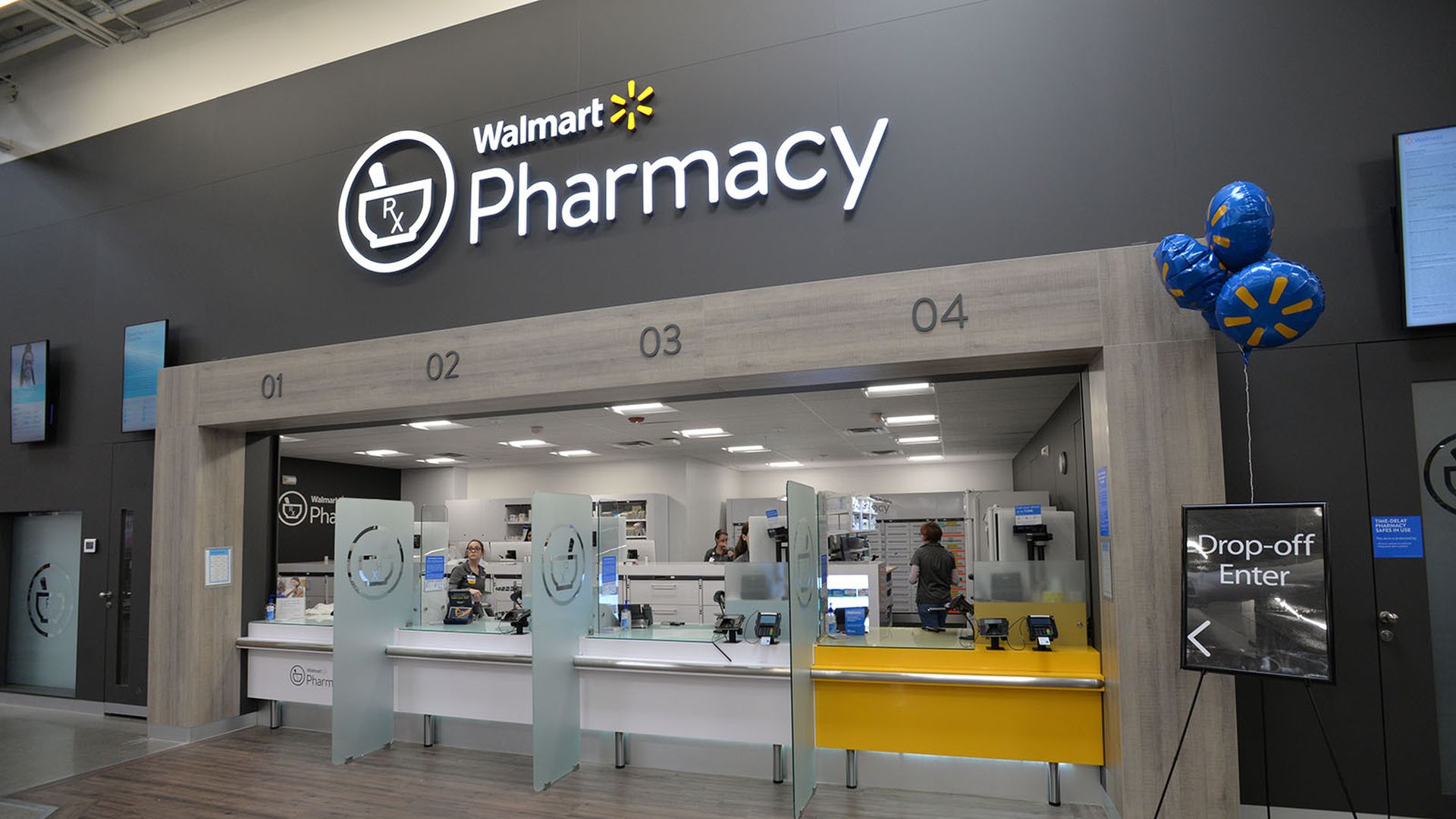
Walmart is reshaping pharmacy jobs — raising pay and elevating thousands of technician roles as it invests more heavily in pharmacy workers, the world's largest retailer tells Axios.
Why it matters: As pharmacy jobs evolve beyond filling prescriptions, Walmart's move shows how retailers are reworking frontline roles in the health system to meet patient demand.
- The investment comes as major drugstore chains CVS and Walgreens have cut back hours and closed pharmacies across the U.S.
Driving the news: Walmart said it is elevating 3,000 pharmacy technician lead roles into team leads, a move that comes with higher pay and expanded responsibilities.
- Those roles pay about $28 an hour on average, with top pay reaching $42 an hour, depending on location. Pharmacy technicians earn $22 an hour on average, with expanded pay ranges up to $40.50 an hour.
- No college degree is required to become a pharmacy sales associate, technician or operations team lead.
The big picture: Millions of Americans have found pharmacies preferable to clinics or other settings, whether it's for a vaccine, a diagnostic test or treatment for a common illness.
- That shift is changing how Walmart pharmacies operate, with pharmacists doing more clinical care and technicians taking on leadership roles.
3. Medicare selects GLP-1, Botox for negotiations
Medicare wants to negotiate lower prices for Eli Lilly's GLP-1 drug Trulicity and AbbVie's Botox in its next round of drugmaker negotiations, federal health officials said yesterday.
Why it matters: The 15 drugs chosen accounted for $27 billion of Medicare spending between November 2024 and October 2025, per CMS.
- The negotiated prices would take effect in 2028. It marks the first time that Medicare can select prescription drugs administered in doctors' offices and other outpatient settings for the negotiations.
How it works: Drugmakers must decide by Feb. 28 if they plan to participate in negotiations with the government.
- Those that opt out must either pay an excise tax of up to 95% of their U.S. sales or withdraw their drugs from Medicare and Medicaid coverage.
The other drugs selected include three Novartis treatments: Xolair, an injectable asthma drug, Cosentyx for psoriasis and Kisqali, for breast cancer.
Between the lines: This is the first time the Trump administration is selecting the drugs for Medicare price negotiations.
- President Trump has struck separate deals with major drugmakers to lower their U.S. prices. Those companies haven't gotten a reprieve from Medicare talks.
4. Quote du jour
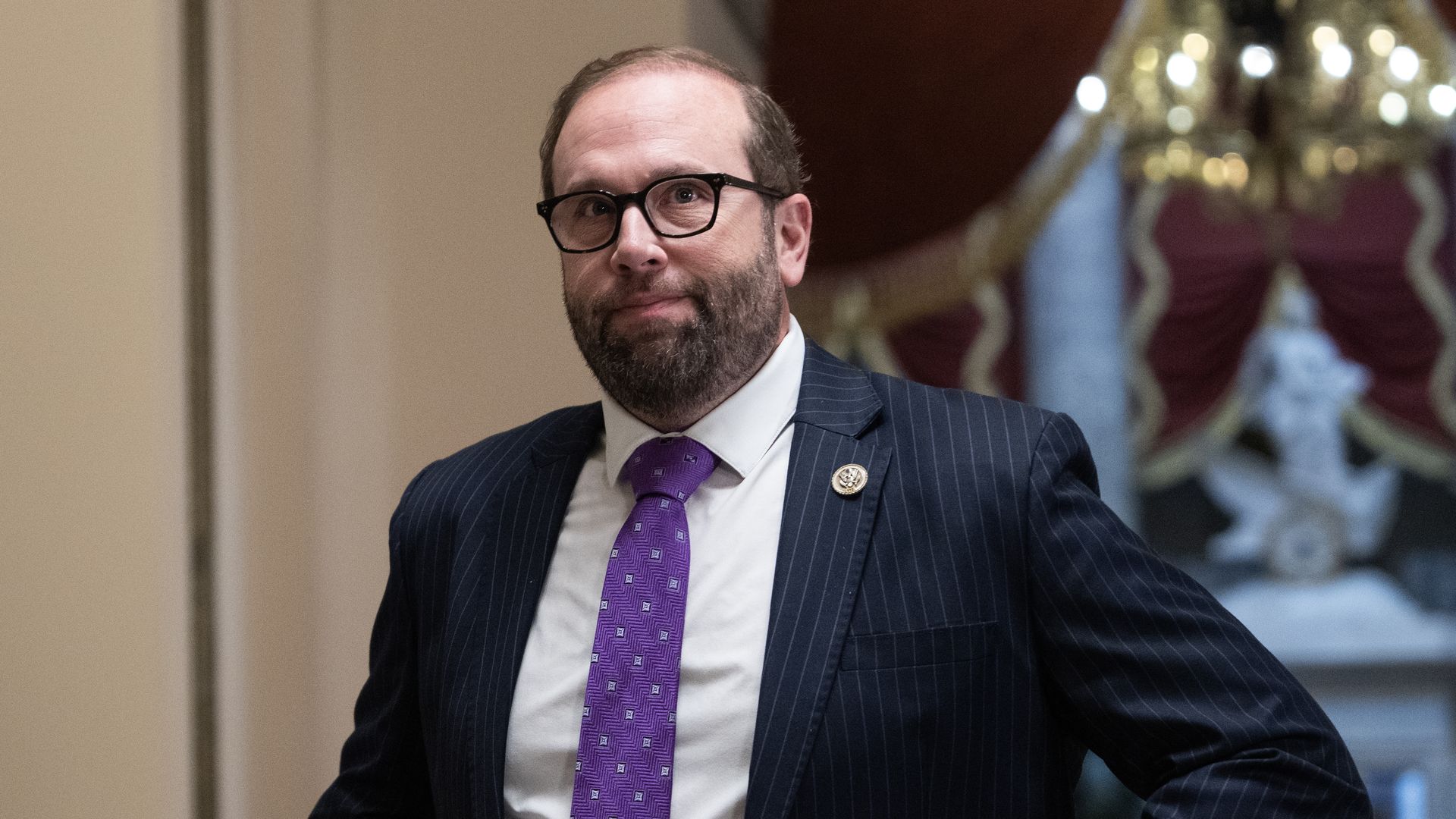
"If U.S. hospitals who enjoy lucrative taxpayer-funded benefits have prioritized foreign nationals for organ transplants over saving American lives, they should have their tax-exempt status terminated."— House Ways and Means Chair Jason Smith (R-Mo.), launching an investigation of Montefiore Medical Center and the University of Chicago Medical Center following reports that wealthy "transplant tourists" are jumping waiting lines to receive donor hearts, lungs and other organs.
5. Catch up quick
💸 Nursing home executives donated nearly $4.8 million to a super PAC devoted to Trump before his administration revoked a rule to require increased staffing at facilities. (NYT)
👨🏻💻 Nearly half of the surveillance systems and other databases that the CDC used to update regularly have been paused without explanation, new research shows. (NBC News)
📉 UnitedHealth Group saw its first drop in annual revenue in 30 years as it works to rebuild confidence with investors after a stunning fall last year. (Bloomberg)
Thanks for reading Axios Vitals, and to editors Adriel Bettelheim and David Nather and copy editor Matt Piper. Please ask your friends and colleagues to sign up.
Sign up for Axios Vitals