Axios Vitals

April 23, 2026
Let's do Thursday. Today's newsletter is 975 words, a 3.5-minute read.
1 big thing: Peptides may be the next wellness boom
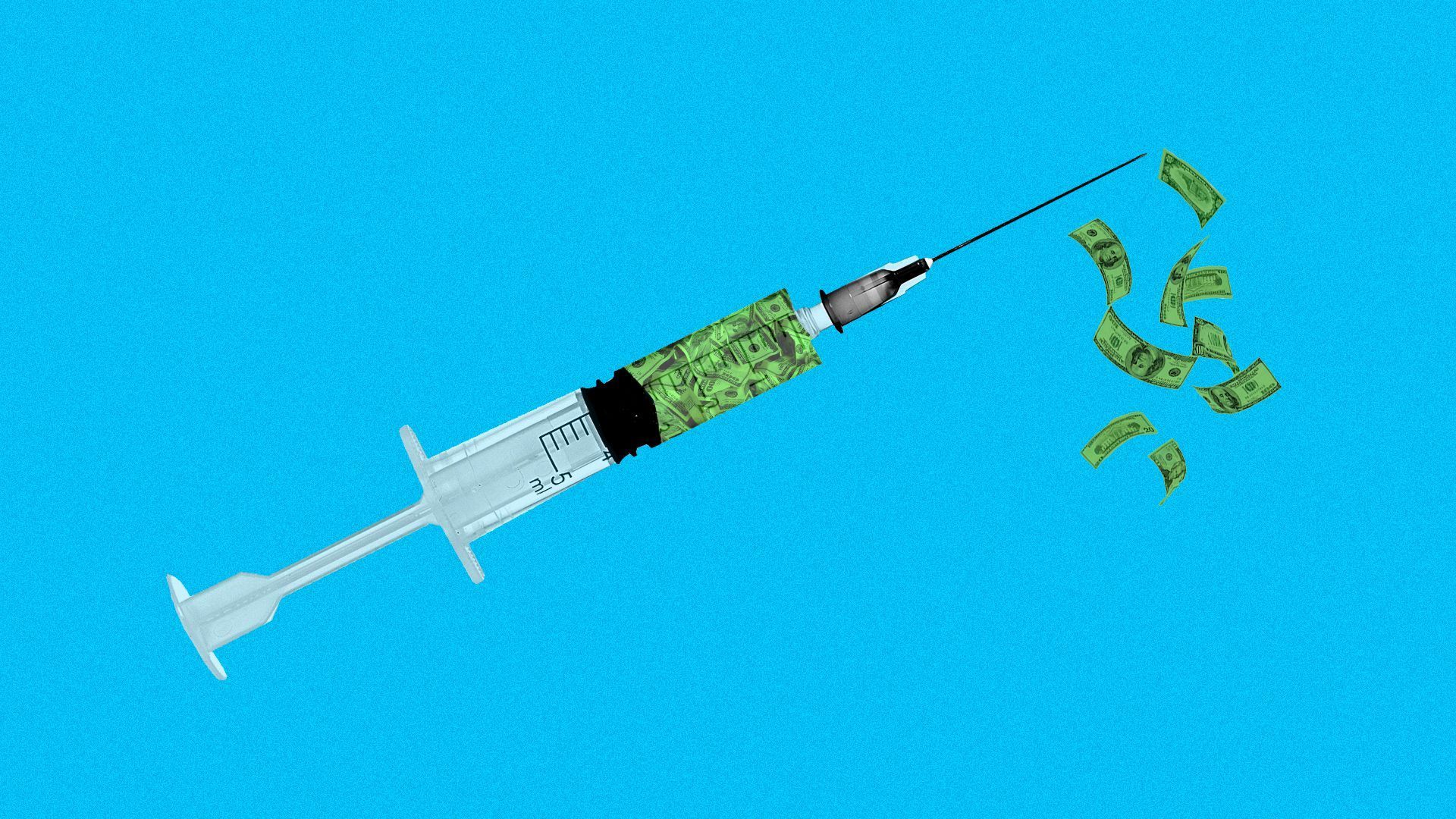
Health Secretary Robert F. Kennedy Jr.'s new push to loosen federal restrictions on peptides could be a bonanza for telehealth companies, compounding pharmacies and longevity clinics looking for the next big wellness trend.
Why it matters: The heavily touted but loosely regulated proteins could fuel the kind of boom we've seen with weight-loss drugs — even though there's little evidence they work in humans.
State of play: The self-administered injections have become the rage among fitness enthusiasts, celebrities and consumers seeking to heal injuries, reduce inflammation and find anti-aging benefits.
- The interest has been juiced by social media influencers and podcasters like Joe Rogan, who hosted a segment in February during which Kennedy previewed his agenda and said he had taken peptides himself.
- The FDA will convene an advisory panel in July to decide if a series of peptides can be produced by compounding pharmacies. It's also in the process of lifting a Biden administration policy that prohibits compounding pharmacies from making the products.
- The substances include BPC-157, which is derived from human gastric juice and has been promoted extensively for healing injuries in animal studies.
What they're saying: "They're the most potent things that we've seen in health care since hormones," said Chris Shade, CEO of Quicksilver Scientific, a company that produces some oral versions of peptides.
The other side: Physicians say peptides could increase health risks, including cancer, because of the way they stimulate hormone production and the formation of tissues.
Zoom in: Peptides already make up a $60 billion market and could top $180 billion in five years if the federal rules are relaxed, said Kate Festle, a managing director at West Monroe consultants.
- "I think this has tremendous staying power because a lot of the companies that ... would be able to bundle this already exist. They have scale, they have membership," she said.
- The clearest winners could be telehealth companies like Hims & Hers and Ro, which have already built the infrastructure to quickly package and prescribe these therapies, said Michael Cherny, senior research analyst at Leerink Partners.
2. Cassidy avoids blowups with Kennedy
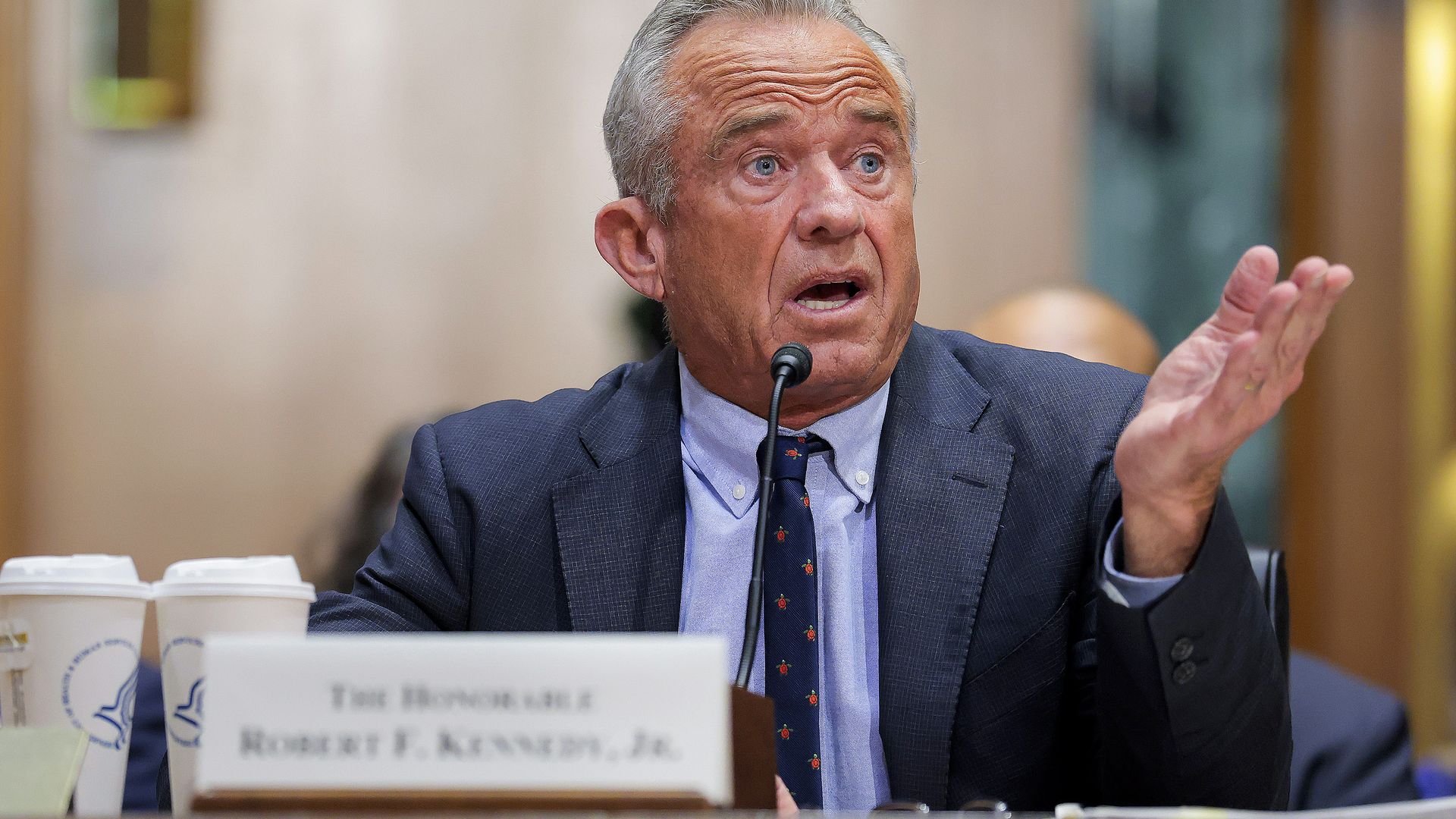
A long-awaited confrontation between Kennedy and Senate health committee Chair Bill Cassidy passed without major fireworks yesterday — but with Kennedy indicating he would let the next CDC director make decisions without interference.
Why it matters: Cassidy and Kennedy have increasingly been at odds over Trump administration health policies and Kennedy's criticisms of vaccines since the Louisiana Republican cast a decisive vote to confirm Kennedy last year.
- Yesterday's hearing on the Trump administration's 2027 budget came ahead of a May 16 primary in which Cassidy faces a Trump-endorsed challenger in Rep. Julia Letlow (R-La.).
What they're saying: Cassidy told Kennedy that while people lost trust in federal health agencies during the COVID-19 pandemic, "it's safe to say the trust gap has worsened over the last year due to false statements about safety and efficacy of vaccines for preventable diseases like measles."
- He praised the nomination of former deputy surgeon general Erica Schwartz to lead the CDC and asked Kennedy whether, if confirmed, she would face interference from unnamed "political appointees at CDC who have worked to undermine trust in immunizations."
- "If she wishes to make a decision independently of them, she shall be allowed to make that decision independently?" Cassidy asked. Kennedy replied, "Yes."
3. Trump close on marijuana rescheduling

The administration is expected to move to reclassify marijuana, possibly within days, per an administration official familiar with the matter.
Why it matters: The move would make it easier to study medicinal applications of marijuana and could shore up support from influencers who support the research.
How it works: Reclassifying marijuana eases Drug Enforcement Administration barriers to researching the drug's potential uses.
- It would not immediately legalize marijuana, nor would it affect the sentences of those incarcerated for possession.
Catch up quick: President Trump signed an executive order to reclassify the drug last December, directing the attorney general to pick up President Biden's push to change the federal restrictions prior to leaving office.
- At the time, Trump said the move "has been requested by American patients suffering from extreme pain, incurable diseases, aggressive cancers, seizure disorders, neurological problems, and more."
Zoom in: Marijuana is currently classified as a Schedule I drug, the same category as heroin, LSD and ecstasy.
- The new categorization would put it in line with ketamine and steroids.
4. Mapped: Doula care coverage

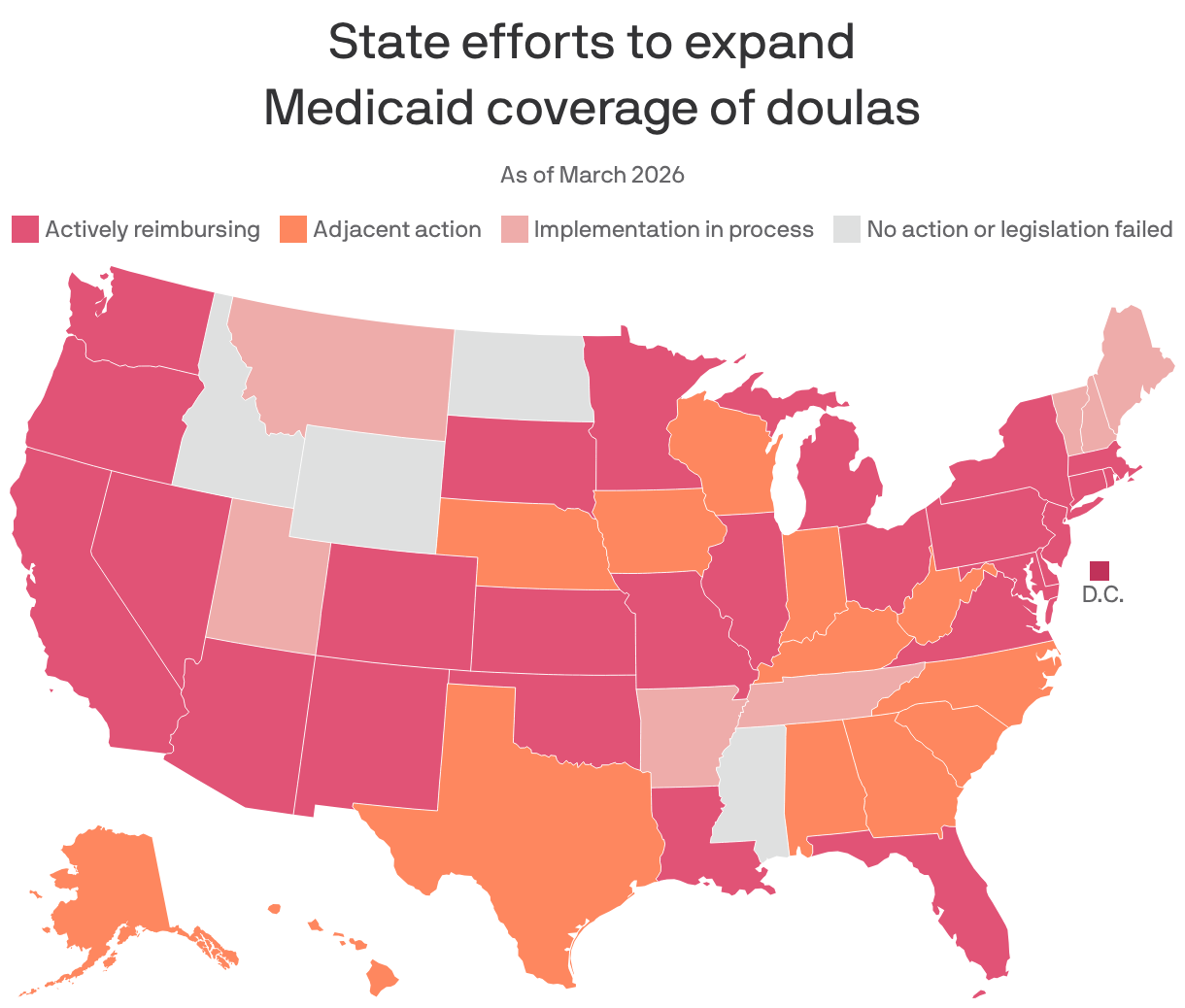
Twenty-six states and D.C. now offer Medicaid coverage of doula care, according to the National Health Law Program.
- Before 2020, only Oregon and Minnesota paid for doula services.
The big picture: It's a big shift for a once-niche birth option that's been tied to lower C-section rates and fewer preterm births — while potentially lowering overall health system costs.
How it works: Doulas provide continuous, nonmedical support — emotional coaching, advocacy and physical comfort — distinct from midwives, who perform clinical tasks.
- UnitedHealthcare recently announced it would allow for coverage of doula care in employer-sponsored programs nationwide.
Yes, but: Despite the expansion, some maternal health experts worry it's becoming a band-aid — absorbing pressure that should be driving deeper changes in obstetrics care.
- And without adequate reimbursement and hospital integration, the benefit may exist on paper more than in practice.
5. Catch up quick
💉 The acting head of the CDC canceled publication of a study that found that the COVID vaccine sharply cut the odds of hospitalizations and emergency visits last winter. (NYT)
📈 Elevance became the latest big health insurer to raise its 2026 earnings guidance on the back of better-than-expected first quarter results. (Healthcare Dive)
⚕️ More than two-thirds of the public believe at least one false or unproven health claim — such as the idea that taking Tylenol during pregnancy causes autism. (Nature)
Thanks for reading Axios Vitals, and to editors Adriel Bettelheim and David Nather and copy editor Matt Piper. Please ask your friends and colleagues to sign up.
Sign up for Axios Vitals