Axios Vitals

July 13, 2026



Back to the grind, Vitals gang. Today's newsletter is 923 words, a 3.5-minute read.
⚡️ Join Axios Live in Washington, D.C., on Wednesday, July 22 at 7:30am ET for a conversation about the policies, innovation and safety considerations around GLP-1 drugs. RSVP here.
1 big thing: Pay shift spells maternal care changes

A major change to how OB-GYNs are paid is coming, bringing the potential for improved maternal health — but also higher costs.
Why it matters: The U.S. has the highest maternal mortality rate among peer countries, and obstetrics units across the country have been closing in recent years due to staffing shortages and low margins.
- Changing how the specialty is reimbursed could promote more personalized care and better data on patient needs.
State of play: Starting Jan. 1, OB-GYNs will be able to bill insurers for each individual service they provide to patients under new medical codes adopted by the American Medical Association.
- The new approach will replace a lump-sum "bundled payment" system that insurers have primarily used to pay for prenatal visits, delivery and postpartum care since the 1990s.
- The change is the result of a yearslong advocacy effort from OB-GYNs, who say the bundled system doesn't reflect the complexity of modern obstetrics care.
"This will be incredibly important for public health," said John Patrick Horton, an Emory Healthcare OB-GYN.
Between the lines: The change is expected to make it easier for doctors to tailor care to patient needs — and get paid for doing so, Horton said.
- For example, the bundled payment typically covers just one postpartum visit while more than half of pregnancy-related deaths in the United States occur within one year of birth. Adding postpartum visits for higher-risk patients could prevent deaths, providers say.
- The new system also will ensure that prenatal care providers who have to transfer patients to a more intensive care setting still get paid for the care they provided.
Yes, but: The ability to bill for more customized care could drive up costs and medical spending, some advocates and policymakers say.
- Rep. Buddy Carter (R-Ga.) sent a letter to the AMA last month urging the organization to reconsider the coding changes.
2. Stomach bug exposes public health gaps


Lags in federal infectious disease tracking and limited testing are making it harder to pin down the source of the cyclosporiasis outbreak that's sickened thousands of people in at least 31 states.
The big picture: While cases of the intestinal illness usually climb in the summer months, this year's outbreak has grown rapidly, with the case count likely already matching a typical year's total.
- The CDC says there's currently no evidence of a single source linking all of the cases. In its latest update last week, the agency confirmed 843 cases, with 86 hospitalizations and no deaths.
Between the lines: The government's tracking network for foodborne diseases, FoodNet, stopped requiring surveillance for cyclosporiasis in July 2025.
- That's put the onus on authorities in states like Michigan, which said it had more than 1,500 cases as of Friday but whose high caseload may reflect more thorough testing and reporting.
What they're saying: "This is expanding fast — yet so far, no HHS or CDC press briefing. Parents and communities are scared — and unsure how to protect themselves," Jerome Adams, President Trump's first-term surgeon general, wrote yesterday on X.
- Yale epidemiologist Katelyn Jetelina wrote on Substack that the problem lies in underfunded state and local health departments, siloed health systems and a lack of centralized coordination.
States are required to report case numbers monthly, which can account for differences between their numbers and those from the CDC, a spokesperson from HHS told Axios.
- "In response to increasing case counts in some states, CDC is now requesting weekly case count updates," the spokesperson said.
3. 1 big number: Medicare Advantage bonuses
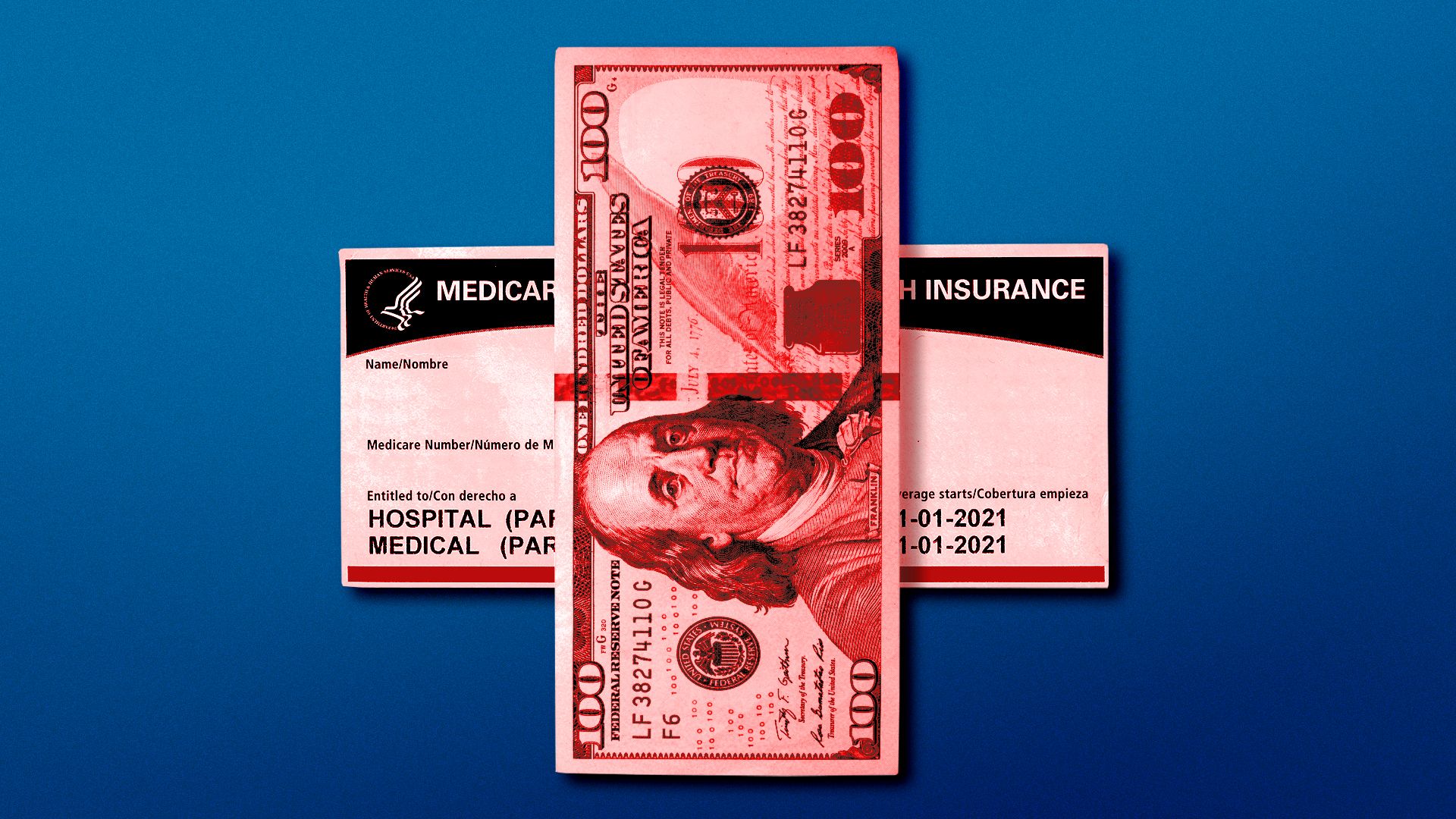
The government will spend at least $13.4 billion this year on bonus payments to private Medicare plans — more than quadruple the amount it spent in 2015, according to new KFF estimates.
Why it matters: Medicare spending on bonuses has grown faster than enrollment in Medicare Advantage itself and has become a major source of revenue for insurers.
- More than two-thirds of Medicare Advantage enrollees (68%) are in plans that qualify for bonus payments this year, a decline from 75% in 2025, and the lowest share since 2018.
Context: The quality bonus program was created under the Affordable Care Act in 2010 and provides extra payments to top-performing private Medicare plans, as measured by a star rating system.
- Critics have questioned its effectiveness, and House Democrats this month introduced legislation that would terminate it.
What they found: KFF said Medicare Advantage plans that are restricted to retirees of specific employers or unions get a bigger share of bonus spending, possibly because they offer more generous coverage or extra benefits.
- UnitedHealth Group is expected to receive 29% of total Medicare spending under the program, or $3.9 billion in 2026.
- Humana, which has the second largest share of Medicare Advantage enrollment, will get $1.5 billion after a drop in its average star rating.
4. While you were weekending

💉 The administration's nominee to oversee preparedness and response to public health emergencies questioned the use of the hepatitis B vaccine in infants. (Stat)
⚖️ Bayer tried to build on its Supreme Court win and convince a federal judge to dismantle litigation alleging that its Roundup weedkiller causes cancer. (Reuters)
👶🏻 Two members of Congress are calling for the CDC to track vitamin K shot refusals by parents and the potential consequences for their newborns. (ProPublica)
Thanks for reading Axios Vitals, and to editors Adriel Bettelheim and David Nather and copy editor Matt Piper. Please ask your friends and colleagues to sign up.
Sign up for Axios Vitals