Axios Vitals

September 02, 2025



Welcome back! Today's newsletter is 1,014 words or a 4-minute read.
1 big thing: RFK Jr.'s power play faces September tests

After roiling the leadership of the CDC, Health Secretary Robert F. Kennedy Jr. is poised to make more moves this month that will test how much free rein he has within the administration.
Why it matters: Republicans are counting on Kennedy and his MAHA base to deliver in the midterm elections. But more bulldozing of current evidence-based public health policy could fray his support within the White House and Congress.
Friction points: Kennedy said last week that he expects to deliver a report on the environmental causes of autism this month.
- His handpicked vaccine advisory committee is set to meet on the availability of COVID boosters on Sept. 18.
- Also expected are simplified dietary guidelines and a presidentially commissioned report on ways to reduce chronic disease in children.
New members of senior leadership will be installed in the coming weeks, CDC acting director Jim O'Neill, a top adviser to Kennedy, wrote on X.
- President Trump on Monday questioned whether the COVID shots developed during his first term are safe after Kennedy limited access to boosters and said that drug companies need to publicly substantiate their success.
Yes, but: The CDC purge is prompting medical associations to ramp up more organized opposition.
- Nine former CDC directors who served under Democrat and Republican presidents condemned Kennedy's actions to dismantle the agency yesterday.
- And some blue states are reportedly considering issuing different public health guidance from the Trump administration's, in a sign they're increasingly comfortable picking a high-profile fight with Kennedy.
The big picture: "Our base case is Secretary Kennedy remains in the role until after the midterm elections. There may be lines RFK cannot cross, but it is probably further than most appreciate," Raymond James analyst Chris Meekins, a first-term Trump health official, wrote in a note Friday.
- But Kennedy will hold less political importance for Trump after that, and concern over his potential to mount another presidential campaign may lead to his departure, Meekins said.
2. New Mexico orders more access to COVID shots

New Mexico's health department issued an order on Friday to work with the state Board of Pharmacy to expand access to COVID-19 boosters this fall.
Why it matters: It's an early sign of how blue states may respond to the Trump administration's new limits on who is eligible for the updated vaccines.
Driving the news: New Mexico Health Secretary Gina DeBlassie said that barriers to the administration of COVID vaccine constitute a "condition of public health importance."
- "It's important for New Mexicans to know the New Mexico Department of Health is committed to keeping residents safe as we enter the 2025–2026 respiratory virus season," DeBlassie said. "This order will remove obstacles to vaccination access."
Vaccines are first approved by the FDA and then receive a recommendation from the CDC, guided by the Advisory Committee on Immunization Practices.
- Last week, Kennedy announced changes that included rescinding the emergency use authorizations for COVID vaccines and limiting access to high-risk individuals.
- New Mexico's Board of Pharmacy generally follows ACIP guidance but will be amending protocol to consider additional recommendations from professional and authoritative bodies, DeBlassie said.
3. Bill may let Texans sue over abortion pills
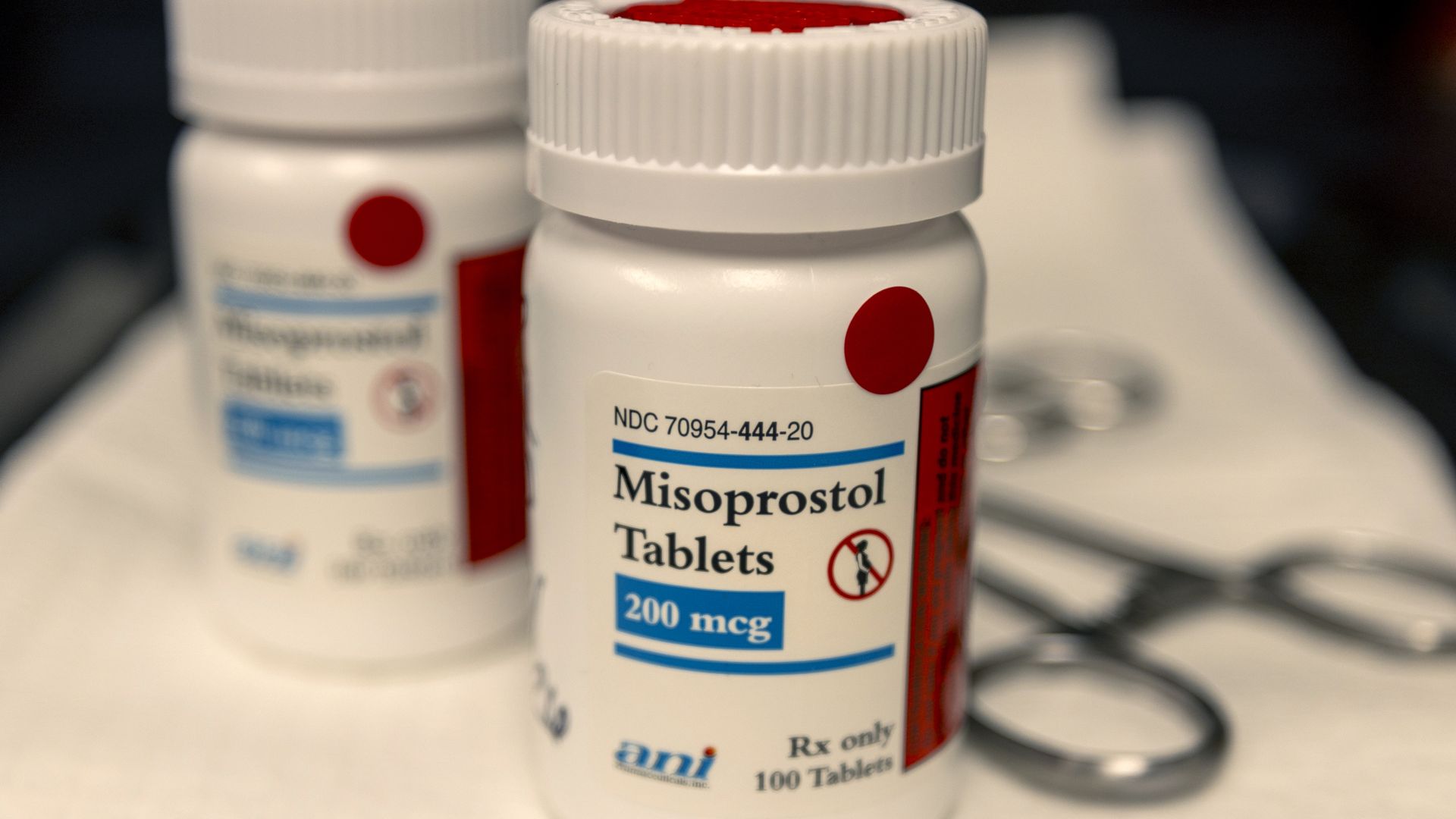
Texas residents could soon be able to sue out-of-state providers of abortion pills, as well as manufacturers, under a bill the Republican-led state Senate is expected to vote on this week.
Why it matters: It would be the first law of its kind in the nation that addresses the surge of online orders for abortion pills and uses the threat of lawsuits from private citizens to bolster an existing state ban on abortion once fetal activity can be detected, per AP.
- Critics like the ACLU say it will encourage neighbors to police one another's reproductive choices.
- The bill was revised in the state House to prohibit disclosure of personal or medical information in court filings and to restrict who can file suit, including people with family violence convictions.
Between the lines: If passed and signed into law by Gov. Greg Abbott (R), the measure could increase friction between states with abortion bans and those with laws that shield providers from legal liability under other states' laws.
- Texas Attorney General Ken Paxton (R) in December sued a New York doctor for sending abortion medication under the state's shield law to Texas.
- Under the bill, providers could be ordered to pay $100,000. But only the pregnant woman, the man who impregnated her or other close relatives could collect the entire amount, per AP. Anyone else who sues could receive $10,000.
4. Americans aren't getting to bed on time


Most people aren't getting the recommended 7 to 9 hours of sleep per night, which impacts mood and health, Apple Watch data shows.
By the numbers: The average duration of sleep was 6 hours and 40 minutes — based on nearly 17 million sleep records from more than 61,000 adults in the Apple Heart and Movement Study.
What they found: Participants with the most consistent bedtimes throughout the week slept for 40 more minutes and spent 36% less time awake during sleep periods, compared with other Apple Watch wearers.
- They also averaged 57% more time exercising.
What they're saying: "The most important thing" for sleep hygiene is going to bed at the same time daily," sleep medicine physician Shalini Paruthi tells Axios.
The intrigue: Hawaiians were the earliest to bed (11:06pm) but also slept the least (6 hours, 31 minutes).
- D.C. residents had the latest bedtime (11:56pm) followed by New Yorkers (11:53pm).
5. While you were weekending

🤖 There's a push to limit mental health tragedies stemming from AI chatbot use by urging AI makers stop personifying their products. (Axios)
🧠 People with a psychiatric disorder are more likely to marry someone who has the same condition than to pair up with someone who doesn't, a study of almost 15 million people found. (Nature)
🪖 The founder of a private equity firm tied to one of the nation's largest hospital bankruptcies could affect the U.S. military health system in his new Pentagon role. (MedPage Today)
Thanks for reading Axios Vitals, and to senior health care editor Adriel Bettelheim and copy editor Matt Piper. Please ask your friends and colleagues to sign up.