Axios Vitals

October 30, 2024


Halfway there, gang. Today's newsletter is 1,012 words or a 4-minute read.
1 big thing: Workplace violence plagues hospitals

Hospitals and clinics remain among the most violent places to work in America, straining health workers in the aftermath of the pandemic experience.
Why it matters: The situation is bad enough that the American Hospital Association and the FBI last week announced that they're collaborating on resources to help hospitals make threat assessments and work to mitigate risks.
- "The problem of physical security in a hospital is incredibly complex, because you have to have access to the general public," said Scott Gee, AHA's deputy national adviser for cybersecurity and risk. "It's difficult to determine who's a threat and who's not."
The big picture: Even as violent crime ticks down in large U.S. cities, violence in health care settings continues due to long wait times, unmet patient needs and resource shortages in the sector, according to a recent review in the journal eClinicalMedicine.
- Verbal threats or physical assault against doctors, nurses and other health workers typically come from patients' family or friends, or from patients themselves.
By the numbers: Health care and social services account for 73% of the 57,610 nonfatal workplace violence incidents requiring employees to miss work in 2021 and 2022, per the most recent data from the Bureau of Labor Statistics.
- Federal data shows 14.2 cases of workplace violence in the health care sector in each year per 10,000 full-time workers. Private industry overall had 2.9 cases per 10,000 workers.
COVID-19 worsened the issue. The pandemic and the fierce debate over the response helped sow distrust in the health system, with workers' reports of harassment on the job more than doubling in 2022 compared with before the pandemic, CDC data shows.
What we're watching: Federal regulators are slated to propose new standards to prevent workplace violence in health care settings in December, and Congress is weighing whether to make attacking a health worker a federal crime.
2. Trump's and Harris' health care names to watch
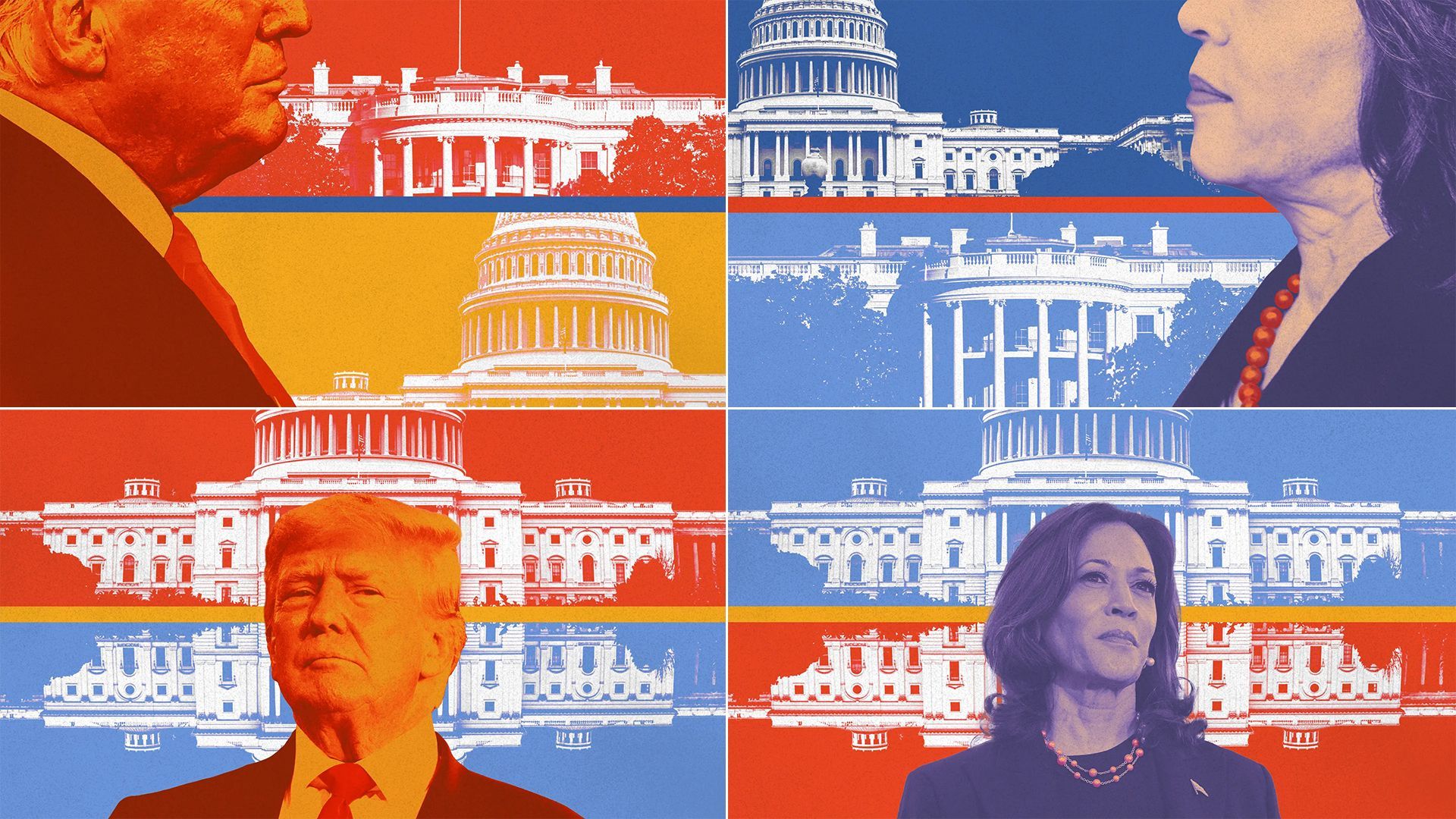
With the election less than a week away, attention is turning to the next president's prospective nominees to head federal health agencies, Victoria Knight and Peter Sullivan wrote first on Pro.
Here are some names in circulation:
Former President Trump
Bobby Jindal: He's currently leading the health policy division of the America First Policy Institute, a Republican think tank mostly composed of former Trump staffers.
- A former governor of Louisiana and principal adviser to the HHS secretary under former President George W. Bush, he could be in line to lead the department.
Eric Hargan: A deputy HHS secretary under Trump who also briefly served as acting HHS secretary, Hargan helped oversee Operation Warp Speed and assisted with pandemic initiatives like the provider relief fund and increased telehealth access.
Ben Carson: The retired neurosurgeon was Trump's housing secretary, remains close friends with Trump and has been active on the 2024 campaign trail.
Brian Blase: He currently leads the Paragon Health Institute, a GOP health care think tank. Blase served in the Trump administration as the special assistant to the president for economic policy.
Jim O'Neill: He's a Silicon Valley guy who also served a stint in HHS as the principal associate deputy secretary under George W. Bush. O'Neill's name was previously floated to head the FDA in the first Trump administration
Robert F. Kennedy Jr.: The anti-vaxxer and former independent presidential candidate is pushing an initiative known as "Make America Healthy Again," which is focused on chronic disease prevention. He could be given a significant role reshaping the FDA, CDC and other agencies.
Vice President Harris
Mandy Cohen: The CDC director could be nominated for HHS secretary or another high-ranking role.
- She's drawn some praise from Republicans for her work as North Carolina's health secretary during the pandemic.
Michelle Lujan Grisham: The New Mexico governor was said to be in the running for HHS secretary at the start of President Biden's term, and could be considered for the post again.
Chiquita Brooks-LaSure: The current Medicare and Medicaid administrator and health policy veteran could be tapped to be secretary or stay in her current role.
If you need smart, quick intel on health care policy for your job, get Axios Pro Policy.
3. Heat set new records for health perils in 2023


Climate change exposed people to an average of 50 more days of health-threatening temperatures around the world last year and drove heat-related deaths to record highs, according to an annual report published today.
Why it matters: The Lancet Countdown on Health and Climate Change represents the most up-to-date assessment of the connection between health and extreme weather and includes sweeping recommendations for the U.S., including a call for ending fossil fuel expansion specifically because of the health consequences.
What they found: Heat-related deaths last year in people over age 65 increased by 167% globally above levels seen in the 1990s — nearly three times more than what would have been expected if temperatures had not changed.
- People were also exposed to an average of 1,512 hours of high temperatures that posed at least a moderate risk of heat stress when doing light exercise such as walking or cycling — a 27.7% increase on the 1990-1999 yearly average.
- Conditions were ripe for the spread of more deadly mosquito-borne infectious diseases, with dengue cases reaching an all-time high of over 5 million infections reported in more 80 countries and territories in 2023.
4. Quote du jour

"I had a medical student come into my practice and I had to explain to him how you print this document from an EHR, put it on this machine he said he'd never seen before and fax it to the insurance company."
— American Medical Association President Bruce Scott at the Sanford Rural Health Summit on Tuesday, reflecting on the medical profession's enduring reliance on the fax machine.
5. Catch up quick
👉 House Speaker Mike Johnson took a dig at Obamacare and promised "massive reform" to the health care system if former President Trump is elected. (NBC News)
💰 Accountable care organizations saved Medicare $2.1 billion last year — the biggest annual savings in program history. (Fierce Healthcare)
💊 Pfizer posted strong third-quarter earnings that could bolster efforts to revamp the drugmaker as it faces pressure from a hedge fund investor. (WSJ)
Thanks for reading Axios Vitals, and to senior health care editor Adriel Bettelheim, managing editor Alison Snyder and copy editor Matt Piper. Please ask your friends and colleagues to sign up.