Axios Vitals

May 14, 2026



Happy Thursday and thanks to everyone who attended our Future of Health Summit yesterday, either online or in person.
Today's newsletter is 1,017 words, a 4-minute read.
1 big thing: Oz takes aim at pre-treatment reviews
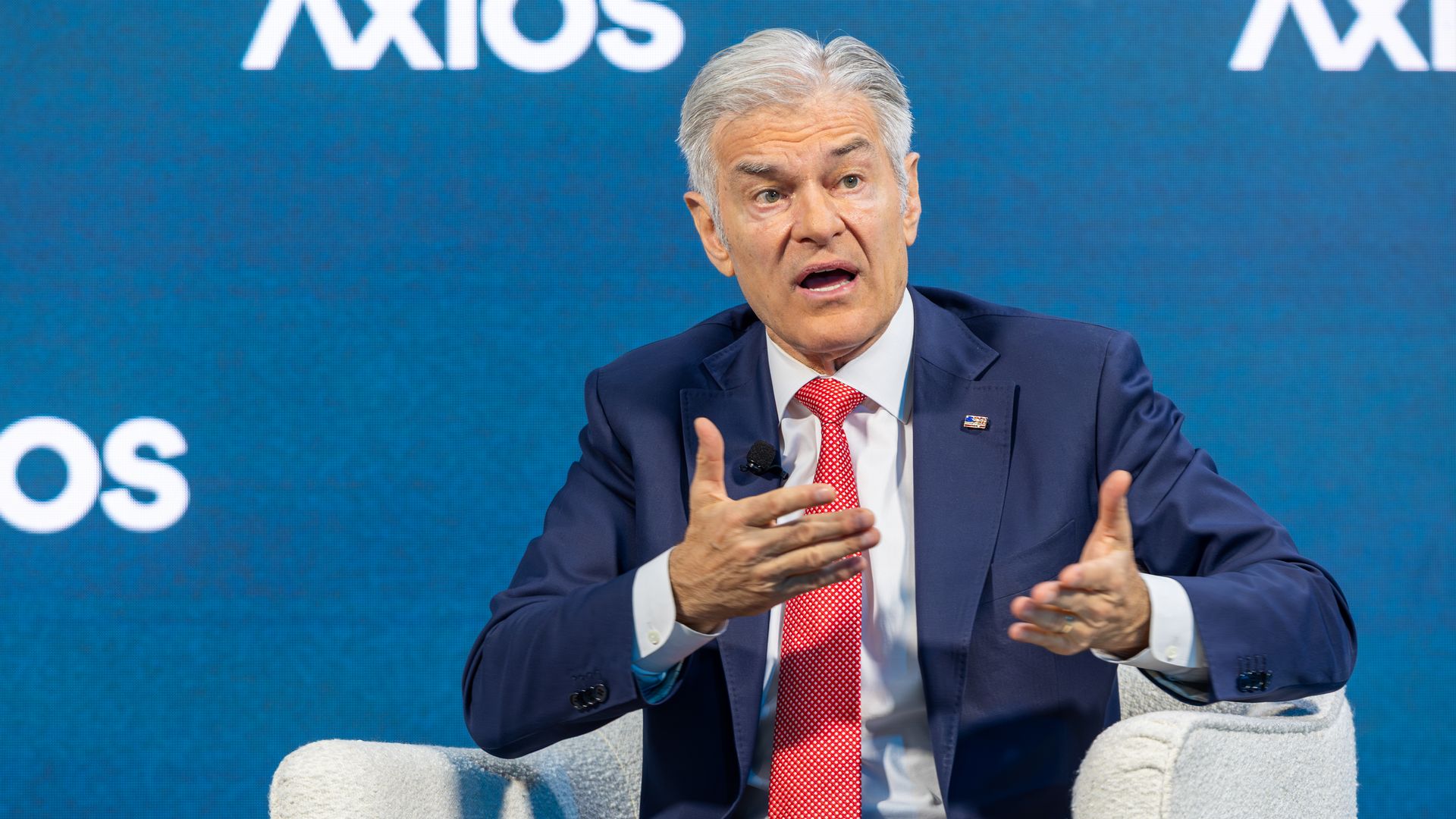
The Trump administration is building on insurer pledges to cut red tape by recruiting more than two dozen health systems and electronic health record vendors to make it easier to get permission for health procedures.
Why it matters: So-called "prior authorizations" often top patients' and doctors' complaints about what's wrong with the health system.
- These kinds of reviews can help control health care spending by checking for unnecessary procedures — but they can discourage patients from getting treatment and add headaches for patients and providers.
Driving the news: At our Future of Health Summit, CMS administrator Mehmet Oz announced that 29 providers and vendors had committed to working toward a more seamless system.
- He said his personal marker of success is that by sometime next year, some patients shouldn't even be aware the reviews are taking place.
- "Providers haven't been playing ball," Oz said, specifically calling out the use of fax machines that slows down reviews. "These are big players," he added, referring to the participating health companies.
- The companies include AtlantiCare, Bon Secours Mercy Health, Cleveland Clinic and Epic.
Between the lines: It's another case where the Trump administration is relying on voluntary industry participation, not legislation — the same way it has gotten drug companies to agree to price cuts (though the net benefit to consumers is still an open question).
- And though Oz is mainly responsible for Medicare and Medicaid, the effort could extend to commercial insurance if it's successful.
Yes, but: While Oz praised the insurers for their voluntary commitments on prior authorizations, providers remain deeply suspicious of health plan reviews.
- An American Medical Association survey released yesterday found that only 33% of physicians believe insurers' voluntary pledges will make a difference.
- "Physician trust in voluntary insurer pledges is deeply eroded after years of unfulfilled promises," said AMA president Bobby Mukkamala.
- "Rebuilding trust will require sustained, transparent, and measurable action."
2. Pharma leaders want calm waters from FDA head
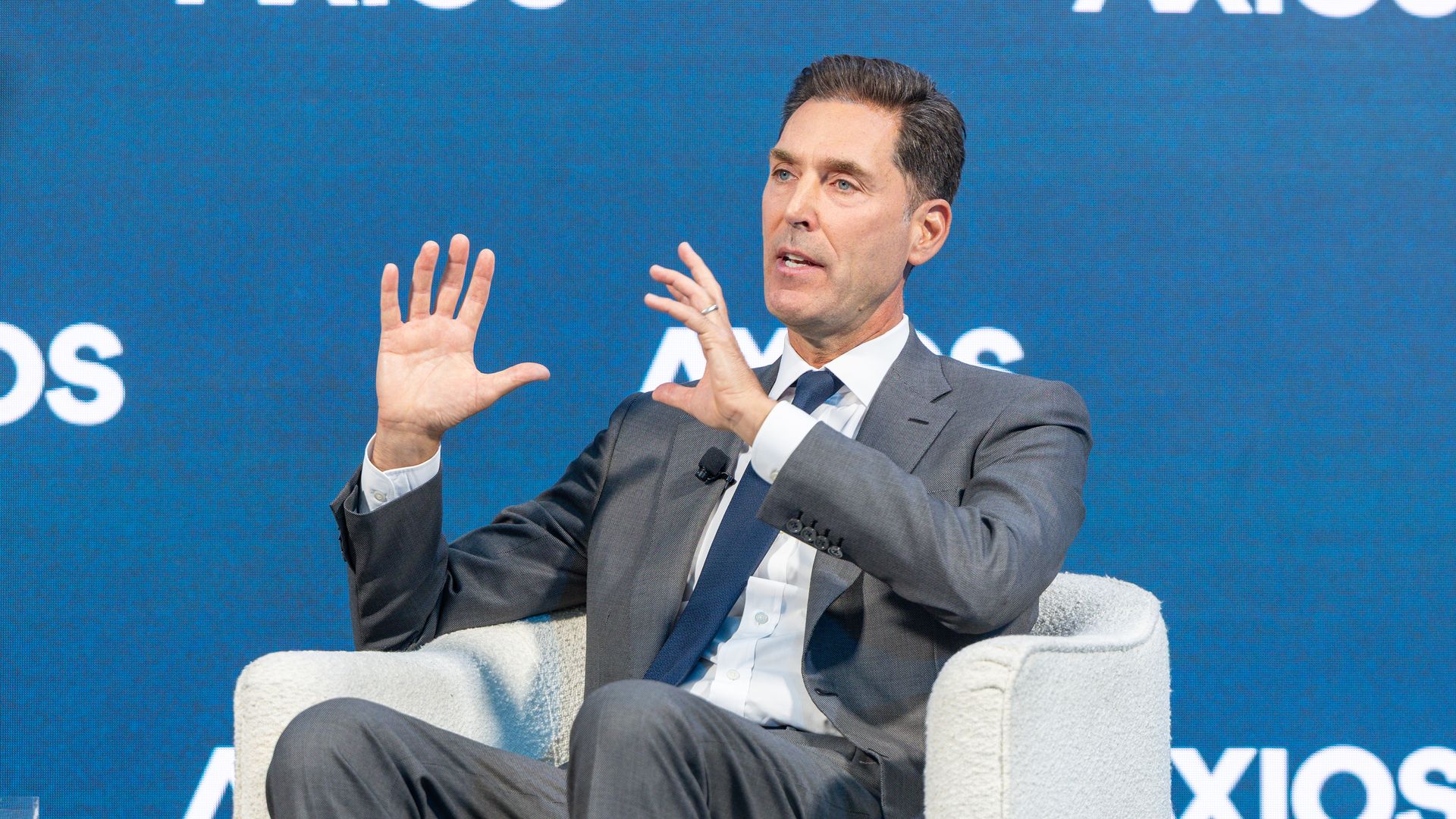
The drug industry's top Washington lobbyist called for the next FDA commissioner to "calm the waters" and ensure stability as drug companies develop new treatments.
Why it matters: The FDA has faced a tumultuous several months leading up to commissioner Marty Makary's resignation Tuesday, with staff layoffs and top leaders heading out the door.
What they're saying: "What we really need from the next leader of the FDA is to calm the waters and reestablish that certainty and predictability," PhRMA CEO Steve Ubl said at Axios' Future of Health Summit.
- Bristol Myers Squibb CEO Chris Boerner sounded a similar theme, pointing to the years of work that go into developing a drug.
- "What we need right now is we need predictability," he said. "Our time horizons are 10 to 15 years. We spend billions of dollars to bring one new medicine to market. And in that environment, we need to know that we've got a very stable FDA that sets consistent rules."
The intrigue: The pharmaceutical industry is also pushing back on President Trump's call for Congress to pass into law "most favored nation" pricing, a drug pricing policy in recent voluntary agreements that links U.S. prices to lower ones paid in other developed countries.
- "We've been very clear with the administration that we have concerns about most-favored nation as a policy," Boerner said.
3. Medicare halts hospice, home health enrollment

The administration yesterday said it's temporarily freezing hospice and home health agency enrollment in Medicare as part of a crackdown on improper billings.
Why it matters: The six-month moratorium is backed by some provider groups to root out bad actors, and comes after the administration singled out hospice abuse in California as a prime concern.
- The freeze dovetails with efforts of a task force led by Vice President JD Vance to root out health care fraud. Vance yesterday ordered states to comply with antifraud statutes or risk losing federal Medicaid funds.
Driving the news: CMS plans to ramp up targeted investigations during the moratorium, as well as use data analytics and accelerate the removal of providers suspected of committing fraud.
- The freeze won't affect current enrollments, and existing providers can continue to deliver services to Medicare beneficiaries.
Reality check: The National Alliance for Care at Home praised the anti-fraud focus, but said a moratorium could limit access and choice in areas with high patient demand or in rural or underserved communities.
4. Overdose deaths continued post-COVID decline

Drug overdose deaths declined almost 14% nationwide in 2025, falling in almost every state, according to provisional data the CDC released yesterday.
Why it matters: Fatal overdoses rose during the pandemic but have been declining since 2023, partly due to the expanded availability of the opioid reversal drug naloxone and more addiction treatment.
Driving the news: There were an estimated 69,973 overdose deaths in 2025, about the same level as in 2019, the CDC said.
- The declines last year were seen across multiple categories of drugs, including synthetic opioids, heroin and cocaine.
- While deaths trended downward in the majority of states, they rose more than 18% in Arizona and New Mexico and about 10.5% in Colorado.
The intrigue: There are multiple theories about what's driving the lower death rate, including China's crackdown on fentanyl.
- Some policy experts warn that new drugs are seeping into the U.S. Recent administration moves like stopping funding for fentanyl test strips could also reverse trends.
- "If deaths are going down rapidly, that means they can increase just as rapidly if we take our foot off the gas," Brandon Marshall, a Brown University researcher who studies overdose trends, told AP.
5. Catch up quick
💨 Health Secretary Robert F. Kennedy Jr.'s chief spokesman resigned, citing the administration's push to allow sales of flavored vapes. (NYT)
🤖 The administration could weaken requirements for electronic health records around the use of AI. (KFF Health News)
🦠 The University of Nebraska developed a test for hantavirus before symptoms become severe. Now, it's ready to use on cruise ship passengers. (Wired)
Thanks for reading Axios Vitals, and to editors Adriel Bettelheim and David Nather and copy editor Matt Piper. Please ask your friends and colleagues to sign up.
Sign up for Axios Vitals