Axios Vitals

May 30, 2025


🤩 Happy Friday! Today's newsletter is 1,005 words or a 4-minute read.
1 big thing: How the GOP could dial back Obamacare
The massive Republican budget bill working its way through Congress has mostly drawn attention for its tax cuts and Medicaid changes.
- But it would also take steps to significantly roll back coverage under the Affordable Care Act, with echoes of the 2017 repeal-replace debate.
Why it matters: The bill that passed the House before Memorial Day includes an overhaul of ACA marketplaces that would result in coverage losses for millions of Americans and savings to help cover the cost of extending President Trump's tax cuts, Peter Sullivan wrote first on Pro.
- It comes after a growth spurt that saw ACA marketplace enrollment reach new highs, with more than 24 million people enrolling for 2025, according to KFF. The House's changes would likely reverse that trend, unless the Senate goes in a different direction when it picks up the bill next week.
Driving the news: The changes are not as sweeping as the 2017 effort at repealing the law, but many of them erect barriers to enrollment that supporters say are aimed at fighting fraud.
- Brian Blase, president of Paragon Health Institute and a health official in Trump's first administration, said Republicans are focusing on rolling back Biden-era expansions "that have led to massive fraud and inefficiency."
- The Congressional Budget Office estimates the ACA marketplace-related provisions would lead to about 3 million more people becoming uninsured.
- Cynthia Cox, a vice president at KFF, said while the changes "sound very technical" in nature, taken together "the implications are that it will be much harder for people to sign up for ACA marketplace plans."
What's inside: The bill would end automatic reenrollment in ACA plans for people getting subsidies, instead requiring them to proactively reenroll and resubmit information about their incomes for verification.
- It would also prevent enrollees from provisionally receiving ACA subsidies in instances where extra eligibility checks are needed, which can take months.
- If people wound up making more income than they had estimated for a given year, the bill removes the cap on the amount of ACA subsidies they would have to repay to the government.
- Some legal immigrants would also be cut off from ACA subsidies, including people granted asylum and those in their five-year waiting period to be eligible for Medicaid.
What they're saying: In a letter to Congress, patient groups pointed to the various barriers as "unprecedented and onerous requirements to access health coverage" that would have "a devastating impact on people's ability to access and afford private insurance coverage."
- The letter was signed by groups including the American Cancer Society Cancer Action Network, American Diabetes Association and American Lung Association.
Between the lines: A last-minute addition to the bill would also make a technical but important change that increases government payments to insurers in ACA marketplaces.
- That would have the effect of reducing the subsidies that help people afford premiums and save the government money, by reducing the benchmark silver premiums that are used to set the subsidy amounts.
- Democrats are concerned that if Congress also allows enhanced ACA subsidies to expire at the end of this year, the combined effect would be even higher premium increases for enrollees next year.
Insurers that already are planning their premium rates for next year say the Republican funding changes are throwing uncertainty into the mix.
- "Disruption in the individual market could also result in much higher premiums," the trade group AHIP warned in a statement on the bill.
The big picture: Blase said changes like ending automatic reenrollment are needed to increase checks that ensure people are not claiming higher subsidies than they're entitled to.
- Cox said another way to address fraud would be to target shady insurance brokers, rather than enrollees themselves. She estimated that marketplace enrollment could fall by roughly one-third from all the changes together.
- "The justification for many of these provisions is to address fraud," she said. "The question is, how many people who are legitimately signed up are going to get lost in that process?"
If you need smart, quick intel on health care policy for your job, get Axios Pro Policy.
2. COVID shot guidance raises access questions
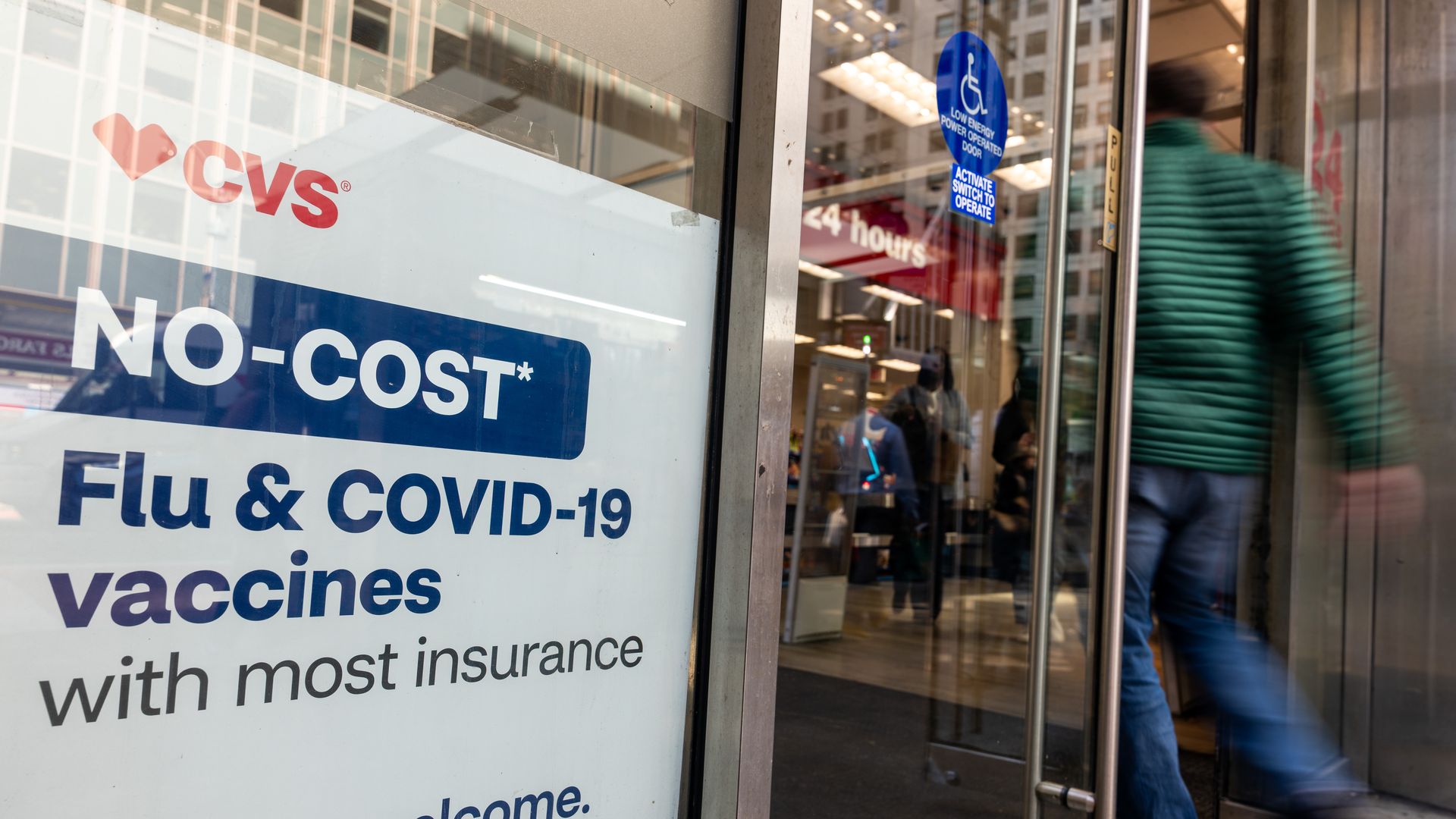
Getting insurers to cover COVID-19 shots for healthy kids and healthy pregnant women could become much harder now that HHS Secretary Robert F. Kennedy Jr. has dropped the CDC's recommendation for those groups.
Why it matters: While most Americans under 65 have stopped seeking out COVID boosters, health experts say the change will erect cost and access hurdles for two groups at greater risk of developing serious complications from the virus.
The big picture: Kennedy began pulling back access to COVID-19 vaccines last week when the FDA began to require drug manufacturers to conduct more studies as a condition for approving updated COVID-19 vaccines for healthy adults under age 65.
- Most doctors and pharmacies would likely still be able to recommend and administer the vaccine off-label to these groups, experts say.
- However, it's very likely insurance coverage will dry up due to the changes Kennedy made to the recommended vaccine schedule on Tuesday.
What they're saying: "Anybody who chooses to use the vaccine who's not in a high risk group is using it off-label, which means that it's unlikely to be covered by insurance," said Paul Offit, director of the Vaccine Education Center at Children's Hospital of Philadelphia.
- A 40-year-old mother with a high-risk child who has leukemia may no longer qualify for coverage, Offit said.
- The insurer trade group AHIP said it was unable to comment on coverage decisions but added it was "reviewing the announcement closely."
It's unclear how much patients would have to pay out of pocket. CDC lists prices for a 10-pack of the vaccine from $58 to $140, but some uninsured patients previously reported pharmacy prices approaching $200.
- Even if insurers continue paying for the vaccine, the Vaccines for Children Program — which funds CDC-recommended vaccines for children in families who don't otherwise have insurance — will likely stop covering the shots, said Richard Besser, CEO of the Robert Wood Johnson Foundation and former acting director of the CDC.
Thanks for reading Axios Vitals, and to senior health care editor Adriel Bettelheim and copy editor Matt Piper. Please ask your friends and colleagues to sign up.