Axios Vitals

May 29, 2025

Hi Vitals gang! Today's newsletter is 944 words or a 3.5-minute read.
🚨 Situational awareness: The government canceled funding for late-stage development of a bird-flu mRNA vaccine that showed positive clinical trial data, Moderna said late Wednesday.
- The company said it's exploring alternative paths forward for the vaccine.
1 big thing: China biotech boom leaves U.S. scrambling

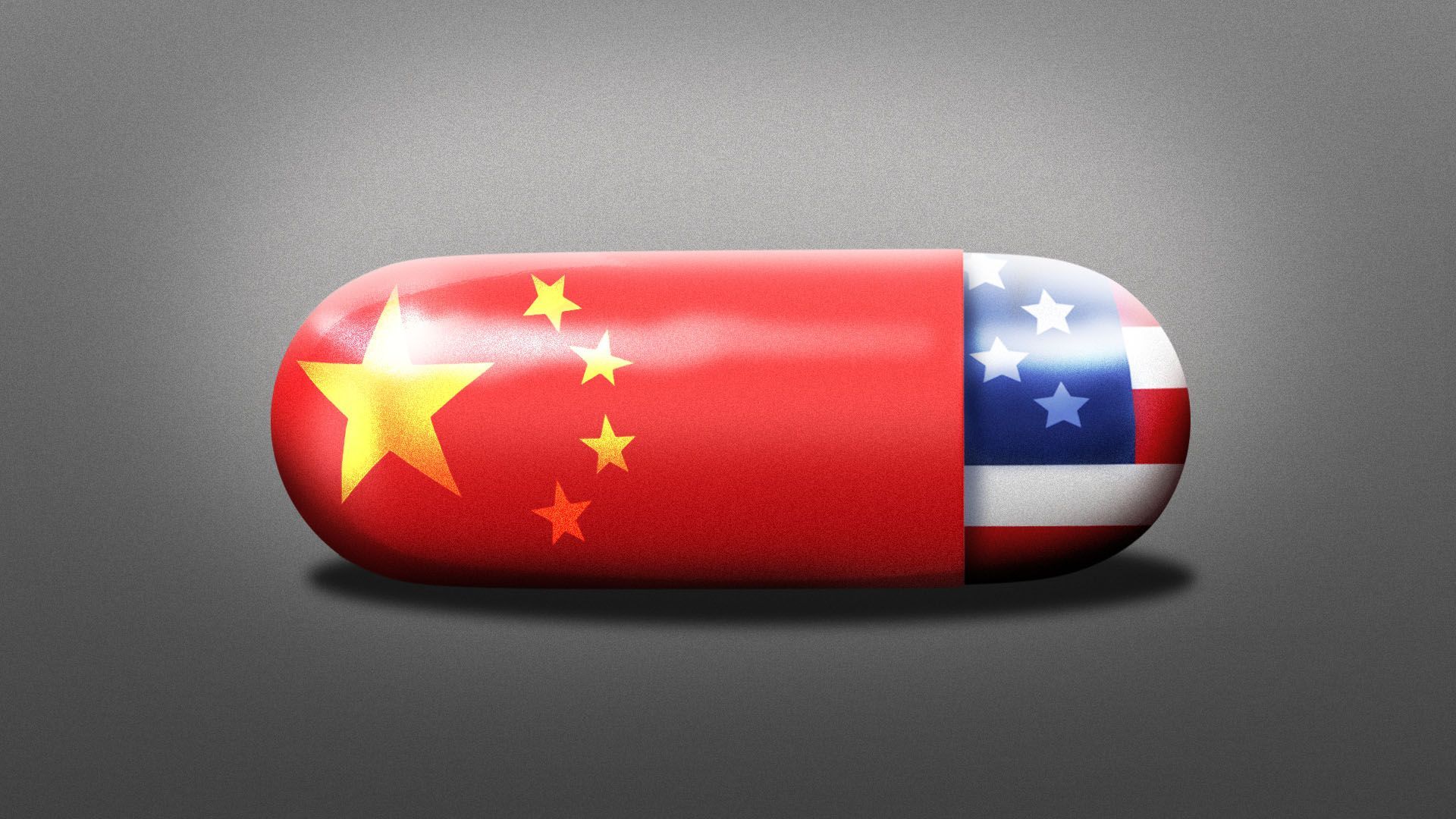
China is now setting the pace in life sciences R&D, conducting more clinical trials than the U.S. and licensing new discoveries to American companies.
The big picture: Beijing has become a linchpin in global drug development, the result of a decade-long national strategy to develop a biopharmaceutical industry.
Where it stands: China has surpassed the U.S. in drug clinical trials, per a report from GlobalData, marking a turning point in the global race to dominate the life sciences.
- An independent, bipartisan commission told Congress last month that China is beating the U.S. in advanced biotech and that policymakers need to pour significant resources into the sector over the next five years to keep up.
- Some experts say the Trump administration's cuts to NIH and university-based biomedical research risk putting the U.S. further behind when it should be supporting work on drugs targeting cancer and other conditions and outbreaks like the avian flu.
By the numbers: In 2024, China listed more than 7,100 clinical trials in the World Health Organization's International Clinical Trials Registry Platform. The U.S. listed about 6,000 trials.
- Beijing and Shanghai had more laboratory and R&D space under construction at the end of 2024 than any other global markets, with Boston in a distant third place, according to an April report from CBRE.
Between the lines: Cheaper labor and less regulation have shifted drug discovery from the U.S. to China. The investment bank Stifel projects 37% of big pharmaceutical companies' licensed molecules will come from China this year.
2. Beijing makes a WHO play, too

China is becoming a top donor country to WHO after promising this month that it'll make a $500 million gift over five years to the group.
Why it matters: President Trump announced in January that he's pulling the United States out of WHO, leaving a power vacuum within the global health consortium that Beijing is trying to fill.
State of play: A Chinese official announced the financial pledge at the World Health Assembly in Geneva, Switzerland, last week, saying it would help fight the impact of "power politics" on global health security, Reuters reported.
- This is the first time the U.S. hasn't attended the assembly. Trump is ending U.S. participation in WHO largely because of how it handled the COVID-19 pandemic and charges that it's beholden to China.
Yes, but: China's donation works out to far less per year than the United States' $481 million contribution to WHO in fiscal year 2023.
Zoom out: HHS Secretary Robert F. Kennedy Jr. announced on social media Tuesday that, together with Argentina, he was exploring an "alternative international health system based on gold-standard science and free from totalitarian impulses, corruption, and political control."
3. Recruiting doctors to hone AI models

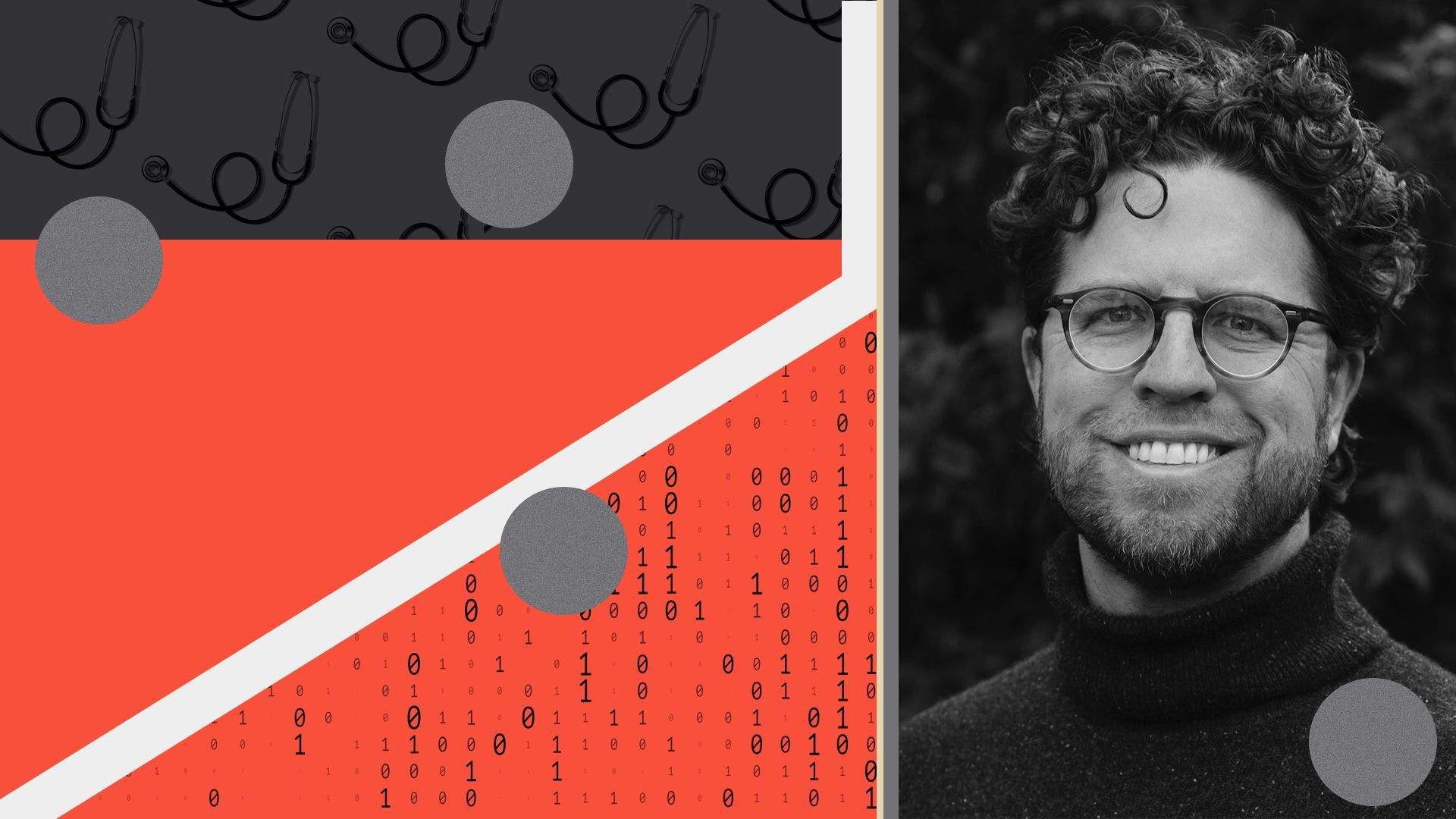
Jay Parkinson spent nearly 20 years creating health tech companies before burning out and abandoning the field. Then, a sea change in AI brought him back.
Why it matters: His new venture, Automate.clinic, recruits doctors to hone AI models for health care at a time when questions are emerging about the tech's ability to provide accurate medical answers, Erin Brodwin wrote first on Axios Pro. Their conversation has been edited for length and clarity:
What made you decide to create Automate.clinic?
While [generative] AI models are great for consumer applications, they're not great for health care. The data they're being trained on is consumer information and electronic health record data, and it doesn't always reflect what happens in the real world.
- So I started to ask: What's the role doctors play in developing these things?
How do you see doctors being involved?
Take AI scribes. When a doctor using it says, "This is a terrible output," we'd plug into that feed, collect those thumbs-down clinical cases, and present those to a doctor on our end to review.
- Then they can determine whether it's a hallucination, a bias, a factual error, and correct it — but also provide clinical reasoning and link to clinical guidelines.
Who are your target customers?
Any AI company building their own model based on their own data.
How do you plan on recruiting and retaining doctors?
If you can combine two things — meaningful and flexible — it gets at something doctors don't want to leave.
If you need smart, quick intel on health tech dealmaking for your job, get Axios Pro.
4. State court halts Missouri abortions
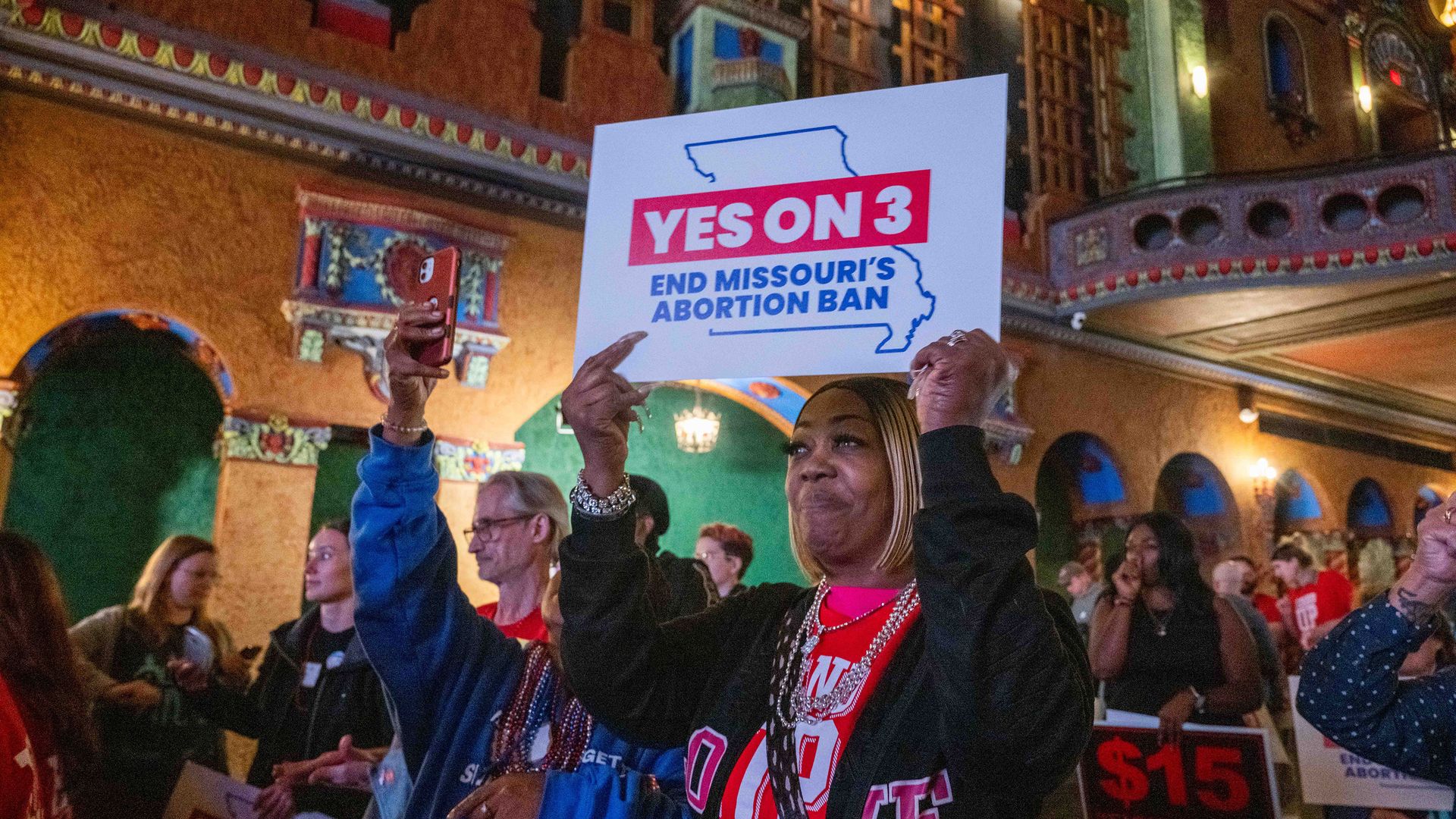
A Missouri Supreme Court decision cut off access to abortions in the state this week, throwing a new twist into the legal battle over a post-Roe ban that voters overturned in November.
The big picture: The state's highest court ordered a judge to vacate a pair of orders that effectively froze enforcement of the near-total ban on the procedure.
- The decision also reinstated restrictions that require patients to wait and obtain counseling before obtaining an abortion, along with safety and cleanliness regulations on abortion providers.
Driving the news: Planned Parenthood officials who operate the state's only abortion clinics said on Tuesday that they were canceling appointments, adding they hoped to be back in court soon, AP reported.
- "To be in that position again, after the people of Missouri voted to ensure abortion access, is frustrating," Emily Wales, president and CEO of Planned Parenthood Great Plains, told the outlet.
- Missouri Attorney General Andrew Bailey said in a statement that the Supreme Court decision reaffirmed the state's ability to enforce health and safety regulations and proved that an abortion-rights constitutional amendment voters passed in November was "a poorly drafted legal disaster."
5. Catch up quick
📖 RFK Jr. said he may bar scientists from publishing in top medical journals. (WaPo)
🔄 How San Francisco is changing its response to drug addiction. (Axios)
🧐 An Arizona county that backed Trump has conflicted feelings about Medicaid cuts. (KFF Health News)
Thanks for reading Axios Vitals, and to senior health care editor Adriel Bettelheim and copy editor Matt Piper. Please ask your friends and colleagues to sign up.