Axios Vitals

May 09, 2025


TGIF! It's Maya and Tina, back for another day of health care news. As promised, we'll be gracing your inboxes on Fridays for the summer. Today's newsletter is 897 words or a 3.5-minute read.
- 🩺 We'd love to meet you in person! Axios' inaugural Future of Health Summit is next Wednesday in Washington, D.C., featuring conversations with Sen. Angela Alsobrooks (D-Md.), GOP Doctors Caucus co-chair Rep. Greg Murphy (R-N.C.), Katie Couric and more. RSVP here.
1 big thing: Pharma's perfect storm
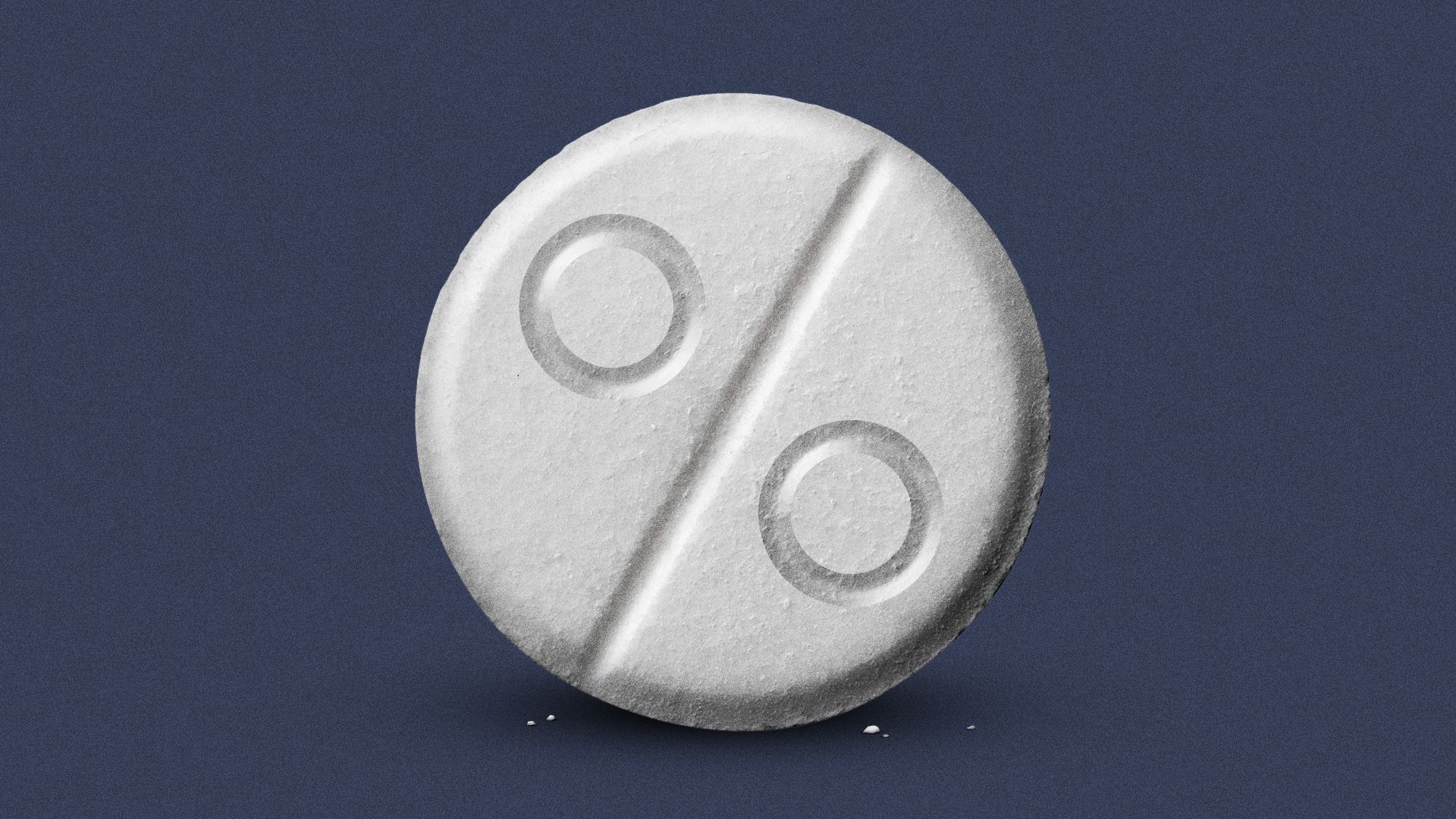
U.S. drugmakers are facing a one-two punch from President Trump: As he appears ready to impose pharmaceutical tariffs, the White House is also revisiting a policy from his first term that would force drugmakers to accept lower prices for prescriptions that are pegged to what's paid abroad.
Why it matters: The pharmaceutical industry estimates it could lose as much as $1 trillion over a decade from just the so-called international reference pricing policy, per Bloomberg. Then, there's anticipated higher costs and supply chain kinks from the new duties.
- Add in HHS Secretary Robert F. Kennedy Jr.'s distrust of the industry and periodic administration statements about Americans being overreliant on medications, and you've got a perfect storm that could eat into pharma's bottom line and, in the most dire predictions, its ability to develop new cures.
State of play: Drugmakers were particularly taken aback by the White House's request that Congress consider tying Medicaid drug prices to the generally lower prices for the same drugs in other countries, most of which have government-run health systems, Axios Pro's Victoria Knight and Peter Sullivan reported this week.
- Trump on Monday is expected to issue a directive to expand the policy to Medicare, per Politico. He attempted to do this in his first term, but drug companies sued and a judge eventually blocked the policy.
- "Government price setting in any form is bad for American patients," Alex Schriver, senior vice president of Public Affairs at PhRMA, said in a statement to Axios on Thursday.
- "At a time when we are facing growing competition from China, policymakers should focus on fixing the flaws in the U.S. system, not importing failed policies from abroad."
Big drugmakers have been lining up this spring to make commitments to "re-shore" manufacturing from abroad and more closely align themselves with the administration's trade policies. Gilead on Wednesday became the latest to pledge it would invest billions of dollars in domestic manufacturing.
- The White House on Thursday touted a who's who of companies who are expanding their domestic footprint — including Eli Lilly, Merck, Bristol Myers Squibb, Roche and Johnson & Johnson — and proclaimed that Trump is bringing drug manufacturing back.
Yes, but: The drugmakers and other health players are quietly making the case that broad tariffs on foreign products could be ruinous.
- In comments to the Commerce Department as part of a national security investigation into pharmaceutical imports, drugmakers, patient advocates, pharmacists and legal experts said broad duties on foreign pharmaceutical ingredients and other medical supplies will only drive up prices and create shortages of certain treatments.
- "Every dollar collected in tariffs would be a dollar less that innovative biopharmaceutical companies are able to invest in U.S. R&D, manufacturing facilities and infrastructure," PhRMA wrote to the Commerce Department.
- The American Cancer Society Cancer Action Network said that imposing tariffs on generic sterile injectables without addressing the underlying economic factors that make their domestic production difficult would only worsen cancer drug shortages.
Instead, PhRMA suggests the U.S. negotiate new trade agreements that strengthen intellectual property protections.
- If the administration moves forward on tariffs, they should be narrowly targeted and slowly implemented, said Premier, a group purchasing organization and health care improvement company.
The intrigue: Trump has made some industry-friendly moves, including signing an executive order this week directing the FDA to make it easier to approve drug manufacturing plants in the U.S.
- Meanwhile, imports from Ireland, a manufacturing hub for Pfizer and Johnson & Johnson, have surged this year ahead of an expected tariff announcement, as Tina reported.
What to watch: Drugmakers are accustomed to playing defense. The industry has been in the hot seat for years now, as policymakers across the Trump and Biden administrations attempted to lower drug prices. It's even fought off some of these same policies before.
- The question is, can they do it again?
Tina Reed contributed
2. Quote du jour
"I've been involved in starting companies and growing companies in this sector for 38 years. It has never been as bad as this at all."
— Flagship Pioneering and Moderna co-founder Noubar Afeyan on prospects for biotech investing, at an Axios event ahead of the Milken Institute Global Conference
3. Pharmacy turbulence continues

Drug manufacturers don't have a monopoly on drama, either. The rest of the drug supply chain had its share of volatility this week:
- All Rite Aid stores will close or be sold to a new owner in the coming months as the struggling Philadelphia-based chain goes through its second Chapter 11 bankruptcy filing, Kelly Tyko and Nathan Bomey reported.
- Rite Aid faced a host of problems after its previous bankruptcy, in 2023, including inventory shortages as vendors played hardball with the company on trade terms. That led to lower sales, especially on front-end OTC products.
2. Michigan Attorney General Dana Nessel sued pharmacy benefit managers Express Scripts and Prime Therapeutics, alleging they engaged in anticompetitive behavior that crippled independent pharmacies and created pharmacy deserts in half of Detroit.
- It's a pattern that's been cited in an other lawsuits against the companies, Fierce Healthcare reported.
3. New research from UC-Berkeley, Johns Hopkins and USC in Health Affairs found retail pharmacies excluded from Medicare Part D networks maintained by PBMs were much likelier to close over the past decade.
- Independent pharmacies and those located in low-income, Black or Latino communities were also more likely to be excluded from "preferred" pharmacy networks, putting them at higher risk of closure, researchers said.
Thanks for reading Axios Vitals, and to senior health care editor Adriel Bettelheim, managing editor Alison Snyder and copy editor Matt Piper. Please ask your friends and colleagues to sign up.
Sign up for Axios Vitals