Axios Vitals

July 25, 2025


TGIF, Vitals crew. Today's newsletter is 973 words or a 3.5-minute read.
1 big thing: Key decisions will shape rural health fund

States next year will begin tapping a $50 billion rural health fund that Congress added to the GOP's tax and spending law. But questions already are swirling about how the money will be allocated — and how much it will benefit rural providers.
Why it matters: The fund aims at helping rural hospitals and providers adjust to sweeping changes in how Medicaid is financed, including limits on provider taxes and state-directed payments. But important details have to be fleshed out, Victoria Knight wrote first on Pro.
What they're saying: Sen. Josh Hawley (R-Mo.), who pushed for the fund as his vote was sought for the megabill, said federal health officials will need to make sure the money "flows to hospitals that need it" and doesn't end up simply "going to states in general to do whatever they want with it."
- "So far, so good. I liked how it was written up," Hawley said. "But we'll want to monitor closely how the agency puts it into effect."
- Sen. Thom Tillis (R-N.C.), who was one of the three GOP "no" votes on the reconciliation bill, told Axios that CMS needs to "make sure it's a fair formula for rural hospitals."
- "I think that that pot of money looks big, but it's not really when you consider some of the economic impacts, mainly from the state-directed payments," Tillis said. "We'll be interested to see how they interpret the law."
How it works: The new law allocates $10 billion annually for the next five years, starting in 2026.
- The law says $25 billion is to be distributed equally among all states that submit a "detailed rural health transformation plan," which could include details on how they would use the funds.
Between the lines: States can apply for the aid only once, by the end of this year. If they estimate wrong, or run into unforeseen problems, they don't get another shot at it.
- CMS administrator Mehmet Oz must approve each state's application by Dec. 31.
- CMS has discretion to distribute the other $25 billion, based on factors such as how much of the state's population is rural and the number of rural health facilities.
- The CMS administrator can also consider other factors deemed appropriate.
Friction point: Some of that flexibility raises questions about how CMS will proceed, said Zach Levinson, director of the KFF Project on Hospital Costs.
- "States will also have discretion on how they distribute funds among hospitals and other providers," Levinson said. "And they maybe will steer some dollars to non-rural areas, pending CMS approval."
- The concern is that some states could be favored over others, or that funding will not go to providers with the greatest needs.
- "There are risks of this becoming a slush fund if it's not carefully attended to and if it's not focused" on actual rural hospitals, said Jackson Hammond, a senior policy analyst at Paragon Health Institute.
Zoom in: Kevin Stansbury, CEO of Lincoln Health Community Hospital in Hugo, Colorado, said he's concerned about the opaqueness of the process and whether that could "make it pretty easy for rural-adjacent organizations to grab this money."
- He's also somewhat uneasy about the state deciding where the funds should go. "With all due respect, the folks that live in Denver don't understand what happens in my community in Hugo," Stansbury said. "So let's make sure we include rural people in making the decisions on how this gets invested."
All the money has to be distributed by 2030 and spent by 2032.
- That also means much of the assistance will have been spent before the provider tax and state-directed payment provisions take effect in 2028.
- The $50 billion sum also is about one-third of the $137 billion in estimated cuts to federal Medicaid spending in rural areas, per a KFF analysis.
- Lisa Hrobsky, senior vice president of federal relations at the American Hospital Association, said the group is urging "an expedient and streamlined application and distribution process" that prioritizes payments to hospitals so they can keep operating.
If you need smart, quick intel on health care policy for your job, get Axios Pro Policy.
2. UnitedHealth Group faces DOJ probes

UnitedHealth Group confirmed yesterday that the federal government has launched criminal and civil investigations around the company's Medicare billing practices.
Why it matters: UnitedHealthcare is the largest Medicare Advantage insurer, covering nearly 10 million seniors as of February.
The latest: UnitedHealth Group said in a securities filing that it was complying with requests from the Justice Department.
- "The Company has full confidence in its practices and is committed to working cooperatively with the Department throughout this process," it said in an accompanying statement.
- The Wall Street Journal first reported about a criminal probe into the company in May.
Follow the money: UnitedHealth's shares fell about 5% yesterday.
Zoom out: It's been a troubled year for the health care conglomerate. Brian Thompson, then CEO of its health insurance division, was shot and killed in December. The event unleashed consumer anger over insurance denials and other difficulties with coverage.
- Andrew Witty, former CEO of the entire company, stepped down in May. The company also announced that its financial performance for the year was not meeting initial expectations.
3. U.S. to burn almost $10M of contraceptives

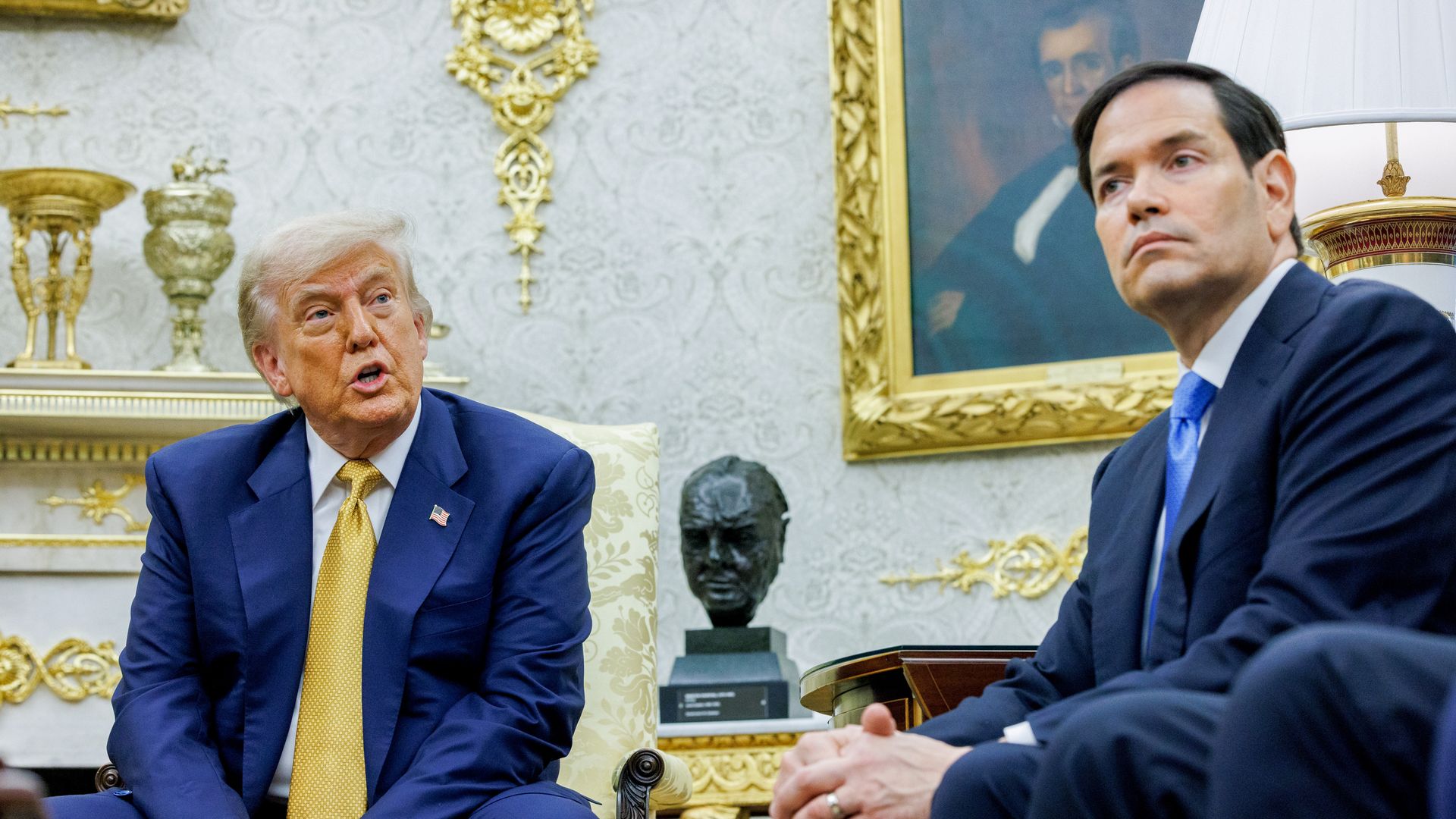
The Trump administration plans to incinerate $9.7 million worth of contraceptives intended for poor nations, after declining offers from the United Nations and reproductive organizations to buy or ship the supplies instead, the State Department confirmed to Axios yesterday.
Why it matters: The move continues the administration's shift away from providing foreign assistance through the Agency for International Development, and its stated opposition to abortion-related family planning methods.
- The supplies set to be destroyed include contraceptive implants, pills, and intrauterine devices, Reuters reported.
- A spokesperson for the State Department cited multiple policies that prohibit the government from providing abortion-related assistance to foreign organizations as rationale for declining to give the supplies away.
Thanks for reading Axios Vitals, and to senior health care editor Adriel Bettelheim and copy editor Matt Piper. Please ask your friends and colleagues to sign up.
Sign up for Axios Vitals