Axios Vitals

December 16, 2024


🗓️ Only 15 days left to spend those FSA dollars, gang. Share creative ideas for using your health care money. Today's newsletter is 1,210 words or a 4.5-minute read.
1 big thing: Polio vax petition may be a harbinger
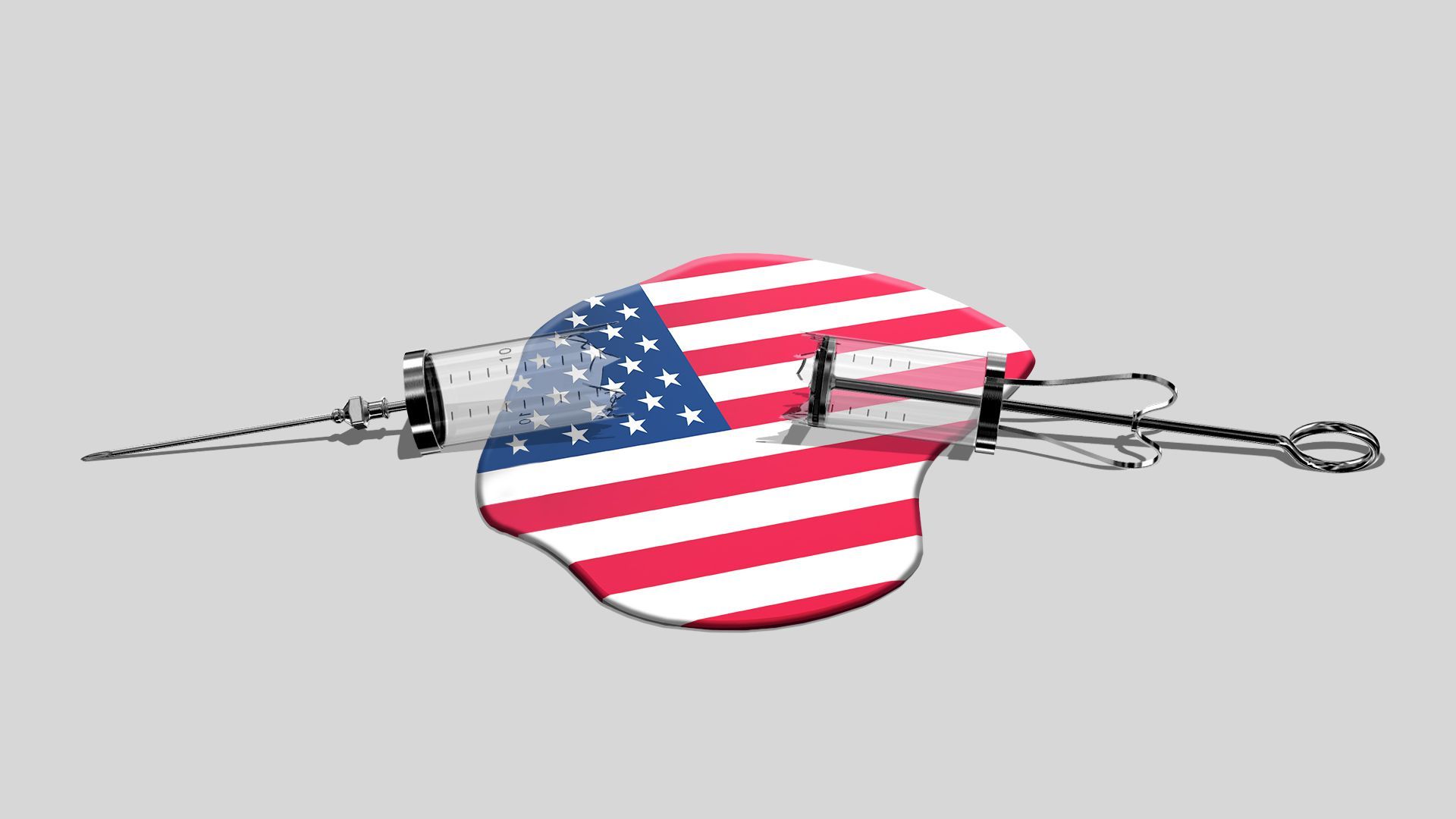
Efforts to revoke FDA approval of the polio vaccine could offer a preview of how vaccine skeptics plan to challenge decades of federal health policy during a second Trump administration, experts say.
Why it matters: By asserting that the agency didn't do enough safety studies, groups like the Informed Consent Action Network are implying that the risks are greater than the benefits, even though vaccines are more thoroughly tracked than virtually any other medical product, the experts say.
Driving the news: The concerns have amped up in recent days following a report that an ally of HHS Secretary-designate Robert F. Kennedy Jr. filed a citizen petition in 2022 to revoke the approval of polio vaccines for infants and children.
- Attorney Aaron Siri has also joined Kennedy in vetting candidates for top health positions, the New York Times reported, citing an unnamed source who witnessed the interactions.
State of play: Siri and others successfully challenged COVID vaccine mandates, sued federal agencies for vaccine approval records and put prominent vaccine scientists through lengthy videotaped depositions, the Times wrote.
- In the case of polio, critics are zeroing in on a vaccine using inactivated, or killed, virus that causes the body to produce its own antibodies against the virus.
The petition asks the FDA to suspend the vaccine's approval for infants and toddlers "until a properly controlled and properly powered double-blind trial of sufficient duration is conducted."
- Public health experts say vaccine skeptics, including Kennedy, have repeatedly questioned the safety and efficacy of the shots while insisting they're not anti-vaccine.
- "There is much more behind this than just rhetoric," Michael Osterholm, director of the Center for Infectious Disease Research and Policy at the University of Minnesota told Axios.
- "They say 'We just want more studies. We're only concerned about vaccine safety.' The real objective to get vaccines off the market," said Angela Rasmussen, a virologist at the University of Saskatchewan.
2. Republicans may be stuck with health reform

Republicans may be unable to avoid taking on major health care reform next year, Caitlin Owens wrote first in Hill Leaders.
Why it matters: Health care isn't high on incoming GOP leaders' lists for what they expect to include next year, sources say.
- But the math makes it very hard to rule out ahead of time, and that could create big political problems for incoming Senate Majority Leader John Thune and House Speaker Mike Johnson.
The big picture: Extending the tax cuts Republicans passed during President-elect Trump's first term is expected to cost more than $4 trillion over 10 years, blowing a hole in the federal budget when national debt has hit record levels.
- One of the first huge decisions leadership will have to make about the tax cuts is how much of the package, if any, is paid for.
- "I think we're going to look for savings wherever we can, and that might include health issues," said Sen. Chuck Grassley (R-Ia.). "There's hardly anything except Social Security and Medicare that can't be on the table."
The biggest savers generally fall into three categories: 1. Health care reforms, 2. Social Security cuts, 3. Tax increases.
- "The second and the third are off-limits," one former GOP Senate staffer said.
- "We have two dozen or more health options for Congress to consider that would reduce overpayments to hospitals, reduce overpayments to insurers, reduce overpayments to states — there's so many inefficiencies in our health sector," said Brian Blase, a former Trump administration official who now leads Paragon Health.
- "If you want to reduce federal spending, the health care entitlement programs are where you have to go," he told us.
Yes, but: It's hard to overemphasize how much many Republicans would love to avoid doing health care reform again after the 2017 Affordable Care Act repeal-replace debacle. That ended in failure when the late Sen. John McCain cast the deciding vote against GOP changes to the ACA.
- "In the Senate, everybody still has scar tissue that's as fresh as if the vote was just held yesterday," the former staffer said.
Understand Congress through Axios Hill Leaders. Sign up here.
3. Private equity's opioids problem


Private equity could have an opioids problem, after years of gobbling up abuse treatment facilities, and policymakers are pushing to understand the scope of its reach.
- Sens. Ed Markey (D-Mass.) and Mike Braun (R-Ind.) — two senators who typically don't see eye-to-eye on much — last week sent letters to nine PE firms seeking information on private equity ownership of methadone clinics.
- The letters to the private equity firms come after earlier letters to their portfolio companies were met with more noise than signal.
Driving the news: Markey and Braun, who's leaving the Senate at year-end to become Indiana's governor, co-sponsored a bipartisan bill that would broaden accessibility to methadone — an opioid itself, but one that's been found to significantly reduce overdose deaths.
- It would allow a subset of U.S. physicians — only around 7,000, including ones already working at methadone clinics — to prescribe methadone that could be picked up at regular pharmacies. This could benefit patients who now must pick up new methadone doses daily.
- But they ran into fierce lobbying opposition from a group called "Program, not a pill" funded by many of the PE-backed clinic operators.
- Now Markey and Braun want to learn more about the profit motives of these clinics.
4. FDA eyes ban on common red dye

The FDA may be close to banning artificial red food dye that's used in many types of processed foods and beverages.
Why it matters: Regulators haven't reviewed one colorant known as Red 40 in more than a decade, but scrutiny of synthetic food dyes has picked up since California approved new restrictions on how they're used in school meals.
- Robert F. Kennedy has also made food additives a cause in his food safety push.
Driving the news: The FDA's deputy commissioner for human foods, Jim Jones, told a Senate hearing this month that the agency could soon move on a request to remove a dye called Red No. 3 that was found to cause cancer in animals in high doses but that's been deemed safe in the amounts used in food, per NPR.
- Lawmakers in 10 other states have introduced red dye bans, according to the Center for Science in the Public Interest.
Jones told the Senate health committee that the agency is taking a second look at some previously approved additives, but that its budget is limited and that it would take years to catch up to other countries, per CBS News.
- He did suggest the agency could be weeks away from moving to ban Red 3.
Thousands of food products, along with cosmetics and medicines, contain Red 40, per CBS.
- Manufacturers say their products are safe and adhere to federal regulations.
5. While you were weekending

⚖️ Texas sued a New York State doctor over mailing abortion pills, in the first test of shield laws to help patients in states with abortion bans. (Axios)
💊 McKinsey & Co. will pay $650 million in a deal with federal prosecutors over its work helping Purdue Pharma boost opioid sales. (Axios)
👉 A UnitedHealthcare cost-cutting campaign targets a growing financial burden for the company: treating thousands of kids with autism. (ProPublica)
🦠 A major overhaul of the scientific naming system for viruses that would add thousands of Latinized names has incensed some virologists. (Science)
Thanks for reading Axios Vitals, and to senior health care editor Adriel Bettelheim, managing editor Alison Snyder and copy editor Matt Piper. Please ask your friends and colleagues to sign up.