Axios Vitals

May 06, 2026



Hello, Wednesday! Today's newsletter is 980 words, a 3.5-minute read.
1 big thing: Doctors' growing deepfakes problem

AI is helping make doctors the unwitting stars of deepfake videos that hawk questionable products or spread misinformation, prompting calls from clinicians for more privacy and transparency laws.
Why it matters: The profusion of AI content on social media platforms could further erode public trust in the medical establishment.
- It could also be used to fuel insurance fraud, steal data and put patients at risk.
Driving the news: The American Medical Association called on federal and state lawmakers last week to close legal gaps and modernize identity protections to address what its CEO John Whyte called a public health and safety crisis.
- The physicians group also wants a crackdown against deepfake creators and rules to force tech platforms to more quickly remove impersonations.
- California has already taken steps like requiring disclosures on AI-generated ads and is debating a measure that would explicitly ban doctor deepfakes.
- Pennsylvania's medical board addressed another form of AI impersonation yesterday, demanding that a tech company cease and desist after one of its chatbots posed as a doctor claiming to have a license to practice medicine in the state.
Physicians say they're increasingly discovering instances in which their identities are used to promote wellness and longevity supplements and unapproved medical devices.
- "It's becoming more mainstream. Everyone knows someone who this has impacted," said Whyte. "It's probably occurring more than we hear because people are embarrassed by it."
- Among the victims: CNN's Sanjay Gupta, who said fakes using his likeness to promote items like a breakthrough Alzheimer's cure have gotten so convincing they've even deceived some acquaintances.
Threat level: Doctors could be sued if patients are harmed taking counterfeit products or following advice the real physician never actually gave, Whyte said.
- The AMA is seeking guidance on how targeted physicians should respond and how malpractice and cyber liability insurance can help.
2. RFK Jr. sets sights on unseating Cassidy

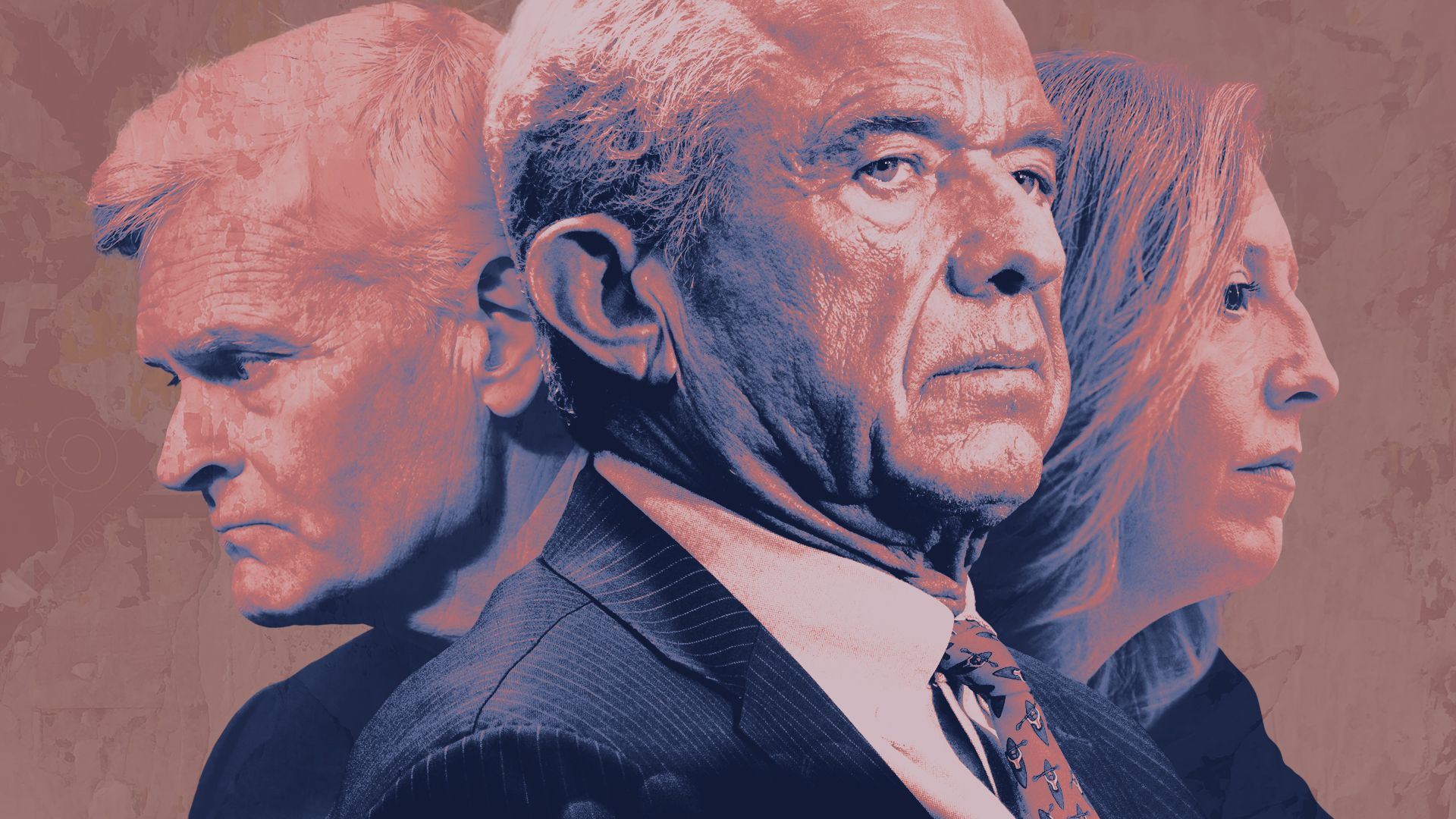
Health Secretary Robert F. Kennedy Jr. and his "Make America Healthy Again" movement are out for payback, setting their sights on unseating Senate health committee Chair Bill Cassidy in next week's Louisiana Republican primary.
Why it matters: Kennedy and his supporters view the physician-turned-senator as an avatar for the medical establishment they're determined to upend.
The big picture: Cassidy has been openly skeptical of Kennedy's bid to revamp health policy.
- After providing a pivotal vote to confirm Kennedy, Cassidy has pushed back on efforts to scale back vaccine recommendations and to reshape the CDC.
- He has also challenged Kennedy's claims that environmental toxins are a major driver of chronic disease.
The most recent flareup came last week, when Cassidy helped torpedo surgeon general nominee Casey Means, a close Kennedy ally and a major figure in the MAHA movement. She is also the sister of top Kennedy adviser Calley Means.
After her nomination was scuttled, Kennedy offered up his sharpest criticism of Cassidy yet, saying the senator "once again did the dirty work for entrenched interests seeking to stall the MAHA movement and protect the ... status quo."
- Calley Means predicted on X that Cassidy would "lose his re-election and immediately work for the pharmaceutical industry who funded his political career."
What they're saying: "The gloves are off," one person familiar with Kennedy's thinking tells Axios.
3. 1 big number: What MAHA wants
Voters who identify with the MAHA movement are a lot like the population at large when it comes to financial worries, according to a new KFF tracking poll out today.
- 42% say lowering health costs is the most important thing the government should address — well ahead of other issues more closely associated with the movement, like restricting the use of additives in food or reevaluating vaccine safety.
By the numbers: At least half of MAHA voters also say that the cost of health care will have a "major impact" on their decision to vote (51%) and which party's candidate they will support (56%) in the midterms.
- That's more than say the same about vaccine policy (36% say it will influence their decision to vote, 40% say it will factor in who they support) or food safety (43% and 45%, respectively).
The intrigue: Fewer than one-third of MAHA voters "strongly approve" of the Trump administration on food policy (32%) and vaccine policy (29%) and of Kennedy's job performance (32%).
4. Employers eye new controls on GLP-1 use

Spiking demand for GLP-1 weight-loss drugs is prompting employers to take extra steps to ensure they're used appropriately, including requiring their workers to participate in a weight-management program to receive coverage.
Why it matters: Double-digit health cost increases are forcing more difficult choices for workplace plan sponsors balancing costs and care.
Driving the news: While most employers cover GLP-1s for diabetes, about two-thirds (67%) also cover them for weight management, according to a new survey from the Business Group on Health.
- But just 72% said they were likely to continue that coverage in 2027, and 10% said they likely would not.
- An overwhelming majority think the availability of GLP-1 pills will result in higher overall demand for the drugs, and only 9% of employers expect a decrease in price.
- That's leading to more controls to ensure appropriate use. Options include confirming an employee's eligibility through biometric data, limiting prescribing to specific providers and requiring enrollment in weight-management programs.
Most employers (83%) use the same cost-sharing arrangement as they do for other drugs, according to the survey, which was done in February and March.
5. Catch up quick
🚫 The FDA blocked publication of studies showing COVID and shingles vaccines were safe, and serious side effects very rare. (NYT)
💨 For the first time, the FDA authorized a non-tobacco-flavored vaping product, following reported pressure from President Trump. (Reuters)
💰 State lawmakers are eyeing loans and other forms of financial aid to distressed hospitals amid federal Medicaid cuts. (KFF Health News)
Thanks for reading Axios Vitals, and to editors Adriel Bettelheim and David Nather and copy editor Matt Piper. Please ask your friends and colleagues to sign up.
Sign up for Axios Vitals