Axios Vitals

June 29, 2026



Welcome back. Today's newsletter is 885 words, a 3.5-minute read.
1 big thing: Medicare pushes end-of-life discussions

The Trump administration wants to formalize the process for recording whether Medicare patients want to be kept alive if they become incapacitated.
Why it matters: Health providers have been required to ask about living wills and other "advance directives" since the early 1990s. But the questions are often skipped — or become a box-check in the admissions process.
- Only about a third of U.S. adults have documented their end-of-life care wishes. More consultations could reduce costly life-extending treatments that patients don't really want.
Driving the news: The administration is proposing that hospitals begin reporting adult patients' preferences for end-of-life care in electronic health records starting in 2028.
- The records would be added to a menu of quality metrics that could affect Medicare reimbursements starting in 2030. Hospitals can choose from the menu options but have to report a set number or see their payments cut.
- The requirement covers "do not resuscitate" orders, durable power of attorney for health care or requests for life-sustaining care. Proof of a discussion about such options would also count for a positive score.
CMS says the quality measure would prod providers and patients to confront sensitive decisions about medical intervention.
- "[T]he goal of this measure is to establish advance care planning as a normalized, routine part of care regardless of health status and age," CMS wrote in its proposal.
- Medicare has paid clinicians for having advance care planning conversations with patients since 2016, but only about 5% billed for them in 2021, per CMS.
The intrigue: Advocates have discussed ways to increase advance care planning for years. But they say CMS administrator Mehmet Oz was instrumental in pushing the proposal forward.
Yes, but: Some providers warn that typical advance care planning doesn't actually prepare patients to navigate gray areas, or how care preferences change over time.
2. Senior care providers shaken by SCOTUS ruling


Nursing homes and other senior care providers are predicting a new staffing crunch and service cutbacks in the wake of last week's Supreme Court decision to terminate temporary protected status for Haitian and Syrian immigrants.
Why it matters: Individuals who in some communities represent 8% or more of the staff and caregiving workforce could quickly lose their jobs, with no replacements at the ready, provider groups say.
- The Haitian TPS workforce includes an estimated 13,000 nursing assistants and 8,000 caregivers, according to Americans for Immigrant Justice.
State of play: Providers face the prospect of limiting nursing home admissions, closing units or turning away requests for home care until vacant jobs are filled, according to LeadingAge, which represents providers of aging services.
- Some providers and immigrant advocacy groups are urging the Senate to take up a House-passed Haiti TPS extension that would provide three years of protection and work authorization to more than 300,000 Haitian nationals.
Context: The ruling came just as staffing levels at nursing and residential care facilities were returning to pre-pandemic levels.
- The long-term care sector has been buffeted by the administration's immigration crackdown, with some facilities forced to close units for lack of staff.
3. HHS moves to develop new Ebola therapies

The U.S. is working to develop a vaccine that targets the Ebola strain in the Democratic Republic of the Congo and Uganda while it sends an experimental antibody treatment to help contain the outbreak.
Why it matters: There are no FDA-approved vaccines or therapeutics for the Bundibugyo ebolavirus that spawned the current emergency.
- Humanitarian and global health groups have been urging the administration to provide the MBP134 "cocktail" that the Biomedical Advanced Research and Development Authority helped develop from antibodies taken from a survivor of the 2014 West Africa Ebola outbreak.
Driving the news: BARDA said it's soliciting proposals for a new vaccine that would leverage the same technology as Merck's Ervebo, the first FDA-licensed vaccine for Ebola, which targets the separate Zaire strain.
- BARDA is also coordinating with global partners, including the Coalition for Epidemic Preparedness Innovations, to assess additional vaccine candidates.
In the meantime, HHS is supporting the transfer of investigational doses of MBP134 for compassionate use in the DRC and Uganda and sending doses to the University of Oxford for use in a clinical trial evaluating the safety and effectiveness of the therapy against Bundibugyo ebolavirus.
- BARDA also stockpiled 2,500 rapid diagnostic tests that can detect multiple Ebola strains for potential deployment in Africa.
4. Quote du jour
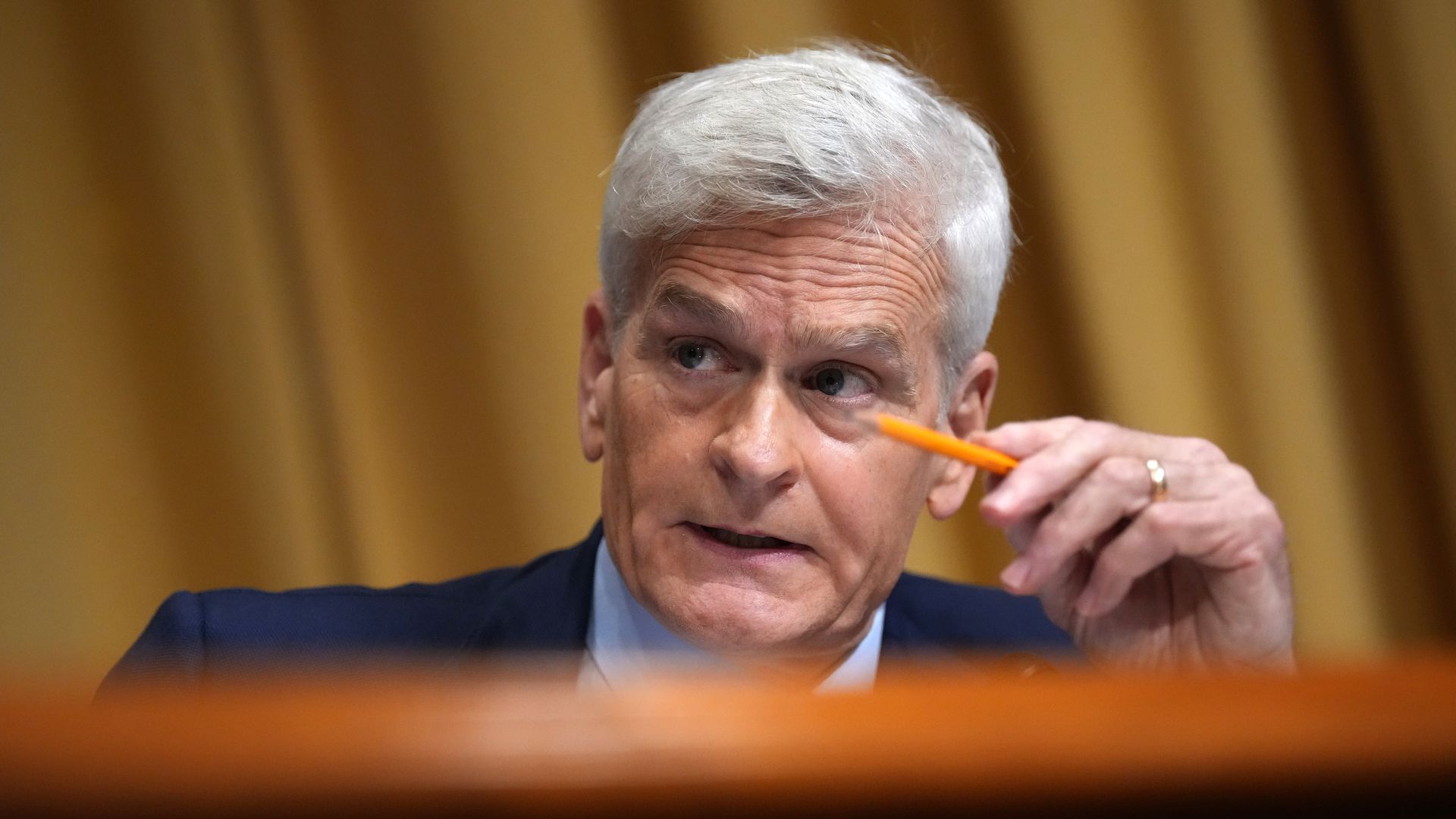
"Bobby felt like, I don't know, vaccines were dangerous, and so he wasn't going to do it. Rubio, taking it back, I think, shows that there's a recognition that soft power is important."— Senate health committee Chair Bill Cassidy (R-La.) on CBS "Face the Nation" yesterday about the resumption of U.S. funding for a global vaccines alliance, referring to Health Secretary Robert F. Kennedy Jr. and Secretary of State Marco Rubio.
5. While you were weekending

💉 A new charter for a federal advisory panel could allow Health Secretary Robert F. Kennedy Jr. to further restrict vaccine access, critics say. (CIDRAP)
⚖️ A federal judge halted part of an administration rule that would have limited student loans for nursing students and other professions. (WashPost)
📉 4 million Americans dropped out of Obamacare marketplaces in their first month of coverage this year, largely for failing to pay premiums. (Notus)
Thanks for reading Axios Vitals, and to editors Adriel Bettelheim and David Nather and copy editor Matt Piper. Please ask your friends and colleagues to sign up.
Sign up for Axios Vitals