Axios Vitals

May 20, 2024

🏃 Off and running, again. Today's newsletter is 962 words or a 3.5-minute read.
1 big thing: Weed research's uncertain future

Marijuana could get easier to study following the Biden administration's move to reclassify it as a less dangerous drug, but scientists say research barriers won't entirely disappear.
Why it matters: Even as most Americans live in states that have legalized marijuana, stringent federal requirements have limited research on its uses and effects.
- Those who've been studying the drug for years say marijuana's reclassification could jumpstart investment and research, but ongoing regulatory and infrastructure hurdles may temper research interest.
- Traci Toomey, director of University of Minnesota's Cannabis Research Center, said the initial expectation is: "Maybe some doors will open, but I don't think it's going to be wide open."
The big picture: Researchers say some aspects of their work certainly won't be as difficult if the federal government finalizes marijuana rescheduling.
- It will be easier to obtain federal research licenses, and researchers won't need to acquire expensive, high-security facilities for storing marijuana.
- The Drug Enforcement Administration would also no longer set quotas on how much of the drug could be produced for research.
Yes, but: One big unknown is how FDA rules will affect marijuana research.
- Schedule III drugs are usually FDA-approved, but the agency hasn't yet approved marijuana as a treatment for any medical condition.
- FDA rules meant to ensure that marijuana used in research remains stable and is free of contaminants like heavy metals or pesticides can also be quite burdensome, said Ziva Cooper, director of the UCLA Center for Cannabis and Cannabinoids.
- "This is a real hang-up with the work that we do that won't necessarily go away with the Schedule III status," Cooper said.
Additionally, rescheduling won't immediately expand the limited number of federally approved facilities where researchers can obtain marijuana.
2. Demystifying drug ads

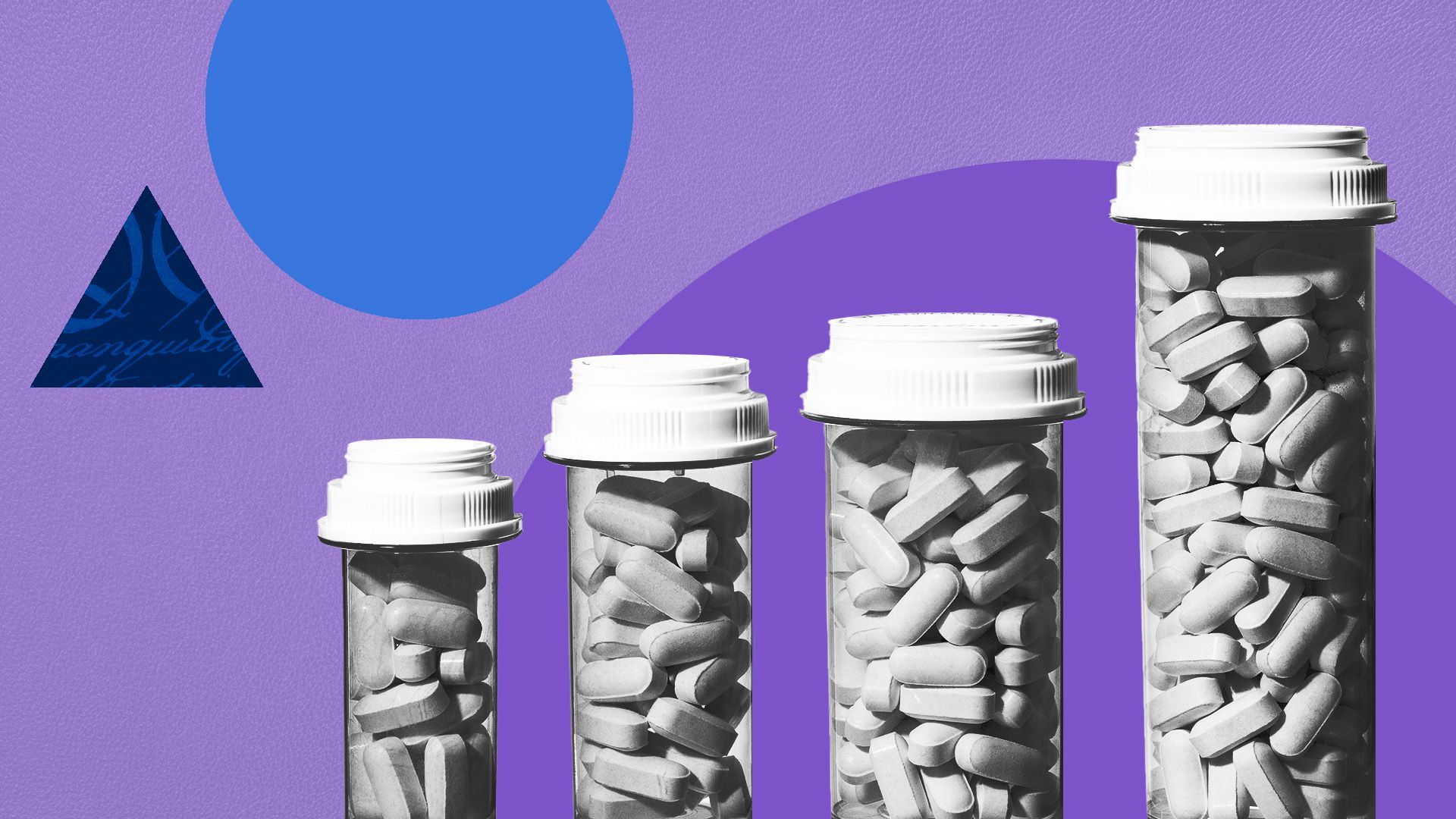
A new chapter in drug advertising begins today as a federal transparency rule takes effect requiring commercials to clearly spell out potential side effects and when a person should avoid the medicine.
Why it matters: The effort, more than a decade in the making, could demystify those rapid-fire disclaimers at the end of TV and radio ads through steps like simultaneous text that is displayed long enough to be read easily.
- It marks a major update of a 2007 law that expanded the FDA's authority in areas including advertising — a multibillion-dollar business for U.S. prescription drugs.
- The agency proposed updating its standards in 2010 but didn't finalize new guardrails until last November.
Driving the news: The rule lays out five standards for direct-to-consumer ads to be more upfront about possible pitfalls, including a requirement that the information be presented in "consumer-friendly language and terminology that is readily understandable."
- The "major statement" of an ad, where the known risks are enumerated, also has to be clear and conspicuous, by limiting distracting audio or visual elements, like a person dancing to an upbeat song.
Yes, but: The new rule doesn't address the flood of potentially misleading social media content promoting prescription drugs, including new weight-loss treatments like Wegovy, that's prompted calls in Congress for updated enforcement.
- DTC promotions exploded during the pandemic, exposing the shortcomings of marketing standards developed when the only businesses that advertised were drug companies, and the main outlets were print and broadcast media, per Johns Hopkins' Bloomberg School of Public Health.
3. Quote du jour: Lessons from a surprise bill
"If I, with my knowledge, expertise, and connections, struggle to navigate the U.S. healthcare system, the average American doesn't stand a chance."— Former Surgeon General Jerome Adams writing in MedPage Today on his medical bill that went viral
It was little surprise that Adams, who was the nation's doctor during the Trump administration, got a good amount of attention a few months ago when he shared the details of an unexpected $10,000 bill for basic dehydration care in the ER.
- In an essay with new details about the encounter, he said his insurer negotiated down the cost to about half — but he was on the hook for most of it because of his high-deductible plan.
- Among his takeaways: Surprise billing laws need to be strengthened to protect patients, providers must be upfront about charges as much as possible, and educational campaigns are needed to inform patients about high-deductible plans and health savings accounts.
4. The state piloting diaper delivery

Delaware will test a Medicaid program allowing delivery of meals and diapers to postpartum enrollees for three months after giving birth.
The big picture: The pilot program approved by CMS on Friday is the latest effort to expand coverage of social supports aimed at improving beneficiaries' health.
How it works: Low-income postpartum enrollees in Delaware can get coverage for two home-delivered mails daily, up to 80 diapers per week and up to one pack of baby wipes.
- Medicaid typically may allow for coverage of diapers when there's medical need related to incontinence issues.
- CMS said expanding this coverage more broadly will reduce health care use and improve infant health, notably by reducing diaper rash and urinary tract infections.
- CMS said it will also help parents' health by cutting down on their stress.
Zoom in: In its application to CMS, Delaware noted that an earlier version of the program piloted with just state funds helped address maternal and infant health disparities.
- More than 40% of deliveries were to "high risk" zip codes, and 57% of enrollees who received deliveries were Black or Hispanic.
5. While you were weekending

🩺 Race-neutral guidelines for assessing lung health will likely have major socioeconomic effects beyond improving medical care for Black patients, a study finds. (Reuters)
🏛️ Maryland failed to inspect nursing homes or address a backlog of complaints, alleges a new class-action lawsuit from disabled residents. (Washington Post)
🏥 Some of the U.S. doctors stuck in a Gaza hospital last week decided to stay. (Wall Street Journal)
🧴 Why Americans don't have better-quality sunscreens available in other countries like France and Japan. (KFF Health News)
Thanks for reading Axios Vitals, and to health care editor Jason Millman and copy editor Matt Piper. Please ask your friends and colleagues to sign up.