Axios Vitals

February 03, 2026



Happy Tuesday! Today's newsletter is 934 words, a 3.5-minute read.
1 big thing: Trump drug price deals still a mystery

The Trump administration is facing new pressure to disclose details about its confidential pricing agreements with big drug companies and whether they meaningfully lower costs for patients.
Why it matters: President Trump has touted the "most favored nation" drug pricing deals as one of his signature accomplishments, but most of the details have been kept under wraps, including how the new prices are calculated.
Driving the news: The advocacy group Public Citizen filed a Freedom of Information Act suit last week, seeking the text of the deals the administration struck with Eli Lilly and Pfizer.
- Congressional Democrats also wrote to Pfizer, Eli Lilly, AstraZeneca and Novo Nordisk in December asking for details of their respective agreements.
- The agreements were touted in high-profile Oval Office ceremonies as a step toward lowering U.S. drug prices and aligning them with what's paid in other developed countries.
- But questions remain about basic matters like what exactly the companies agreed to.
The administration is "shaking hands with pharma CEOs and telling us they fixed drug pricing and then not disclosing any text," said Peter Maybarduk, access to medicines director at Public Citizen. "It makes it hard to believe, makes it hard to understand, makes it hard to assess."
- An administration official said: "Because the drug pricing agreements contain confidential, proprietary and commercially sensitive information, they will not be released publicly."
- None of the four companies provided more details when asked about the agreements.
Between the lines: The deals would for the most part not lower existing drug prices for a huge segment of the public that gets coverage through Medicare or workplace insurance.
- Instead, the most-favored nation prices would apply to Medicaid. One unanswered question is how much lower would those prices be, since drugmakers already are required to have low prices for Medicaid.
2. Thousands at HHS furloughed by shutdown

The partial government shutdown triggered furloughs for more than 23,000 HHS staff and halted CDC public health communications, admissions to NIH's clinical center and other "non-exempt" department activities.
Why it matters: While the scope of this shutdown is smaller than that of last fall's, it's hitting key federal health functions because the congressional spending bill covering HHS is part of the package stalled by the fight over ICE and Customs and Border Protection reforms.
State of play: A contingency plan that took effect when funding lapsed at midnight Friday called for the furloughing of 31% of HHS staff, or 23,128 employees. Many shutdown actions were underway by Monday morning.
- Another 51,082 staff are being retained, including those with the FDA and the Indian Health Service, which already received fiscal 2026 funding through different spending bills.
- Payments from Medicare and other mandatory health programs won't be affected, but benefit verification and card issuance will stop, according to the Committee for a Responsible Federal Budget.
- Non-exempt activities that have been curtailed include oversight of extramural research contracts and grants, processing FOIA requests or public inquiries, data collection and analysis.
What's ahead: The House today is due to vote on ending the shutdown, with Speaker Mike Johnson trying to put down internal GOP tensions after the deadly immigration crackdown in Minnesota scrambled appropriations talks.
3. 1 big number: Patients with chronic illness

Nearly 6 in 10 commercially insured patients had at least one chronic condition in 2024, with many having "clusters" of diseases like hypertension, diabetes and obesity, a new FAIR Health analysis of claim records finds.
Why it matters: Pre-existing conditions drive up health spending: The average amount a health plan allowed to treat a patient with one chronic condition ($3,039) was nearly double the amount for someone with none ($1,590).
By the numbers: High cholesterol was the most common condition in the commercially insured population, with a prevalence of 21.2%.
- 57.5% of insured patients had at least one chronic condition, while 11.5% had two and 9.1% had three.
- Lung cancer had the highest average allowed amount per year ($22,740) and ADHD the lowest ($4,175).
- People with lower household incomes were likelier to have more chronic diseases — particularly in the Southeast.
4. Arizona weighs ivermectin with no prescription


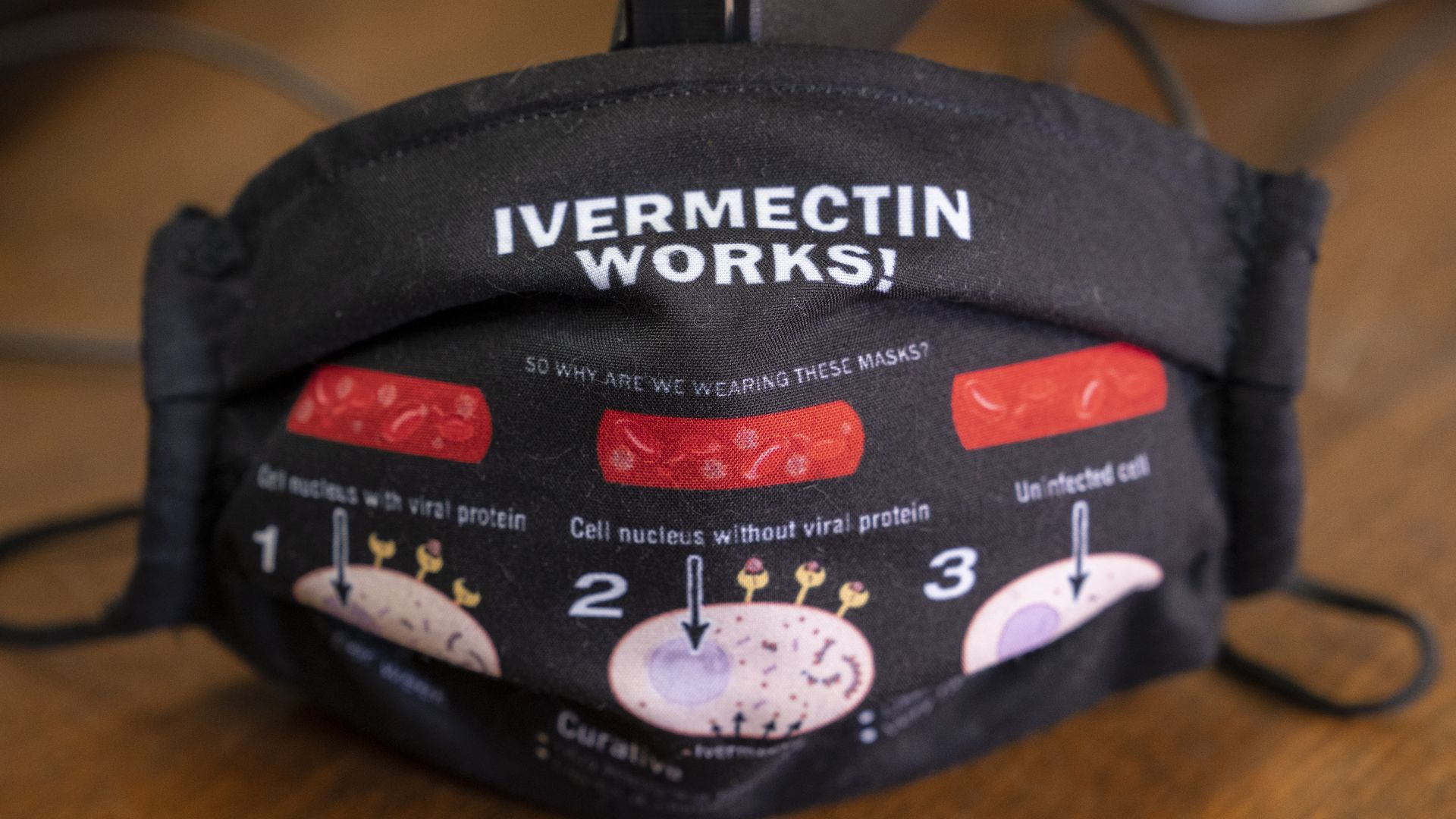
Republicans in Arizona and nationwide are trying to make it easier to get ivermectin, the controversial anti-parasitic drug widely used to treat livestock but embraced by some as a COVID treatment during the pandemic.
Why it matters: Ivermectin was promoted largely by conservatives as a "miracle" drug, despite multiple medical studies that found it isn't effective at treating viruses and repeated warnings from medical authorities about taking it for unapproved uses.
- The drug is approved for human use to treat parasitic worms and conditions such as head lice and rosacea, per the FDA.
State of play: Arizona state Rep. Nick Kupper (R) sponsored a bill to make ivermectin that's formulated for human use available over the counter without a prescription or medical consultation.
The intrigue: Kupper told the local TV outlet Arizona's Family that he introduced the bill in response to constituent interest in the drug, and he dismissed health concerns.
The other side: Doctors and toxicologists, including the American Medical Association, American Pharmacists Association and American Society of Health-System Pharmacists, have widely cautioned against ivermectin use.
5. Catch up quick
🧑🏻💻 Telehealth flexibilities in Medicare and waivers for acute hospital-at-home care lapsed as the government entered a partial shutdown. (Healthcare Dive)
🏗️ The FDA launched a pilot program aimed at simplifying the build-out of new domestic drug manufacturing plants. (Fierce Pharma)
🌆 HHS will devote $100 million toward a program addressing homelessness and substance abuse in eight cities. (AP)
Thanks for reading Axios Vitals, and to editors Adriel Bettelheim and David Nather and copy editor Matt Piper. Please ask your friends and colleagues to sign up.
Sign up for Axios Vitals