Axios Vitals

May 27, 2026


Good Wednesday morning. Today's newsletter is 816 words, a 3-minute read.
1 big thing: Why more kids are dropping off Medicaid

Large numbers of children are dropping off the Medicaid rolls, even though the sweeping changes Congress made to the program last summer didn't target kids' eligibility.
Why it matters: The trend indicates that new Medicaid work rules and nearly $1 trillion in cuts to federal program spending are having spillover effects before they're broadly implemented.
- Millions fewer insured kids could tax health systems that are themselves grappling with Medicaid cuts.
State of play: About 1.75 million fewer kids were enrolled in Medicaid this January than at the start of the Trump administration, according to the most recent federal data.
- More recent state data tracked by the Georgetown Center for Children and Families shows that figure continuing to grow, said the center's executive director, Joan Alker.
- Some children's hospitals are seeing an uptick in uninsured patients, said Aimee Ossman, vice president of policy at the Children's Hospital Association, though she noted most children remain eligible for Medicaid.
Zoom in: There are multiple factors contributing to falling child enrollment, including confusion around the impending work rules Congress enacted in last year's GOP budget law and the Trump administration's immigration crackdown that's discouraging some from enrolling their kids, Alker said.
- Kids qualify for Medicaid and its sister program, CHIP, at higher income thresholds than their parents, but that's often not communicated clearly to parents.
- States are required to keep kids enrolled in Medicaid or CHIP for 12 months at a time. But paperwork verification remains difficult for some families, and Florida is continuing to remove kids whose families don't pay monthly premiums from CHIP.
While the uninsured rate since the start of 2025 hasn't been released, historic trends show that kids who lose Medicaid coverage tend not to get enrolled in other health insurance.
2. Lilly strikes vaccine deals worth nearly $4B

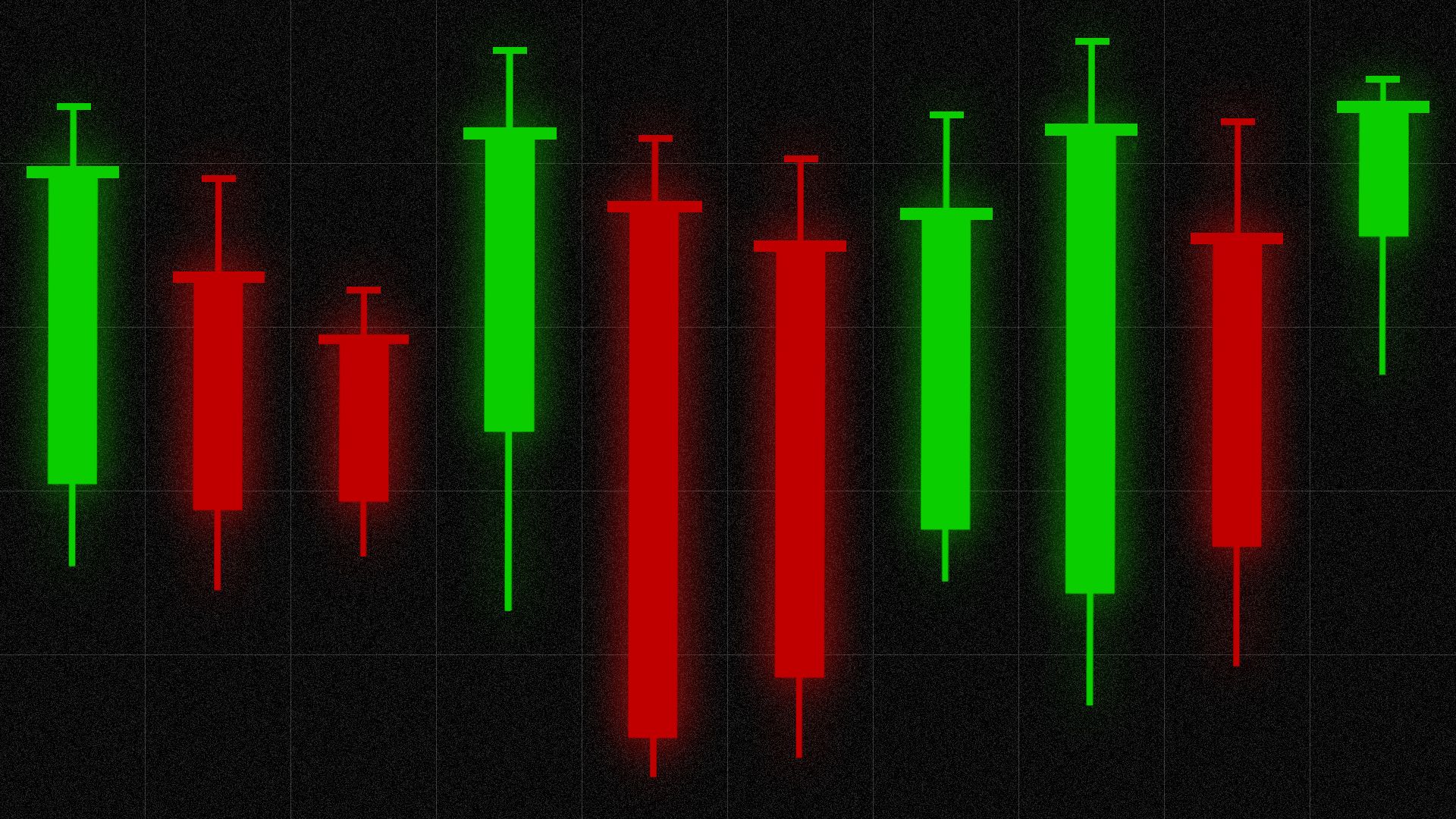
Eli Lilly yesterday agreed to pay up to $3.8 billion in cash to buy three vaccine developers: Curevo, LimmaTech, and Vaccine Co.
Why it matters: The Indianapolis drug giant's riches from weight-loss drug sales are being repurposed to prevent infections.
- The company reached a market valuation of $1 trillion late last year, joining an elite group of companies dominated by tech behemoths.
Zoom in: Lilly will pay up to $1.5 billion for Curevo, a Bothell, Washington-based developer of a shingles vaccine.
- It will pay up to $780 million for LimmaTech, a Swiss firm focused on bacterial pathogens like Staphylococcus aureus.
- It will pay up to $1.55 billion for Vaccine Co., which is developing a vaccine for Epstein-Barr virus.
The big picture: Lilly, which was the first company to distribute the polio vaccine, looks to be diving back into infectious diseases.
- The company in October hired former top FDA vaccine regulator Peter Marks to lead its infectious disease work.
- "Strategically, the trio of acquisitions is consistent with the Marks hire and signals Lilly's intent to be a vaccine innovator," Leerink analyst David Risinger wrote in a note.
What we're watching: How vaccine developers fare at the FDA, which has shaken up oversight and guidelines for some shots under Health Secretary Robert F. Kennedy Jr.
3. VA launches psychedelics trial

The VA yesterday said it's launching a new clinical trial to evaluate the safety and effectiveness of MDMA-assisted therapy for conditions including post-traumatic stress disorder and alcohol use disorder in veterans.
Why it matters: The trial fulfills part of President Trump's recent federal green light on psychedelics research and comes after regulators in 2024 declined to approve MDMA for treating PTSD.
- The FDA also recently granted expedited reviews for three companies studying psychedelic treatment for mental health.
Driving the news: The VA said it will enroll about 80 veterans in the trial at a health center in Providence, Rhode Island, and compare outcomes between those receiving MDMA-assisted therapy and those receiving psychotherapy with a placebo.
- Officials said they'll consider clinical use of other psychedelics like psilocybin and LSD if the FDA approves treatments.
- The department said it "strongly discourages" self-medicating or attempting to replace other mental health treatment options with psychedelics or any other unprescribed substances.
Catch up quick: Veterans have emerged as a leading group campaigning to take psychedelic therapy mainstream.
- Substances like ibogaine, psilocybin, MDMA and LSD remain Schedule I substances, meaning they are not currently accepted for medical use and carry a high abuse potential.
4. Catch up quick
🩺 Trump said this about his physical yesterday at Walter Reed National Military Medical Center: "Everything checked out PERFECTLY." The White House didn't provide a follow-up report from the president's physician.
🦠 The administration is expected to set up a quarantine facility in Kenya for Americans exposed to or at high risk of testing positive for Ebola. (WSJ)
😷 The CDC also is seeking volunteers from its workforce to help screen for Ebola at U.S. airports. (Bloomberg)
Thanks for reading Axios Vitals, and to editors Adriel Bettelheim and David Nather and copy editor Matt Piper. Please ask your friends and colleagues to sign up.
Sign up for Axios Vitals