Axios Vitals

April 04, 2024

Happy Thursday. Today's newsletter is 1,042 words or a 4-minute read.
1 big thing: MA battle intensifies
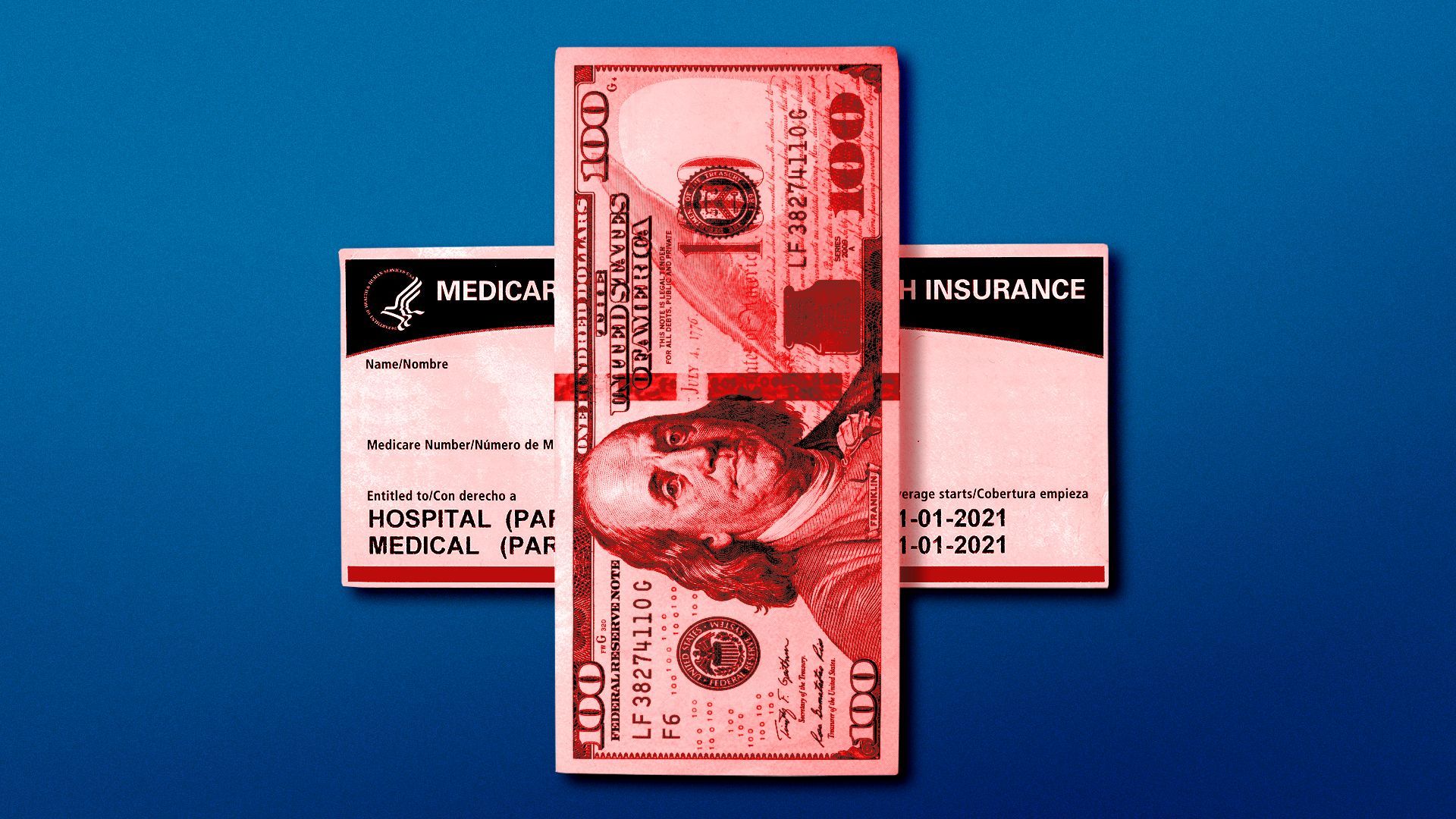
Illustration: Annelise Capossela/Axios
Tensions between hospitals and Medicare Advantage insurers are poised to keep growing as the program gets larger and the federal government takes a harder line on health plans, Axios' Caitlin Owens writes.
Why it matters: How hospitals and insurers respond to financial threats could ultimately affect the care received by more than half of seniors now enrolled in the program.
- Some providers have already taken the extraordinary step of terminating their contracts with MA plans, and survey data suggests many more are considering doing so in the near future.
State of play: Hospitals have been sounding the alarm about an uptick in MA plans denying claims, paying less than what providers bill for, and taking too long to review requests to authorize care, which they say is wreaking havoc on revenue streams.
- At the same time, insurers say their costs are going up as seniors use more care.
- The Biden administration has taken an increasingly tough stance on MA, which experts have long said is overpaid compared with the traditional program.
- To maintain profitability, analysts say, plans will have to either extract higher payment rates from the government, find ways to pay for less care, drive harder bargains in negotiations with providers, contract with fewer providers or reduce benefits offered to enrollees.
The big picture: The conflict has been long-simmering.
- The aging of the U.S. population has meant that more and more Americans are covered by Medicare, which pays providers a lot less than commercial insurance does, even when administered by private insurers.
- And while insurers have experienced years of growth into new markets, that era of expansion is largely over, said Raymond James analyst Chris Meekins.
- "Now we're not having as much of a conversation about making the pie bigger," Meekins said. "We're talking about how the pie gets divvied up."
2. FDA OKs first AI tool for sepsis prediction

Illustration: Natalie Peeples/Axios
The first AI-powered tool for diagnosing a leading cause of death from hospital-related infection was cleared by the FDA yesterday, according to its developer.
Why it matters: Sepsis, an extreme immune system reaction to infection, contributes to at least 350,000 deaths in the U.S. each year and is hard to diagnose. Roughly 1 in 3 patients who die in the hospital had sepsis during their hospitalization, per the CDC.
Driving the news: The new FDA-cleared tool from Prenosis leverages info from 22 different parameters, including blood analysis, to predict the likelihood of a patient developing sepsis according to four risk categories.
- Those results are provided in a patient's electronic health record, with an explanation of how the parameters were used to calculate a risk score. That transparency is "critical" to building clinicians' trust in the AI tool, the company said in a release.
- Prenosis said it developed the tool using a biobank of more than 100,000 blood samples.
Flashback: Other companies developed sepsis prediction tools without going through FDA clearance.
- One from Johns Hopkins University to detect early signs of sepsis in real time reduced the likelihood of death by 20%, according to a 2022 Nature Medicine study.
- A 2021 JAMA Internal Medicine study cast doubt on the accuracy of a test from Epic, though the company disputed the findings.
3. Trump surgeon general's needle exchange plea
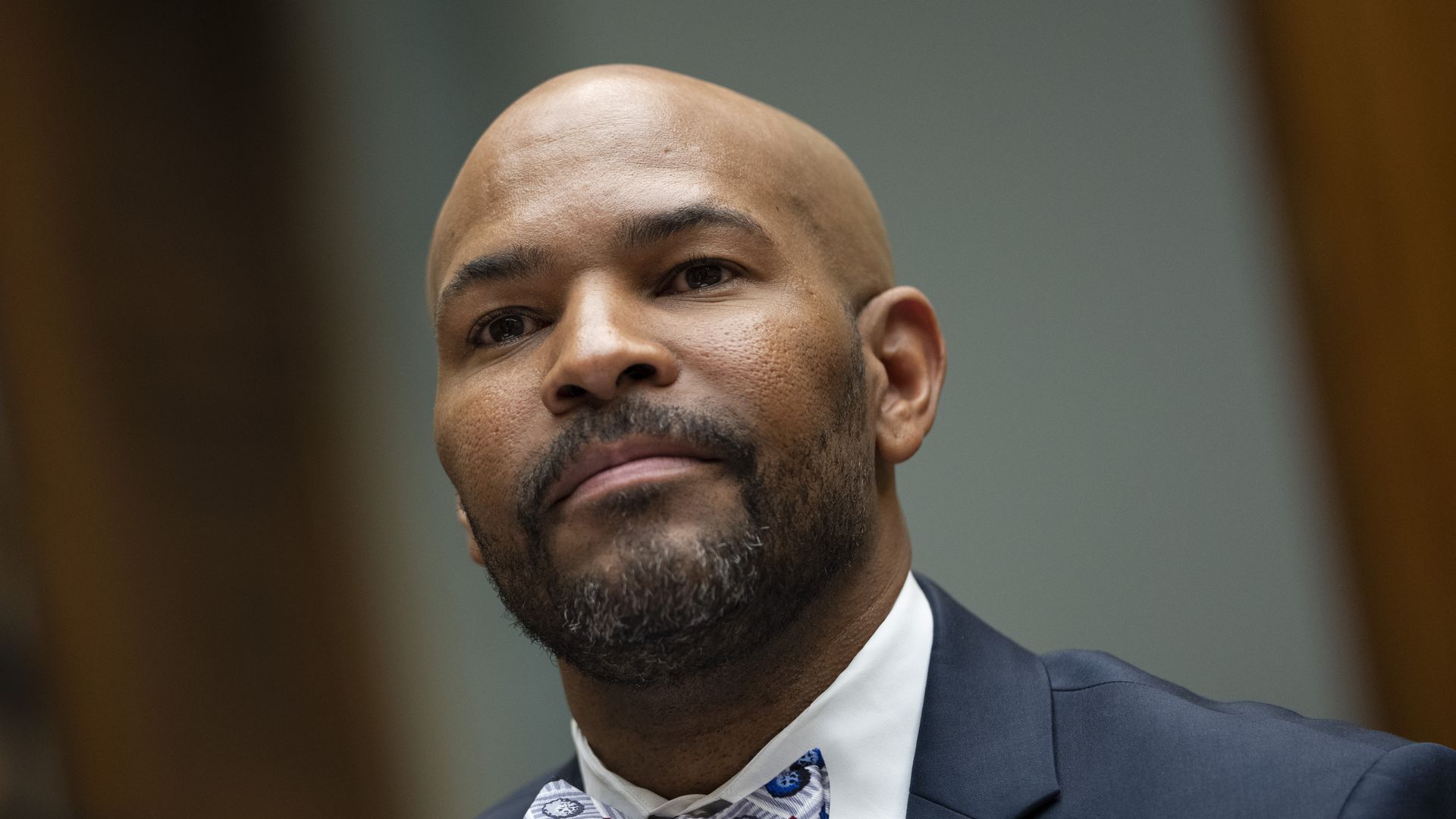
Jerome Adams. Photo: Drew Angerer/Getty Images
Former President Trump's surgeon general is advocating for conservative states to back needle exchanges as a strategy to reduce transmission of infectious diseases and save lives while the fentanyl epidemic rages, Axios' Adriel Bettelheim writes.
Why it matters: Making illicit drug use easier may seem counterintuitive, but it's been shown to improve public health and reduce societal costs, Jerome Adams argued in an opinion piece he co-authored in USA Today.
- "Syringe services programs" provide drug users clean syringes to cut the odds of disease transmission from shared needles. They've been around since the HIV/AIDS crisis and have been a magnet for controversy from the start.
Driving the news: Officials in states including Idaho, Nebraska and West Virginia have moved to curtail the programs, saying they send the wrong message during the opioid epidemic, threaten public safety and aren't effective.
- Adams and other advocates argue the programs don't just hand out syringes but provide overdose prevention education and tools, community support services and options for treatment and recovery.
- They say the profusion of synthetic opioids like fentanyl has exacerbated the overdose crisis to the point where harm reduction programs are now unfairly blamed for not bringing down a dramatic spike in overdoses.
- "The nation's stubbornly high overdose rate is not a sign of SSPs' failure; it is a sign of fentanyl's success. We must do more, not less," he wrote with Mazen Saleh of the free-market R Street Institute.
4. Novavax eyes comeback
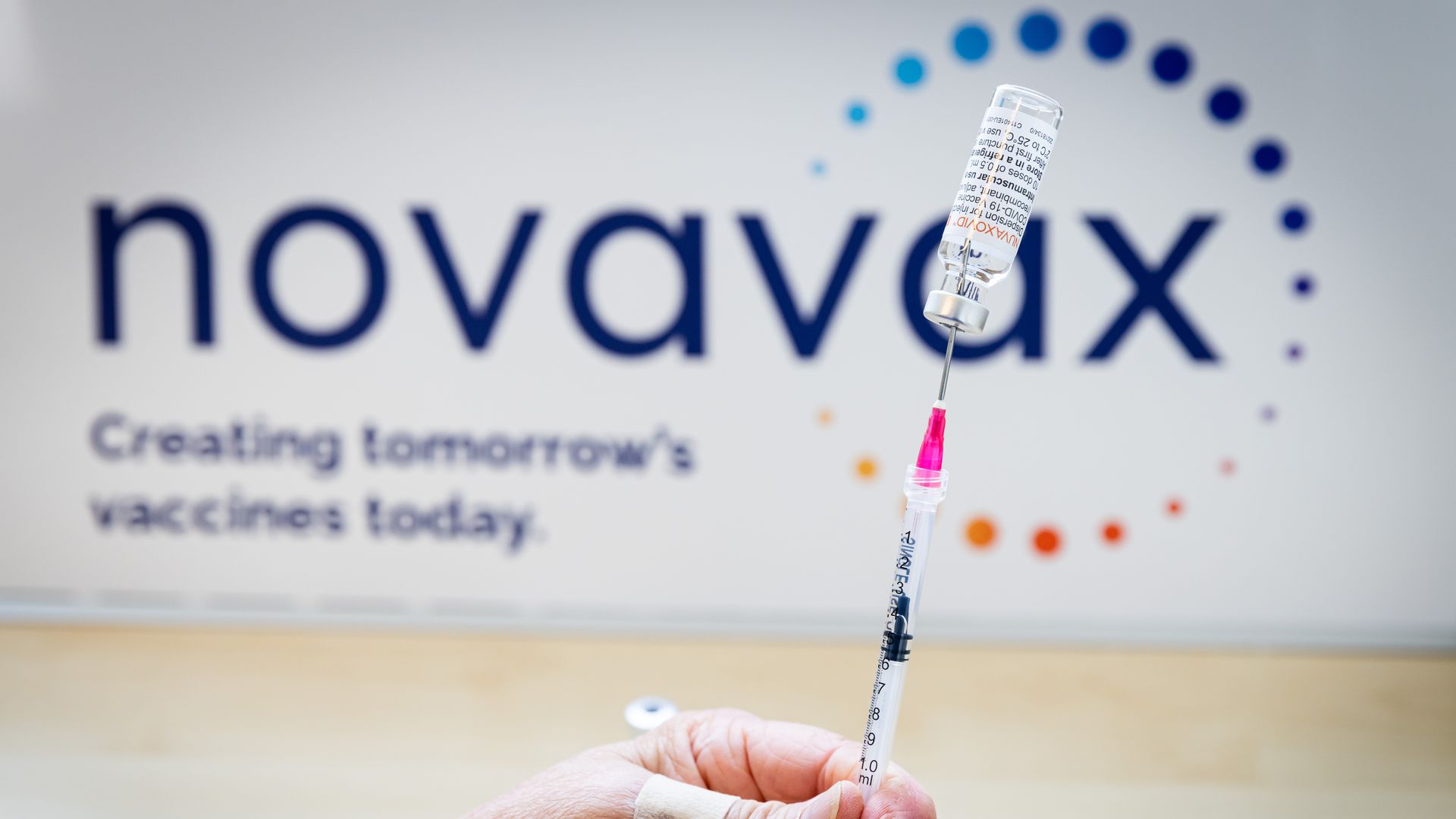
Photo: Patrick van Katwijk/Getty Images
After losing out on the COVID-19 vaccine race, Novavax is hoping its experimental combo flu-COVID vaccine can help turn around its fortunes.
- But it finds itself in a familiar position of playing catch-up, Tina writes.
Why it matters: A year after it warned about its ability to remain in business, the Maryland company is trailing Pfizer-BioNTech and Moderna in the development of a combination product that would reduce the need for multiple shots during respiratory virus season.
- Company officials in an interview on the sidelines of this week's World Vaccine Congress sounded an optimistic tone that they won't get crowded out of the combo vaccine market.
- "I think there's room for multiple players. And you know, who knows how this market is going to evolve in two seasons, right?" said executive vice president Silvia Taylor.
Driving the news: Pfizer and Moderna have Phase 3 trials well underway for their combo products, and Novavax plans to start its late-stage trial this fall. If successful, it's planning for a 2026 launch.
- Novavax execs say they're rethinking marketing strategy for the next rollout.
- They said the company focused too much on getting their COVID shot in doctors' offices rather than pharmacies, and that they underestimated providers' preference for single-dose vials.
5. Catch up quick
🪖 The military is backtracking on its long-standing push to outsource care. (NPR)
💊 President Biden hopes his team-up with Bernie Sanders yesterday will help boost awareness of Democrats' drug-pricing efforts. (Washington Post)
💰 A new obesity startup with $350 million from top VCs is quietly planning to get multiple drugs into clinical trials. (Endpoints)
🦟 Dengue fever caught this U.S. doctor by surprise on vacation. (New York Times)
Thanks for reading Axios Vitals, and to health care editor Jason Millman and copy editor Matt Piper. Please ask your friends and colleagues to sign up.
Sign up for Axios Vitals

Healthcare policy and business analysis from Tina Reed, Maya Goldman, and Caitlin Owens.