Axios Seattle

May 04, 2026
It's Monday! It's National Star Wars Day β May the Fourth be with you.
βοΈ Today's weather: Sunny, with a high of 80 and a low of 54.
π Happy birthday to our Axios Seattle member Michael Wikstrom!
Today's newsletter is 963 words, a 3.5-minute read.
1 big thing: βοΈ Weighing AI's promise β and risks
Earlier this month we asked you, our dear readers, where you stand on AI β whether you use it daily, avoid it or fall somewhere in between.
Why it matters: As artificial intelligence becomes embedded in everything from search engines to workplaces, how people feel about it will shape how β and how fast β it becomes part of everyday life.
- We got many passionate responses. Here are a few that represented the spectrum of opinion.
What they're saying: Some readers said they avoid it completely.
- "AI makes my skin crawl β NO, thank you," wrote Niamh N.
- Ann L. called AI "an extremely dangerous science experiment," adding: "It's terrifying."
- Bob N. expressed deep skepticism about who's driving AI's development. "It got into the hands of people that have no morals," he wrote.
- "Sworn it off entirely. It is trashing the environment and ruining my children's job prospects," wrote Kristy R., who works in the solar industry.
Even among those who don't use it much, anxiety about what's coming next is hard to ignore.
- "I don't have much use for AI in my job so far," said Drew B. "However I fear⦠if I haven't become a power user, I might be replaced by someone who is."
Others described using AI cautiously β or feeling like they're using it whether they intend to or not.
- "Every time I 'google' something⦠I think I get AI'd," wrote Denise H.
Some are still figuring it out.
- Erin K. described herself as a learning believer: "I believe in the power of AI⦠and use it daily," she wrote. "But I do not desire to have every part of my life connected to AI."
The other side: Many readers are embracing AI as a useful β even essential β tool.
- "I use AI daily for a large variety of queries," said Ron L. "The $200 annual subscription price is the best value for entertainment, curiosity, and serious work."
- "It seems unavoidable to a certain degree," wrote Kristi R.
What you're watching: Some readers are opting out. Others are leaning in. Many are somewhere in between β trying to learn, adapt and set boundaries as the technology evolves.
- "It's complicated," as Denise H. put it.
2. A break from precedent

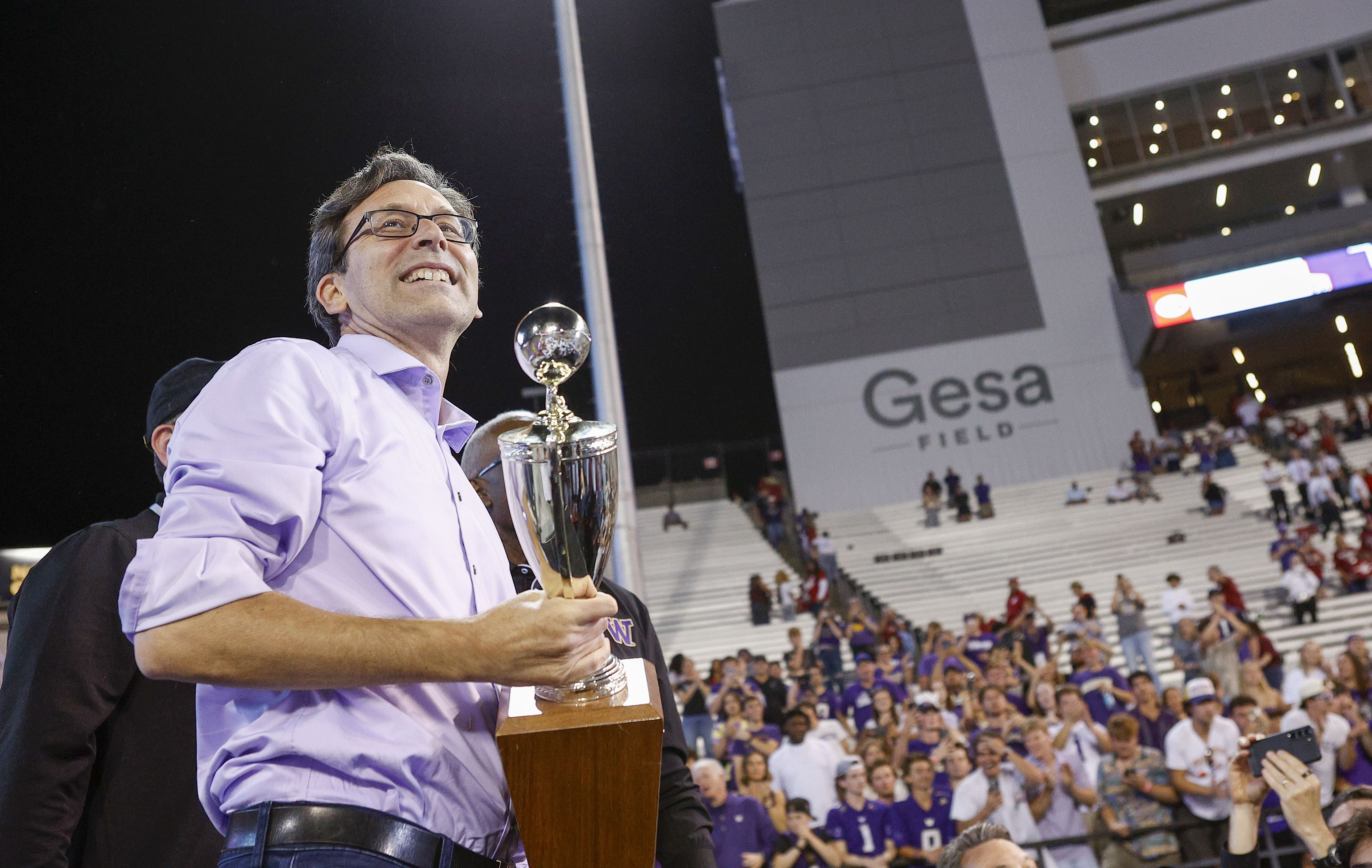
Since taking office, Washington Gov. Bob Ferguson has held more Seahawks flag-raising ceremonies than press conferences dedicated to taking wide-ranging questions from reporters.
Why it matters: Ferguson has departed from his predecessors' practice of holding regular, open-ended press availabilities β limiting public scrutiny of his administration.
- His office also imposed new media approval rules that have slowed agency responses to the press and frustrated state workers, as Axios first reported last week.
Zoom in: Ferguson has taken questions at events tied to legislative milestones and at topic-specific press conferences. But he has held no standing, unscripted availabilities of the kind his predecessors conducted.
- Jay Inslee, Ferguson's immediate predecessor, held a freewheeling press conference the day after his inauguration, and he continued holding regular open Q&As with the press corps throughout his tenure, according to TVW archives.
- Ferguson has yet to hold a single one in 16 months.
What they're saying: "He seems reluctant to cede control of the situation in the way that kind of open-ended news conference does," said Paul Queary, a former Associated Press correspondent in Olympia who now publishes the Washington Observer.
- Queary said former governors Gary Locke and Chris Gregoire also had regular open press availabilities β a free-form format that he said makes it harder to evade pointed or confrontational questions.
- "I don't remember any previous governors having this bizarre combination β what appears to be an obsession with media coverage, and a real disinclination to interact with the press," Queary said of Ferguson.
The other side: Brionna Aho, Ferguson's spokesperson, did not answer Axios' questions about why Ferguson has dispensed with the media practices of past governors. She said he "takes questions on other topics at most press conferences."
3. π $1.50 hot dog combo gets an update
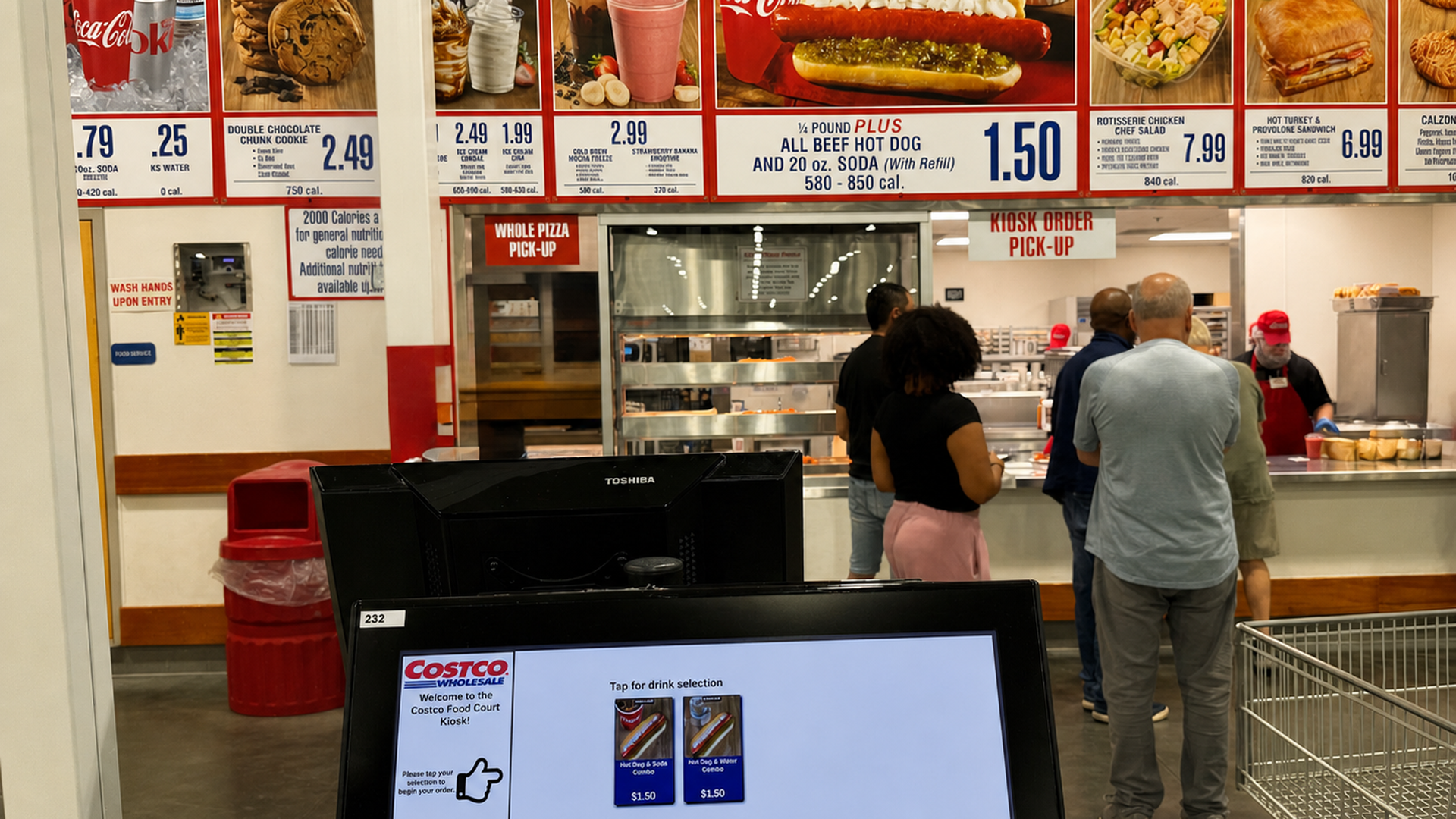
Costco is now letting shoppers swap soda for bottled water in its iconic $1.50 hot dog combo β a small change that could appeal to more health-conscious customers.
Why it matters: The hot dog combo β introduced more than 40 years ago β is one of retail's most famous fixed-price deals, holding at that price through decades of inflation.
- The new water option could quietly make the deal cheaper for the Issaquah-based company, while giving customers a different kind of value: more choice, not more volume.
The big picture: Costco has long protected the $1.50 price, even as costs rise.
- Small changes to the combo draw outsized attention from shoppers and executives alike.
4. Morning Buzz: Data centers pull back

ποΈ Two data center developers have pulled back plans in Seattle amid neighborhood opposition and growing talk at City Hall of restricting or banning new facilities. (Seattle Times)
π Seattle's Northgate area β once synonymous with its namesake mall β is becoming a walkable, transit-oriented neighborhood, with more apartments, shops and public plazas planned. (KUOW)
π A judge confirmed Friday that toplessness is allowed in Denny Blaine Park's clothing-required areas, clarifying rules amid an ongoing lawsuit over safety, nudity and park use. (KING 5)
π΄ββοΈ Seattle agreed to pay $9.25 million to an injured cyclist in a lawsuit alleging the city's bike-lane design contributed to a serious crash. (Seattle Times)
Local news, made possible by you
The reporting you read each day is built by a team focused on helping you understand what's happening around you.
Why it matters: Your support keeps our coverage focused on the stories that shape your community, from major decisions to the moments that define daily life.
Join our membership program. You'll back the journalism that keeps you informed and help ensure it stays strong.
Help us keep our community informed.
5. Where are we?
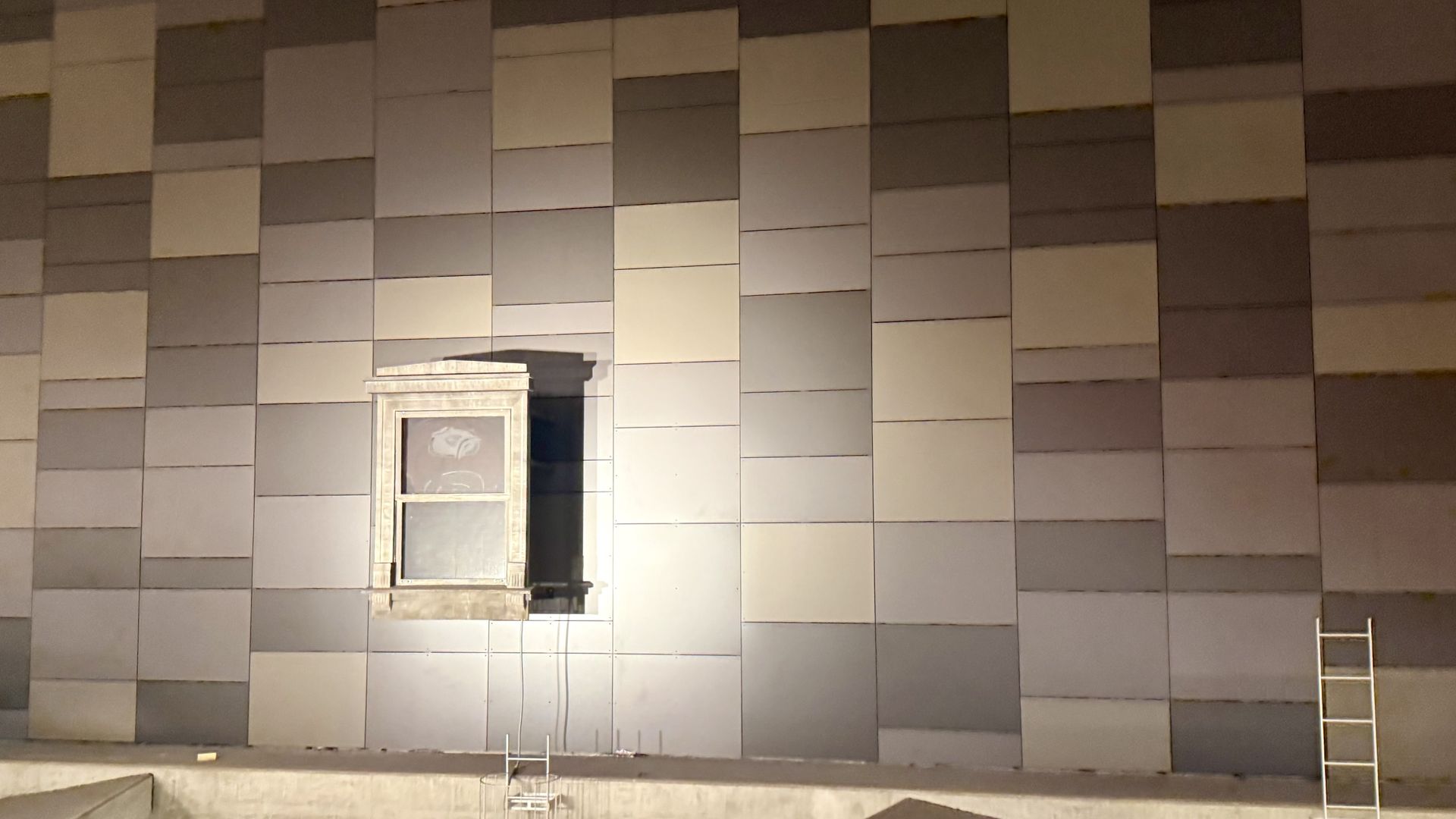
Do you know where in Seattle you can find this floating window? Submit your guess by hitting reply.
π² Melissa is in her feelings about her 2-year-old getting a bike β after he repeatedly asked for one in full sentences.
π¬π§ Clarridge has crossed the pond. See you in two weeks!
This newsletter was edited by Geoff Ziezulewicz.
Sign up for Axios Seattle