Axios Seattle

April 28, 2026


It's Tuesday, folks! Let's make the most of it.
☁️ Today's weather: Mostly cloudy, with a high of 58 and a low of 46.
📬 Enjoying the newsletter? Consider furthering your support by becoming a member.
Today's newsletter is 1,048 words, a 4-minute read.
1 big thing: How a foot-ferry plan fell apart
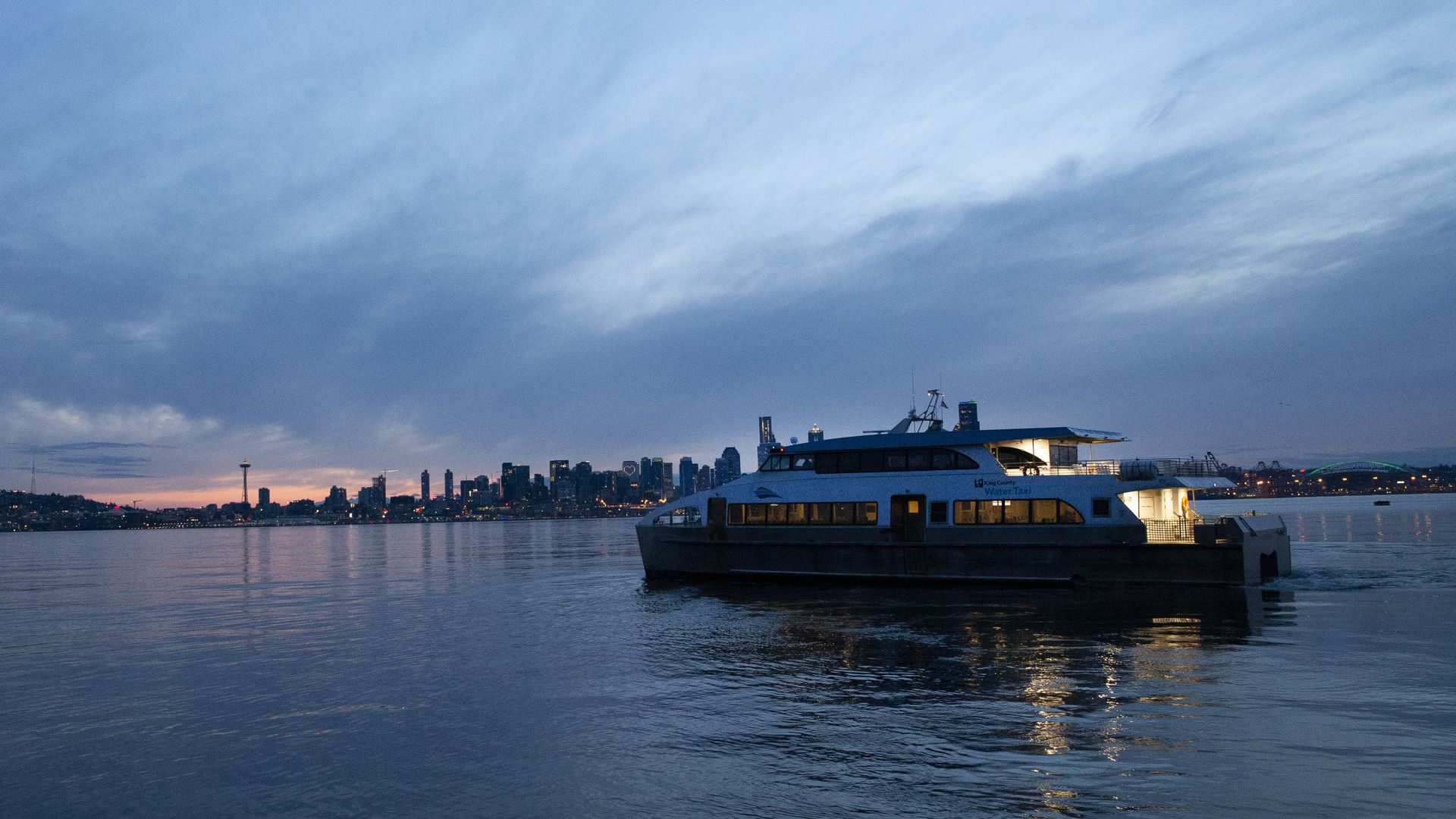
An effort to allow more passenger-only ferries fizzled out in Washington's Legislature this year, with the vision for new foot ferries on Puget Sound colliding with a top lawmaker's concerns about the state budget.
Why it matters: The dispute suggests adding more pedestrian-only ferries could remain politically difficult — particularly as Washington struggles with the cost of replacing the larger vessels that make up its aging ferry fleet.
Catch up quick: House Bill 1923 — dubbed the "Mosquito Fleet Act" — aimed to greatly expand the number of government entities that could run their own passenger-only ferry service.
- Right now, state law allows counties and Kitsap Transit to operate foot ferry service — but not cities or most local transit agencies.
- The idea harkens back to the late 1800s and early 1900s, when private boats — known as the Mosquito Fleet — moved people and goods across Puget Sound.
What they're saying: The hope was "to restore reliable ferry service and get boats back on the water faster and cheaper," state Rep. Greg Nance (D-Kitsap County), the bill's prime sponsor, said at a public hearing in February.
- Nance said that could be done using "lessons from Puget Sound's maritime history and heritage."
The measure passed the state House on an 84-11 vote in February.
Yes, but: It was altered substantially in the state Senate, where an amendment from Senate Transportation Chair Marko Liias (D-Edmonds) proposed several new rules for any new foot-ferry operations.
- Those included requirements that such ferries have zero emissions, be built in Washington state, and keep their distance from whales.
- The amended bill would have also barred future foot-ferry districts from raising sales taxes to fund their operations, while restricting them from receiving state funding.
The House refused to adopt the Senate's amendments, and the Senate wouldn't budge, leaving the policy dead in the water this year.
The other side: "The vision is beautiful," Liias said in a recent interview discussing the bill.
- But, he added, "the state Legislature typically doesn't give everybody huge taxing authority without some plan, some guardrails."
- The state — which is facing a transportation budget crunch — needs to stay focused on replacing vessels that are part of the existing Washington State Ferries system, Liias said.
- "We need to finish the promises we've already made before we start making new ones," he said.
2. 🏀 NBA bidders circle Seattle
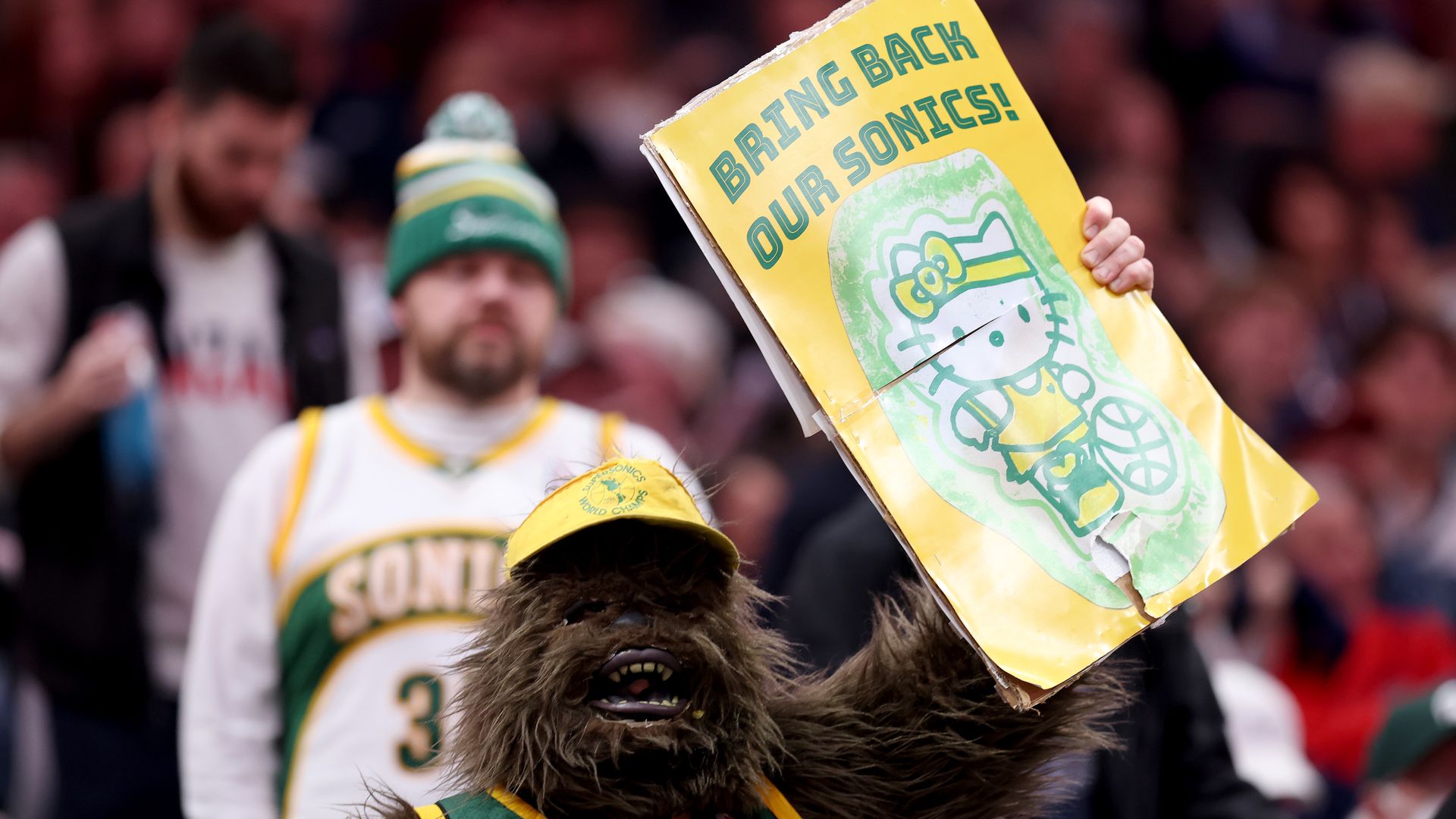
Seattle's push to land a new NBA team is drawing some early investor interest, though not quite as much as Las Vegas.
State of play: The league is seeing outreach from multiple groups for potential expansion teams in both cities since the NBA's Board of Governors voted last month to explore potentially adding teams, Bloomberg reports.
- The franchises are expected to fetch $7 billion to $10 billion, per Bloomberg.
Zoom in: In Seattle, the most visible potential bidder is Kraken owner Samantha Holloway.
- Last month, Holloway formed One Roof Sports & Entertainment and increased her ownership stake in Climate Pledge Arena to consolidate control and position her group for a potential NBA expansion bid, according to KOMO News.
- "We are ready to work with the Commissioner and the league, at their direction, to explore bringing the NBA back to Seattle," a One Roof spokesperson said in a statement to Bloomberg.
- A separate group is also reported to be preparing an independent bid for the Seattle expansion team, per KOMO.
Catch up quick: Seattle has been without an NBA team since 2008, when a group led by Starbucks CEO Howard Schultz sold the SuperSonics to Oklahoma City investors.
What's next: NBA owners are expected to vote later this year on whether to formally approve adding one or two expansion teams.
3. Morning Buzz: ⚖️ BOGO lawsuit filed
🛒 Washington is suing Albertsons and Safeway, alleging deceptive "buy one, get one" pricing that overcharged shoppers at a time of high grocery costs. (KOMO)
📱 Social media rumors about immigration enforcement are spreading across Washington, with many unverified reports fueling fear and confusion in local communities. (Seattle Times)
🏫 Seattle Public Schools is expanding access to advanced middle school math, adding new entry points so students can accelerate based on readiness — not where they went to elementary school. (Seattle Medium)
4. 🦟 Try a bat box

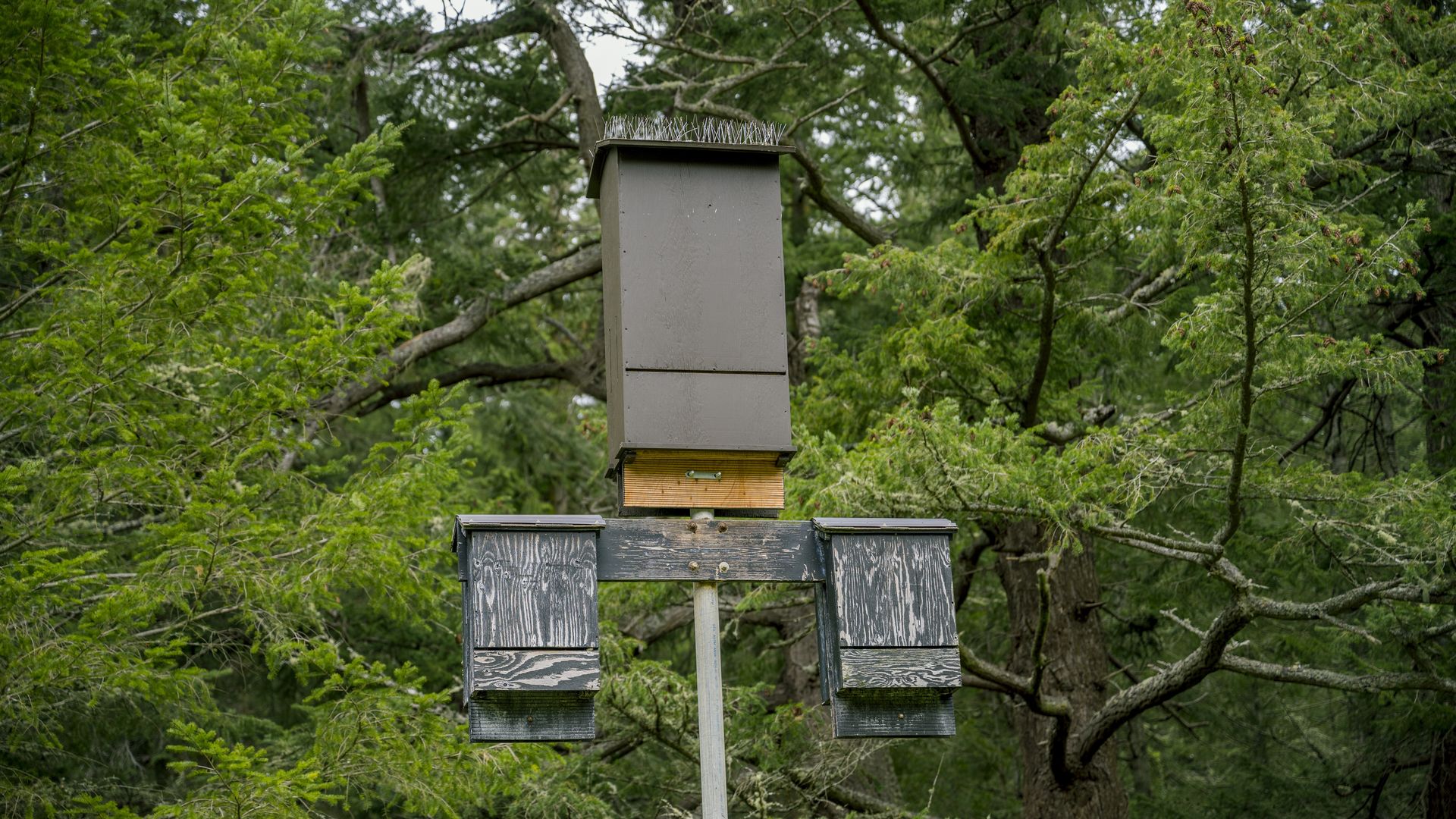
If you're ready to level up your outdoor game, consider adding a bat box to your space.
Why it matters: Washington is home to 15 bat species, and bat boxes can help provide safe roosting habitat as natural spaces shrink.
- Bats are key pollinators that spread seeds and devour pesky insects like mosquitoes, wasps and flies.
Yes, but: "Bat houses are complicated to get right," warn experts at Bat Conservation International. "They can go unused for years, attract pests, and even harm bats when installed incorrectly."
What to know:
- Size matters: Build or buy a bat house that is at least 2 feet tall and 14 or more inches wide, according to the Washington Department of Fish & Wildlife.
- Skip the trees: Mount on poles or buildings at least 15 feet off the ground to avoid predators like raccoons and owls.
- Sun is your friend: Bats prefer warm roosts, so direct sunlight helps.
- Bring patience: It can take a year or more for bats to move in.
Reality check: Bats can carry rabies, but the risk is low, per the state Department of Health — avoid handling them and contact wildlife experts if one appears sick or injured.
You'll know your box is working if bat guano starts piling up below.
- Great for fertilizer — bad if it's over your grill, so plan carefully.
5. ⚓️ Where are we?
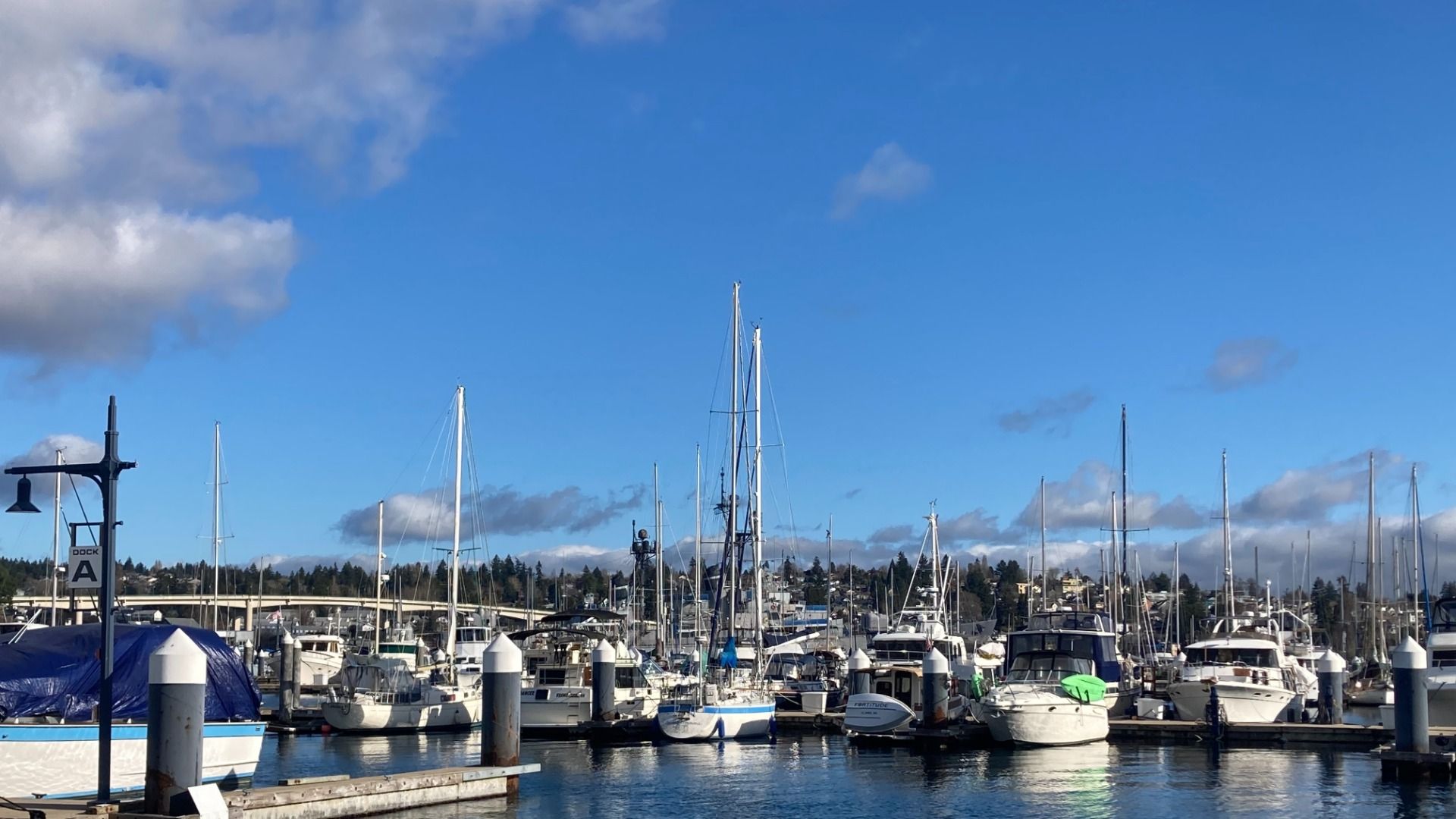
Of course it's a marina, but do you know which one?
Close enough for day trips, but far from downtown's hum.
Where ferries cut the water and gray hulls line the view,
A different kind of waterfront, where collars lean to blue.
If you know where we are, hit reply and prove it.
🧶 Clarridge is finishing up a pair of socks for her sister in England.
🤢 Melissa is grateful that her husband ran a drain snake through the bathroom sink and tub — but less grateful for the photo he texted her of what came out.
This newsletter was edited by Geoff Ziezulewicz.
Sign up for Axios Seattle
