Axios San Francisco

October 02, 2026

πͺ© It's Friday and we couldn't be happier about it.
βοΈ Today's weather: Sunny with highs in the mid-70s, lows around 60.
π Happy birthday to our members Sharyn Saslafsky, Paris Auerweck and Angus Smith!
π§ Sounds like: "Real Muthaphuckkin G's" by Eazy-E.
β Situational awareness: District 8 supervisor candidate Manny Yekutiel dropped out of the race yesterday after numerous backers, including Mayor Lurie, withdrew their endorsements amid new sexual assault allegations.
Todayβs newsletter is 1,090 words β a 4-minute read.
1 big thing: π Why Ben Davis endures
For nearly a century, San Francisco's own Ben Davis has kept making variations of the same tough, utilitarian clothes, even as the city has cycled through various identities. Somehow, that refusal to keep up has become part of the brand's appeal.
Why it matters: In a city reshaped by tech booms, soaring housing costs and displacement, Ben Davis has endured as a wearable link to an older, more working-class San Francisco.
- "It's truly San Francisco culture," Max Leung, a San Francisco native and owner of Haight Street vintage shop Gold Mountain, told Axios.
Catch up quick: Simon Davis and his son Ben founded the homegrown apparel company in 1935, continuing a family workwear lineage that stretched back to Simon's father, Jacob, who partnered with Levi Strauss and patented the copper-riveted pants that became the blue jean.
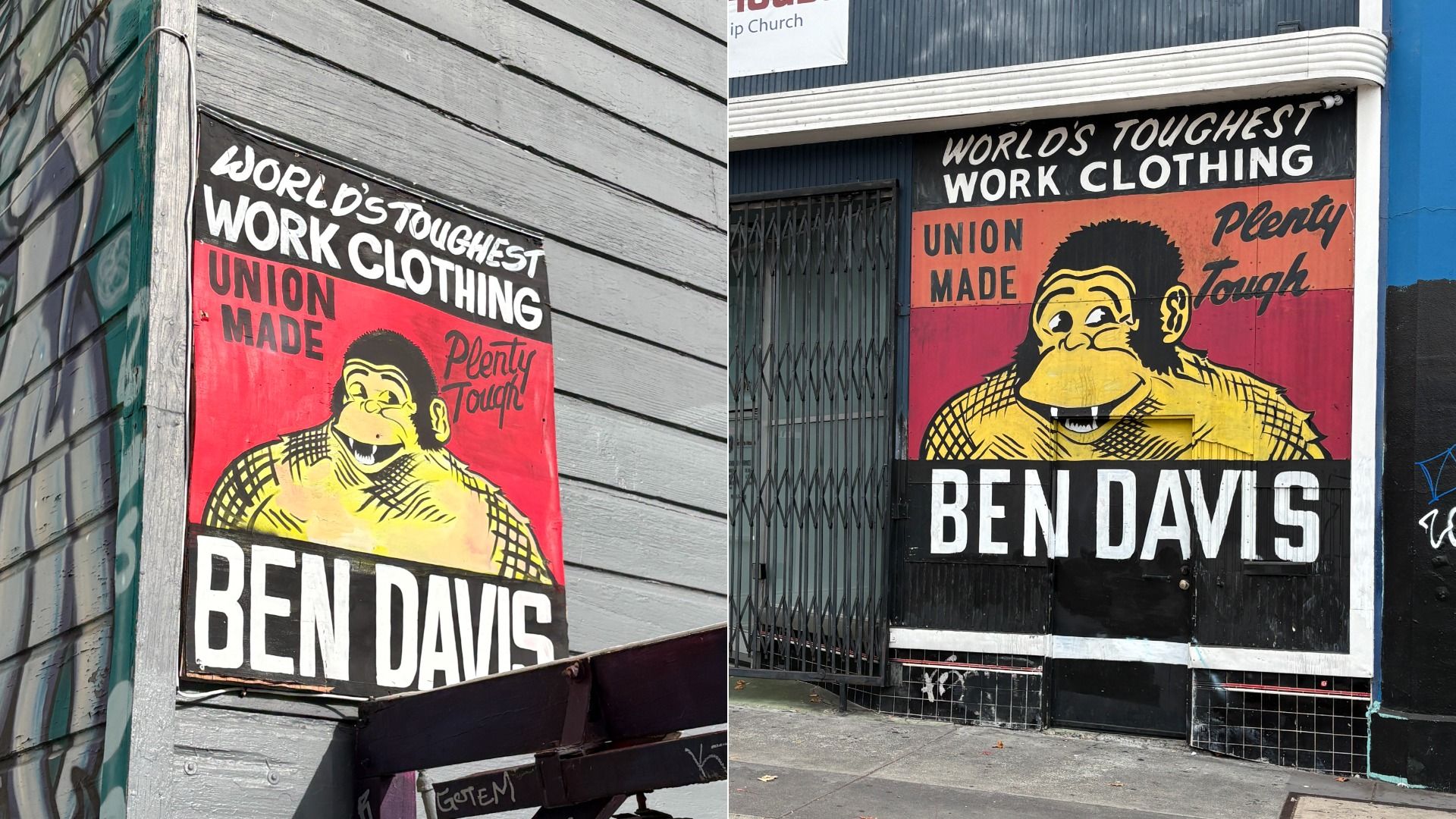
- Ben Davis emerged at a time when San Francisco was a powerful union town, producing workwear bearing the slogan "Union Made Plenty Tough." The clothes are no longer union-made, but the company's blue-collar ethos remains unchanged.
And though company officials did not respond to Axios' requests for an interview, the love felt for the brand is undeniable here.
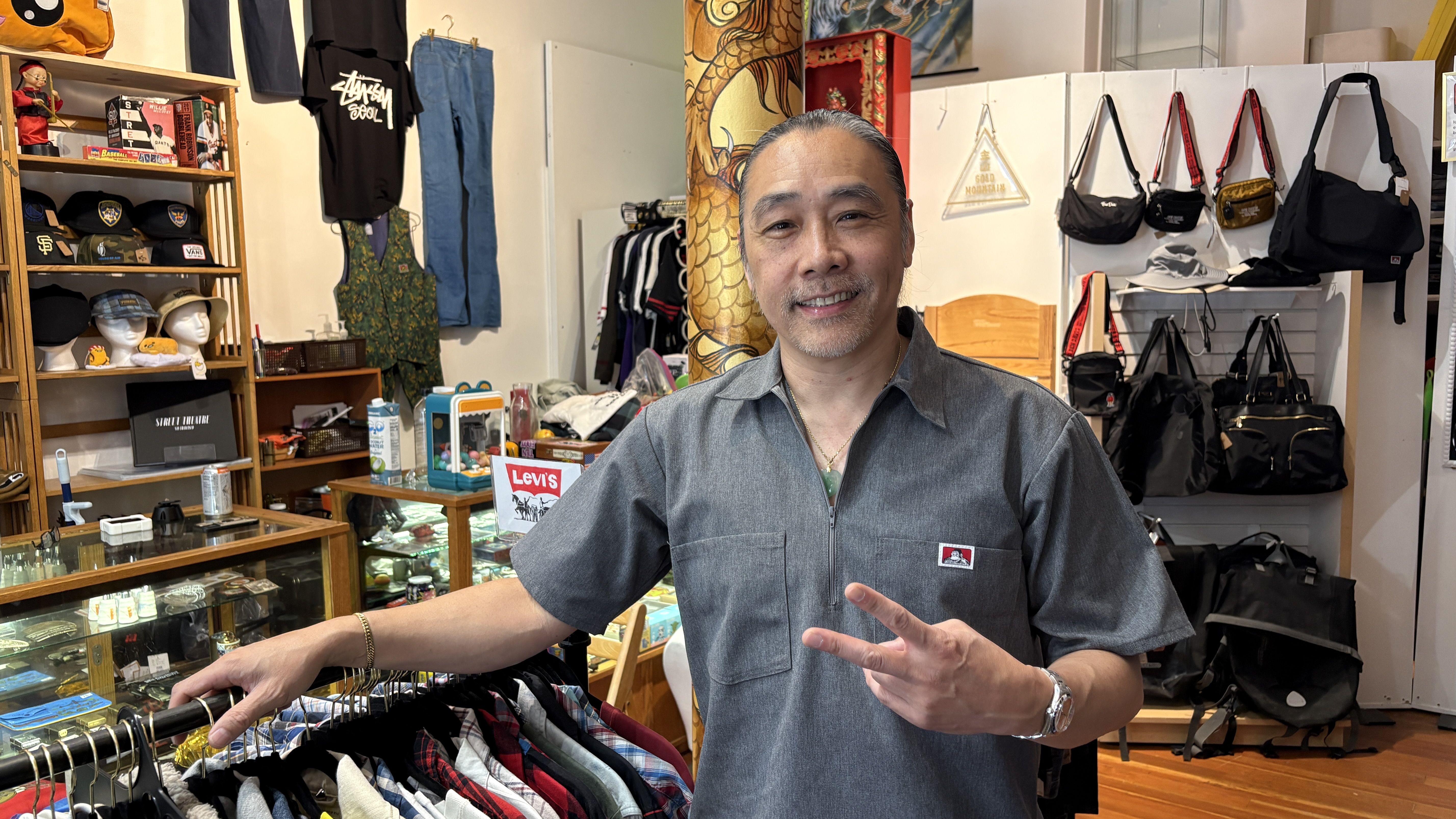
State of play: While other workwear companies like Dickies and Carhartt have increasingly leaned into fashion, Leung says, Ben Davis has stuck to its original formula: sturdy shirts, pants, jackets and overalls built for laborers, mechanics, tradespeople and anyone whose clothes take a beating.
- "They're not trying to be trendy β they're true to what they do," Leung added.
Between the lines: By the 1990s, Ben Davis had become as recognizable on the streets as it was on the job site.
- Leung, 55, grew up in Chinatown, where his cousins, uncles and neighborhood "OGs" wore Ben Davis, though that unmistakable grinning gorilla logo was hardly confined to his corner of the city.
- The brand's boxy silhouettes and no-frills aesthetic found a natural home among chicanos in the Mission, as well as skaters and punks, who helped transform it into a fixture of West Coast streetwear before becoming ubiquitous in '90s hip-hop where rappers like Dr. Dre, Eazy-E and Ice Cube sported it.
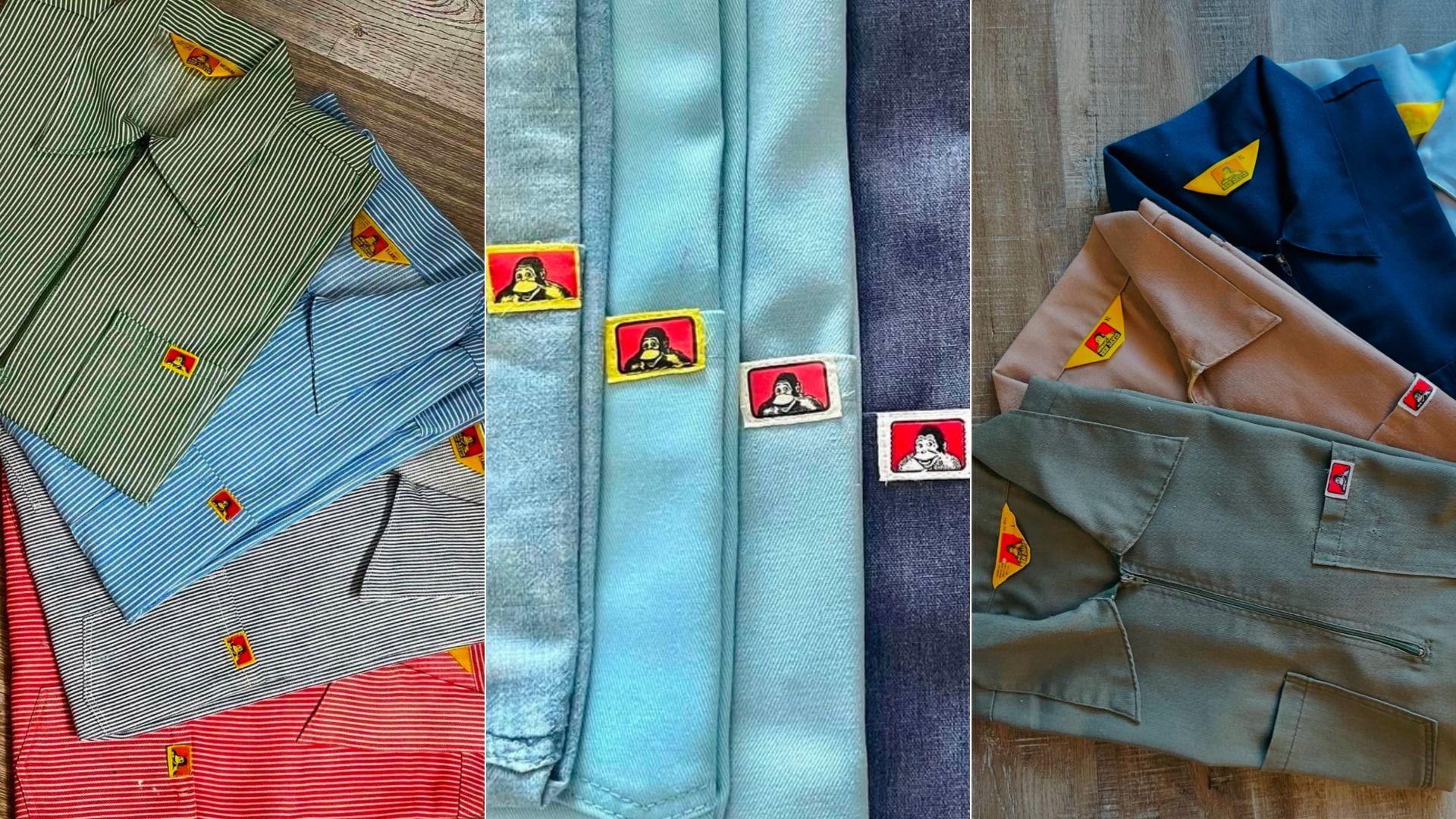
The intrigue: Ray Abad, a local collector and Ben Davis reseller, was introduced to Ben Davis by his parents, who wore it in the 1970s lowrider scene.
- When he later moved to Southern California, wearing the clothes became a way of carrying his Bay Area identity with him.
- Today, Abad hears stories of grandfathers who wore Ben Davis at steel mills, fathers who wore it as mechanics, old shirts passed down instead of tossed out, a longevity he sees as the antithesis of disposable fast fashion.
- That cross-generational draw still holds strong β Abad now sees the same workwear on barbers, bartenders, painters and artists.
- "We wear what we wear to find our people," Abad told Axios, quoting a lesson from local designer Benny Gold.
Continue reading below
2. π¦ Still plenty tough
In today's San Francisco, that sense of belonging has taken on new meaning.
- Abad doesn't suggest that everyone who puts on a Ben Davis shirt is making a political statement. But he says many enthusiasts he encounters wear the brand as a way of holding onto an authentically local identity at a time when working-class residents are being priced out.
- Leung is trying to preserve some of that history at Gold Mountain, which he opened "for natives, by natives" and as a tribute to what he calls San Francisco's "golden era," when neighborhoods developed distinctive styles before social media made fashion feel increasingly homogenized.
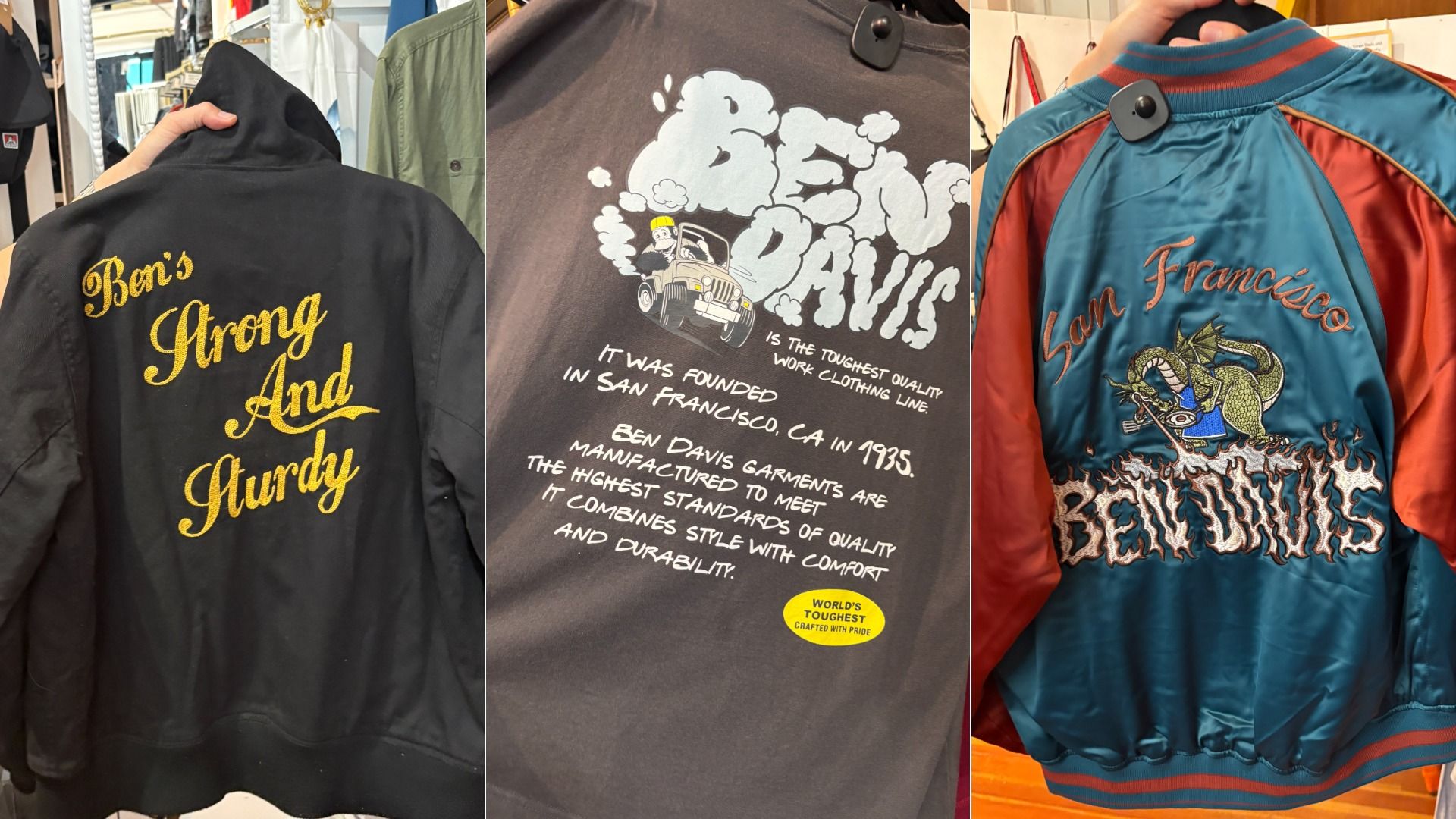
- Among the store's vintage Levi's, Derby jackets and old-school San Francisco sports gear are racks of Ben Davis Japan, a separately operated licensed line that takes the American company's workwear in a more fashion-forward direction, producing everything from embroidered varsity jackets and parkas to dresses and leather jackets.
Leung says part of what makes Ben Davis desirable in Japan is its association with the city where it started, with many pieces prominently advertising that San Francisco pedigree.
- Its popularity abroad also reflects a legacy Abad hopes will continue being passed down at home.
- "Most of us were not alive when this brand started, so it's something that transcends us, it's outlasting us and will likely outlive us," Abad said. "It's cool to be able to pass this onto younger generations β this is how you preserve history and culture."
3. The Wiggle: π° Lyft pays $272.5 million
π° Lyft has agreed to pay $272.5 million in what officials call California's largest-ever wage theft settlement, with 87% going to drivers who were allegedly denied wages and reimbursements before Prop. 22 took effect. (Mission Local)
π¦ The city confirmed its first flu-related death of the season, an adult whose age was not disclosed. (KRON4)
π HomeRise, one of the city's largest supportive-housing nonprofits, plans to shut down over the next two years amid investigations into alleged misconduct and financial problems. (SF Chronicle)
π₯ Underground vault fires and explosions in FiDi caused power outages, street closures and a shelter-in-place order yesterday morning, which has since been lifted. (ABC 7)
πͺΆ California has made Native American Day, the fourth Friday of September, a paid holiday for state employees. (SFGATE)
4. Best thing I ate this week: π Tomato soup
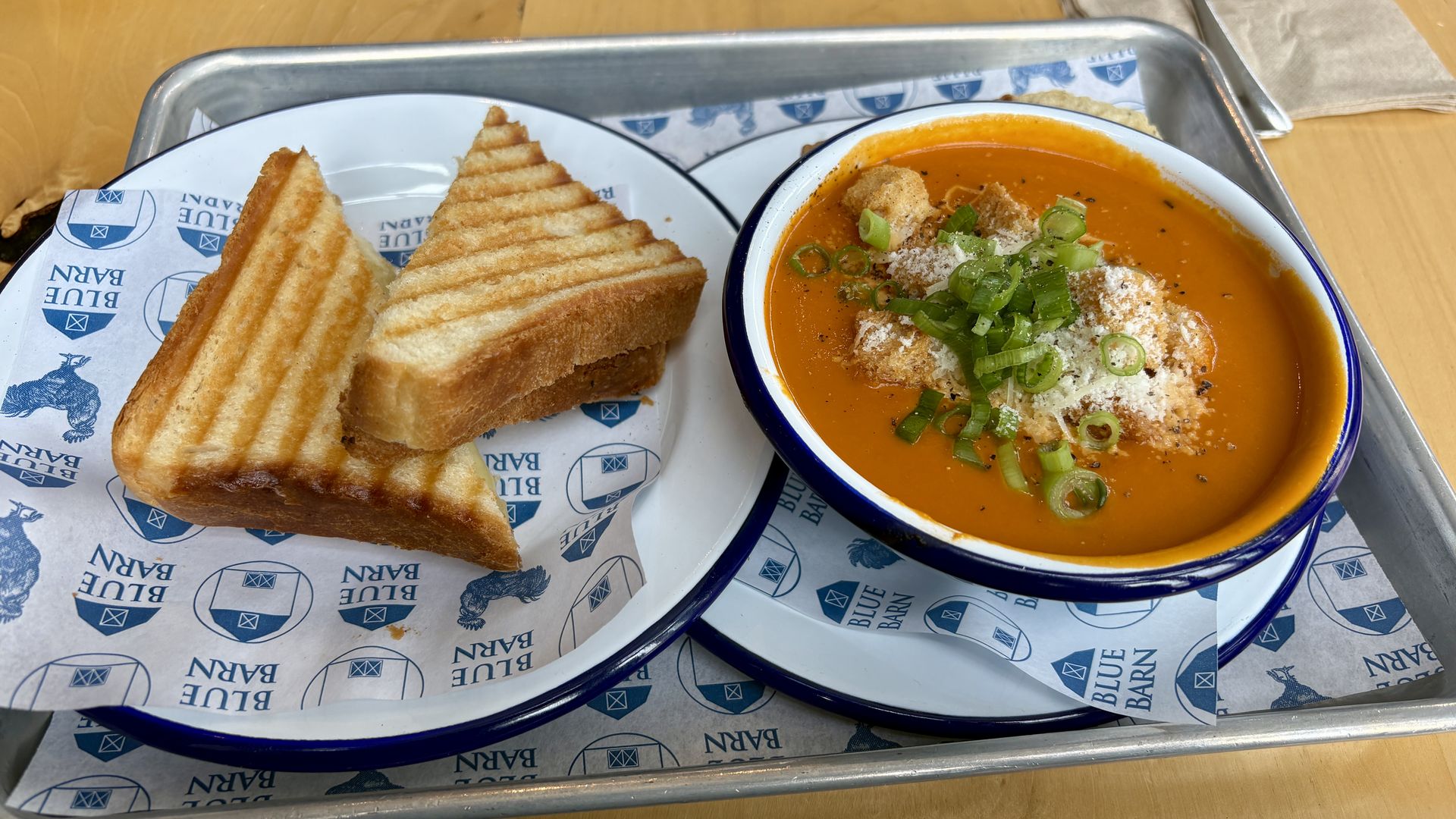
There are few pairings more reliable than a comforting bowl of tomato soup and a gooey grilled cheese. Blue Barn's version has become one of my go-to comfort meals.
Dig in: The soup ($10.95) is creamy and silky smooth, with a rich flavor that manages to feel indulgent without being too heavy. It comes topped with housemade croutons, parmesan cheese and green onions.
- I also always order a kids grilled cheese ($6.95) made with pain de mie, which arrives perfectly golden and crisp.
π My thought bubble: It's simple, cozy and satisfying, exactly the kind of lunch I want when the fog rolls in (though I can admittedly say I'd happily eat it anytime).
If you go: Open daily 11am-8pm at various locations across the city.
πͺ Nadia is going to Hardly Strictly this weekend!
This newsletter was edited by Geoff Ziezulewicz.
Sign up for Axios San Francisco