Axios San Francisco

April 09, 2026


🗞️ It's Thursday. Let's do some news things.
⛅ Today's weather: Partly sunny with highs around 70, lows in the mid-50s.
🎧 Sounds like: "Oh! Tengo Suerte" by Masayoshi Takanaka, who plays tonight at The Masonic.
Today's newsletter is 916 words — a 3.5-minute read.
1 big thing: 💰Taxing the AI economy
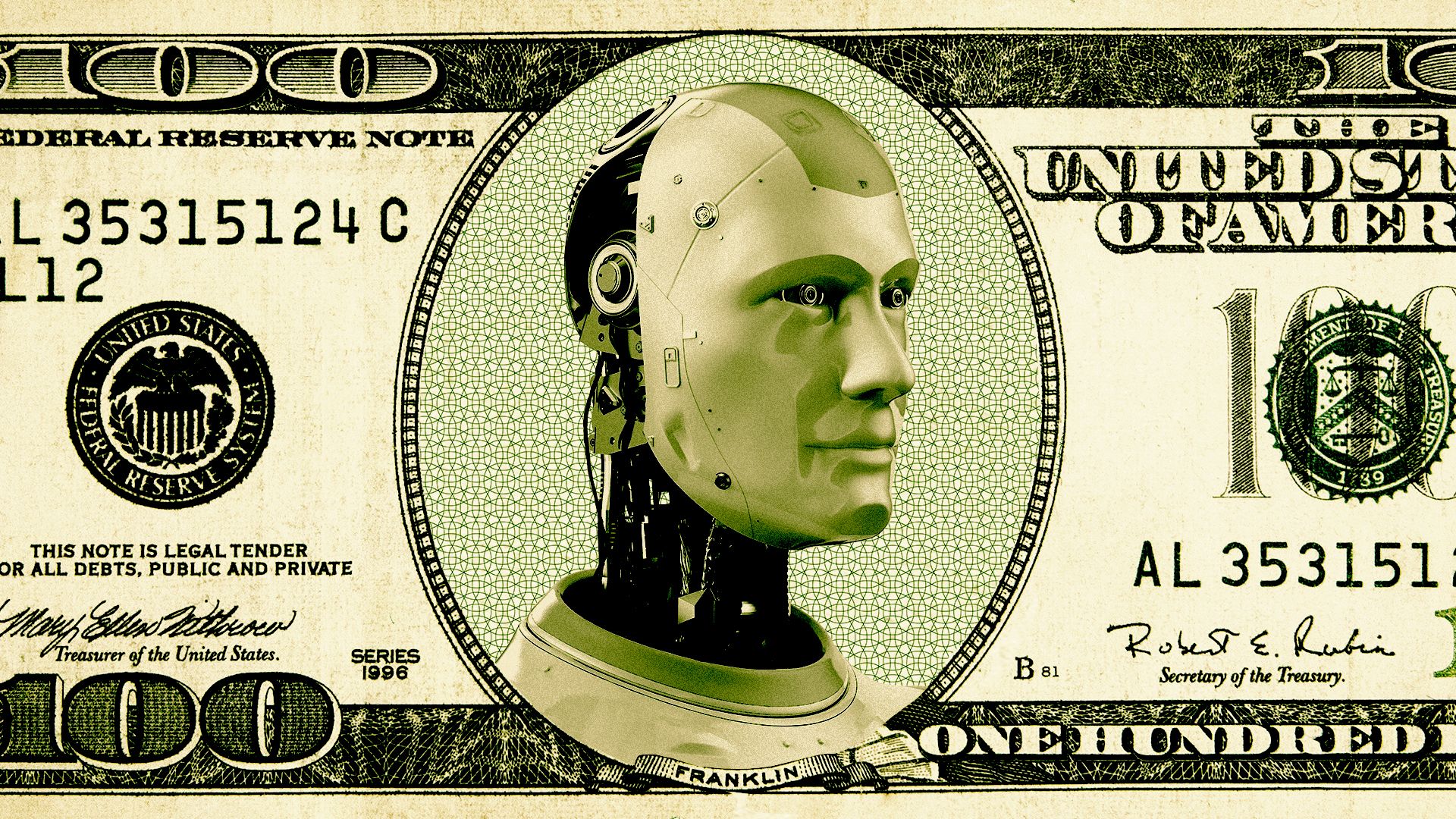
OpenAI is outlining how policy might adapt to the economic and political disruption its technology could unleash — offering a window into how one of San Francisco's most influential AI companies views the likely fallout ahead, Axios' Neil Irwin reports.
The big picture: The company released a 13-page report this week mapping out policy shifts aimed at ensuring that AI-driven advances create widespread societal gains rather than a divide between a small group of elites and a mass underclass.
Caveat: Many proposals in the "Industrial Policy for the Intelligence Age" would only become viable if AI-driven disruption reshapes U.S. politics at a fundamental level.
- And while these ideas sit well outside today's political reality, they'll sound familiar to readers of left-leaning policy papers.
The intrigue: At a time when Sen. Bernie Sanders (I-Vt.) has emerged as a leading congressional critic of the AI industry, many of OpenAI's policy solutions read as distinctly Sanders-aligned — making them unpopular with the right.
Zoom in: The paper outlines steps to create a national wealth fund, shift more of the tax burden onto capital from labor and bolster the social safety net, proposals that are reminiscent of the Progressive Era and New Deal policies that softened the shocks of industrial capitalism.
- For example, conservatives since the Reagan era have pushed for lower taxes on capital to drive growth, but OpenAI envisions a future where income is shifted away from workers toward asset holders as machines take over more human-held jobs.
- Such a labor force transformation could weaken the tax base that funds programs like Social Security and Medicaid, so tax policy would need to adjust to keep them sustainable.
The solution: Lean more on capital taxes to offset AI automation cutting into wages.
- "Policymakers could rebalance the tax base by increasing reliance on capital-based revenues — such as higher taxes on capital gains at the top, corporate income, or targeted measures on sustained AI-driven returns" and to explore "taxes related to automated labor," the paper says.
The bottom line: Though OpenAI's proposals aren't on lawmakers' radar yet, they mark an early effort to address large-scale economic disruption seriously.
2. 📬 What to know before mailing taxes

Mailing your tax return this year comes with a key change: A new postmark rule is redefining what qualifies as filing "on time."
- The IRS treats the postmark date — not the day you dropped the envelope into the mail — as proof of filing, meaning delays in postmarking could trigger penalties even if you sent your return on time.
How it works: Under the new system, a postmark is applied when the U.S. Postal Service processes the mail at a sorting facility, not when you send it.
- Under the old system, the postmark usually matched the drop-off date.
- Now, a return mailed on April 15 could be stamped April 16, which could expose some taxpayers to penalties or interest.
The penalty is 5% of the unpaid tax — after subtracting any timely payments and eligible credits — for each month or partial month that the return is filed late, according to the IRS.
What's next: Taxpayers mailing returns should build in more time, per the latest guidance from H&R Block.
- Mail at least 3-5 business days beforehand — that means by tomorrow at the latest.
Pro tip: Consider filing electronically instead or ask for a six-month extension.
3. The Wiggle: 🗓️ Fielder out until June
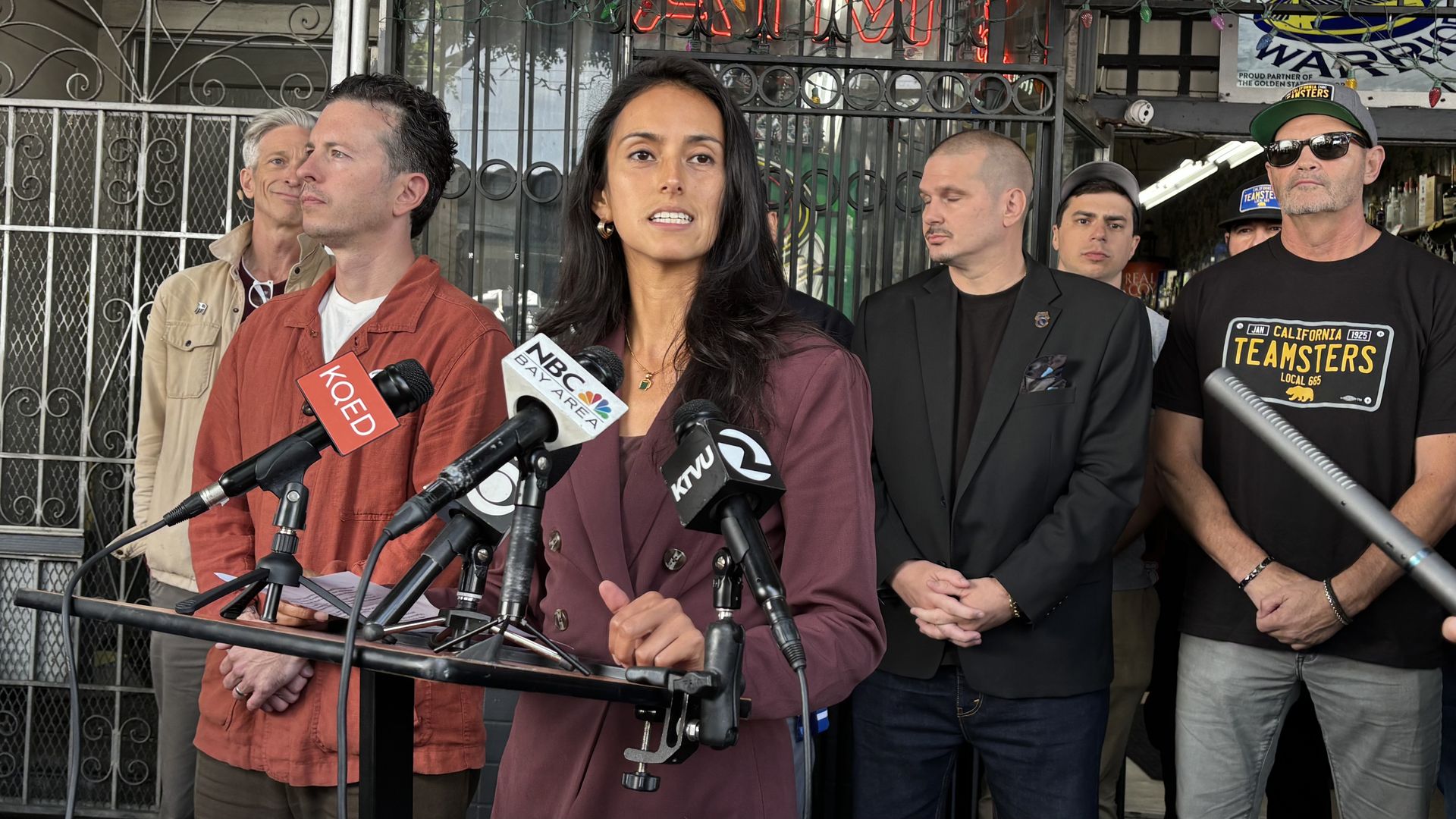
🗓️ Supervisor Jackie Fielder has extended her mental health leave of absence through June 30. (Mission Local)
🏆 The SF Chronicle released their annual 100 Best Bay Area Restaurants list, with Four Kings (No.1), The Progress (No.2) and Burdell (No.3) making the top three. (SF Chronicle)
- 💭 Nadia's thought bubble: I don't get the hype over Four Kings and I'm prepared to die on this hill. Great vibes, sure. But I expected more for the quantity and price point.
- If I'm going to splurge on high-end Chinese, I'd rather go to The Happy Crane, which by the way only scored as No. 61 on their list!
🏥 Massachusetts-based Medicaid executive Michael Levine has been appointed to lead San Francisco's homeless department. (Mission Local)
🌿 For the third year in a row, the city says it doesn't have the funds to host Golden Gate Park's annual 4/20 celebration. (ABC7)
- But don't worry, the crowds will still turn out and blaze up at Hippie Hill like they always do.
✈️ The Trump administration is considering removing federal customs officers from SFO — potentially halting international flights — as part of a broader effort to target "sanctuary hubs." (SF Chronicle)
4. 🐈⬛ Pets of SF: Coco

✨ Meet Coco, who by all evidence is quite pampered.
- Owner Steve H. tells us his long-haired feline befriends crows and ravens, loves all dogs but somehow hates other cats, and follows a daily routine that appears to involve light existential brooding and sipping drinks to cope with her "very privileged, spoilt life."
💭 My thought bubble: Same, girl, same.
📸 Got a pet that deserves the spotlight in our newsletter? Hit reply and send us their name, some cute pics and what they most like and dislike. They might just become our next featured star!
🇹🇼 Shawna has reunited with her family in Taiwan for the first time in two years.
🧠 Nadia is listening to this NPR interview with computer scientist Tom Gruber on AI literacy and how our relationship with the technology could evolve.
This newsletter was edited by Geoff Ziezulewicz.
Sign up for Axios San Francisco
