Axios San Antonio

June 21, 2026

😊 Hi! We hope your weekend is going great.
Today's weather: Partly sunny with a high in the mid-90s.
💧 Programming note: This special edition is focused on the future of water around San Antonio. Find these stories on our website here.
Today's newsletter is 1,082 words — a 4-minute read.
1 big thing: How a trail can protect water
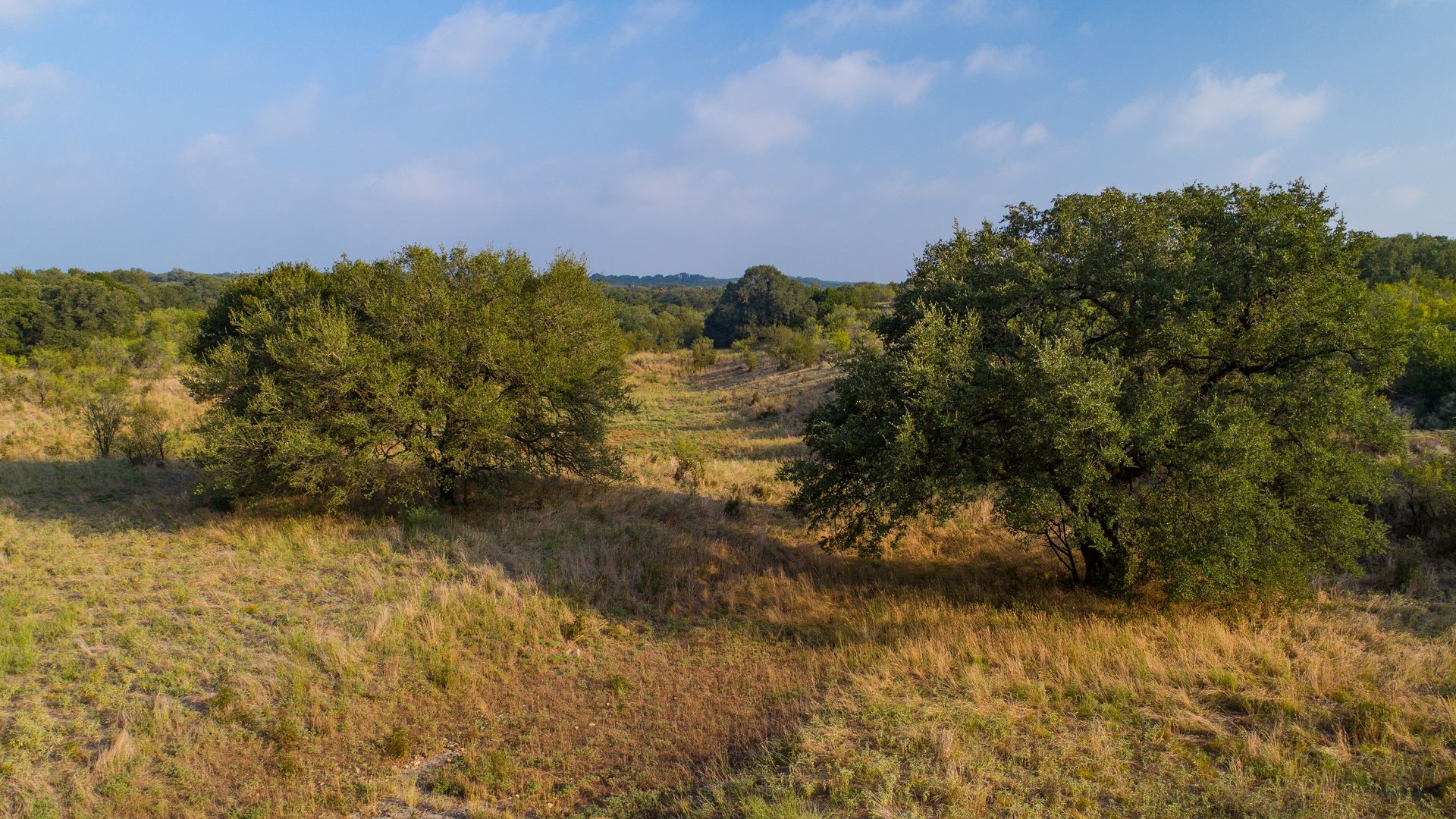
As development accelerates across the booming Interstate 35 corridor between San Antonio and Austin, a nonprofit is working to protect water access — one trailhead at a time.
Why it matters: Rapid population growth in Central Texas is placing more stress on water sources as San Antonio experiences its most intense drought in decades.
State of play: The Great Springs Project is coordinating a trail that will run over 100 miles from San Antonio to Austin, a resource for hikers, bikers and runners. About one-third is complete, Emma Lindrose-Siegel, chief development officer at the Great Springs Project, tells Axios.
- To build it, the nonprofit is conserving natural space above the Edwards Aquifer recharge zone, an area that's vital to preserving San Antonio's drinking water.
How it works: The recharge zone is where fractured limestone allows water to flow into the aquifer.
- Much of the recharge zone sits just north of I-35 around New Braunfels and San Marcos. As the population in that region explodes, the land over the recharge zone is vulnerable to new development.
- Concrete and asphalt surfaces don't absorb water — meaning less water is likely to make it into the aquifer if there's development over the recharge zone.
By the numbers: The Great Springs Project's goal is to conserve about 50,000 acres over the Edwards Aquifer's recharge and contributing zones; the group is about 10% of the way there after launching in 2019, Lindrose-Siegel says.
Zoom in: An area the nonprofit calls Presa Grande sits outside San Marcos and has "tremendous" recharge value for the aquifer, Lindrose-Siegel says.
- Presa Grande was slated for a new housing development, but the Great Springs Project worked with buyers on conservation easements, or agreements to voluntarily protect natural features on the property by keeping housing and development off it.
What they're saying: "We believe conservation is really one of the best tools we have to preserve and protect our water resources," Lindrose-Siegel says.
What's next: The Great Springs Project aims to finish the trail system by 2036.
2. Water plan for growth
San Antonio Water System (SAWS) is investing in a diverse water portfolio to help the city withstand future droughts while supporting growth from industries like data centers.
Why it matters: The utility is working to meet growing water demand without increasing reliance on the Edwards Aquifer.
Zoom in: SAWS draws on multiple water sources, including the Edwards Aquifer, aquifer storage and recovery (ASR), recycled water, brackish groundwater desalination and imported supplies like the 142-mile Vista Ridge pipeline.
- "We look at the worst of the drought conditions ... to make sure that even in the worst of times we have enough water to meet San Antonio's growth," Donovan Burton, SAWS senior vice president of water resources and governmental relations, tells Axios.
How it works: The Edwards Aquifer remains the backbone of San Antonio's water supply.
💧 ASR: During wet periods, SAWS stores excess Edwards water in the Carrizo Aquifer and pumps it back out during drought.
🔃 Recycled water: Highly treated wastewater flows through a 130-mile purple-pipe network serving customers like Toyota and USAA, as well as irrigation and the River Walk.
🧂 Brackish groundwater desalination: At the H2Oaks Center, SAWS uses reverse osmosis to turn salty groundwater into about 10 million gallons of drinking water daily.
🚰 Imported supplies: Long-term contracts bring additional water from outside the region.
What we're watching: The recycled water network could give San Antonio an edge as data centers expand across Texas.
- "San Antonio is better adapted to handle data center growth because of our recycled water system," Burton says.
3. Drinking water from thin air
Technology that brings water to war zones and disaster-struck areas is emerging as a way for Texans to take control of their home water supply amid drought.
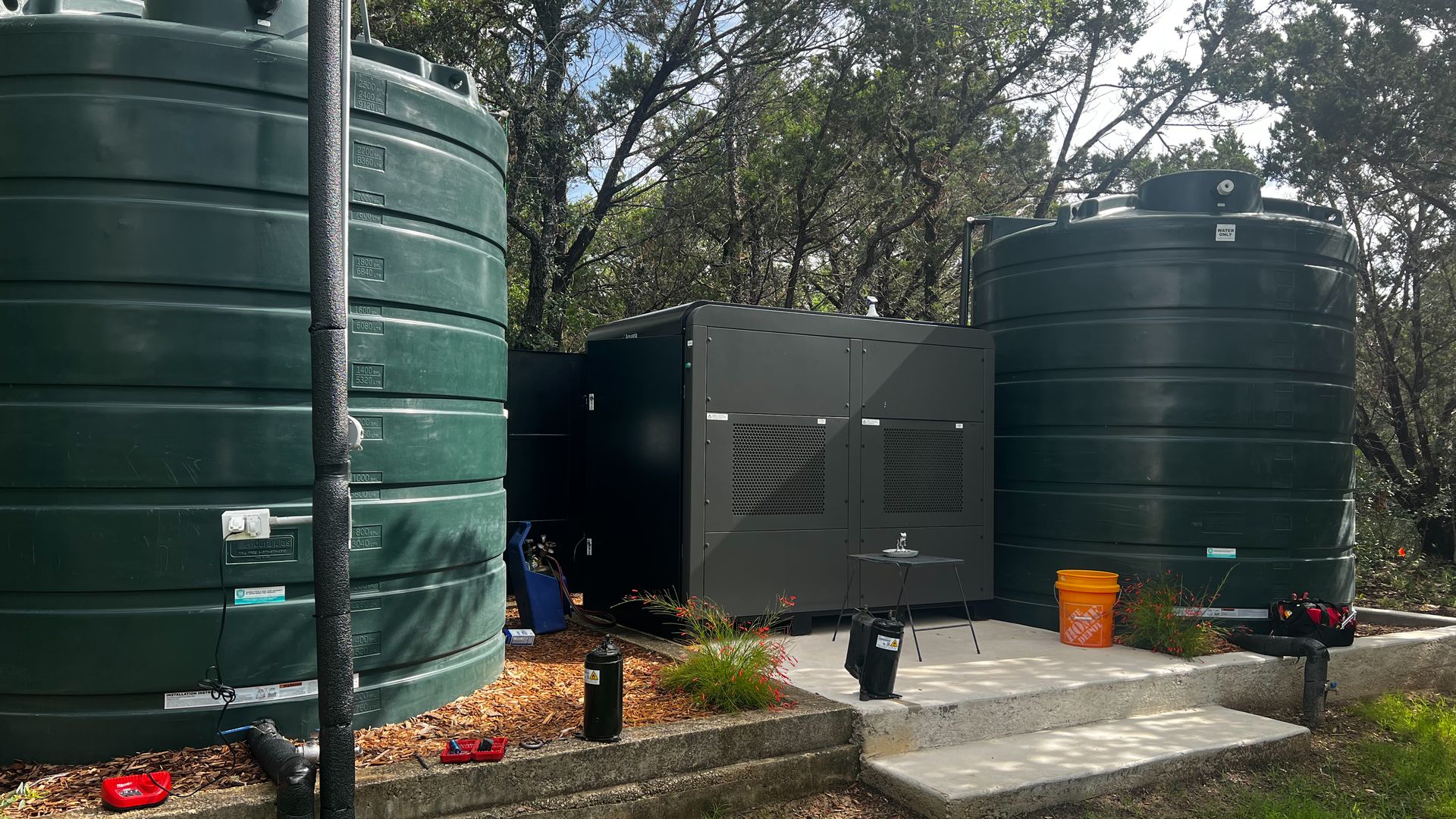
Zoom in: Austin-based Aquaria sells devices called Hydropacks that work similarly to a dehumidifier, pulling water from humidity in the air — but on a much larger scale.
How it works: A small Hydropack (roughly $14,000) is about the size of an air conditioning unit and sits outside a home. It sends water from the air to an external tank that then pumps it into the main water line for a home, San Antonio-based Chris Christal, vice president of sales, tells Axios.
Context: The military has been using similar devices since at least the turn of the century as a way to provide reliable water to overseas troops.
- Other companies use them during natural disasters.
What they're saying: "Most of our Hill Country customer base is from Dripping Springs to Blanco, Texas, and then all around San Antonio," Christal says.
- "There are a lot of people on wells … their wells have now dried up."
Reality check: Electric bills are higher on a Hydropack.
- Still, the costs to truck in water or dig a deeper well can be steep, Christal says.
4. Confluence Park's superpower
Confluence Park isn't just a place to walk along the river — it's a model for the kind of nature-based stormwater projects the San Antonio River Authority (SARA) hopes to expand across Bexar County.
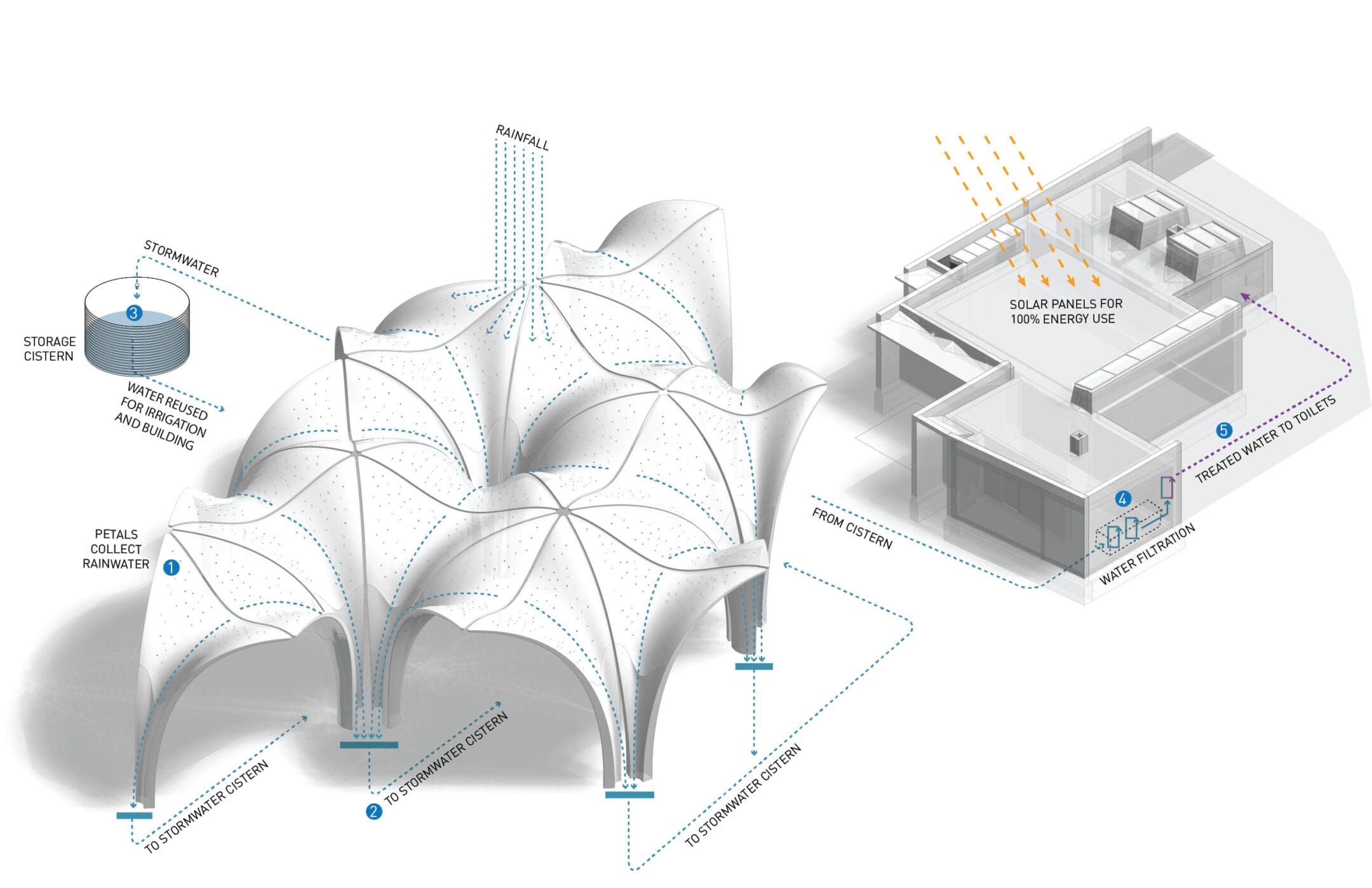
How it works: A partnership between the San Antonio River Foundation and SARA, Confluence Park uses its signature concrete "petals" to collect rainwater and direct it into an underground cistern.
- Combined with a green roof, native planting zones and a parking lot surface that allows water into the ground, they form a system that captures, filters and reuses stormwater.
By the numbers: The cistern stores about 100,000 gallons, with another 100,000 gallons of temporary storage above it.
- In an average year, the park captures roughly 286,000 gallons of rainwater.
- That water irrigates about 2.5 acres of native plants and supplies non-potable uses like flushing toilets.
What they're saying: "Confluence Park kind of sets a standard of what we envision implementing throughout our basin," Mikel Wilkins, who manages SARA's Nature Based Solutions Program, tells Axios.
What's next: The River Authority has identified more than 540 public sites in Bexar County where similar systems could be added, potentially making the park a regional model for flood resilience and smarter water use.
Thanks to our editors Astrid Galván and Bob Gee.
😯 Madalyn has a newfound appreciation for Confluence Park.
😮 Megan is curious about a jacket developed by UT Austin engineers that pulls water from the air and could be worn on hikes.
Sign up for Axios San Antonio