Axios Macro

March 20, 2026


Today, we have trade on the mind. We look at new evidence that international commerce showed surprising resilience last year — and what that might portend for a post-Iran-war world.
- Plus, the latest in the saga of the Justice Department investigation of the Federal Reserve that is holding up confirmation of the central bank's next leader.
Today's newsletter, edited by Jeffrey Cane and copy edited by Katie Lewis, is 936 words, a 3.5-minute read.
1 big thing: Global trade keeps growing, despite it all
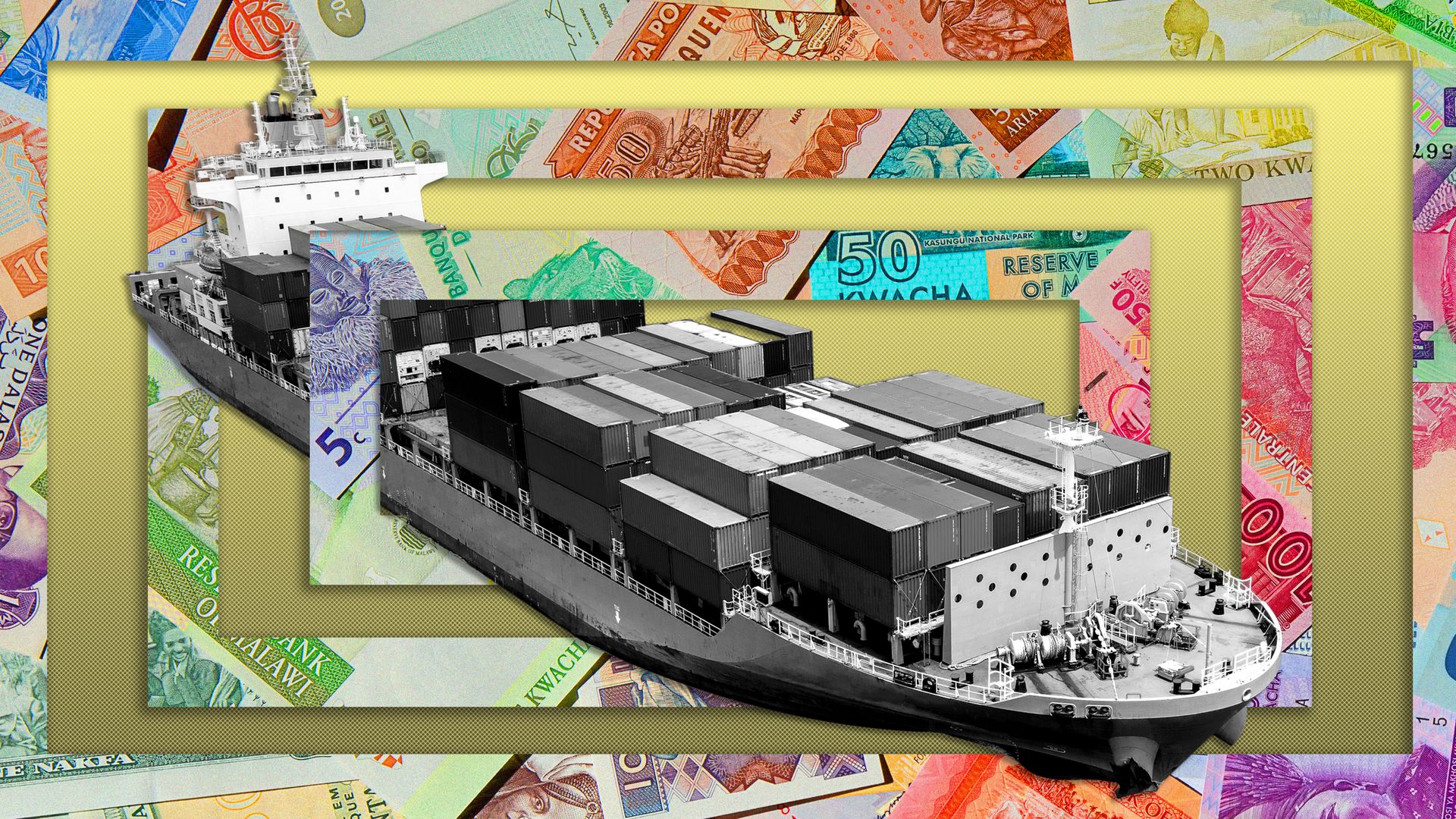
If you only read the headlines, you might guess that global trade came to a standstill in the last year as the U.S. put into place a new tariff regime. You would be 180 degrees wrong.
The big picture: Trade flows proved surprisingly robust last year, with the imposition of high U.S. tariffs changing the patterns and volumes, but not upending the basic reality of a deeply interconnected world economy.
- That's the upshot of two reports out this week, one from the World Trade Organization and the other from the consulting firm McKinsey.
- It reflects China rerouting its exports away from the U.S. and toward Europe and emerging markets — as well as the AI investment boom that created a surge in U.S. imports of semiconductors and related products.
By the numbers: The WTO's latest global trade outlook finds 4.6% growth in global goods trade last year, representing both AI-related products and front-loading by U.S. importers looking to avoid tariffs.
- Global shipments of the hardware needed for AI rose 37% last year, the McKinsey Global Institute found, including a 66% surge in the U.S.
Zoom in: By contrast, U.S. trade in other manufactured goods was down slightly.
- U.S. imports from China plunged, particularly of consumer goods facing new, high tariffs. But Chinese exports were steady, due to a surge in exports of higher-value products like electric vehicles and industrial components to the rest of the world.
- Chinese shipments of "intermediate inputs" like memory chips rose 9% last year, fueled by exports to Europe and emerging markets around the world.
Zoom out: The reality is that global trade amounts to a complex system in which one major disruption — last year, it was U.S. trade policy — causes ripples but doesn't so much destroy overall activity as it reroutes it.
What they're saying: "When you have a highly interconnected network, you have flexibility — much more flexibility than you might think," Olivia White, a McKinsey partner and author of the report, tells Axios.
Yes, but: The blockage of the Strait of Hormuz and the destruction of oil and natural gas infrastructure in the Middle East have generated a new challenge to global commerce, threatening the flow of energy as well as fertilizer needed for crops.
- WTO director-general Ngozi Okonjo-Iweala said in the report that its baseline forecast of continued growth in world trade this year "is under pressure from the conflict in the Middle East."
- Beyond energy, it notes that major agricultural producers including India, Thailand and Brazil rely on the fertilizer that normally passes through the Persian Gulf.
The bottom line: "Just because a trade network can be robust, self-healing and adapt to a lot of shocks doesn't mean that it can be robust to every shock," White said.
2. Trump digs in on Powell probe
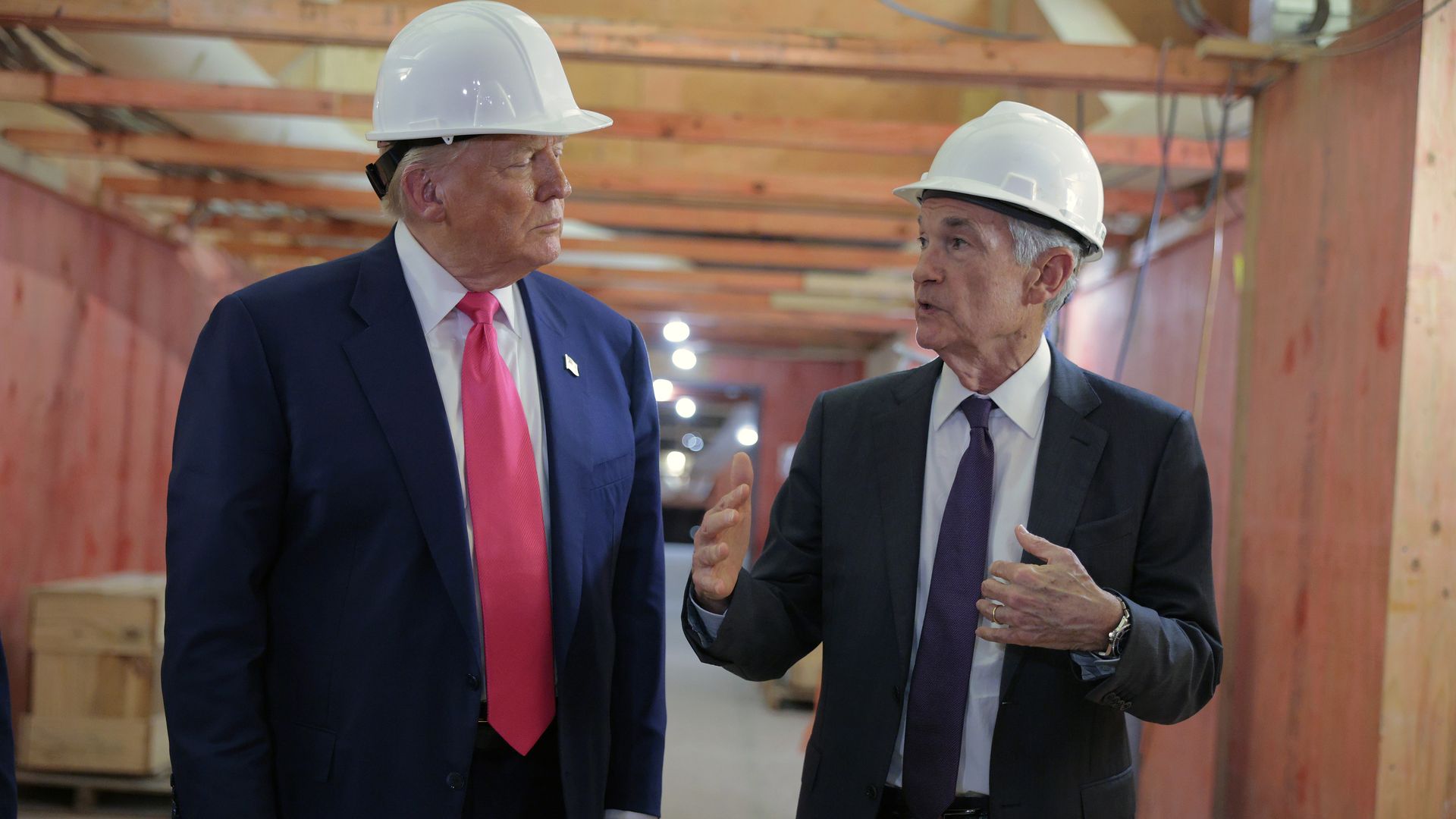
It would make sense for the Trump administration to back away from an unprecedented criminal investigation of Fed chair Jerome Powell.
- Instead, President Trump appears to be digging in his heels, despite the chaos it sows for Kevin Warsh, his nominee to lead the central bank.
- Sen. Thom Tillis (R-N.C.) has said he will not vote to move Warsh or another nominee through the narrowly divided Senate Banking Committee until the matter is resolved.
Why it matters: No one is relenting in the battle, which is set to complicate central bank leadership at the most volatile economic moment in years.
- Powell, whose term expires on May 15, said this week that he won't leave the Fed until the investigation is "well and truly over."
Driving the news: Trump had been amenable to dropping the Powell investigation, Bloomberg reported yesterday, citing people familiar with the matter.
- But then last Friday, a federal judge quashed the Department of Justice subpoenas. The ruling infuriated Trump and fueled a new desire to appeal the decision, Bloomberg said.
What they're saying: Trump's own remarks suggest he wants to keep the momentum behind investigating Powell.
- "All I want to do is bring out to the public that this guy is incompetent — he's a very incompetent guy, and he may be a dishonest guy," Trump said yesterday.
Flashback: It is a more aggressive tone relative to earlier this year, when it looked as if he were distancing himself from the probe.
- "I don't know anything about it, but he's certainly not very good at the Fed, and he's not very good at building buildings," Trump said the night that Powell disclosed news of the DOJ subpoenas.
Friction point: Warsh faces an uphill battle to confirmation as long as the investigation is ongoing and Tillis sticks to his guns. Powell also said this week that he plans to lead the central bank as "chair pro tem" until his successor is confirmed.
- "There's only one way out of a box canyon. Only one way out," Tillis told Semafor in an interview this week. "And I think that they just need to recognize that all they're doing is delaying the confirmation of a good nominee."
- The Washington Post reports, citing two people familiar with the deliberations, that Fed staff are worried the administration might ignite another legal battle by seeking to temporarily install a different Fed governor — like Trump's former economic adviser Stephen Miran — into the chair position.
Sign up for Axios Macro