Axios Macro
April 20, 2026


Kevin Warsh faces the Senate Banking Committee tomorrow at 10:00am for a confirmation hearing to be the next leader of the Federal Reserve — likely the sole opportunity to lay out his vision for the Fed publicly before taking office.
- Today, we look at what's at stake in his answers — and offer some ideas of what we would ask if we were on the dais.
Today's newsletter, edited by Jeffrey Cane, is 844 words, a 3-minute read.
1 big thing: Key questions for Kevin Warsh
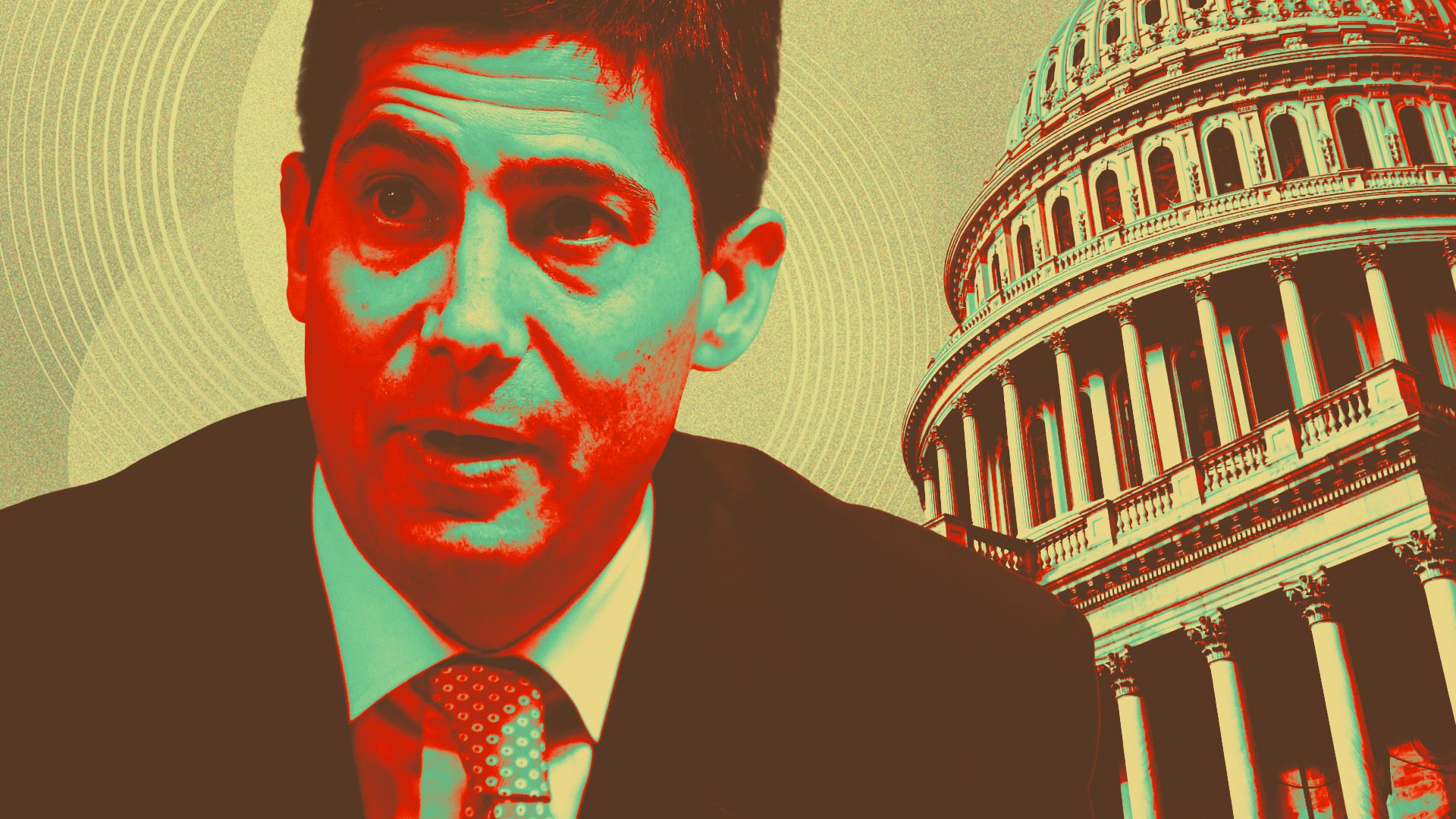
Warsh has been lying low since becoming the president's choice to be the world's most powerful central banker. Tomorrow's hearing will likely be the lone opportunity for public questioning of his views and intentions.
The big picture: Democrats are likely to focus their questioning on Warsh's commitment to preserving the Fed's independence from the White House and on potential conflicts of interest from his sprawling investment portfolio.
- But there are broader questions worthy of exploring around how he envisions shifting Fed policy in the short and long runs, and how he seeks to reform an institution that he has attacked as unwieldy and suffering from mission creep.
- It is outside modern historical experience for a Fed chair nominee to have a record of such sharp, vocal criticism of the institution.
Zoom out: A Fed chair inevitably faces challenges and crises that can't be foreseen during a confirmation hearing.
- Nobody asked Alan Greenspan in the summer of 1987 how he would deal with a stock market crash, but that's what happened when he was two months into the job. Nobody expected Ben Bernanke to bail out banks or Jerome Powell to grapple with a pandemic.
- But the questioning can reveal the intellectual instincts that will guide the nominee once in the big chair at the central bank.
- Warsh has explained his views over the last couple of years in newspaper op-eds, set-piece speeches and friendly podcast appearances. The hearing will be an opportunity for senators on both sides of the aisle to stress-test them.
Zoom in: On near-term policy, Warsh has argued that the productivity surge being unleashed by AI and by the Trump administration's tax and deregulatory policies justify lower interest rates because that would allow for non-inflationary growth.
- Some current Fed policymakers have noted factors pointing in the other direction: that high growth in productivity implies a higher cost of capital and that the rapid data center buildout may be contributing to some inflationary pressure.
More broadly, how urgently will Warsh seek interest rate cuts in light of a new surge of inflation driven by the Iran war?
- Should the fact that inflation has been above the Fed's target for more than five years cause the central bank to resist further rate cuts until it can get price pressures more firmly under control?
State of play: There are bigger questions around what Warsh's chairmanship will mean for policy in the medium term. He has been sharply critical of the central bank's $6.6 trillion balance sheet, arguing that it gives the institution too big an imprint on financial markets.
- But trying to shrink it and tilt it toward plain-vanilla holdings of Treasury bills carries its own risks.
- One is disruption to the banking system and money markets that have come to rely on high levels of reserves.
- Another is that if the Fed tries to contract its $2 trillion holdings of mortgage-backed securities too abruptly, it could cause a spike in mortgage rates, resulting in further pain for homebuyers.
What's next: While Warsh was an architect of the Fed's 2008 financial crisis response, he argues that the central bank has been too willing to use what were supposed to be once-in-a-lifetime tools to combat every crisis that comes along.
- In particular, he has called out the Fed's interventions during the pandemic and after the failure of Silicon Valley Bank in 2023 as beyond the central bank's proper remit.
It raises an important question: If a crisis arises during his tenure, as it did for Greenspan, Bernanke and Powell, how will he respond when it's his call to make?
2. What we would ask Warsh
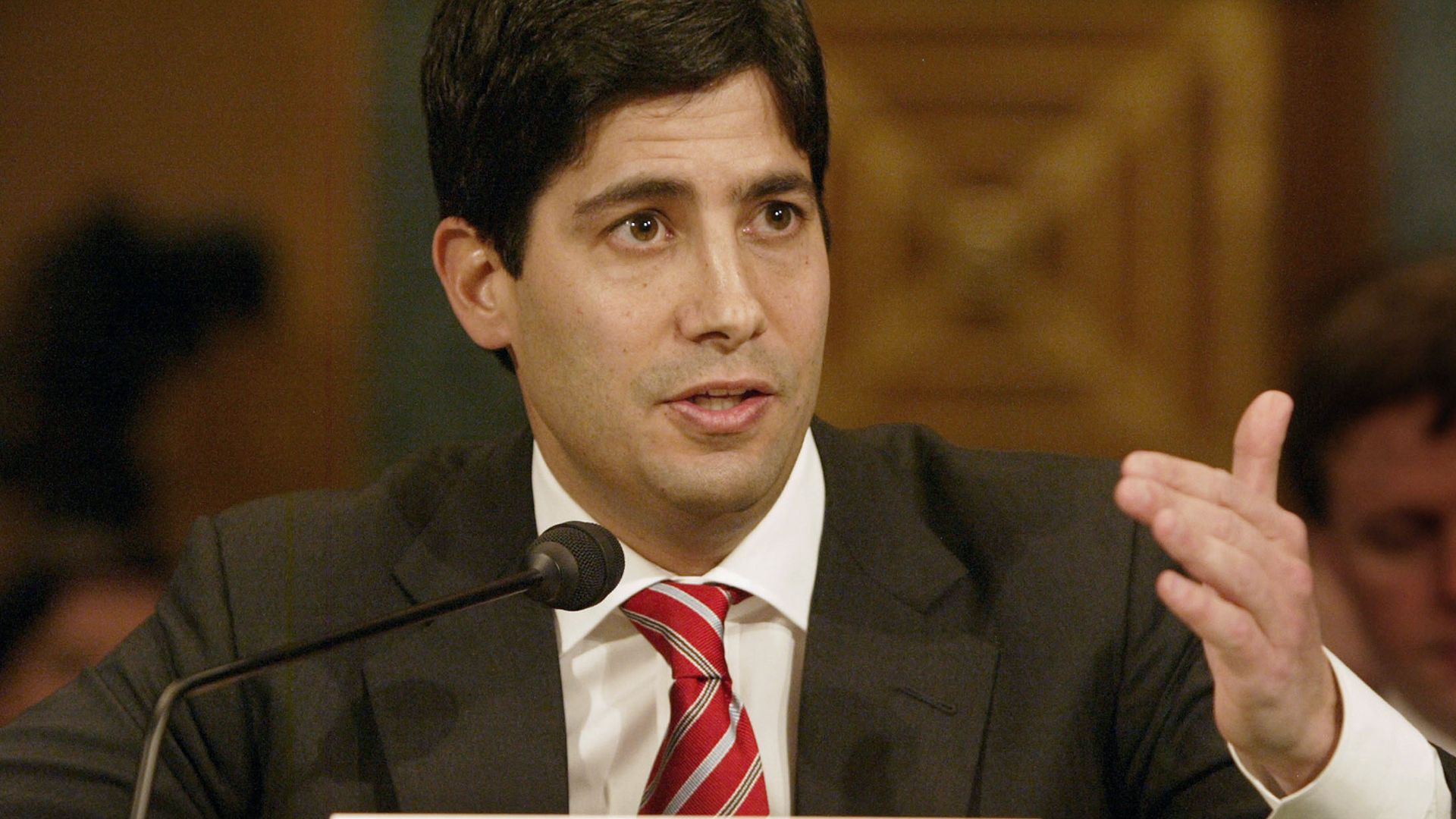
Those are broad themes for the senators to explore in questioning of Warsh. Here are a few specific questions we would ask if suddenly offered a spot on the Senate Banking Committee.
- The Federal Reserve Act indicates that governors can be removed for cause. What, in your view, constitutes cause and what do you believe a president needs to do to establish it if he wants to fire a governor?
- Do you believe, as Sen. Thom Tillis (R.-N.C.) does, that the Justice Department inquiry into the Fed's building project is a pretext to pressure the Fed on rates policy? Do you believe it should be dropped?
- You've argued for a new version of the 1951 Treasury-Fed accord that has shaped the roles of the two entities for 75 years. What would this consist of?
- You've been critical of several mainstays of modern central banking: reliance on complex macroeconomic models, "data-dependence" and "forward guidance," to indicate where officials think policy is going. What would you replace those tools and frameworks with?
Sign up for Axios Macro