Axios Macro

October 01, 2026


Major economies may be chafing at the Trump administration's sweeping tariffs on imports, but some of the logic behind them is being more widely embraced.
- More below, from the sidelines of a G20 trade ministers meeting in Milwaukee. Plus, a new seven-layer metaphor for inflationary pressures in the economy.
Today's newsletter, edited by George Moriarty and copy edited by Amy Stern, is 1,012 words, a 4-minute read.
1 big thing: The world shifts on trade
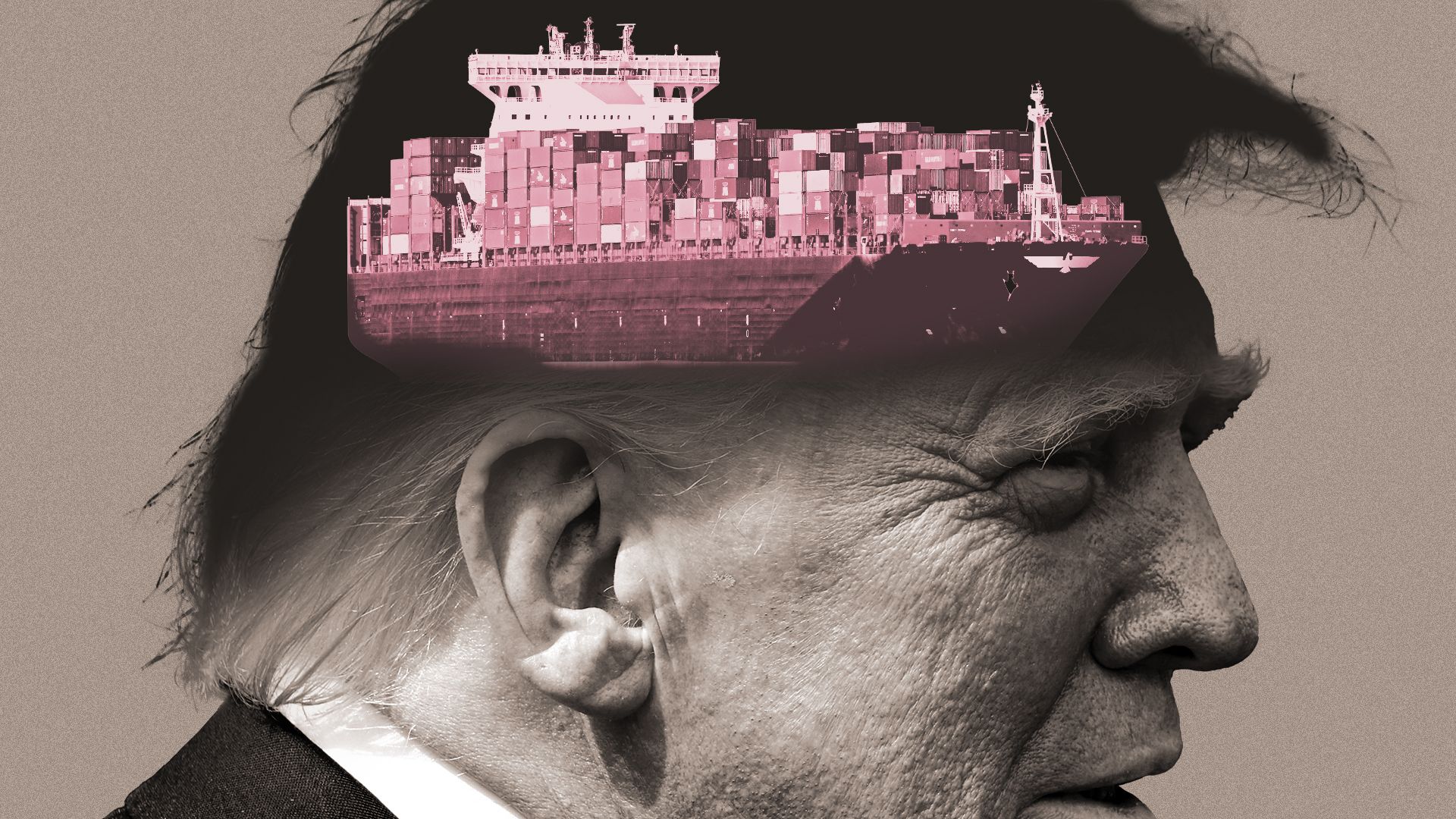
More countries are buying into a core piece of President Trump's argument about what is broken in global trade, even as his tariffs rattle the world economy.
Why it matters: Two major agreements over the past month show that more countries are embracing the view that huge trade imbalances and excess production can hurt domestic industries and may warrant action.
Driving the news: G20 trade officials are in Milwaukee this week, where they announced a new agreement to tackle the global steel glut.
- The "Milwaukee Framework" calls on countries to curb market-distorting subsidies and step up monitoring of steel imports and trade circumvention.
- It also endorses "evidence-based actions" against excess capacity, including possibly tariffs.
That agreement follows a broader acknowledgment at the G20 finance ministers meeting in Asheville, N.C., in September.
- The U.S. and nearly every other G20 economy there agreed that large, persistent trade imbalances can harm other countries. They signed on to a statement that asked nations with big surpluses to address policies that leave them overly reliant on exports for growth.
- China was the lone G20 member present to object to that statement.
Between the lines: For decades, governments have warned about distortions in global trade, including excess steel production. What is changing: the willingness to acknowledge the damage to domestic industries and protect them.
- "Most countries agree with these global issues, people agree with the diagnosis, but they're loath to action," U.S. Trade Representative Jamieson Greer told reporters on the sidelines of the conference. He said the Milwaukee agreement "couldn't have happened in 2015."
- "All these other countries — they know that if they want to continue to have access to the U.S. market, we need to adjust the international system," Greer said. "As we come with creative ideas and new structures and cohesive plans, they're coming on board."
Zoom out: EU trade chief Maroš Šefčovič welcomed the administration's focus on excess capacity at a roundtable with Greer and manufacturing CEOs at Rockwell Automation's Milwaukee headquarters on Tuesday.
- European industries are being crushed by cheap imports driven by global overcapacity, much of it from China. Europe is responding with more trade barriers of its own — possibly including harsher tariffs.
- "I think a lot of folks in Europe, including the trade commissioner and others, I think they're pretty clear-eyed about this issue…. They're starting to go through some of the steps we started going through 10 years ago," Greer said, adding he believes Europe itself contribute to global excess capacity.
The other side: U.S. trading partners are dealing with tariffs, or the prospect of tariffs, aimed at some of the same problems they are working with Washington to address.
- Most Canadian steel exports to the U.S. face a 50% tariff. An import ban on certain Canadian products took effect as one of the nation's trade officials arrived in Milwaukee.
- Greer is also investigating excess capacity and production in 16 economies — probes that could ultimately clear the way for fresh tariffs.
- Greer acknowledged that tension at the roundtable, noting that the U.S. and its trading partners may have disputes with one another but still share concerns about excess production elsewhere.
The intrigue: Foreign trade ministers piled into coach buses yesterday afternoon for a 1.5-mile trip to Rockwell Automation's Milwaukee headquarters, where they toured the factory floor.
- The "field trip" was intended to show the kind of advanced domestic manufacturing the Trump administration wants to encourage.
- Rockwell gave the ministers steel-toed sneakers for the tour (which were made in Vietnam).
Zoom in: Rockwell, which makes automation technology used on factory floors, is investing $2 billion in U.S. plants, talent and technology. But tariffs are also raising costs for the manufacturer.
- Rockwell told investors over the summer that some of its customers are delaying projects.
- "In such a volatile environment with respect to tariffs and inflation, they want to make sure that the cost side of their business case is solid," CEO Blake Moret said on the company's earnings call.
The bottom line: Trump-era tariffs are divisive, but the president's case for rethinking the global trading system is proving less so.
2. The Fed's 7-layer dip problem
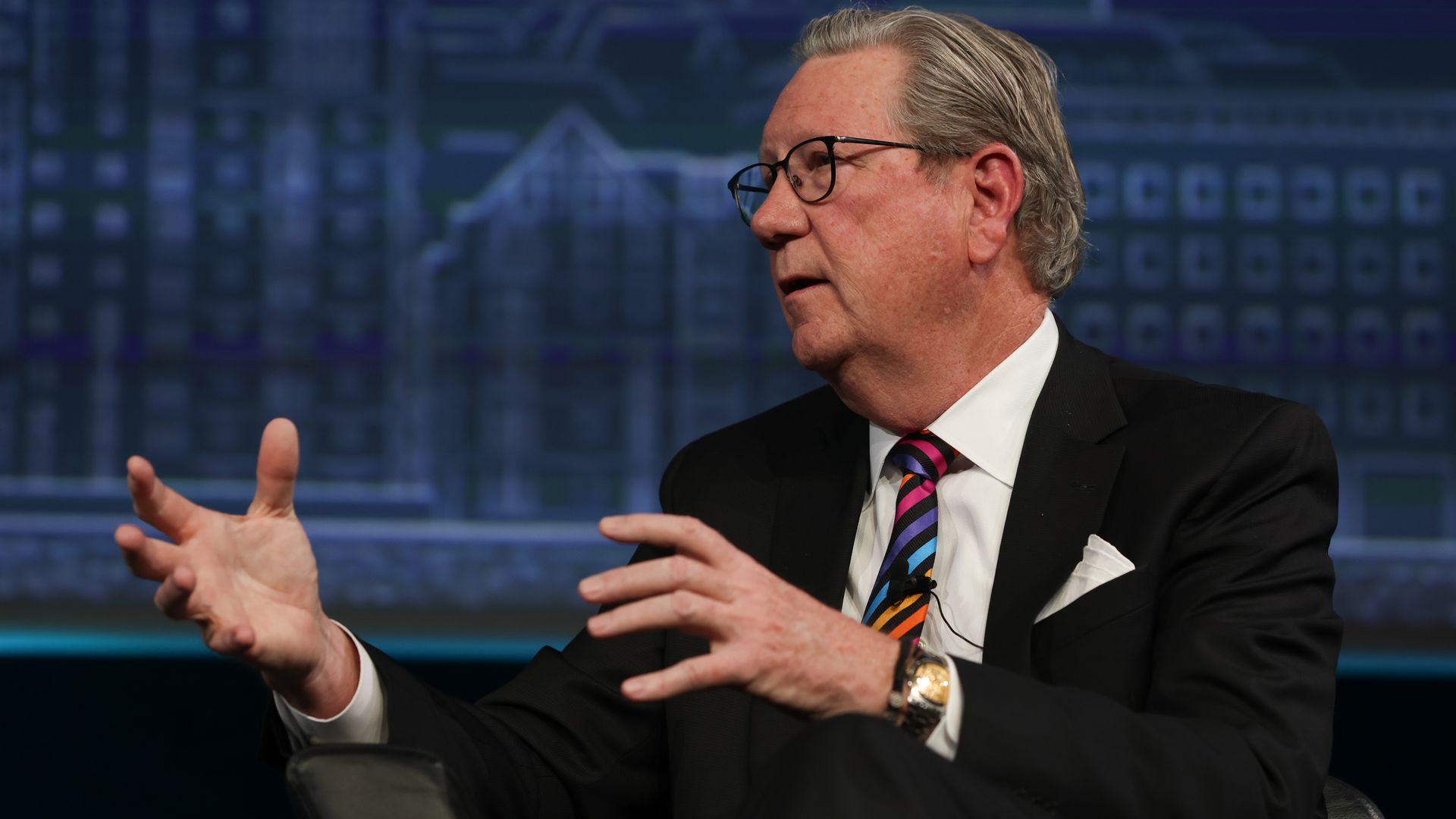
The relentless rise in long-term interest rates is starting to have effects on more parts of the economy, Kansas City Fed president Jeff Schmid told Neil this morning.
- "You're starting to see some friction in some of the long-market users of credit," he said, pointing to multifamily housing and commercial lending.
- "Even on the mortgage rate side, it's starting to affect home prices, which is how the price of credit works relative to valuation," Schmid said at a conference on investing in rural America hosted by the Federal Reserve Bank of Richmond in Asheville, N.C.
The big picture: Schmid spoke alongside Richmond Fed president Tom Barkin and Boston Fed president Susan Collins, who weighed in on the forces driving the rise in borrowing costs.
- "I think you're seeing this trillion-dollar AI buildout, and I think it's not surprising that rates go up if you've got a lot more demand out there," Barkin added.
Collins said AI investment is also helping drive the solid economic growth that has persisted despite higher borrowing costs.
- "I think it does have broader effects, not just in particular sectors," Collins said. But it "remains to be seen" whether investment will continue at its current pace, she added.
The intrigue: Schmid likened the Fed's challenge of separating strong demand from supply-driven inflation to a seven-layer dip — one of his favorite foods.
- "The beauty of a seven-layer dip is you have equal amounts of beans and sour cream," Schmid said. Right now, with AI and data centers, "there's too much beans in that dip," he added.
- "And not enough chips!" quipped Barkin.
Sign up for Axios Macro