Axios Macro
January 30, 2025


This morning's GDP report showed the economy kept powering ahead to close out 2024 — and looks even better once you dig into the details.
- More below, plus a revealing market turnabout from yesterday's Federal Reserve policy meeting.
👋 We want your take. Help us make Macro even sharper by sharing your feedback! It's quick, and your insights will shape the future of our coverage. Take the survey.
Today's newsletter, edited by Ben Berkowitz and copy edited by Katie Lewis, is 666 words, a 2½-minute read.
1 big thing: The economy is chugging along
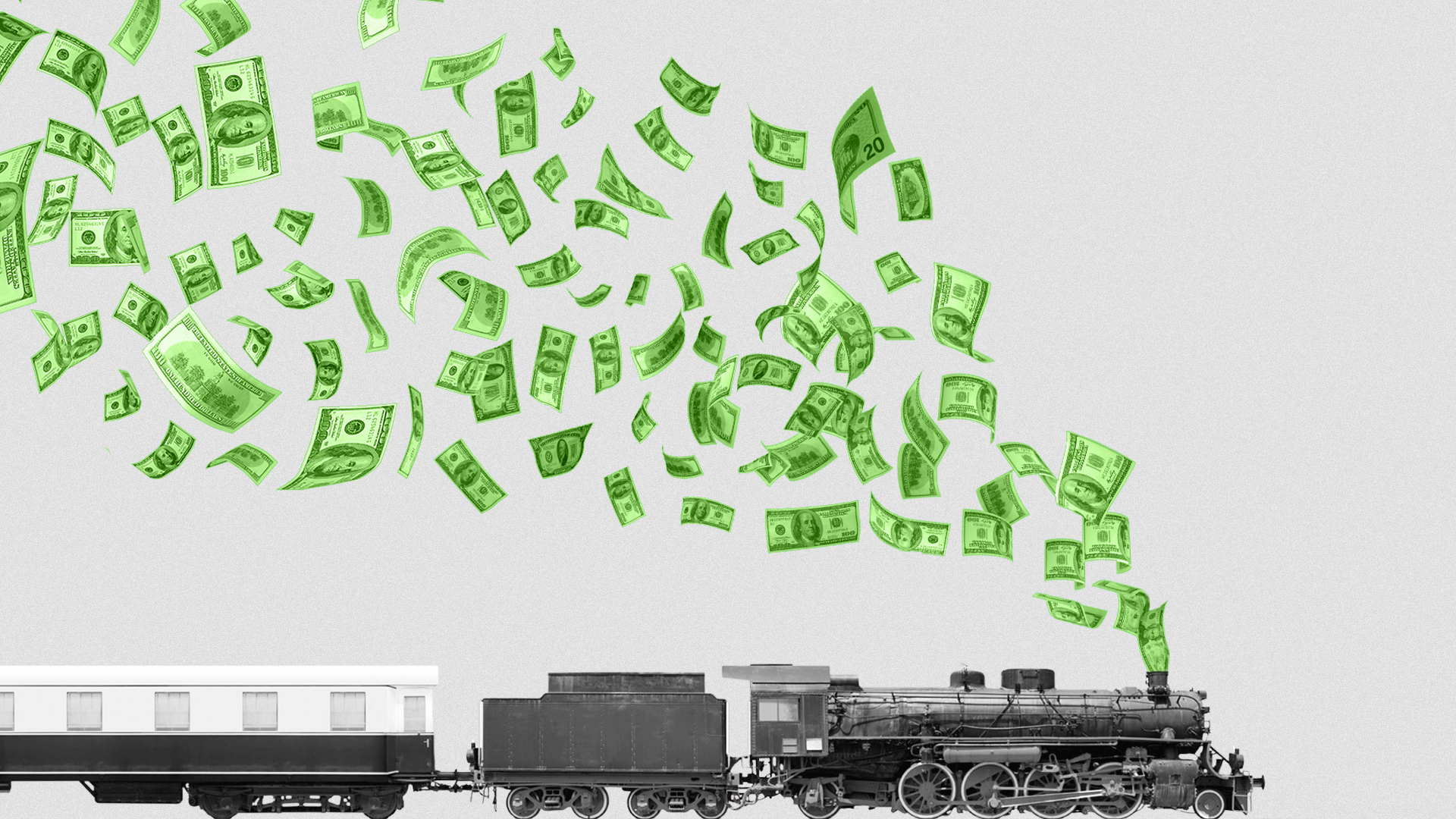
Today's GDP report, at first glance, points to a year-end slowdown in growth. But that's a mirage. Under the hood, there isn't much cooling underway at all.
Why it matters: America's economy continued to chug along in the final months of 2024, with few signs of wavering demand.
- The economy is not overheating but is holding in a steady state — an outcome welcomed by economic policymakers still battling inflation with huge uncertainties ahead.
- The GDP report's details "tell a more robust story that will keep the Fed wary about easing monetary policy too far too fast," James Knightley, chief international economist at ING, wrote this morning in a note.
By the numbers: The economy expanded at a 2.3% annualized rate in the October to December period, backing off from the 3.1% pace in the third quarter.
- Economic growth last quarter was powered by stronger consumer spending, which added almost 3 percentage points to the headline figure as unemployment remains low and wages grow in real terms.
- Spending on goods was particularly strong, growing 6.6% from the previous quarter, the quickest quarterly pace since the pandemic recovery in 2021. Service sector spending rose 3.1%, compared to 2.8% in the third quarter.
- The housing sector showed signs of life after being crushed by higher interest rates: Homebuilding was a slight GDP boost after two straight quarters of pulling down growth.
- Businesses slowed spending on buildings, equipment and more, with activity dropping 2.2% last quarter after strong investment for most of 2024. The category is being closely watched for signs of AI-related spending.
The intrigue: A measure of economic activity that captures underlying growth dynamics — as opposed to one-off forces — shows the economy is keeping pace.
- Final sales to private domestic purchasers increased at a 3.2% annualized rate, just 0.2 percentage points below that in the third quarter.
Between the lines: Inventory destocking was a key factor holding back headline GDP growth.
- That is among the most volatile components of GDP, and appeared to reflect a surge in demand.
What they're saying: "The auto industry wasn't keeping up with demand on dealer lots, causing lower inventories at both retail and wholesale levels," Comerica chief economist Bill Adams said in a note, pointing to demand for EVs and replacement vehicles for those destroyed by hurricanes.
The bottom line: Fed chair Jerome Powell said yesterday that central bank officials agreed they could be patient in assessing its next move, in part because the economy is in a "good place."
- Today's data suggests that judgment was correct.
2. The Fed's round trip

You know it's a quiet moment for Fed policy when markets are driven not by any actual policy move, but by modest wording shifts in its statement — followed by comments from Powell that tamp down the importance of that wording.
State of play: Stocks initially sold off on the Federal Open Market Committee's policy statement that said inflation "remains somewhat elevated" — in contrast to its previous statement that inflation "has made progress toward the Committee's 2 percent objective but remains somewhat elevated."
- Markets viewed that as a hawkish signal. After all, the words that were deleted amounted to reassurance that Fed officials were comfortable with the direction things were heading.
- Less reassurance inflation is coming down = higher risk that rates stay higher for longer.
The intrigue: Minutes later, asked about the wording change, Powell tamped down its importance.
- "We did a little bit of language cleanup there," Powell said. "We took out a reference to 'since earlier in the year' as it related to the labor market, and we just chose to shorten that sentence."
- Nothing to see here. Markets rallied accordingly.
Yes, but: "The Fed chooses its statement language carefully, and brevity has not been an important objective for a long time," economists at Brean Economics wrote in a note yesterday.
- "It seems unlikely to us that the removal of the reference to inflation progress was solely because the Fed 'chose to shorten that sentence,' as Powell claimed."
Sign up for Axios Macro