Axios Macro
July 10, 2025


Today, we go deep on the supersized interest rate cuts President Trump is demanding from the Federal Reserve.
- We look at why he probably won't get what he wants anytime soon, and why his demands may prove counterproductive if he really wants cheaper money.
👀 Situational awareness: The number of Americans filing new claims for unemployment benefits fell to 227,000 last week, the fourth straight week of declines. Continuing claims continued to tick up, however.
Today's newsletter, edited by Ben Berkowitz and copy edited by Katie Lewis, is 927 words, a 3½-minute read.
1 big thing: Trump's mega-rate cut dreams could backfire
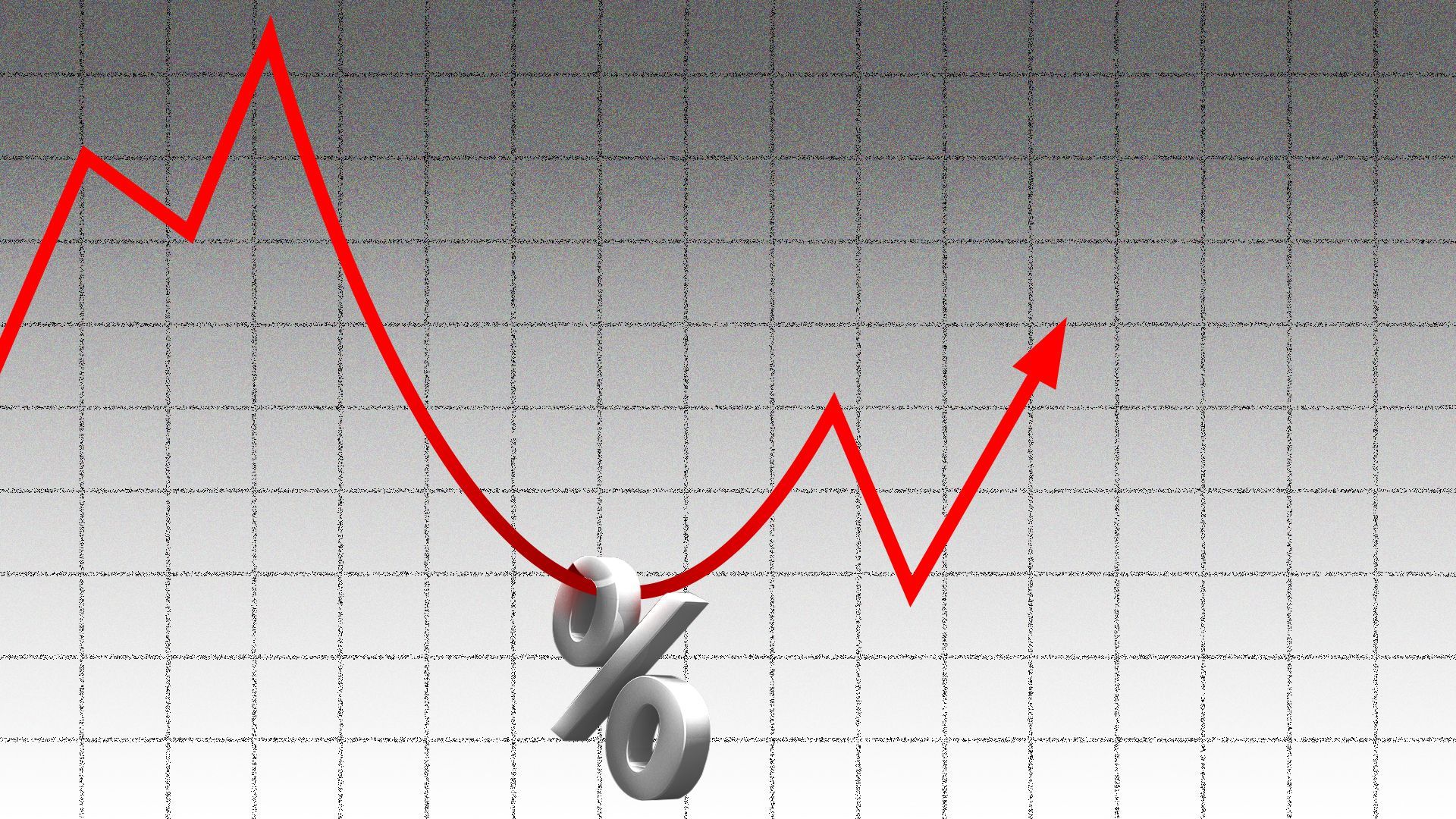
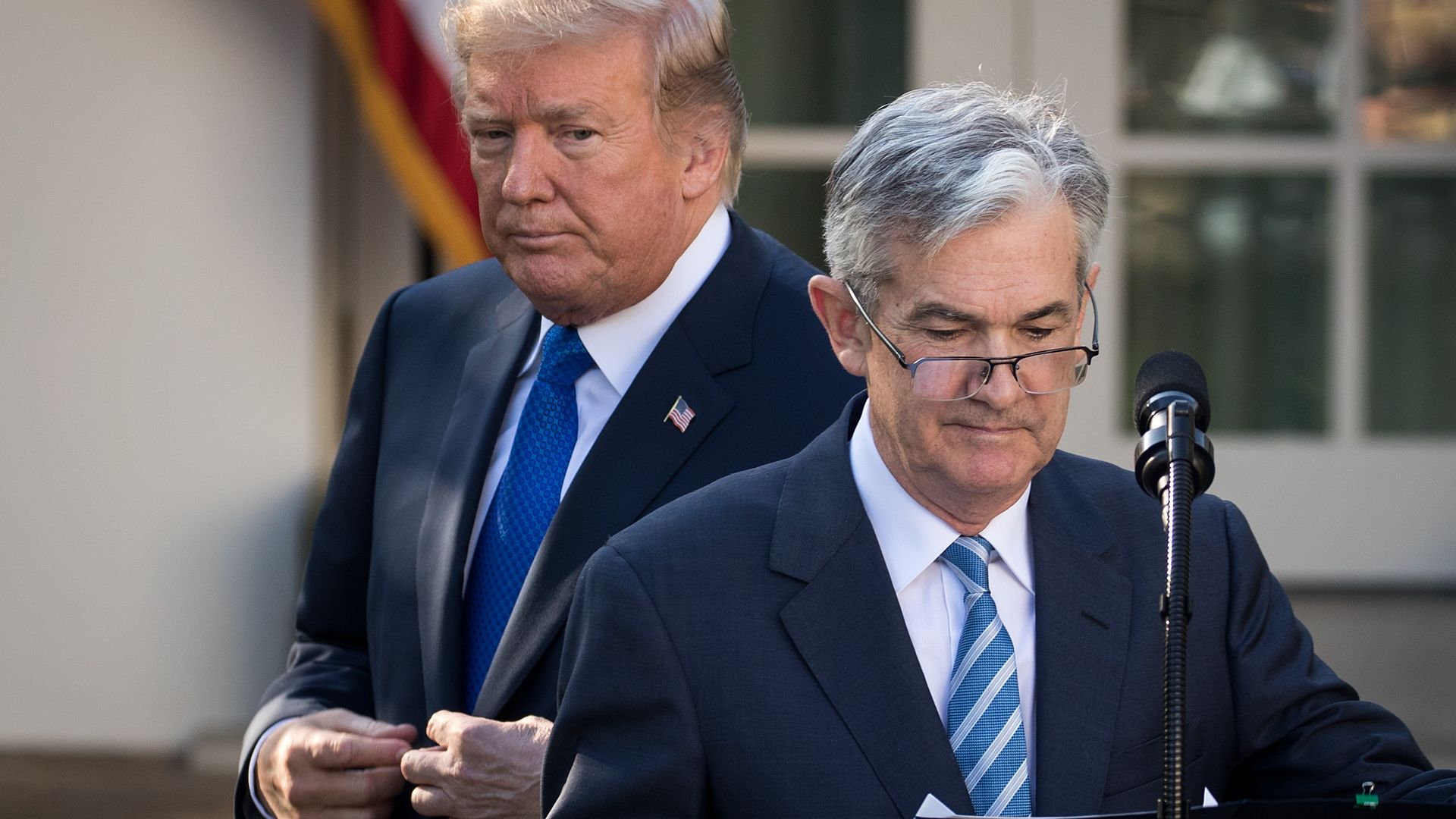
Trump and a growing chorus of Republicans want the Fed to deliver big-time interest rate cuts, now. They might want to be careful what they wish for.
The big picture: While there is a reasonable case for cutting interest rates soon, there are few signs in the data that interest rate policy is wildly out of step with the U.S. economy's fundamentals.
- Any new Fed chair Trump appoints will have a hard time convincing the 11 other members of the policy-setting Federal Open Market Committee that not only has the time come for rate cuts, but that there should be policy adjustments on a scale only seen in major crises in the past.
- Moreover, the kinds of steep rate cuts the president seeks — at a time the economy is broadly in balance — risk increasing long-term borrowing costs, particularly if they're seen as politically motivated.
State of play: When the monetary policy dials are set incorrectly, it tends to show up in the economic data.
- In early 2022, policy was way too loose, as evidenced by inflation soaring. In 2008, policy was too tight, reflected in the unemployment rate surging.
- Right now, nothing is so obviously out of whack. The unemployment rate is 4.1%, and inflation has been 2.3% over the last year, by the Fed's preferred measure.
Zoom out: Given that equipoise, there's a good case that the Fed should be shifting monetary policy toward a neutral stance in hopes of keeping the good times going.
- The median Fed official thinks that long-term neutral rate is 3% (their current rate target is around 4.4%), so getting to neutral would imply five or six quarter-point rate cuts.
- Chair Jerome Powell acknowledged last week that the Fed would be in rate-cutting mode already if officials weren't worried about tariffs causing an inflation surge.
Yes, but: The president and his allies are arguing for much steeper rate cuts than those — and with a rationale that risks unintended consequences by undermining the credibility of the Fed to keep inflation in check over the longer term.
- "Our Fed Rate is AT LEAST 3 Points too high. 'Too Late' is costing the U.S. 360 Billion Dollars a Point, PER YEAR, in refinancing costs," Trump wrote on Truth Social yesterday.
Reality check: That implies cutting the Fed's rate target to around 1.4%, well below Fed officials' best guess of the neutral rate and therefore a highly stimulative stance.
- That's the kind of policy stance the Fed takes when the labor market is in the dumps and in need of monetary stimulus, not when the economy is healthy.
- To achieve the kind of rate cut Trump is calling for, a newly appointed Fed chair would need to persuade their colleagues that either the job market is in much worse shape than it appears, or that their estimates of the neutral interest rate are off base and it is actually much lower than 3%, or both.
2. The long bond keeps the score
When a central banker makes the wrong move — setting policy interest rates out of step with economic reality — the bond market will usually let them know.
- That creates a great paradox for Powell and his successor. If they cut rates inappropriately, there's a good chance that longer-term interest rates would rise, contrary to the president's desires.
Zoom in: The Fed directly controls short-term interest rates, but longer-term interest rates — which determine mortgage rates, many corporate borrowing costs, and much of the federal government's debt service — are set on the global bond market.
- Investors trade based on their expectations for future growth and inflation. That means long-term rates are less a reflection of Fed policy at that moment and more about where the economy is heading.
Flashback: We have extremely recent experience with this. Last fall, the Fed cut its target interest rate three times for a combined 1 percentage point.
- But the 10-year Treasury yield increased by nearly a full percentage point during that same span, reflecting market expectations of both faster growth and higher inflation.
- The inverse happened in December 2018, when the Fed signaled more rate hikes were on the way and long-term interest rates fell. Powell would ultimately mark Fed policy to market with three rate cuts in 2019.
Between the lines: Those were relatively contained episodes that didn't do lasting economic damage. But when the credibility of a central bank comes into question — its ability to make decisions based on economics, not political considerations — the damage can be more severe.
- The U.S. government can currently borrow money for 10 years at 4.37%, about the same as the Fed's short-term interest rate target. Investors are willing to buy bonds at that rate in part because they believe the Fed will set policy based on economic conditions, not on what is most convenient for the fiscal authorities.
Of note: Richard Nixon successfully pressured Fed chief Arthur Burns to keep monetary policy loose in the run-up to the 1972 election. But that contributed to a surge in inflation soon after — to over 12% in 1974.
- The federal government's borrowing costs soared, too, with 10-year yields rising from around 6% in 1972 to over 8% in 1974.
- The inflationary surge helped propel Jimmy Carter to the White House in 1976.
The bottom line: "The Fed is under increased pressure from the Trump administration to cut rates, but that effort could backfire on the administration if it fosters higher longer-term interest rates as market participants weigh the possibility that the Fed might pursue an excessively loose monetary policy," wrote Tim Duy, chief U.S. economist at SGH Macro Advisors, in a note.
Sign up for Axios Macro