Axios Macro
November 10, 2026


Another month, another hot inflation report that suggests America's affordability woes are far from over.
- More below, including what it means for the Federal Reserve, (along with the spicy comments from a top Fed official that are moving financial markets today). 🌶️
Today's newsletter, edited by Jeffrey Cane and copy edited by Amy Stern, is 1,093 words, a 4-minute read.
1 big thing: Harsh new inflation reality
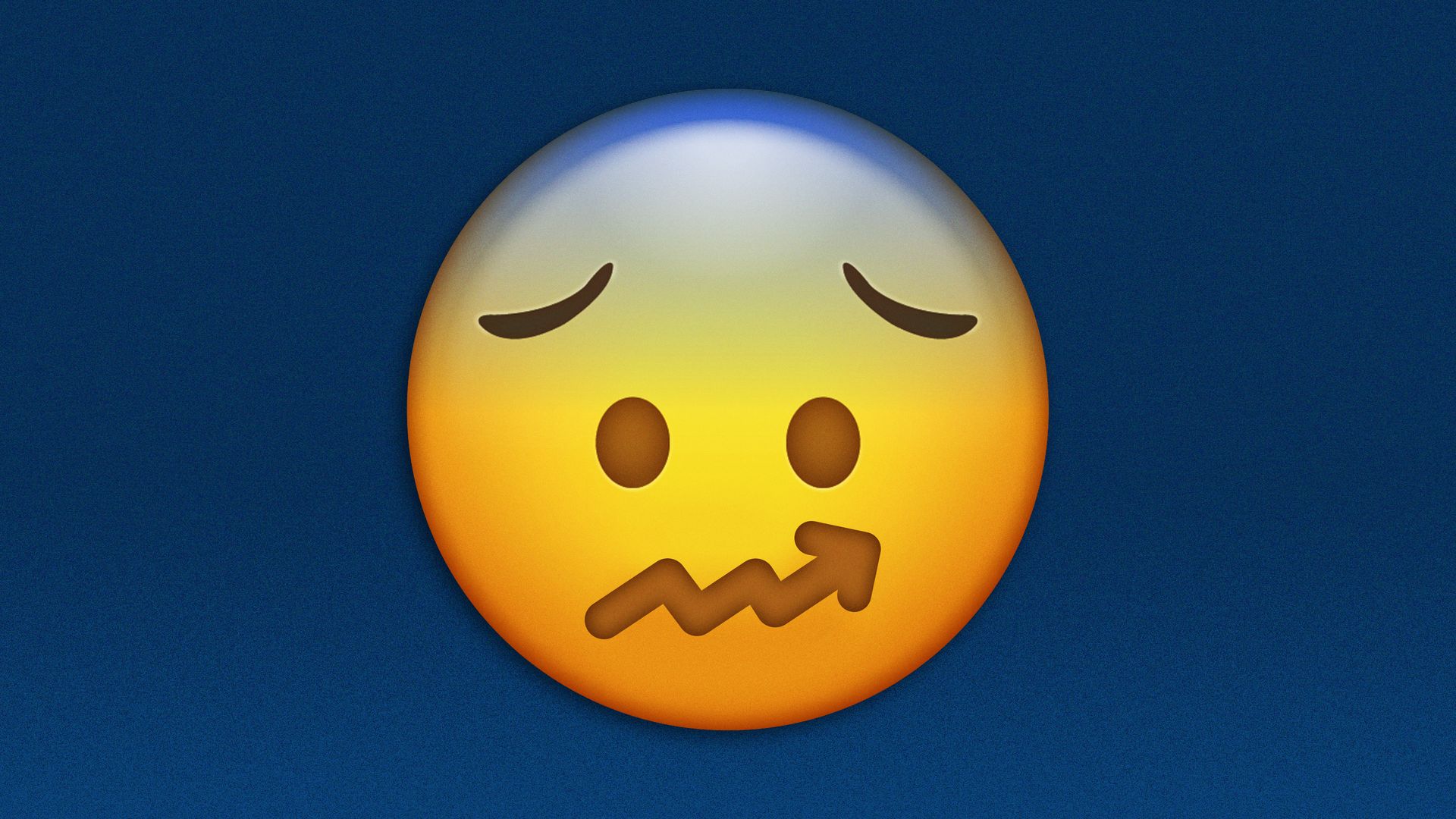
America's inflation problem is stubborn, broadening out and showing no sign of letting up.
Why it matters: October marked the third straight month of hotter-than-expected inflation, defying repeated predictions over the last couple of years that price pressures were finally about to ease.
- In this sixth consecutive year of steep price increases, consumers are finding there is nowhere to hide from inflation.
- The Iran war has added to the pain, but other factors — tariffs and the AI investment boom — have also put upward pressure on costs, complicating an affordability problem that long predates the conflict.
What they're saying: "Today's inflation report is a warning shot," Seema Shah, chief global strategist at Principal Asset Management, wrote this morning.
- "Coming just a week after the midterm elections exposed the depth of voters' concerns about affordability, the message for the Fed is uncomfortable but clear: The inflation fight is not finished," Shah wrote.
Driving the news: The headline Consumer Price Index rose 0.4% in October, down slightly from a 0.6% surge the previous month.
- Core CPI — which excludes volatile food and energy costs — climbed 0.3% for the third consecutive month, a sign that underlying inflationary pressures remain stubbornly persistent.
The Labor Department did not calculate October's annual inflation rate since last year's government shutdown prevented it from collecting price data for October 2025.
- But assuming prices that month were halfway between September and November, overall inflation over the last 12 months was 4% — up from 3.7% in September. Core inflation would have risen to 2.8%, up from 2.6%.
- Another measure similarly paints a picture of hot inflation. Core prices rose at a 3.7% annualized pace over the three months through October, the fastest pace by this gauge all year.
- It also is a sharp acceleration from the summer, when underlying inflation appeared to be cooling.
Zoom out: Gasoline prices advanced another 1% in October after surging 9.1% in September, adding to the steep increase in fuel costs since the Iran war began.
- Food prices climbed, raising concerns that higher diesel costs are rippling through to consumer prices. Grocery prices increased 0.4% after declining in September, while restaurant prices gained 0.5%.
- Shelter costs rose 0.3%, accounting for more than 30% of the overall increase in consumer prices last month.
Zoom in: Inflation is persistent in the services sector, which is largely insulated from swings in energy prices.
- A closely watched inflation measure that excludes housing, energy and food prices surged 0.4% in October — pushed up by higher costs in transportation, medical care and insurance.
What to watch: A strong labor market is not providing much relief from the sharply rising cost of living.
- Inflation has now outpaced or matched wage growth for three consecutive months, leaving workers with less purchasing power.
2. Get ready for rate hike(s)
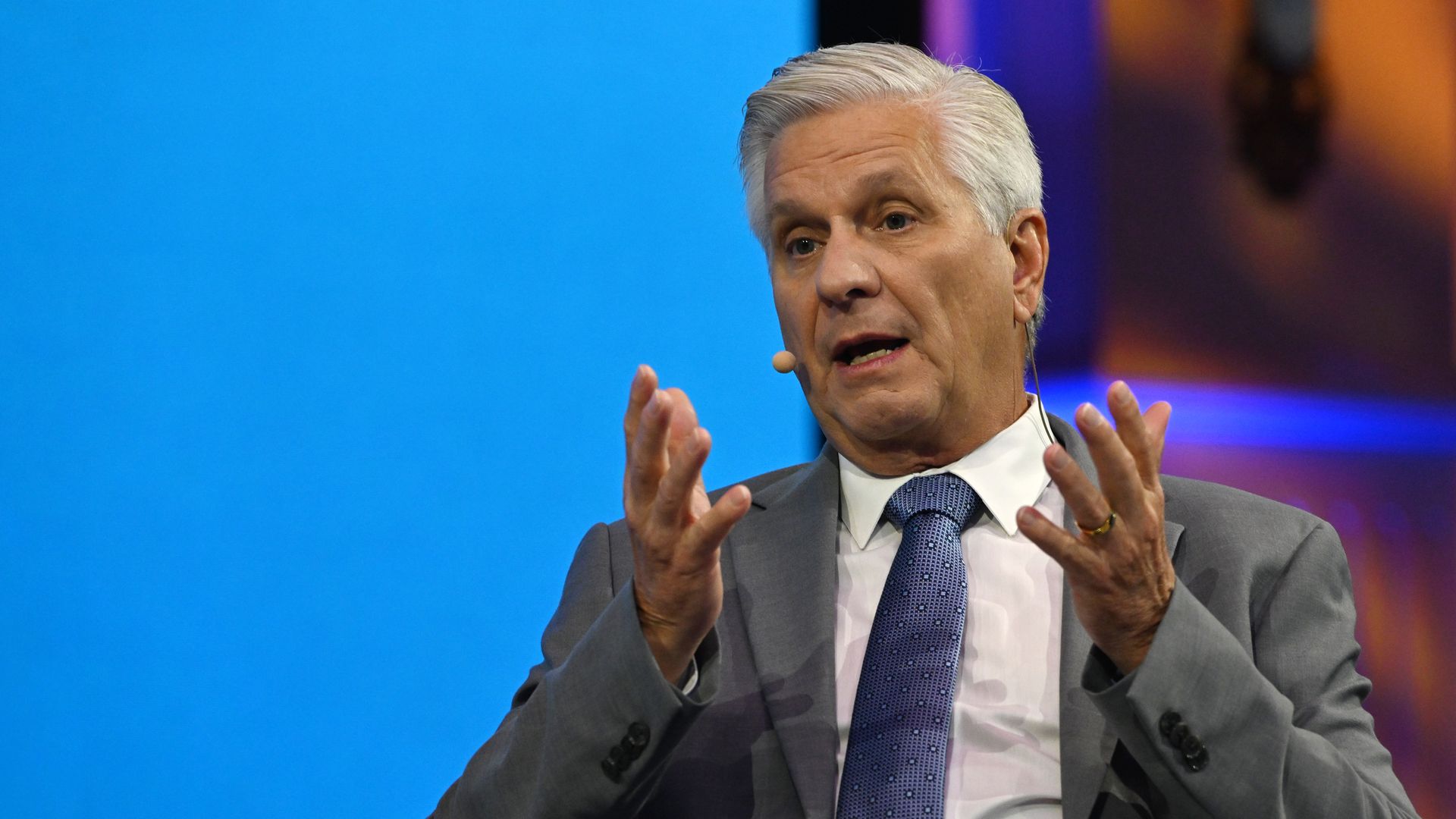
The elevated inflation reading all but locks in a Fed interest rate hike in December.
- Now, the debate is shifting to whether the Fed should entertain a super-sized rate hike in December — and how much further the central bank may need to tighten policy in 2027.
State of play: Even the Federal Reserve officials who have argued for patience in getting inflation back under control are alarmed at the ongoing, broad-based price pressures of the sort evident in this morning's numbers.
- The two-year Treasury yield, which is sensitive to expectations of Fed policy, is up a stunning 0.20 percentage points this morning, indicating that traders see a rising chance the Fed will raise rates more than the one or two more times markets had expected.
- Treasury prices broadly fell, driving the yield on the 10-year Treasury note, a benchmark for mortgages and other loans, up above 5%.
The intrigue: Before the CPI release, governor Christopher Waller delivered a speech in which he raised the possibility of a super-sized rate hike, not the quarter-point move that is the norm when the Fed is on a non-emergency footing.
- "To recap my economic outlook, economic activity is strong, the labor market is stable, but inflation is too high," Waller said in London.
- "This means that even if, as I expect, the monthly rate of inflation improves in October, I am leaning toward supporting an increase in our policy rate of 25 basis points" at a policy meeting that concludes Dec. 9.
Yes, but: "That's my plan if things proceed as I expect," he continued — before saying that if the October CPI data turned out to be like the last couple of months, with core inflation at 0.3% or higher, "then a stronger policy move may be needed."
- "In that case, I believe a 50 basis point hike in the policy rate should be considered at the December meeting," Waller said. "Hiking only 25 basis points would put our credibility at risk, a risk I am not eager to take."
Between the lines: That is exactly the report — with 0.3% core inflation — that arrived mere hours after Waller's comments.
- Add in two current voters on the Fed policy committee who dissented at the last meeting, instead favoring a hike (Lisa Cook and Beth Hammack), and other voters who have leaned hawkish lately (Michael Barr, Lorie Logan, Neel Kashkari), and there is a significant contingent that is worried the Fed's policy is incorrectly calibrated.
- The double whammy of Waller's comments and the inflation report drove market-based odds of a half-point rate hike in December to 14% this morning, per CME's FedWatch tool. Those chances were nil yesterday.
Of note: Logan, the president of the Dallas Fed, delivered a speech this morning post-CPI report in which she made clear she favors two more interest rate increases — and even seemed open to the extra-large rate hike Waller discussed.
- ""I currently estimate that the Fed funds target range is at least 50 basis points — half a percentage point — below the level that would create some modest restriction and begin to bring the inflation trend back to target," Logan said at an energy conference in Houston.
- "The exact pace of increases could depend on the near-term economic and financial environment. It may be possible to move more rapidly this winter than the FOMC has moved so far this fall," Logan said.
The bottom line: The tightening shall continue until morale (or at least core CPI inflation) improves.
Sign up for Axios Macro