Axios Macro

July 15, 2024


We've been reporting on the "two-speed economy," which shows lower-income Americans falling behind. New evidence confirms the narrative. More below, plus a look at the week ahead in econ news. 🔭
- Tune in virtually today at 4pm ET for conversations happening live from Axios House at the Republican National Convention with Sen. Steve Daines (R-Mont.), Sen. Katie Britt (R-Ala.) and Rep. Jim Banks (R-Ind.) exploring ways to address the cost-of-living crisis. Livestream here.
Today's newsletter, edited by Kate Marino and copy edited by Katie Lewis, is 696 words, a 2½-minute read.
1 big thing: The economy's big split
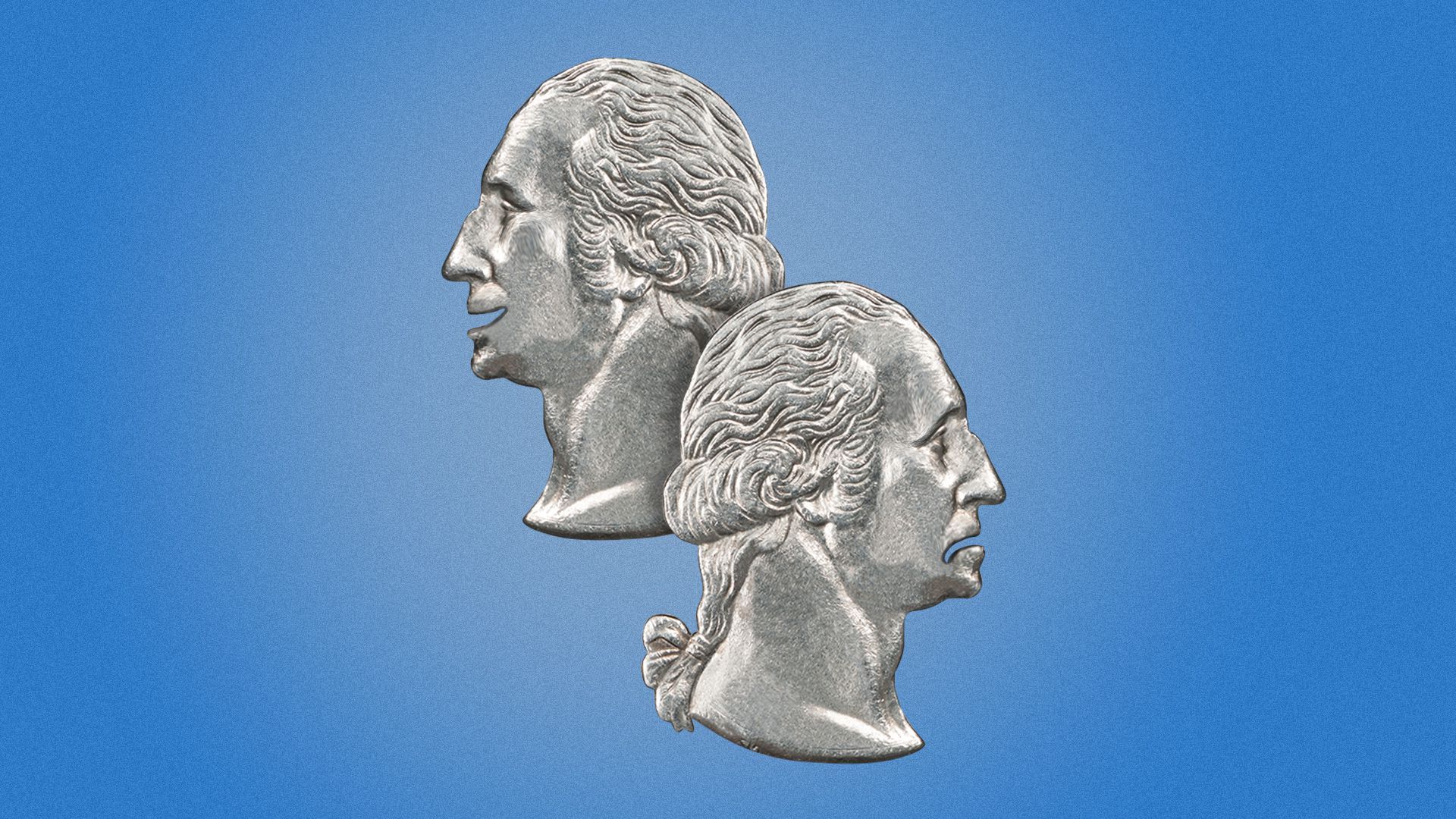
Affluent Americans say the economy is just fine — and they're spending like it is, too. Meanwhile, lower-income consumers are feeling the brunt of a slowdown.
Why it matters: Deteriorating economic sentiment and activity among poorer Americans suggest the economy is at a turning point, even if it doesn't show up in headline data, since higher-income consumers make up a disproportionate share of aggregate spending.
- The share of consumers surveyed by the University of Michigan who volunteered that high prices were eroding their living standards in early July matched a peak first reached two years ago when inflation was at multidecade highs.
What they're saying: "The lower income consumer is in their own personal recession unfortunately," Peter Boockvar, chief investment officer at the investment firm Bleakley Financial Group, wrote in a note.
Driving the news: The latest University of Michigan report shows that economic concerns are more prominent among poorer consumers than rich ones.
- "Despite expecting inflation to ease, consumers remain vociferously frustrated at the persistence of high prices," the survey's director Joanne Hsu wrote in a note.
- "In recent months, these comments have been much more prevalent among lower-income consumers, who typically have fewer financial resources to help buffer the pain of high prices," Hsu wrote.
- Hsu also noted that lower-income consumers were much more pessimistic about future earnings growth — in nominal and real terms — than higher-income counterparts.
The big picture: Richer consumers may have escaped some of the worst effects of the inflation shock and Fed tightening, particularly as financial assets soar in value.
- Lower-income consumers tend to spend a larger share of their earnings on rent, food and gasoline — all categories that have been key sources of inflation in recent years.
- Pandemic-era savings have run down; the cost of their debt is getting more expensive. They are less likely to reap benefits from the stock market's gains.
- The bottom half of workers were the sole group to see real wage gains during the peak inflation period. That pattern did not stick: "[T]oday's growth in real wages is no longer closing the gap between low and high earners," the Minneapolis Fed found.
The intrigue: Delinquency rates are rising for auto and credit card loans.
- "It's not like millionaires are starting to go delinquent. It's more like where the rubber hits the road is where delinquencies are going up," Chicago Fed president Austan Goolsbee told reporters last week.
- "So far, like the unemployment rate, delinquencies are trending up, which in the past is a bad sign, but the level is still not especially pronounced," Goolsbee added.
2. Retail sales and lots of Fedspeak on tap
Tomorrow morning, June retail sales data will shed some light on whether the financial challenges for lower-income households are rippling out into overall consumer spending.
- Analysts expect the report, due out at 8:30am, to show a 0.2% drop in overall June retail sales, or a 0.1% gain when volatile auto sales are excluded.
- It is the major data release in a week that will also feature lots of public comments from top Fed officials and a rates decision by the European Central Bank.
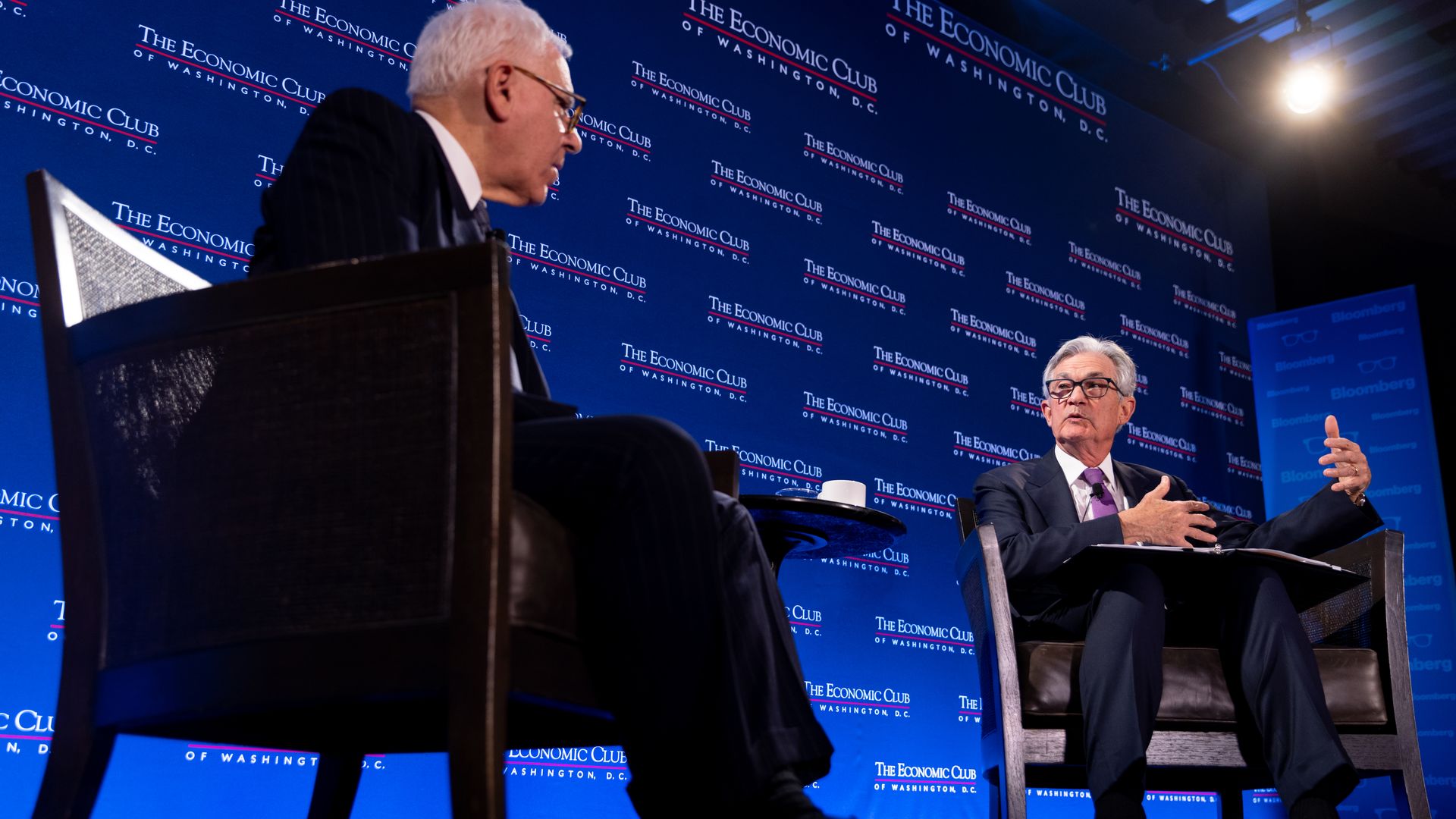
Driving the news: Fed chair Jerome Powell is set to participate in a Q&A at the Economic Club of Washington, D.C., at 12:30pm ET today, just after this newsletter sends.
- With billionaire financier David Rubenstein interviewing him, expect a quirky set of questions that push Powell beyond his usual talking points about the economy and rates.
What's next: We'll be paying special attention to a speech on the economic outlook by Fed governor Christopher Waller scheduled for Wednesday morning. Waller, who has been a notch more hawkish than Powell, will be an influential voice in determining whether the Fed cuts rates in September.
- Powell and Waller are part of a long list of Fed speakers making the rounds this week, as officials enter their customary blackout period Saturday in which they refrain from public appearances before their policy meeting at the end of the month.
Also this week, the ECB's governing council meets Thursday and is expected to leave interest rates unchanged — but may or may not send a signal on whether to anticipate a second rate cut in September.
Sign up for Axios Macro