Axios Macro
November 17, 2026


🗽Neil is in Manhattan, where, at about 2:20pm ET, he will interview New York Fed president John Williams at Axios BFD, our annual dealmakers summit. Watch it live.
- In today's Macro: what some of Silicon Valley's biggest names told Federal Reserve chairman Kevin Warsh yesterday about AI's economic promise (and its limits).
- Plus, the latest on the White House's efforts to oust Fed governor Lisa Cook.
🛍️ Situational awareness: Retail sales rose by a modest 0.2% in October. But underlying spending was stronger, with sales excluding autos and gasoline rising by 0.5% for the second month.
Today's newsletter, edited by George Moriarty and copy edited by Katie Lewis, is 982 words, a 3.5-minute read.
1 big thing: What Warsh heard in San Francisco
Just maybe, both the extreme techno-optimists and AI doom-and-gloomers are wrong about the economic impact of the technology.
- That's the argument that venture capitalist Marc Andreessen — who is co-leading a Fed task force on the topic — made in a high-profile panel yesterday.
Why it matters: The argument could help shape how the Fed assesses AI's economic consequences, with major implications for its outlook on growth, inflation and interest rates.
- Andreessen's argument offered an early glimpse of the thinking that will underpin his recommendations to the central bank's leaders.
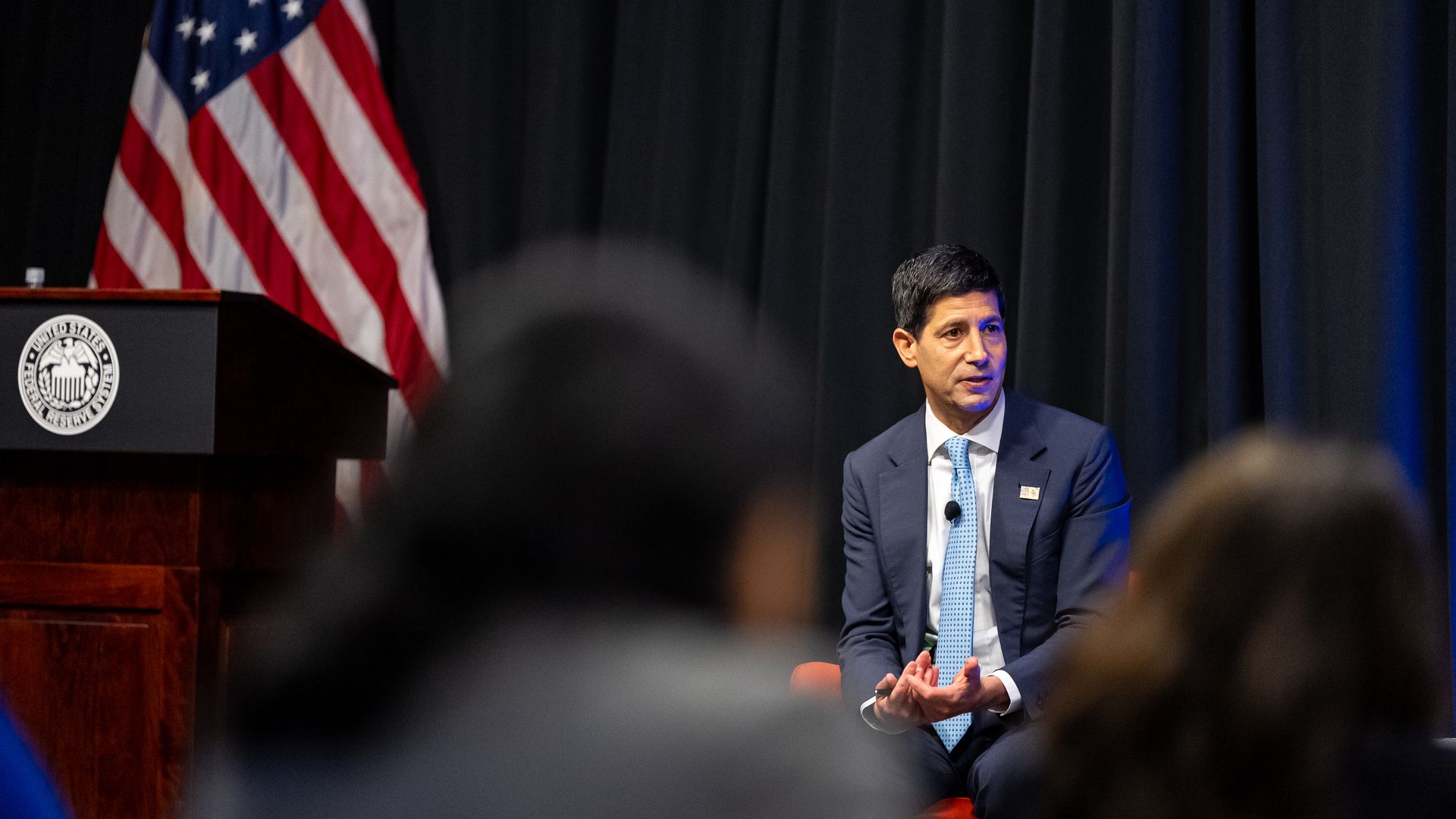
What they're saying: "My line has been both utopians and the doomers are going to be disappointed, specifically disappointed by the scope and magnitude of the real-world impact, and specifically the economic impact," Andreessen said at the San Francisco Fed.
- Andreessen, a co-leader of Warsh's Jobs and Productivity Task Force, spoke alongside former Commerce Secretary Gina Raimondo at a hearing in the Bay Area, where Warsh studied at Stanford and later spent 15 years teaching and conducting research.
- (Fellow task force member Chad Jones, a Stanford economist on leave for Anthropic, was in the audience but did not speak because the company is preparing to go public, Andreessen said.)
Zoom in: Andreessen previewed his contribution to the task force's report, arguing that the economy is divided into two groups:
- Fast-changing industries, such as technology and media, where innovation drives productivity gains and lower prices.
- Slower-changing industries, including health care, education and housing, where regulations, limited competition and other barriers make technological progress harder.
The intrigue: These slower-changing sectors account for some of Americans' biggest expenses.
- Those sectors of the economy "are not legally allowed to have rapid change," Andreessen said.
- Andreessen argued that regulations and other barriers could prevent AI from transforming large parts of the economy, which he says would limit job losses and productivity gains.
"You might interpret this as good news because it means the AI revolution is not going to destroy all the jobs or kill everybody," he said.
- "You can also view this as very negative. Productivity growth just simply may not grow very much. Economic growth just simply may not grow very much. We may just continue to stagnate," he added.
The big picture: Warsh is turning to influential outsiders to challenge how the central bank thinks about the economy.
- Affirm CEO Max Levchin told Warsh that AI has made the company's engineers five times more productive, cutting the cost of developing new features by 80%.
- Stripe CEO Patrick Collison said new businesses launching on its platform each week have doubled from a year ago, an unprecedented surge in its 15-year history.
- Unlike established companies, startups are more willing to let AI independently develop products and fix bugs, potentially allowing them to grow faster with fewer employees.
What to watch: Executives said AI is already delivering productivity gains in traditional industries — including sectors Andreessen said are more resistant to technological change.
- Erik Wexler, CEO of Providence, a large nonprofit health system, said AI tools that transcribe patient appointments are saving some physicians two to four hours a day on paperwork. Wexler said that one doctor called it "life-changing."
What's next: Warsh has asked all five task forces to recommend ways to improve Fed policymaking by year-end, though he cautioned last month that some may miss the deadline.
2. Lisa Cook to skip White House tribunal
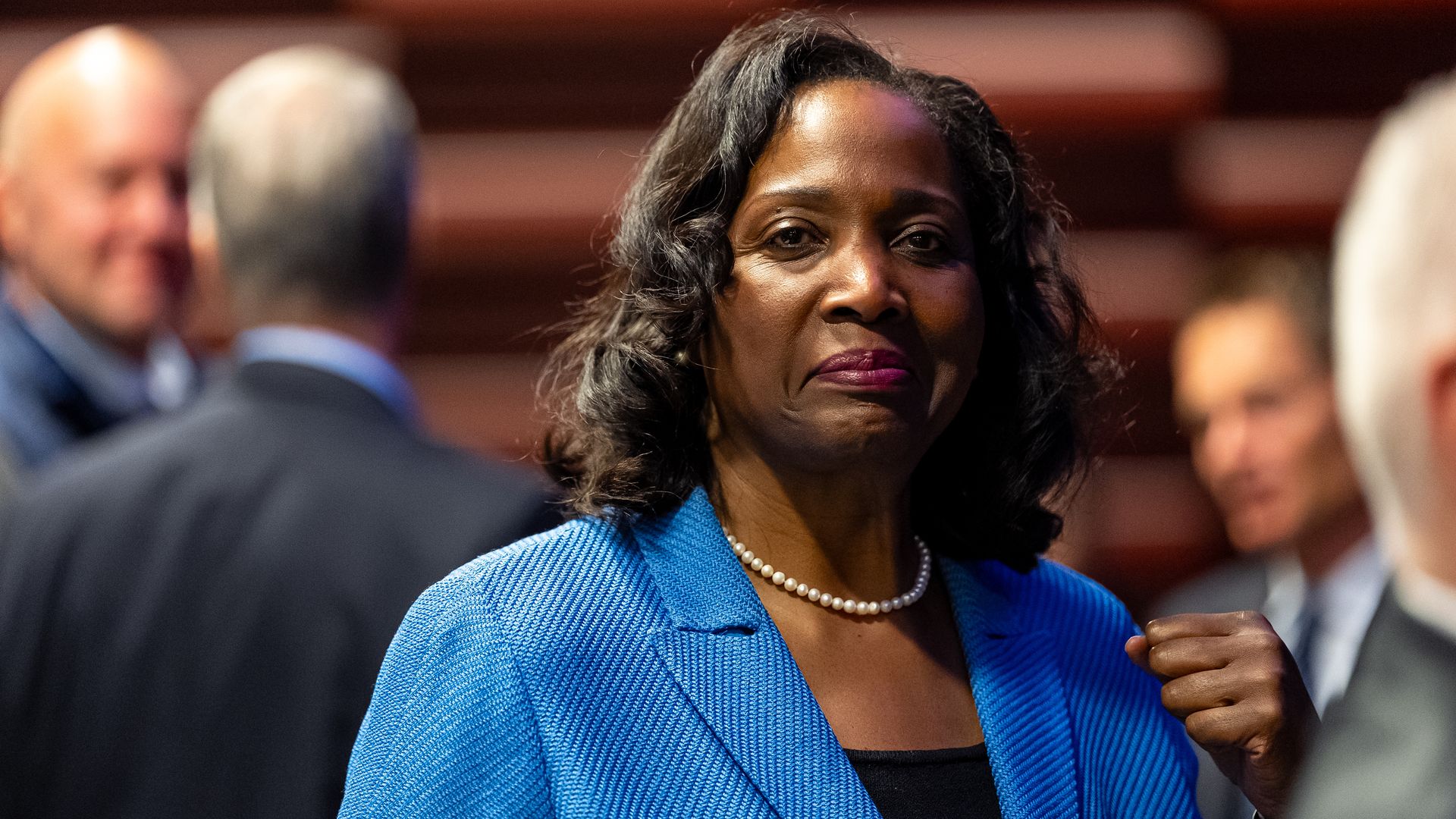
Lawyers for Fed governor Lisa Cook said she will not participate in a White House hearing over her attempted firing set for Dec. 14, arguing it is an unfair process with a foregone conclusion.
Driving the news: Cook's lawyers say that the White House process is still stacked against her — "a façade designed to obscure a predetermined decision to fire Governor Cook," writes her attorney, Abbe David Lowell.
- After the Supreme Court ruled Cook can remain in place while allegations of mortgage fraud are investigated, the White House established a process to try to dismiss her with legal justification.
What they're saying: "Governor Cook has no legal obligation to participate in an unfair hearing—and indeed, has a duty to the Federal Reserve to decline to participate in any proceeding that would undermine the institution's unique status and independence," writes Lowell.
- The White House has shown it is "uninterested in convening the 'substantive and fair hearing' you have claimed, Lowell adds. "Instead, you seek only to manufacture 'cause' for a predetermined removal outcome."
Zoom in: In particular, he notes that White House economic adviser Kevin Hassett is on the three-person committee organized by the White House, and has repeatedly said publicly that Cook should step down.
- He also says that the White House has requested Cook produce evidence supporting her case while not giving her lawyers equivalent access to evidence they say they have already gathered.
The other side: The White House did not immediately respond to a request for comment.
Reality check: Even if President Trump succeeds in his efforts to fire Cook, he will be hard-pressed to find a replacement candidate who both satisfies his desire for lower interest rates and is acceptable to the Senate Democrats who take control of the body in January.
- That raises the prospect that any vacancies that arise on the powerful Board of Governors could remain vacant for quite some time.
Sign up for Axios Macro