Axios Macro
March 19, 2025


It's decision day for the Federal Reserve! The Fed's policy committee is expected to keep interest rates on hold, with much anticipation for new projections at a moment of economic wobbles.
- The decision is out at 2pm ET, and the news conference is a half hour later; Neil will be in the room. 🙋♂️
Ahead of that decision, we look at how Trump trade policy is keeping central banks in wait-and-see mode. More below, plus what last night's shake-up at the FTC might signal about the Fed.
Today's newsletter, edited by Ben Berkowitz and copy edited by Katie Lewis, is 789 words, a 3-minute read.
1 big thing: The world waits on Trump
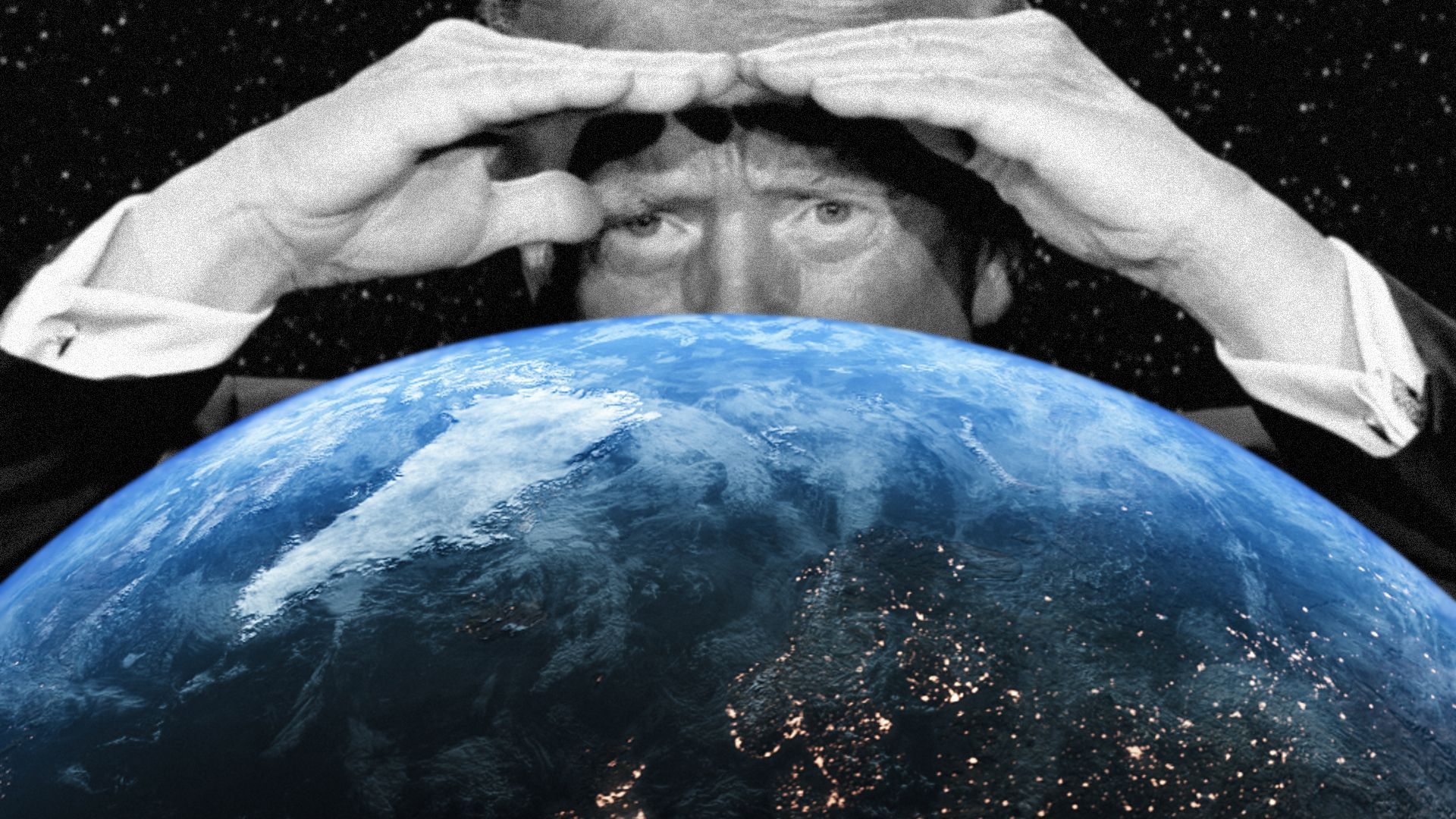
Around the world, economic policymakers are adapting to the reality that President Trump could upend their plans at a moment's notice.
Why it matters: Some global central bankers all but admit they are at the whim of Trump, with hesitancy to adjust their policy dials until they know the degree to which they will be a tariff target.
- The data officials in the U.S., Europe and Japan rely on to assess their respective economies is backward-looking and can't possibly reflect fallout from opaque trade policy.
The intrigue: Central banks are no longer able "to be either the frontmen or rhythm-keepers of macro policy," Thierry Wizman, a currency and rates strategist at Macquarie, wrote in a note today.
- "They're now 'followers,' who are ceding their dynamism to events in federal legislatures, executive mansions, and diplomatic halls," Wizman added, noting that the Federal Reserve is among the central banks that will "defer to future events outside its scope of power."
Driving the news: The Bank of Japan kept interest rates on hold overnight, buying more time for clarity on Trump's plan for reciprocal tariffs that might target Japanese imports.
- The White House says it will release details about the reciprocal tariffs — including country-specific and sector-specific rates — in early April, with the tariffs taking effect soon thereafter.
What they're saying: "In the past month or so, there have been rapid changes in the scope and speed of U.S. tariffs," Bank of Japan governor Kazuo Ueda said at a press conference this morning, according to a translation by Reuters.
- "However, there are aspects we may not know even beyond April, so uncertainty remains high," Ueda said, adding that Trump trade threats make it hard to make a judgment about its inflation goals.
The big picture: Japan, unlike the other major central banks, has raised rates three times over the past year as the economy's deflationary era looked firmly in the past.
- On the one hand, Ueda said that wage and price growth could be stronger than expected — conditions that would support further rate hikes.
- But that outlook could shift if forthcoming tariffs result in lower demand for Japanese products — particularly autos.
- Japan's top trade official left Washington, D.C., earlier this month without assurance that the nation would be exempt from future tariffs.
What's next: The Bank of England, too, is likely to keep interest rates on hold tomorrow, despite recent evidence that the U.K. economy is on weaker footing.
- "[P]olicymakers also expected to sit on their hands and wait for more data amid turmoil for the global economy before cutting interest rates," Susannah Streeter, head of money and markets at Hargreaves Lansdown, wrote in a note.
- "There are concerns about the growth weakening further given the tariffs upending global trade."
2. What FTC firings mean for the Fed
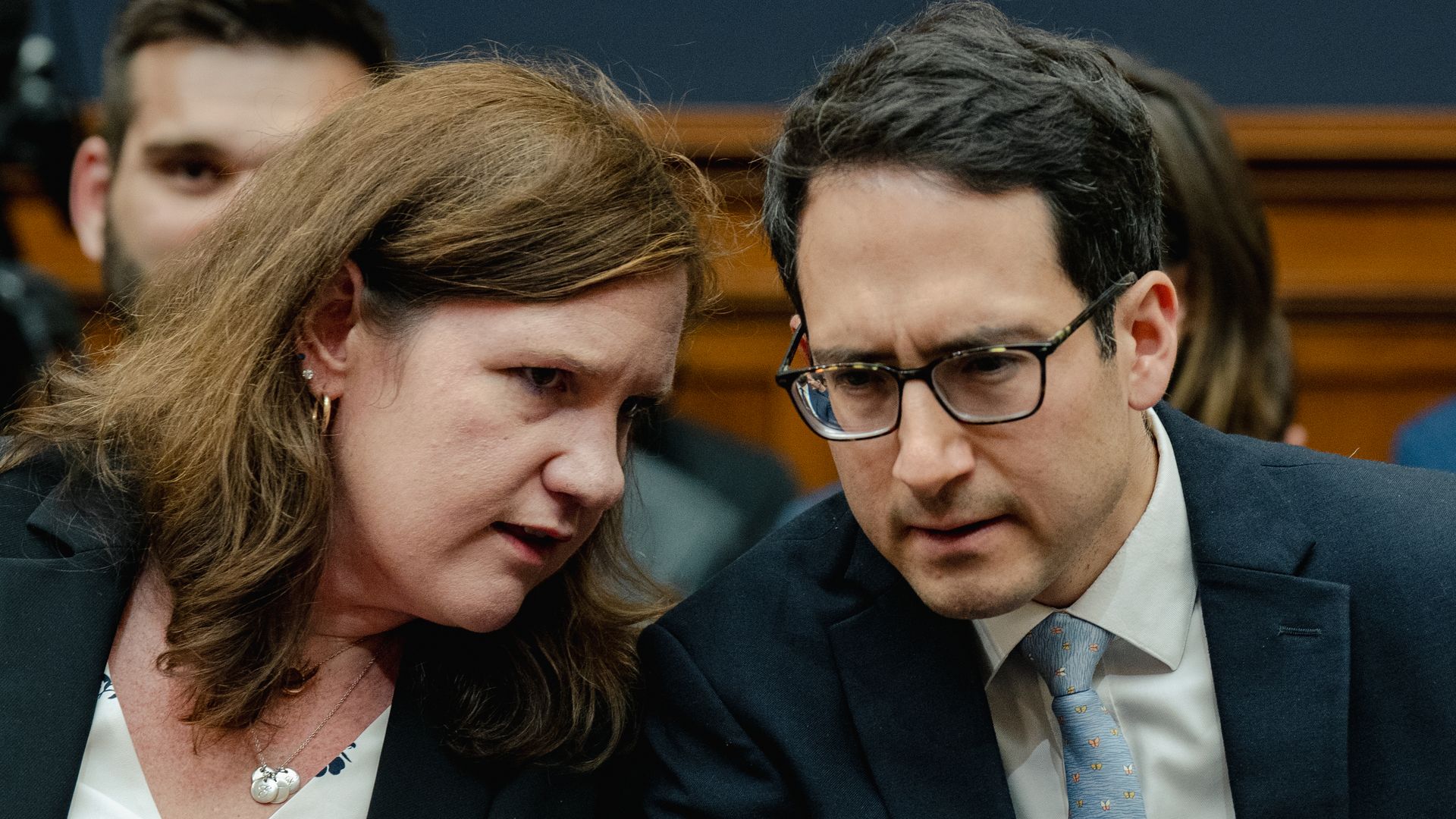
Trump has not attempted to fire any Fed governors, who serve 14-year terms that overlap presidential terms and can, under the law, only be fired for cause.
- But with last night's news, a legal reckoning over whether he has the authority to do so is inching closer.
Driving the news: Trump fired two Democratic members of the Federal Trade Commission, contrary to a law that establishes the FTC is to be led by a bipartisan panel of commissioners. The two officials say they will challenge the move in court.
- It follows a similar firing of a member of the National Labor Relations Board, which a district court judge has already ruled against and which is working through the appeals process.
Between the lines: Both cases are on track to test a 90-year-old Supreme Court precedent that found Congress can create independent agencies with leadership that is not subject to presidential whims.
- In Humphrey's Executor v. United States, in 1935, the court ruled 9-0 that President Franklin D. Roosevelt could not fire a Senate-confirmed FTC commissioner in the middle of his term over policy disagreements.
- Trump has not sought to dismiss Fed chair Jerome Powell or other governors, but if the court were to overturn Humphrey's Executor, nothing would stop him from doing so.
What they're saying: Fed governor Christopher Waller, discussing the issue at a Wall Street Journal conference earlier this month, said "the Supreme Court could say 'no, you cannot fire members of these independent boards,' or they can say, 'yes you can.'"
- "At the end of the day, if the Supreme Court makes that decision, that's the decision we have to live with," Waller said. "That's the way our government, our democracy works."
- "Do I think it necessarily leads to good policy outcomes? Probably not, but that's the whole part of being accountable to the electorate and the Congress. ... I'm not going to be the one trying to break the law doing something different," he said.
Sign up for Axios Macro