Axios Latino

¡Órale, mi gente! This week we discuss what we're reading in U.S. Latino and Latin American literature and history. The boom that brought us Gabriel García Márquez is over. U.S. Latino Literature has grown up since Sandra Cisneros.
- Our thoughts are with legendary Nuyorican writer Nicholasa Mohr, who is in the advanced stages of Alzheimer’s disease. "El Bronx Remembered" is with us forever, maestra.
Send us any feedback (quejas, sugerencias, chismes) by replying to this email. And if you are not already subscribed, sign up here. Read the Spanish version here.
This week’s newsletter — edited by Laurin-Whitney Gottbrath — is 1,469 words, about a 5.5-minute read.
1 big thing: Women lead the new Latin American Boom
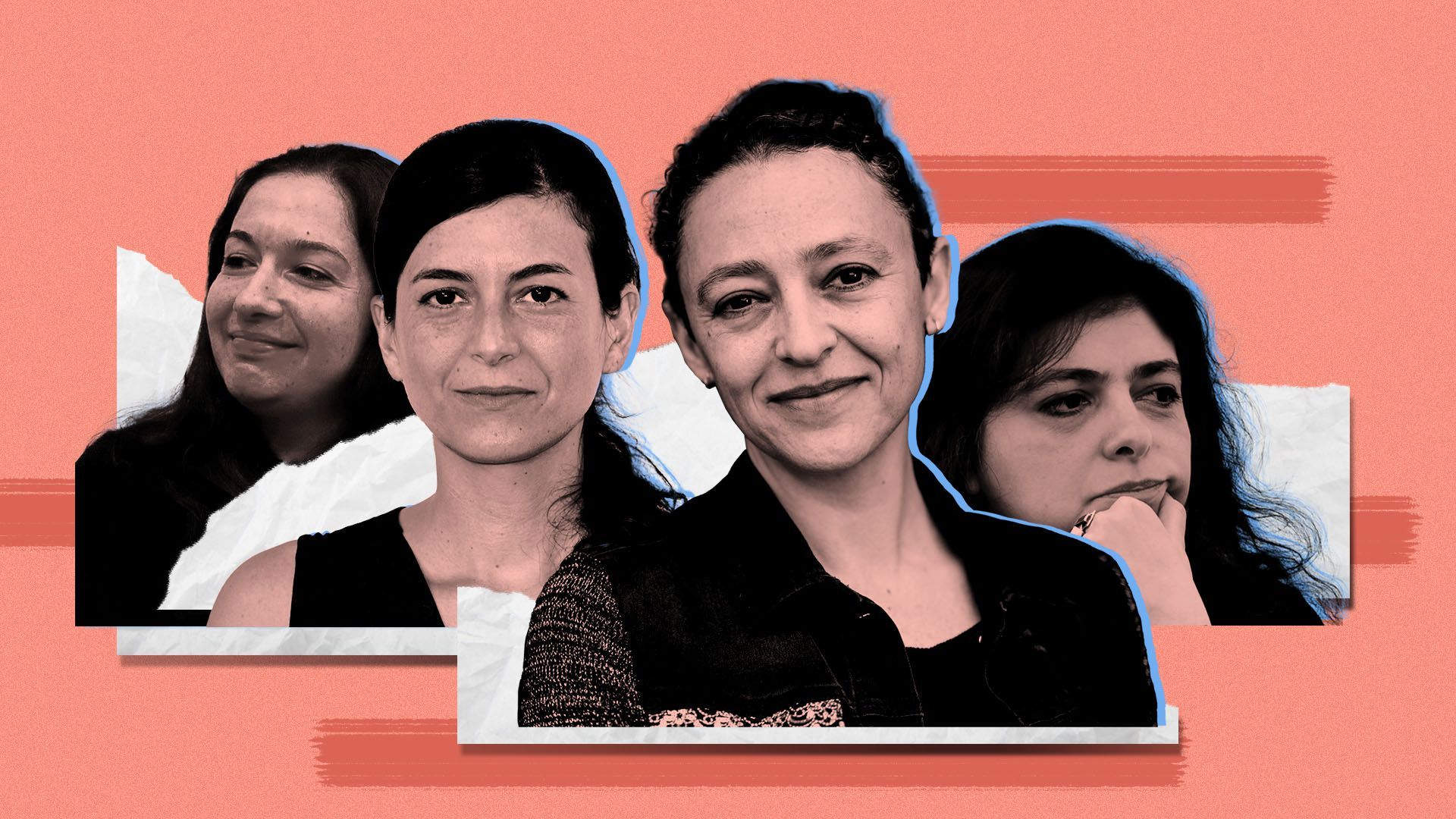
From left, Fernanda Melchor, Samantha Schweblin, Lina Meruane and Mariana Enríquez. Photo illustration: Sarah Grillo/Axios. Photos: David Levenson, Ray Tang/Anadolu Agency/Getty Images
The magical realism of Gabriel García Márquez and Juan Rulfo is vanishing as a new Latin American literary movement — led by women — is using gothic and noir to craft new harsh realities.
Why it matters: From Argentina to Mexico and Chile to Peru, women writers are turning their attention to horror to tackle palpable issues around forced disappearances, femicides and othering.
- Mexican novelist Fernanda Melchor and Chilean writer Lina Meruane have made international waves with books that focus on quotidian violence through pulse-racing, enthralling and occasionally beautiful terror.
- The suspenseful and macabre works of Argentines Samanta Schweblin and Mariana Enríquez have been shortlisted for international prizes.
- All four in recent months have seen new English translations.
The intrigue: They are following in the footsteps of the likes of Rosario Castellanos, Silvina Ocampo, Clarice Lispector and Elena Garro.
- Those writers were less internationally recognized than their male counterparts in the 1960s Latin American Boom, but they have steadily gained renown.
Between the lines: Reframing real-life horrors is also at the center of the work of today's most prominent male Latin American authors, notably Alejandro Zambra.
What they're saying: These are "stories that break tradition, and in spite of or because of that originality, draw us readers in. And if they make [us] laugh in the process, so much the better," said Megan McDowell, who has translated works by Schweblin, Zambra, Meruane and Enríquez.
2. U.S. Latina writers tackle race, violence, sexuality
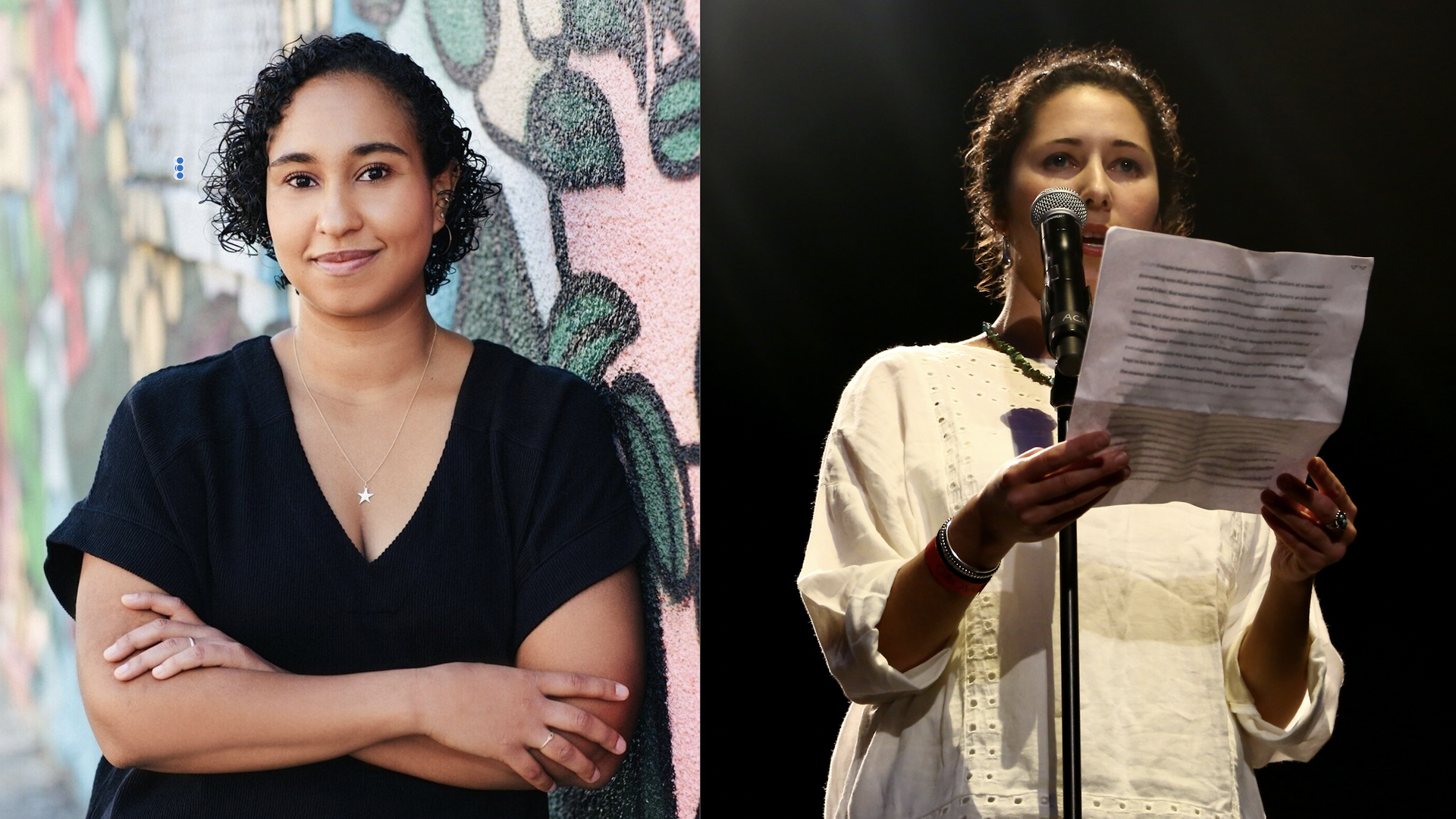
Naima Coster and Kirstin Valdez Quade. Photo: Sylvie Rosokoff/Justin Baker/Getty Images
Contemporary U.S. Latino literature has never been as diverse as it is now, and again it is women who are leading the redefining of the canon.
Why it matters: Since the Chicano Renaissance and the Nuyorican Movement of the 1960s and 1970s, more Black Dominican American writers and second-generation Colombian Americans have entered the scene to challenge notions of race, gender and sexuality.
Details: Dominican American Naima Coster’s powerful sophomore novel, "What’s Mine and Yours," released this year, jumps deep into a multiracial North Carolina through the eyes of children.
- Coster follows other recent Dominican American novelists, Angie Cruz and Nelly Rosario, who crafted strong female leads in a Black and white world where they don't fit.
Also look for: New Jersey-raised Colombian American Patricia Engel. Her captivating new novel, "Infinite Country," takes us through a horrifying migration saga via a mixed-status family.
- New Mexico-bred Kirstin Valdez Quade in "The Five Wounds" pulls us into the world of the Padilla family, which struggles with poverty, religious guilt, and never feeling good enough.
Of note: Ecuadorean American Michael Zapata's new "The Lost Book of Adana Moreau" is a "love letter to the history of speculative fiction and science fiction" and is part of the growing Latinofuturism movement.
- And we couldn't put down, "¡Hola Papi!: How to Come Out in a Walmart Parking Lot and Other Life Lessons," the riveting collection of essays by John Paul Brammer.
3. Rising Latin American and Caribbean voices
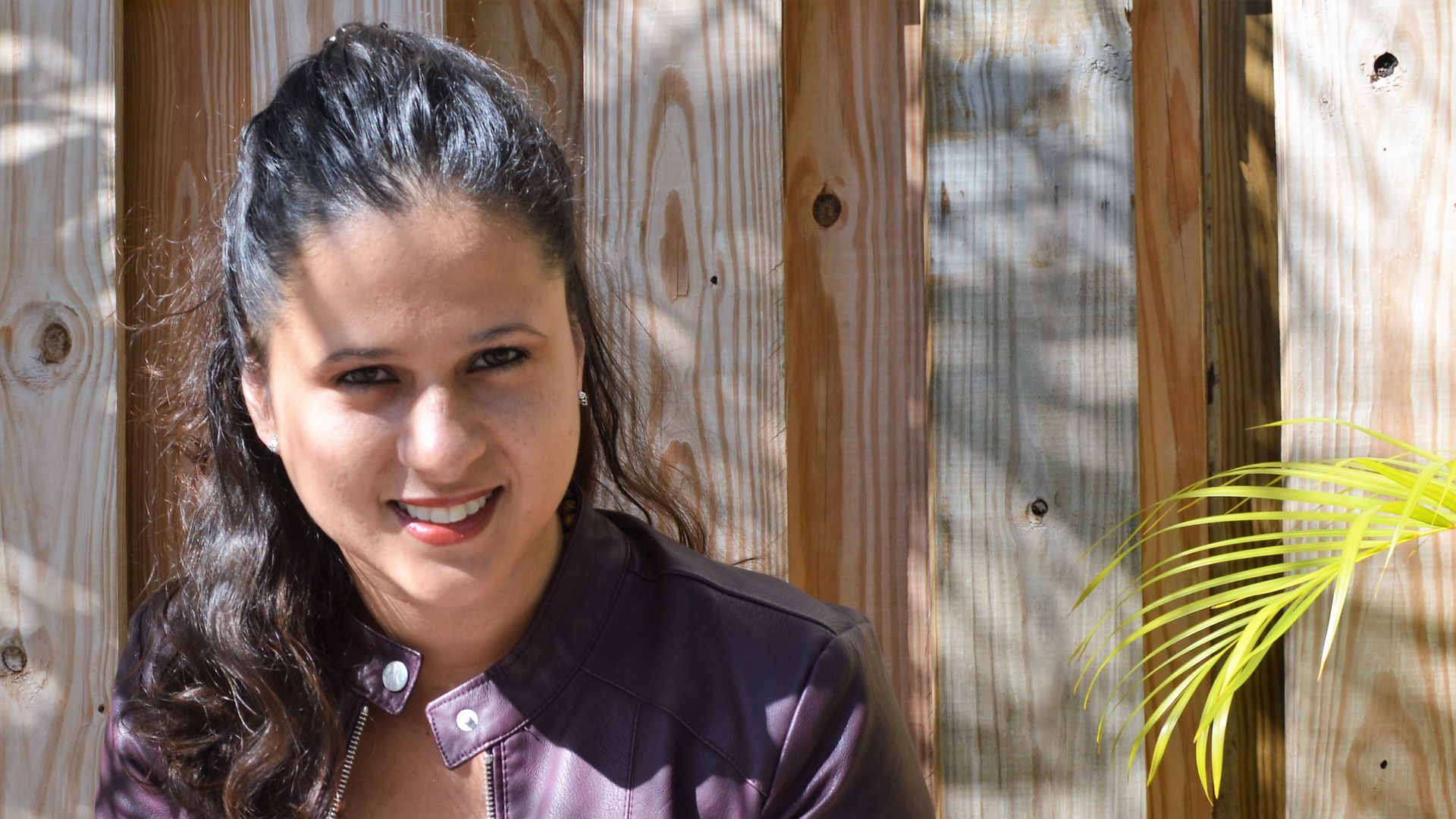
Dainerys Machado Vento, author of "Las noventa Habanas."
The future of Spanish-language literature will come from writers that lean into captivatingly varied voices from the “ever more local permutations” of “a single language with endless bifurcations,” literary magazine Granta writes.
Details: Some of Granta's top 25 Spanish-language novelists under 35 include:
- Ecuadorean Mónica Ojeda, whose novel, "Mandíbula," explores the relationships between women through a fairy tale that involves a kidnapping. The English translation will be published in February.
- Eudris Planche Savón, who trained as a doctor in Cuba before publishing the young adult book "Hermanas de Intercambio."
- Dainerys Machado Vento, the first-ever Cuban to receive an F-1 student visa to the U.S., is also on the list thanks to her short stories, "Las noventa Habanas."
- Andrea Chapela, from Mexico, is a chemist who has already published the sci-fi series "Vâudïz" and this year came out with "Ansibles, perfiladores y otras máquinas de ingenio," which harkens to the show "Black Mirror."
- Peruvian Miluska Benavides, who is about to publish her first novel, "Hechos."
- José Adiak Montoya, of Nicaragua, has published four books at just 30. His most recent novel imagines a life for John Lennon if he had been born in Nicaragua under the rule of the infamous past dictator Anastasio Somoza.
Also look for: Colombian Vanessa Londoño’s just published "El asedio animal," and Chilean Diego Zúñiga’s "Camanchaca."
Of note: Granta’s previous edition of best Spanish language authors, in 2010, included Samanta Schweblin, Antonio Ortuño and Alejandro Zambra.
4. Dismember the Alamo?
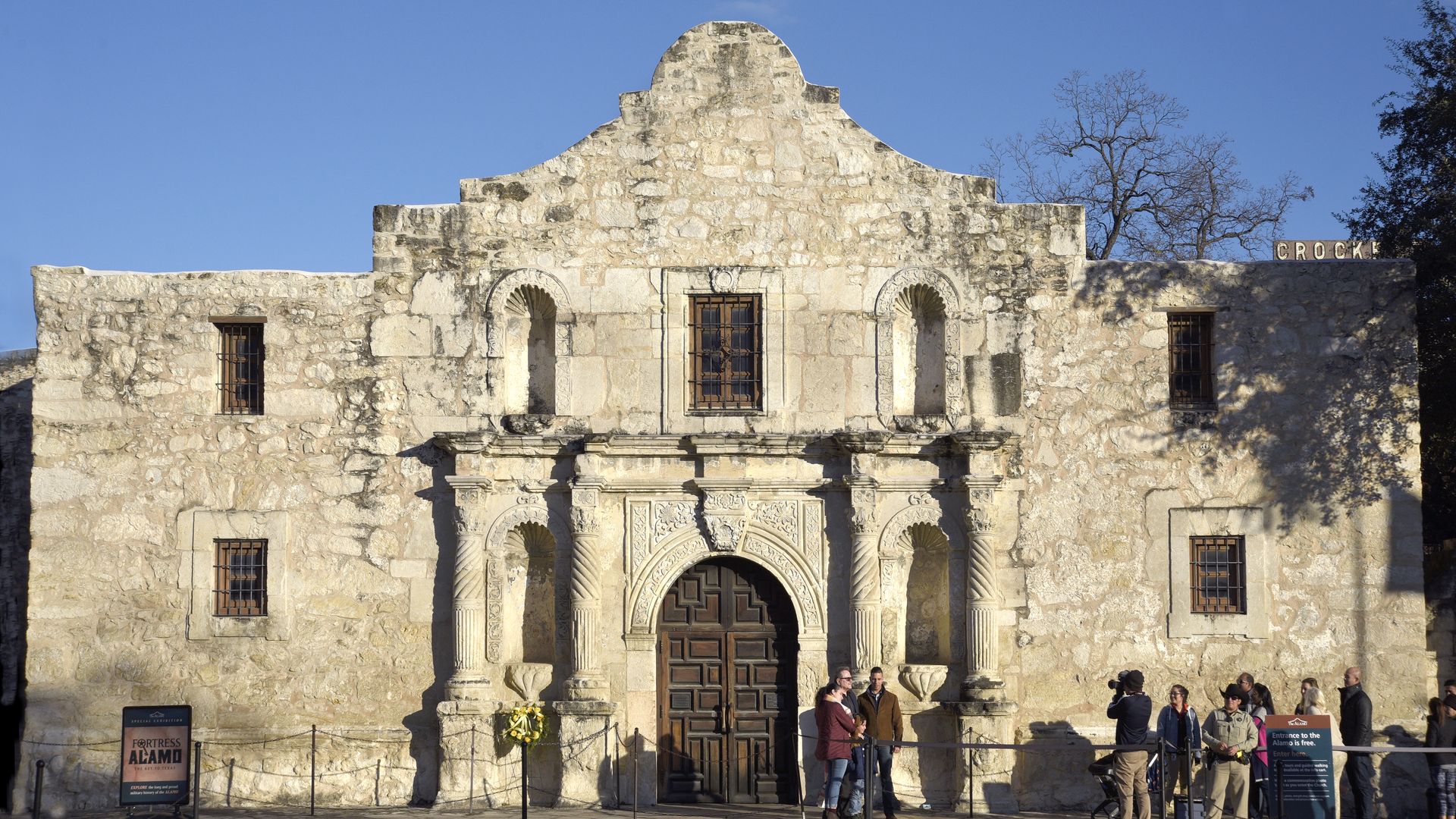
The Alamo. Photo: Robert Alexander/Getty Images
Often overlooked are works on U.S. Latino history that contribute to the hot debate over critical race theory. So weird. Especially since one of the founders of the theory is Mexican American scholar Richard Delgado.
Details: Delgado's updated "Critical Race Theory: An Introduction" is a great starting place to reacquaint yourself on how systemic racism hurts Latinos and why the myth of the Alamo omits the push to preserve slavery.
- "Forget the Alamo: The Rise and Fall of an American Myth" has been getting attention lately, but those arguments had long been articulated by Chicano historians like Rodolfo Acuña.
- Did Latinos face racial terror? Yes. Read "The Injustice Never Leaves You: Anti-Mexican Violence in Texas" by Monica Muñoz Martinez, who documents the lynchings of Mexican Americans.
Of note: For a smart take on contemporary Latino politics beyond soundbites, explore Michael Rodríguez-Muñiz's "Figures of the Future: Latino Civil Rights and the Politics of Demographic Change."
- He uses eight years of research to investigate why the growth of the Latino population in the U.S. hasn't led to lasting political power.
5. Down these Machete mean streets
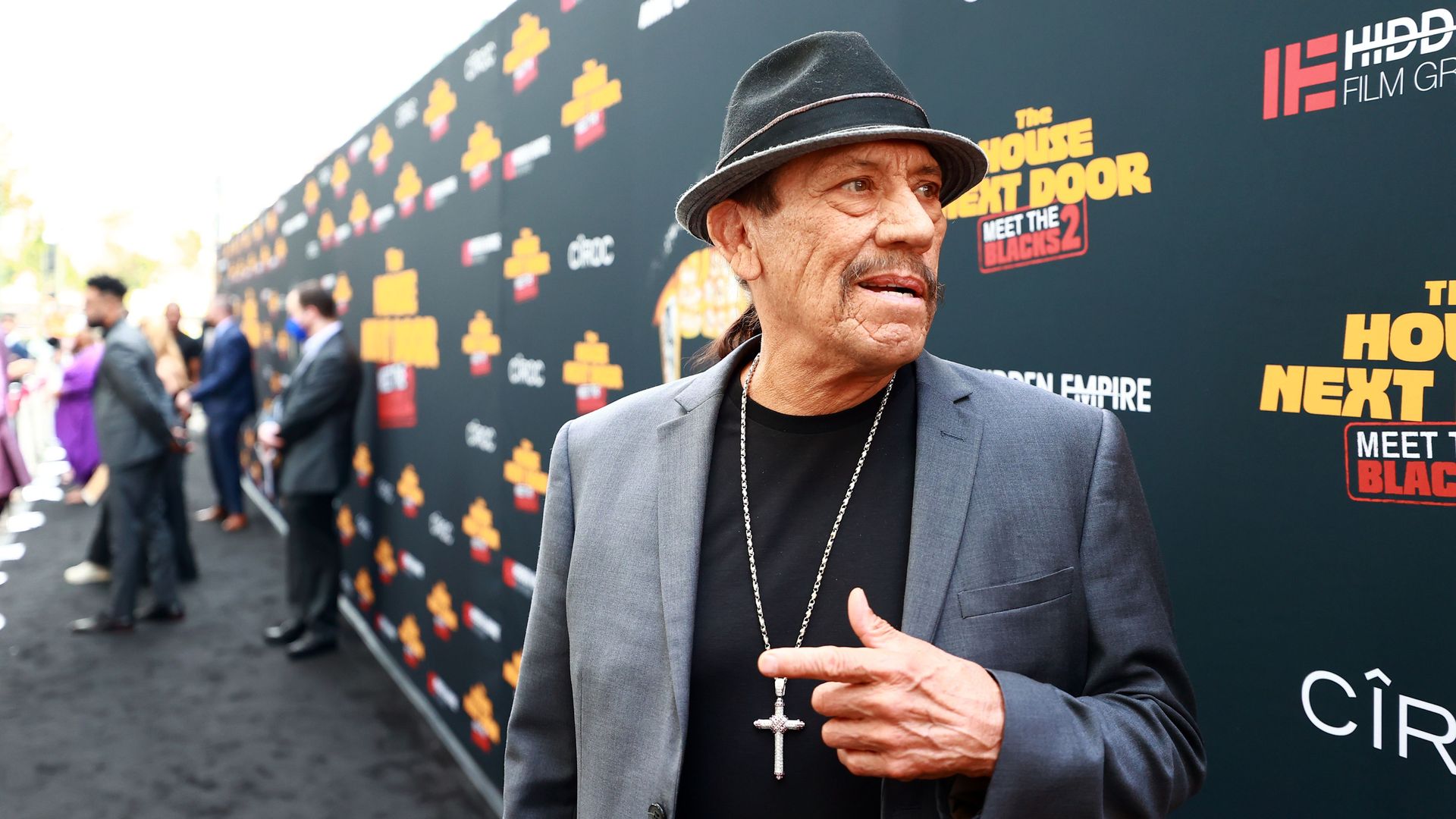
Actor Danny Trejo. Photo: Matt Winkelmeyer/Getty Images
Danny Trejo, known as the assassin Machete and the cartel drug runner Tortuga in "Breaking Bad," has released a deeply personal memoir.
Why it matters: "Trejo: My Life of Crime, Redemption, and Hollywood" retells the former convict's rise from crime and addiction to movie stardom. It follows a long tradition in U.S. Latino literature of men on the margins transforming pain into gain.
- The Mexican American actor told USA Today he wrote the book to detail his life in and out of prison, his battle with drugs and his coming to terms with his toxic masculinity.
The intrigue: The memoir is in the tradition of the late Puerto Rican-Cuban writer Piri Thomas' best-selling autobiography, "Down These Mean Streets," which influenced countless Latino writers, including novelist Ernesto Quiñonez.
- It's also similar to Luis J. Rodriguez's "Always Running" and Jimmy Santiago Baca's "A Place to Stand."
What they're saying: "Yeah these books are filled with violence and drugs, but they've also served as a gateway for some youth to get interested in writing. They see themselves here," novelist Tony Diaz, founder of Nuestra Palabra in Houston, told Axios.
6. The poetry revolución will be decolonized
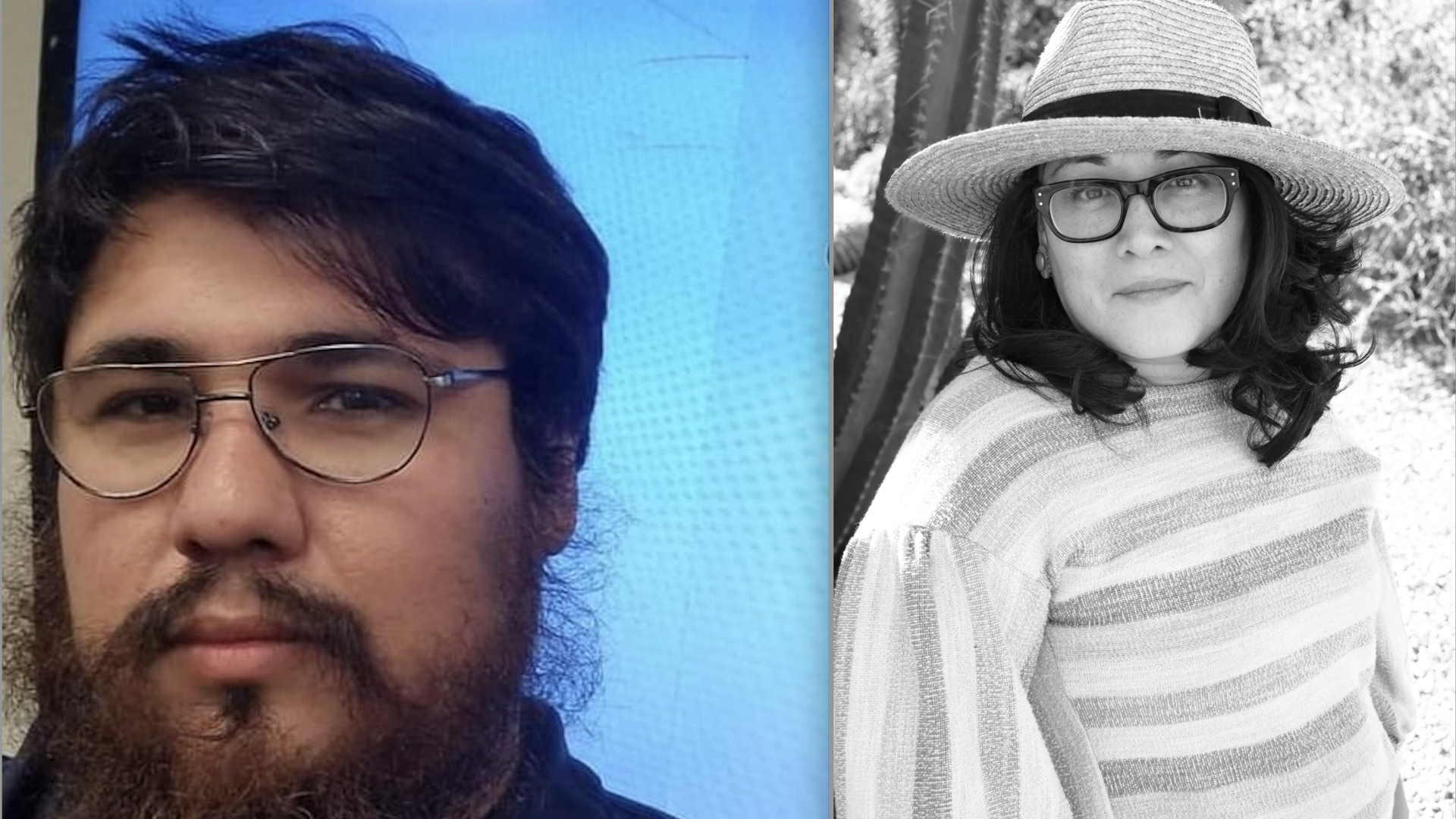
Poets Matt Sedillo and Diana Marie Delgado.
Mexican American and Akimel O'odham Natalie Diaz took this year's Pulitzer Prize for poetry for her second book, "Postcolonial Love Poem," bringing more attention to poets of the American Southwest.
Details: In recent years, Mexican American poets have produced works influenced by Native American, Black American and overseas writers as they address past violence, the environment and their decolonized souls.
- Michelle Otero, Albuquerque's former poet laureate, recently published her debut collection, "Bosque," which lyrically describes how the Rio Grande is drying up thanks to climate change.
- The California-born Diana Marie Delgado, literary director of the University of Arizona Poetry Center, released her first collection, "Tracing the Horse," an inward look to fight trauma and a troubled childhood.
- Matt Sedillo's "Mowing Leaves of Grass" is a not-so-subtle call to dethrone Walt Whitman and include in the American canon the voices of Latinos who now refuse to stay quiet.
Don't forget: The Texas state legislature named Houston-based poet Lupe Mendez the state's 2022 poet laureate even as state lawmakers seek to remove Latino history from public schools.
- His 2019 collection, "Why I Am Like Tequila," is a homage to Latinos who refuse to forget the past.
1 smile to go: Coloring big dreams that were fulfilled

All of Menéndez’ illustrations were done by hand. Photos: Noticias Telemundo
Forty Latin American and U.S. Latina women are front and center in a new children’s book from Guatemalan American illustrator Juliet Menéndez.
Details: "Latinitas: Celebrating 40 Big Dreamers" includes short biographies of women like Salvadoran engineer Antonia Navarro, pro-independence Colombian rebel Policarpa Salavarrieta, Venezuelan pianist Teresa Carreño and Guatemalan activist Rigoberta Menchú.
- The biographies focus on how childhood dreams led the women to fight for what they wanted and deserved.
- The watercolor illustrations were done by hand, taking Menéndez up to two weeks each.
Hasta la próxima semana, have a safe one.
Sign up for Axios Latino
Keep tabs on the stories that most affect the U.S. Latino community on both sides of the border, a collaboration with Noticias Telemundo.