Axios Latino

January 04, 2022
¡Muy buen día y bienvenidos de regreso! We kick off a new year today by diving into the debate about Latinx, vaccine disparities, and species brought back from the brink.
- Send us any feedback (quejas, sugerencias, chismes) by replying to this email. Sign up if you aren’t yet subscribed, and remember you can read the Spanish version here.
This newsletter — edited by Alison Snyder — is 1,422 words, about a 5.5-minute read.
1 big thing: Pushback on “Latinx” grows

Illustration: Rebecca Zisser/Axios
Elected officials, a major newspaper and the oldest Latino civil rights organization in the U.S. have all spoken out strongly in recent weeks against using the term "Latinx."
Why it matters: The pushback against the gender-neutral term exposes generational, class and regional divisions among Latinos as their numbers and influence grow in the U.S.
- It also reflects a movement by some Latinos to define themselves rather than be labeled by predominantly white progressives and Latino academics who advocate using the term.
Background: Academic and social media circles began using Latinx over the last decade, saying it was more gender-neutral and inclusive for Hispanic LGBTQ members.
- But Nevada political consultant Alex O. Diaz told Axios the term hasn't caught on in working-class Mexican American communities, where people are more concerned about jobs and schools than they are about identity.
- "Some people also feel this is a term that is being imposed on them and it's not organic."
Details: Rep. Ruben Gallego (D-Ariz.), head of the Congressional Hispanic Caucus' campaign arm, announced last month his congressional staff is not allowed to use "Latinx" in official communications.
- Days after Gallego's tweet, Domingo García, president of the League of United Latin American Citizens, instructed staff and board members to drop the word "Latinx" from the group's official communications, NBC Latino's Suzanne Gamboa reported.
- The Miami Herald, in an editorial, also denounced the term and urged left-leaning activists to "just drop it" while pointing to polls that the word wasn't even popular among Latinos.
The other side: Some Spanish-speaking people who are nonbinary or transgender say the use of Latinx is forcing families to rethink gender and confront transphobia.
Yes, but: Polls suggest only a tiny portion of Latinos surveyed actually use the new term.
- Of U.S. adults who self-identify as Hispanic or Latino, 23% have heard of the term Latinx, and just 3% say they use it to describe themselves, Pew Research Center found in 2020.
The intrigue: After former President Trump did better than expected among Latinos in the 2020 election, some Latino consultants blamed the Democrats' lack of engagement with Latino voters and the use of "Latinx" by white liberals, New Mexico political consultant Sisto Abeyta told Axios.
- The term Latinx may be popular among highly educated Latinos in urban areas, but Hispanics in rural areas don't understand its purpose and are puzzled by it, he says.
The big question: Will younger Hispanic activists and Latino academics keep putting pressure on Democrats to use Latinx at the expense of alienating Mexican Americans in rural and suburban areas who are leaning more independent?
2. A new year, same vaccine disparities
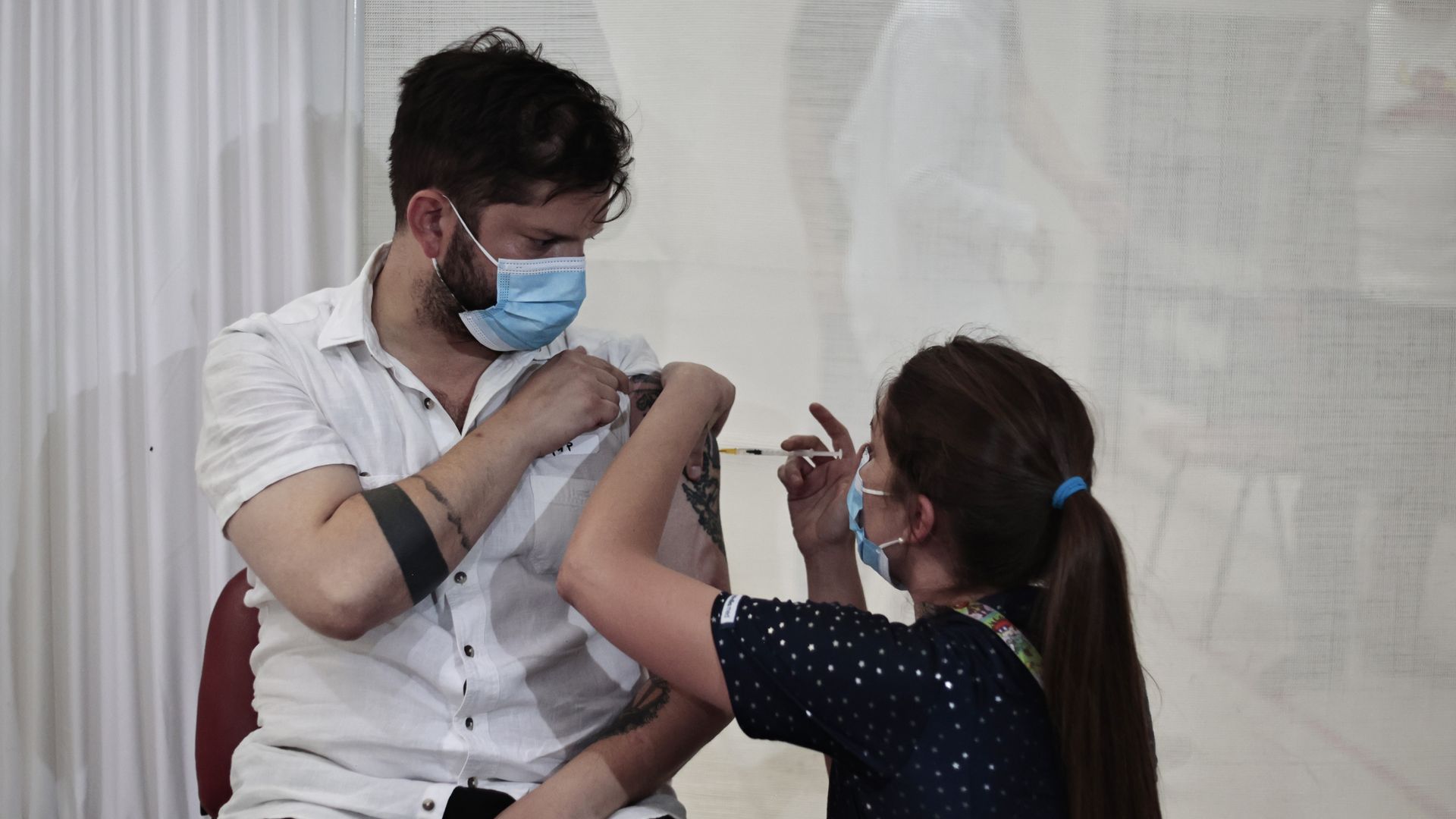
Chile’s president-elect, Gabriel Boric, gets his booster shot Dec. 24. The country was among the first to administer them. Photo: Karin Pozo via Getty Images
A persistent vaccination gap in Latin America threatens to extend the pandemic in the region.
Where it stands: Of eligible people in Latin America and the Caribbean, 57% had been fully vaccinated by the end of December, according to the Pan American Health Organization.
- In contrast, 61% of people in Europe and 62% of people in the U.S. had received two vaccine doses, per Oxford’s Our World in Data.
- In the Caribbean, the majority of people have not received a first dose.
- Only Chile, Uruguay, Argentina and Cuba report more than 70% of their populations being vaccinated, mostly thanks to large, early purchases of Chinese vaccines or, in Cuba, a vaccine developed in the country.
The big picture: That puts those countries ahead of the WHO targets set for the middle of 2022. Chile will begin administering a fourth vaccination dose to elderly people there this month.
3. Autoimmune disorders weigh on Latinos
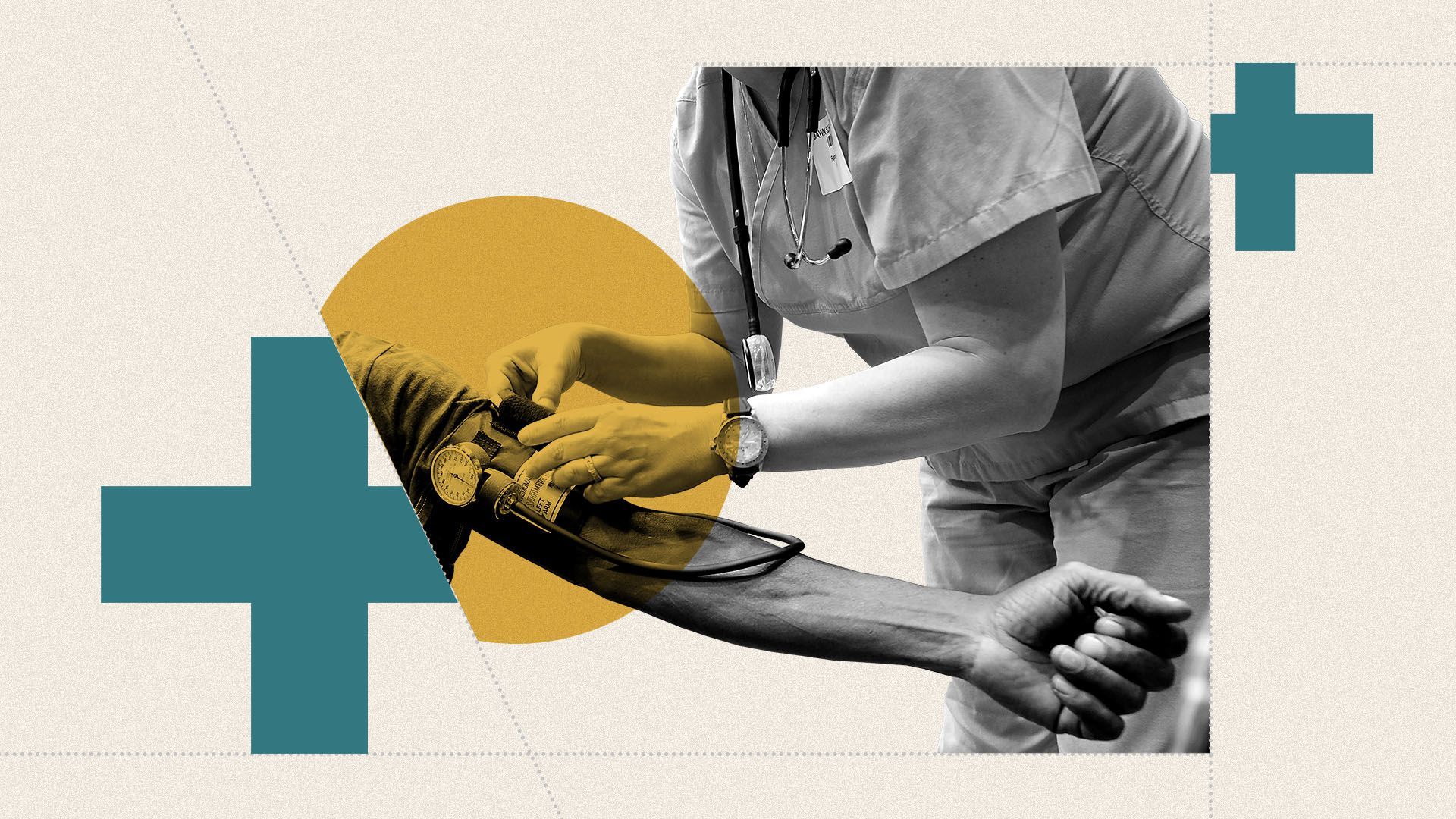
Photo Illustration: Sarah Grillo. Photo: Spencer Platt/Getty Images
Latinos and Black people in the U.S. are more likely than white non-Hispanics to have severe cases of diseases like multiple sclerosis, according to a medical review.
Why it matters: Limited access to health clinics for preventive treatments, financial barriers and other factors disproportionately affecting people of color can translate into delays in diagnosis and treatment.
Key takeaway: People of color are at greater risk of developing MS and neuromyelitis optica (NMOSD), and of having those autoimmune disorders progress faster than white non-Hispanic people, per the research.
- The review also found less than 10% of clinical trials related to MS and NMOSD treatments included African American or Latino participants, and that “access to neurological specialists is rare,” University of Southern California clinical neurologist and study co-author Lilyana Amezcua said in a press release.
The big picture: The study underscores how social determinants of health (SDOH), such as whether someone has access to transportation or which neighborhood one lives in, can affect outcomes.
- “Before we look at biological factors as the cause of the disparities we see in health outcomes, we should first assess the role of SDOH and how we might modify them to make a difference,” Amezcua said.
Go deeper: Uninsured rates among Latinos rise
4. Tortillas have a dark side in Guatemala
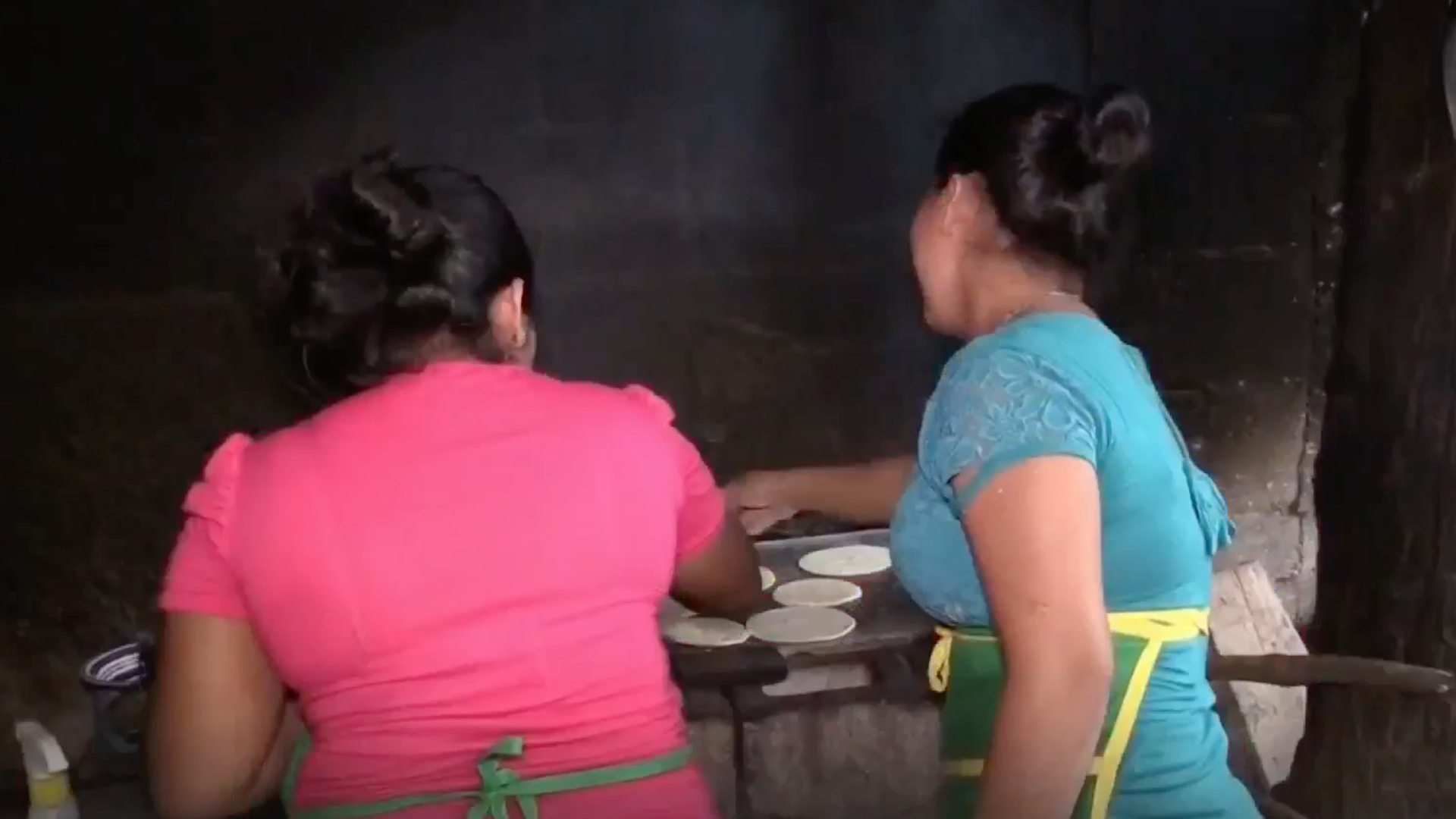
Two young Indigenous women working in a tortillería in Guatemala. Photo: Noticias Telemundo
Indigenous girls, some of them not yet teenagers, are being exploited in tortillerías across Guatemala, according to a new report.
The big picture: Indigenous people represent almost half of Guatemala’s population but endure heavy discrimination in the country’s labor market.
Details: The report from an NGO funded by USAID cites 15-hour workdays with extremely low wages or no payment, physical abuse and health issues for thousands of girls with jobs in tortilla factories.
- Guatemala has one of the highest rates of child labor in Latin America and the Caribbean: 17% of underage children work, according to the government.
- Of Indigenous people in the Central American country, 79% live in poverty, compared to 47% of the total population.
What to watch: The COVID pandemic set back efforts to eradicate child labor and exploitation in Latin America and the Caribbean, warns a report from Unicef and the ILO.
- Many kids became breadwinners for their families as poverty rose and schools closed.
- Child labor could rise by 3% this year after five years of sustained decline, according to the report.
Go deeper: Digital gap leaves Latino students behind
5. Stories we’re watching
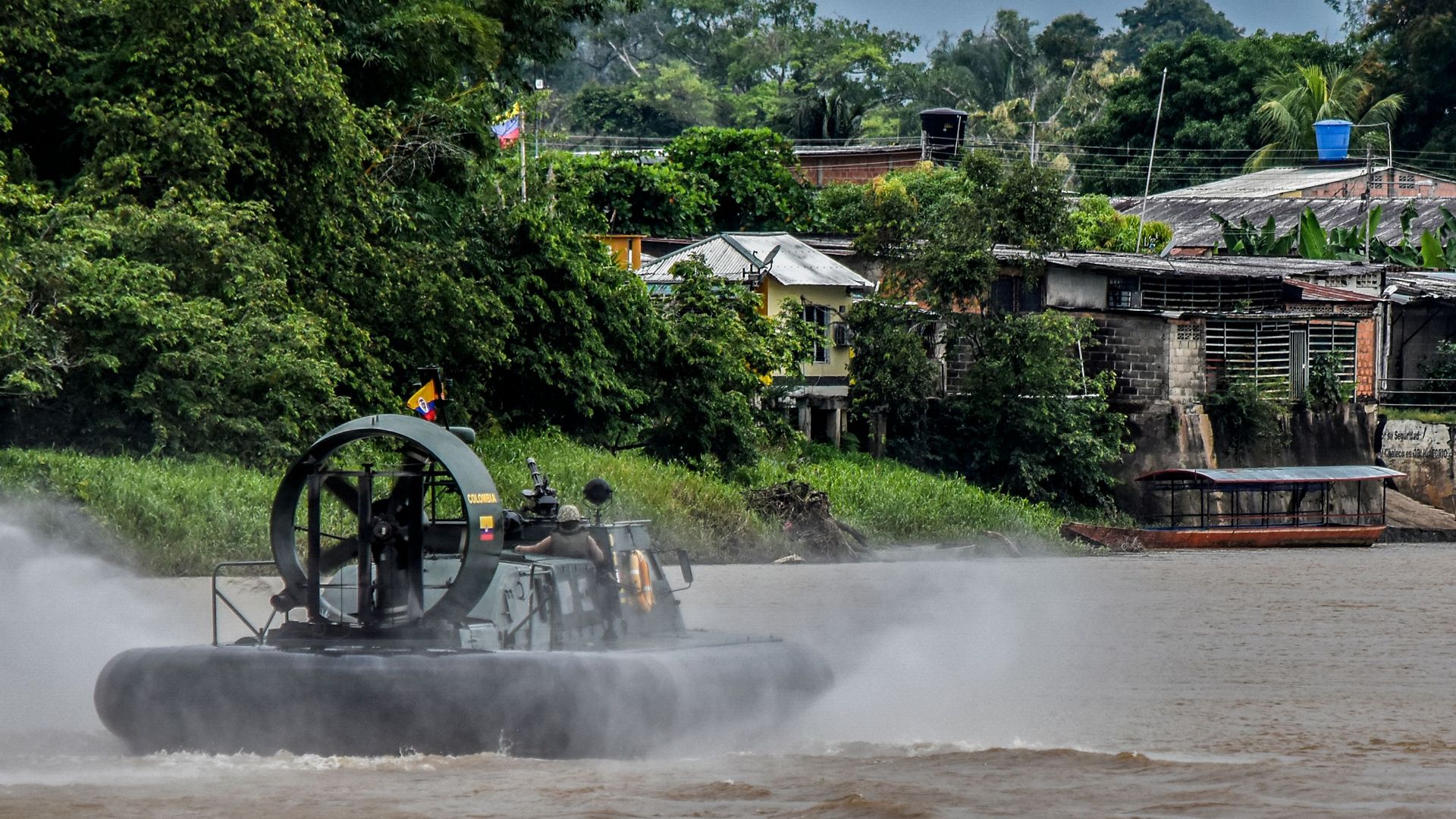
Colombian authorities cruise along Arauca, near the border with Venezuela, in March 2021. Photo: Daniel Martínez/AFP via Getty Images
1. Fighting between Colombian guerrilla groups has broken out in the northeast of the country since the new year.
- Members of the Ejército de Liberación Nacional (ELN) are facing former members of FARC who refused to give up their weapons when the group was officially disbanded five years ago.
- At least 23 people have died so far. Local authorities estimate up to 2,000 people have had to leave their homes.
2. Brazilian President Jair Bolsonaro was hospitalized yesterday and is being evaluated for surgery to address an intestinal obstruction with no set discharge date.
- Bolsonaro had already been taken to hospital in July for the same ailment but did not require surgery at that time.
- He has had six surgeries since 2018, when he was stabbed in the abdomen during his presidential campaign.
6. 🐡 1 smile to go: Bringing species back

The tequila splitfin, a fish that had gone extinct in the wild more than two decades ago, is back in its natural habitat.
The big picture: Scientists are now hoping they will have similar success with the axolotl, a critically endangered amphibian that can regenerate its limbs and even organs like the brain.
Details: The tequila splitfin fish disappeared from the Teuchitlán River in central-west Mexico in the 1990s due to pollution and the introduction of non-native species for fishing.
- But a few specimens were kept in captivity. A team of researchers was able to breed them and reintroduce them to the river starting in 2017, after an intense clean-up of the river by residents, and environmental education about the fish’s role in the ecosystem.
- By last month, the tequila splitfin had successfully reproduced in the part of the river where they were reintroduced, and began expanding to other areas, AP reports.
As for the axolotl, it can be found only in southern Mexico City's Xochimilco wetlands, a World Heritage site threatened by pollution and agricultural exploitation.
- Local farmers have been enlisted to help breed axolotl in ponds and inflatable pools so they can then be reintroduced into Xochimilco’s canals.
Thanks for reading. We’ll be back Thursday.
Sign up for Axios Latino

Keep tabs on the stories that most affect the U.S. Latino community on both sides of the border, a collaboration with Noticias Telemundo.