Axios Latino

November 30, 2021
¡Muy buen dĂa! Today we dive into deaths at the border, senior education and mangroves.
Breaking: Members of Congress urge the State Department to condemn the declaration of martial law in an Indigenous community in Guatemala.
🚨 Job alert: Axios Latino is looking for a senior editor to lead the newsletter to its next milestone. If you have journalism experience and ideas to make this newsletter even better, apply here.
Send us any feedback (quejas, sugerencias, chismes) by replying to this email. Sign up if you aren’t yet subscribed, and remember you can read the Spanish version here.
This newsletter — edited by Michele Salcedo — is 1,468 words, about a 5.5-minute read.
1 big thing: Humanizing border deaths
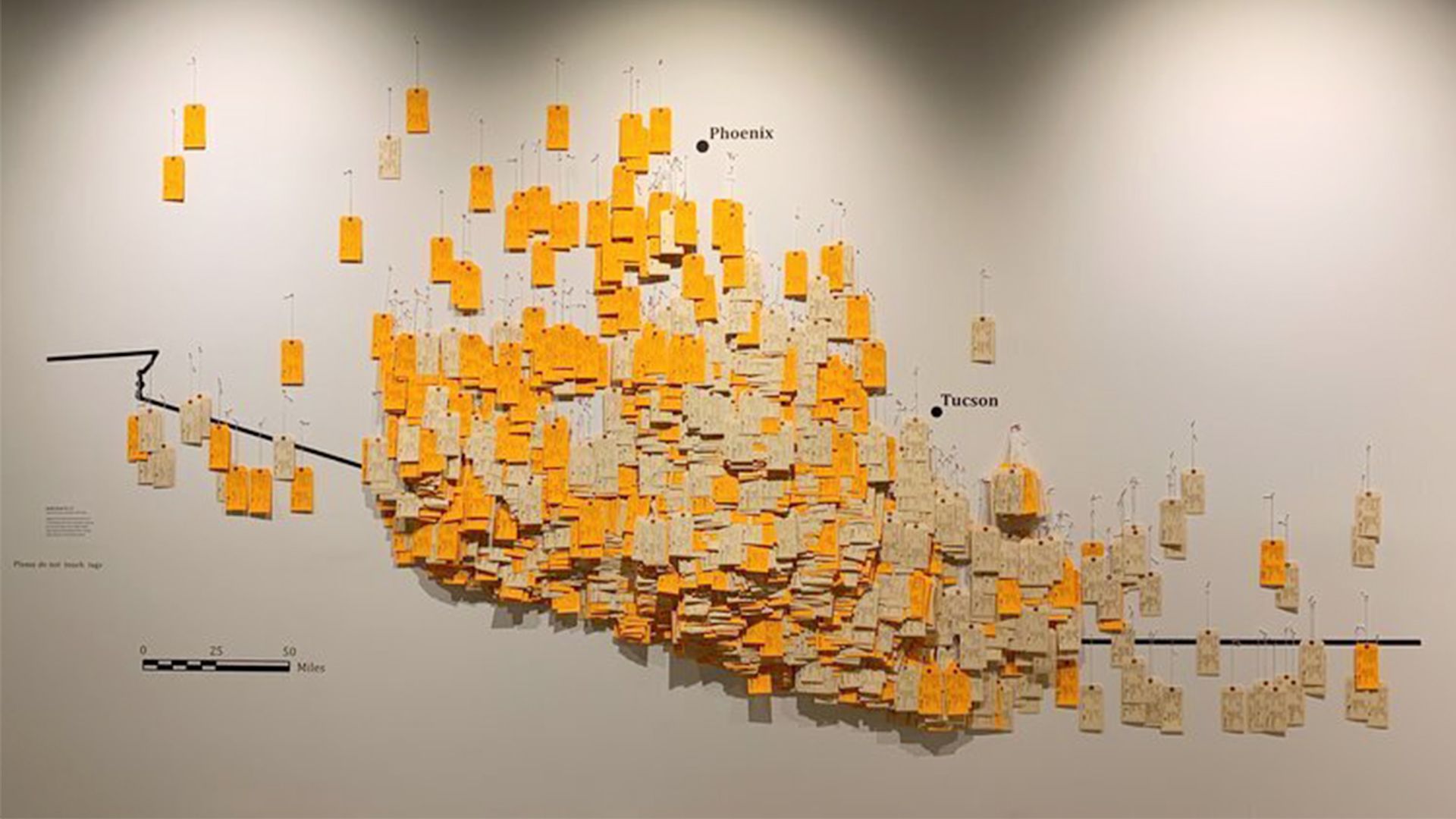
As part of the Hostile Terrain 94 installation at a San Diego museum, toe tags represent migrants who died in the desert. Photo: Undocumented Migration Project
Art exhibits are looking to reframe the narrative around migrants and the reasons they make the perilous trek to the southern U.S. border.
Why it matters: Interactive exhibits mean to humanize the hemisphere's migrants in a year when a record number of people died trying to cross the border.
- During the 2021 fiscal year, which ended Sept. 30, the U.S. Border Patrol tallied 557 deaths at the southern border, the highest number since records have been kept and 50% higher than in 2020.
Details: One exhibit, “Ruta norte,” in the Ciudad Juárez Museum, uses virtual reality to immerse visitors in a border shelter as they listen to the recorded stories of people who have trekked across the Americas.
- Another, the pop-up style Hostile Terrain 94, refers to a Border Patrol policy from 1994 enacted to deter people from illegally crossing near urban or formal points of entry.
- The result: People attempt the journey through inhospitable desert, over mountainous areas, or through the Rio Grande, where drownings are frequent. (Its Spanish name, RĂo Bravo, derives from its fierce currents).
How it works: In Hostile Terrain 94 features more than 3,200 toe tags at each installation. Some of those who died have been identified, others are Jane and John Does. All died between 2001 and 2020.
- After a short workshop, visitors are encouraged to fill out the tags with the available information about each person who died: their name, where they were from, their reasons for leaving their country, and where they were found and in what condition.
- “The information is the same as what one might find in official databases, but presented differently” so that visitors will engage and reflect on the similarities they might have with those who’ve died, said Jason de León, UCLA anthropologist and director of the Undocumented Migration Project, the non-profit arts and education collective behind the exhibit.
2. Malcolm X's Latino connections
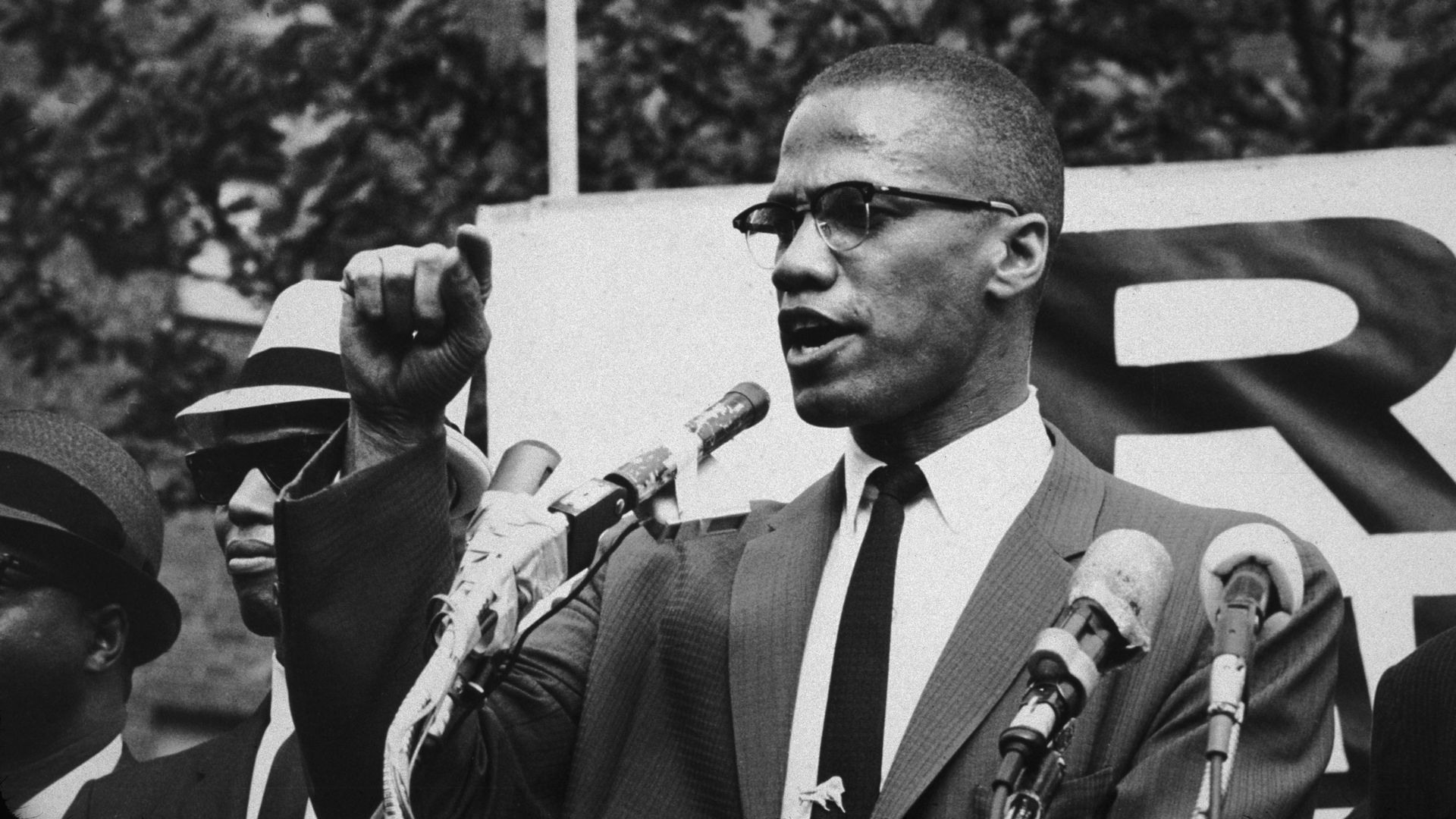
Malcolm X. Photo: Bob Parent/Hulton Archive/Getty Images
New information shows Latinos helped shape Malcolm X’s experiences and upbringing, though the Black civil rights leader rarely spoke about Hispanics during his time as a civil rights advocate.
Details: Malcolm X's mother, Louise Little, was born in the West Indies island of Grenada and was a fluent Spanish speaker.
- His family lived in Omaha, Nebraska; Milwaukee,Wisconsin, and Lansing, Michigan, areas with a strong presence of Mexican American migrant farmworkers.
- According to the 2021 Pulitzer Prize winning biography, "The Dead Are Arising: The Life of Malcolm X," by the late Les Payne and his daughter Tamara Payne, a young Malcolm learned to grow better marijuana from Mexican migrants in Lansing. He’d sell the weed for income.
The big picture: Malcolm X was instrumental in shaping the narrative about people of color in the U.S. and the nation's legacy of discrimination. Yet Latinos are often excluded from that story.
- Activists from the Chicano Movement and from the Puerto Rican Young Lords adopted some of Malcolm X's anticolonialist and nationalist philosophies about self-determination.
- Chicano leaders José Angel Gutiérrez, Rodolfo Gonzales and Reies Lopez Tijerina gave speeches influenced by Malcolm X, with language to suit Latino audiences.
- During Malcolm X's time, most of the country outside of the American Southwest knew very little about the legacy of discrimination Mexican Americans and other Latinos faced.
3. Castro has an early lead in Honduras
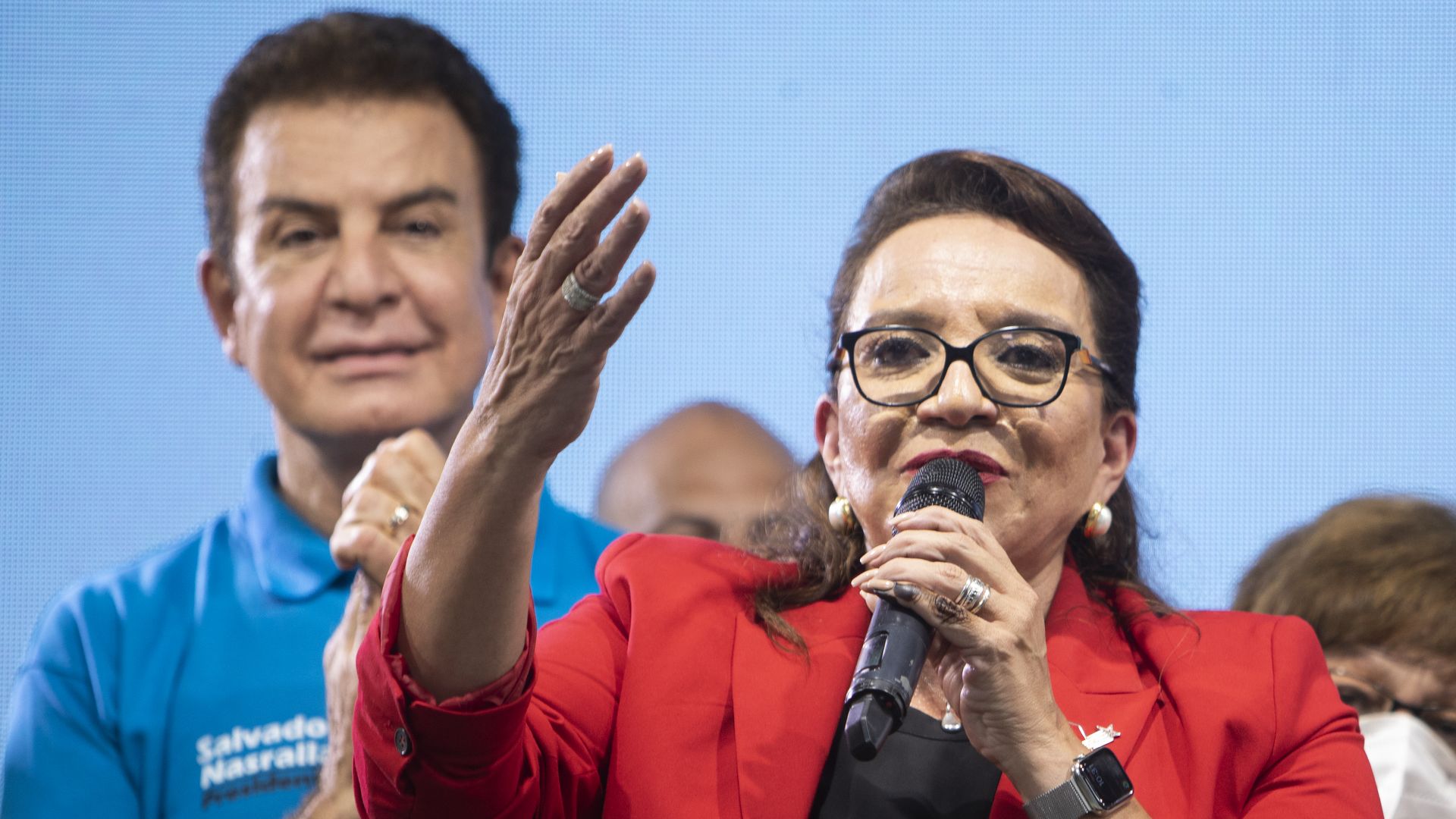
Xiomara Castro de Zelaya, who has a 20-point lead in the count so far, flanked by vice presidential candidate Salvador Nasralla. Photo: Inti OcĂłn/Getty Images
Leftist Xiomara Castro has a strong early lead following Sunday’s elections in Honduras and is on track to become the first woman president of the impoverished and troubled Central American country.
Why it matters: The incoming Honduran government faces growing unemployment and a shrinking economy alongside rising violence and entrenched crime, with officials accused of rampant corruption and of close links to drug traffickers.
- Living under such instability and lack of governance has forced many more people to leave their homes and migrate, mostly to Mexico, the U.S. and Spain.
- The effects of climate change, such as growing drought and harsher hurricane seasons, have also stoked migration in the past few years.
Between the lines: If her lead sticks, Castro and her Libre Party will break a 12-year run for the National Party, which U.S. prosecutors alleged fostered a “narco-state.”
- Castro will be expected to right a nation that has been in crisis practically since 2009, when her husband, then president Manuel Zelaya, was ousted in a coup over a disagreement with Congress.
- The results of congressional elections are still up in the air. They could thwart Castro’s self-proclaimed “feminist, antipatriarchy, revolutionary and inclusive” program.
- Congress will also determine the next attorney general and thee makeup of the supreme court.
What to watch: The current president, Juan Orlando Hernández, has been embroiled in accusations of electoral fraud since the 2017 vote and could face the U.S. justice system after he leaves office in January.
- Hernández was named a "co-conspirator" in court documents when his brother was convicted of drug-trafficking in March. If indicted, he could face extradition.
4. A mangrove mystery with climate clues
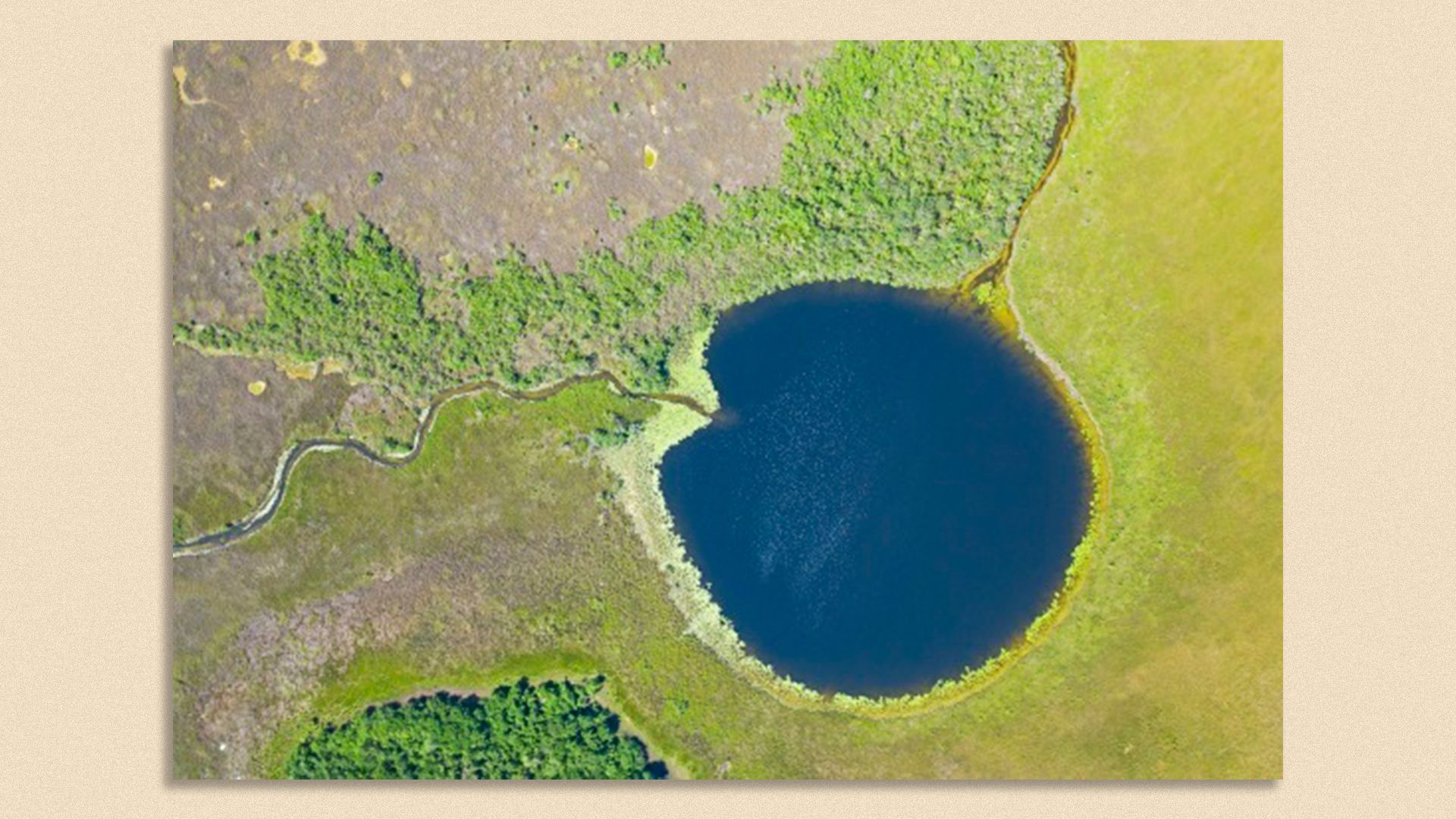
The mangrove forest in Tabasco is the most inland of its type on Earth. Photo: Octavio Aburto/Mares Mexicanos
Deep in a jungle near the Mexico-Guatemala border is a red mangrove forest that theoretically should not be there, holding clues to what the effects of ongoing climate change could mean as sea levels rise.
Details: The forest is about 170 km (105 miles) inland, in a freshwater river. Mangroves typically exist and thrive in coastal areas with seawater.
Why it matters: Analyses done in the area found seawater levels were at one time up to 9 meters (29 feet) higher due to glacial melting tens of thousands of years ago. Current global warming trends could easily get the world back to that point, according to the researchers.
- Estimates indicate 800 million people live less than 5 meters (16 feet) above current sea levels.
The intrigue: The studies found the forest came into existence about 125,000 years ago in the Ice Age, and over time the trees adapted to the lack of salt by absorbing calcium from nearby limestone deposits.
- Along with the red mangroves, about 100 species of its surrounding ecosystem also adapted to freshwater.
- “Studying these adaptations will be extremely important to better understand how to deal with future conditions in our changing climate,” says Octavio Aburto Oropeza, a marine ecologist from the Scripps Institution of Oceanography at UC San Diego who is the studies’ main author.
5. Stories we’re watching
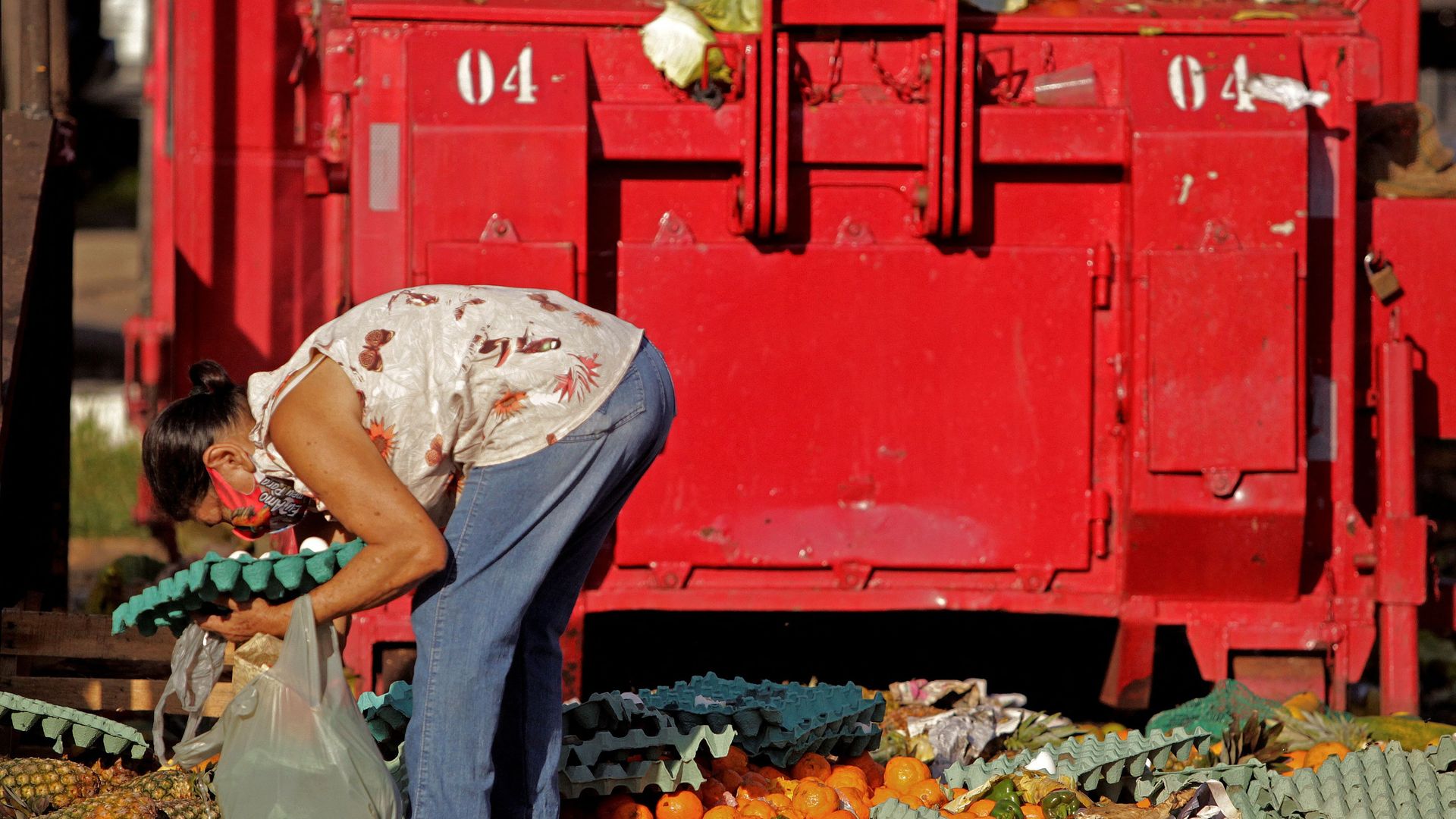
A Brazilian woman goes through food remains from a street market before trash trucks clear the way. Photo: Raimundo Pacco/AFP via Getty Images
1. Hunger and poor nutrition in Latin America and the Caribbean have reached their highest numbers since 2000, Unicef, the WHO and the Food and Agriculture Organization warn in a report.
- Hunger rose 30% in the region during the first year of the pandemic, when 4 out of 10 people were unable to get the meals they needed.
- In the U.S., 1 in 5 Latinos had to skip meals last year, according to the Department of Agriculture.
2. Chile is close to making same sex marriage legal, with just a Senate vote pending on a proposal that would also allow LGBTQ+ couples to adopt children.
- Chile would join Argentina, Brazil, Colombia, Costa Rica, Ecuador, Uruguay and a handful of Mexican states in officially recognizing the rights of same sex couples.
- The proposal even has the backing of socially conservative leader Sebastián Piñera, and it could be approved before Dec. 19’s second round presidential election shuffles political priorities.
6. 🎓1 smile to go: Senior graduates

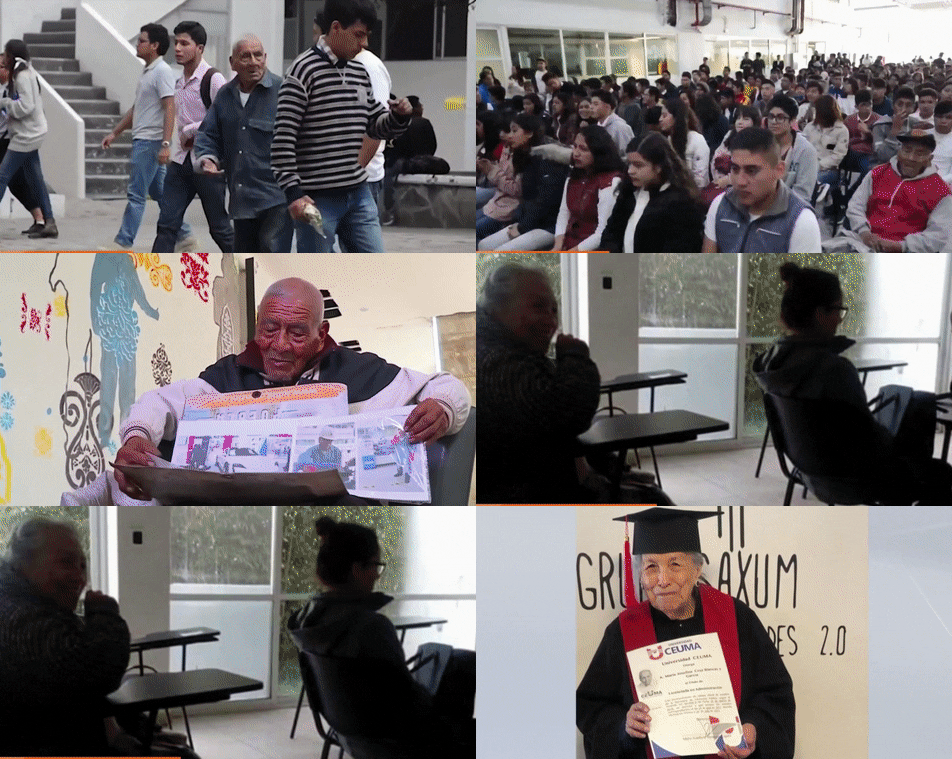
Age is but a number for two Mexican seniors who recently graduated from university in a country where few adults of any age are able to.
Details: Felipe Espinosa, 85, and MarĂa Josefina Cruz, 93, say they could not continue studying during their youth because of finances, but they had been longing to pick classes back up.
- Cruz went back to school when one of her granddaughters started college, and graduated this October with a Business Administration major after decades of working as a shopgirl and in a bank.
- Espinosa became a farmworker and fruit vendor as a teen and kept at it to put his own kids through school. When they finished and he retired, he decided to study Process Engineering and Industrial Management. He graduated in May.
- 38% of illiterate people in Mexico are senior citizens, and only 2 out of 10 Mexican adults have college studies, one of the lowest percentages among OECD countries.
What they’re saying: “It’s never too late to emerge from a place of ignorance or of not knowing about something, and see where those new findings take us,” Cruz told Noticias Telemundo.
Thanks for reading. See you Thursday. Have a safe one.
Sign up for Axios Latino

Keep tabs on the stories that most affect the U.S. Latino community on both sides of the border, a collaboration with Noticias Telemundo.