Axios Kansas City
October 08, 2026


1 big thing: Saving KCK's Native burial ground
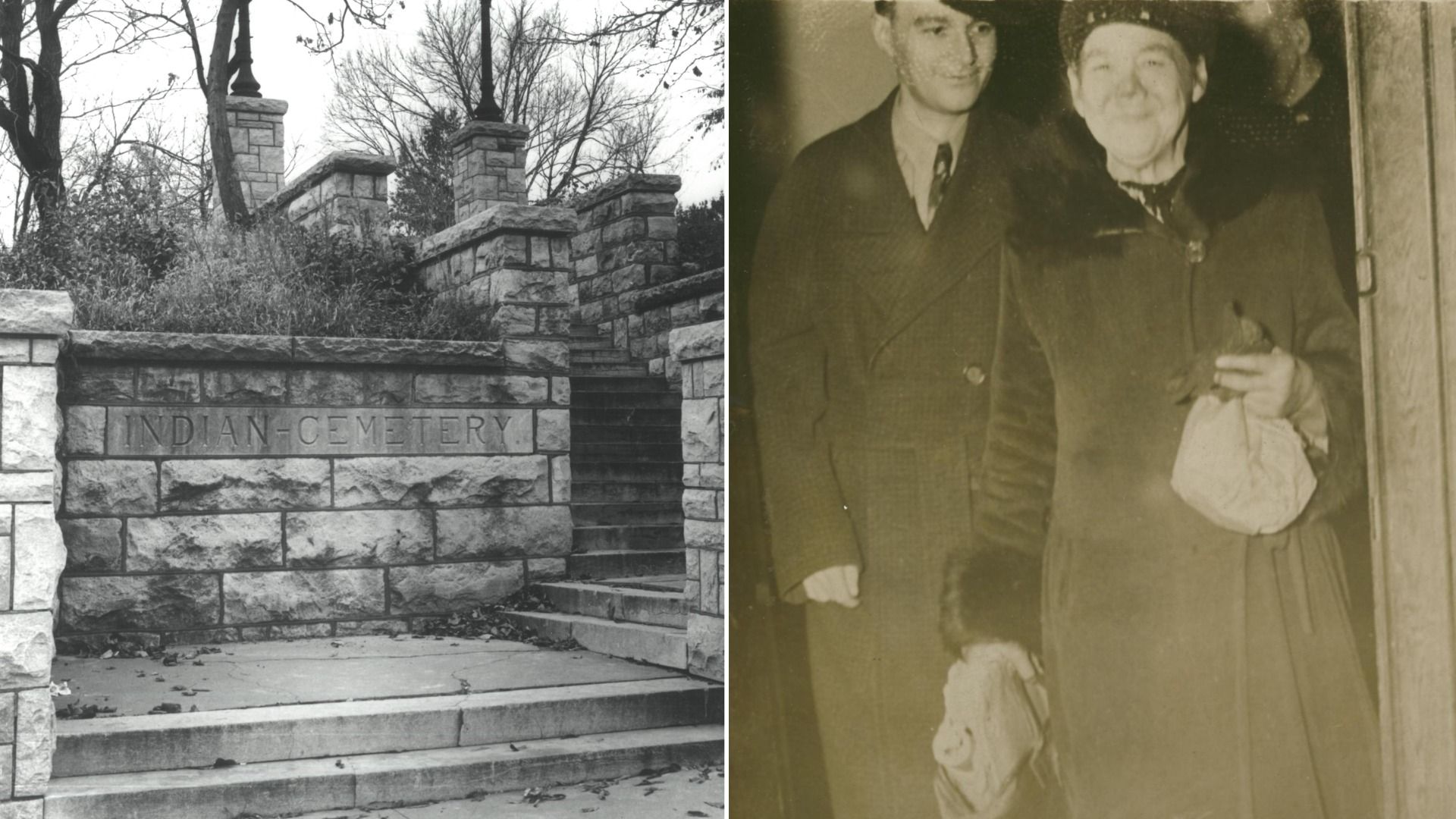
When Congress approved selling the Wyandot cemetery in downtown KCK in 1906, three Native American sisters built a shack there, moved in with a shotgun, and guarded the graves for years.
Why it matters: As many as 600 Wyandots who settled the land before Kansas City, Kansas, existed are buried on that hill, and the sisters are the reason their graves are still there and not a parking garage.
Flashback: The Wyandot were forced from Ohio and Michigan to Kansas in 1843, and nearly 100 died within a year as measles and other illnesses spread. The Wyandot buried their dead on a hill the Delaware tribe had given them, years before the town that became KCK existed.
- Sixty years later, the hill was prime downtown real estate. Part of the tribe had since moved to what's now Oklahoma, and a land surveyor with power of attorney for that Oklahoma group got the sale written into federal law.
- Lyda, Helena and Ida Conley had grown up in KCK with family in that ground. Lyda earned a law degree in Kansas City in 1902, and she sued, arguing that the government had promised the Wyandot that land forever.
What they're saying: "Burial grounds are the most sacred thing because once everybody's gone, that's all we have left to remember them by," Chief Judith Manthe of the Wyandot Nation of Kansas, the sisters' first cousin three times removed, tells Axios.

Zoom in: Lyda didn't wait on the courts. The sisters padlocked the gates and hung a sign: "Trespassers Beware." One of them was always inside the 6-by-8-foot shack with the shotgun.
- "That shotgun was never loaded," Manthe says. "They bluffed everybody."
- Police jailed the sisters, and they came back to the shack. Offered a $10 fine or 10 days in jail, Lyda chose jail, Manthe says.
- Lyda argued her case before the U.S. Supreme Court in 1910, the first Native American woman to do so, and lost. Congress repealed the sale in 1913, and in 1916 it set aside $10,000 to improve the cemetery.
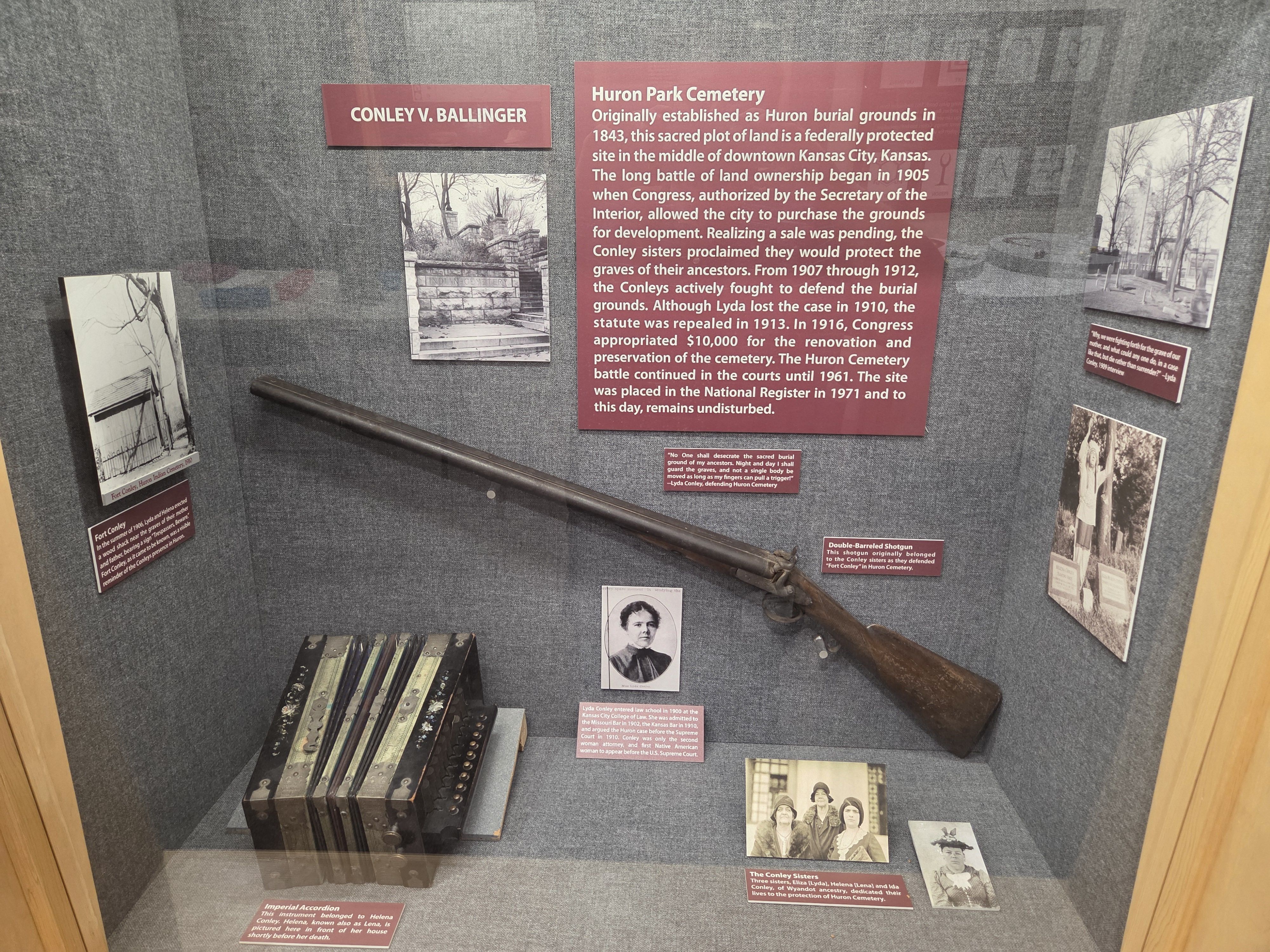
Yes, but: Lyda didn't live to see how the story ends. She was killed during a robbery in 1946. In the 1950s, Helena, then 91, told an interviewer that nobody would remember them. The Wyandotte County Museum recently found that interview.
The intrigue: The fight outlived the sisters. Congress authorized another sale in 1956 before protests stopped it, and the Wyandotte Nation later threatened to build a casino over the cemetery.
- The Kansas and Oklahoma Wyandots have agreed the cemetery can't be used for anything else.
2. 🚧 Brace for I-70 detours
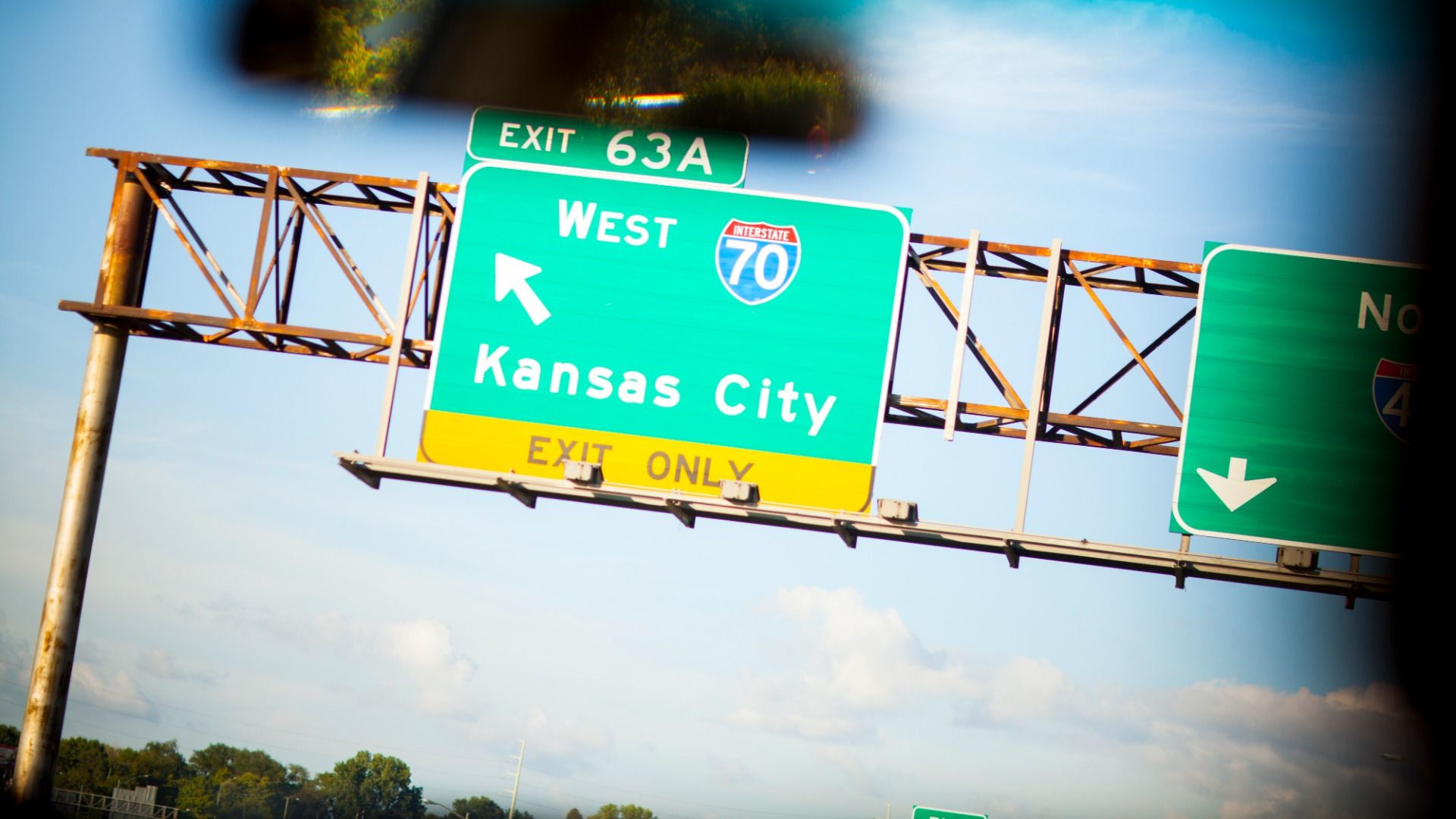
If your commute takes you on I-70 in Kansas City, you're going to need a new route — and some extra time — next year.
Why it matters: 105,000 daily drivers will have to find a way around the fastest, most direct route to and from downtown, and transportation officials want them to take detours that add up to 21 minutes to a one-way trip.
Driving the news: The Missouri Department of Transportation held an open house on Tuesday, displaying project details including planned detours.
Zoom in: I-70 will close both directions between The Paseo near downtown and Van Brunt Boulevard, just west of the Truman Sports Complex.
- The closure is scheduled from January to December and will allow crews to work faster on building additional lanes and bridges.
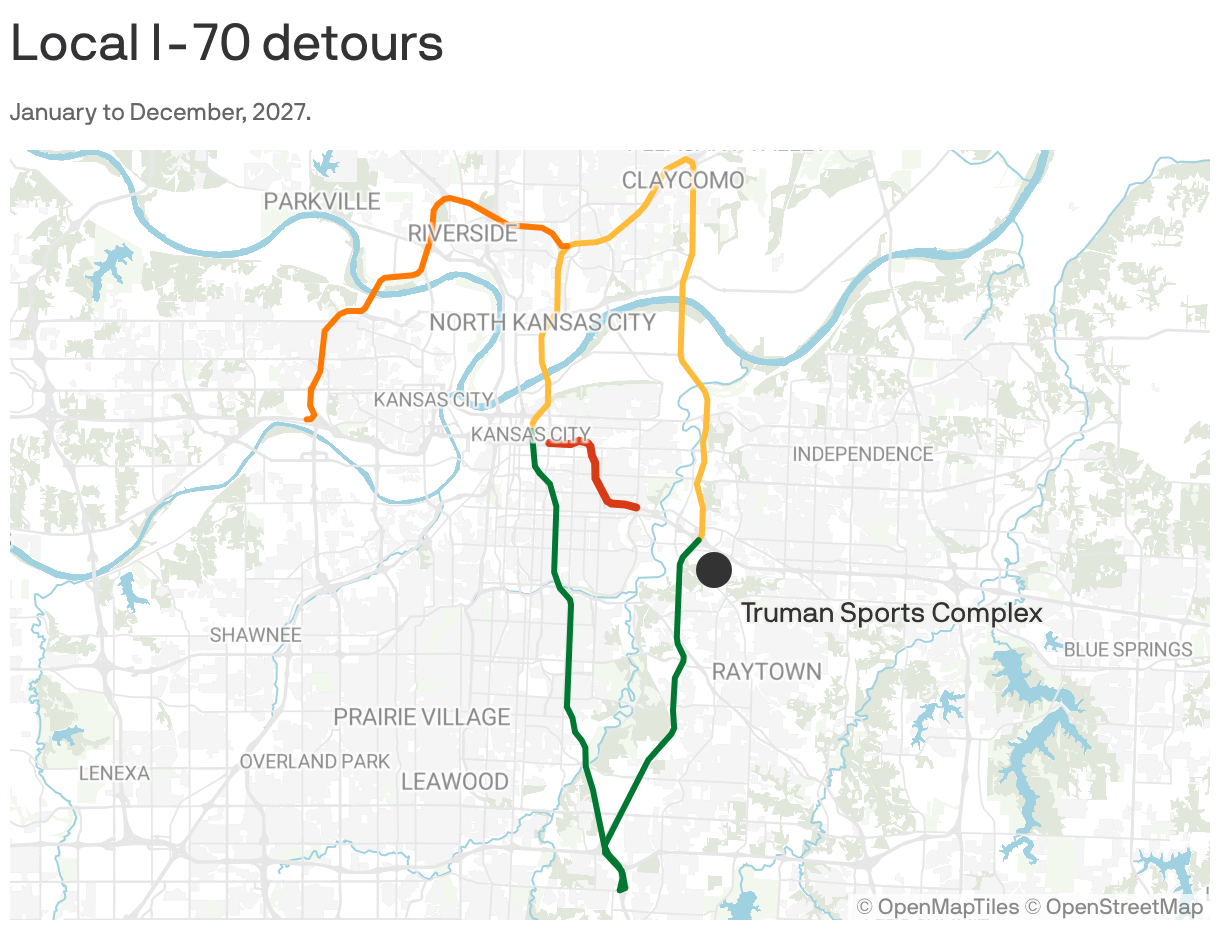
By the numbers: MoDOT suggests two alternatives for commuters who drive on the stretch of road slated for closure.
- The 6.5-mile stretch of I-70 from I-435 to downtown takes about 7 minutes on a weekday morning, per Google Maps.
- Go north: I-435 southwest to I-35 adds about 13 miles and 15 minutes.
- Go south: I-435 to U.S. 71 adds about 17 miles and 21 minutes.
Zoom out: On the Kansas side, folks living east of the Legends are asked to take I-635 north, I-29 and I-35 east, and I-435 south to get to the stadiums.
- Traffic passing through the metro will be rerouted onto I-435 around the metro's south side.
3. ⛲️ Water fountain: KC eyes $15M mud fix


Axios Kansas City