Axios Kansas City

October 07, 2026

It's Wednesday. Whoopty doo.
☀️ Today's weather: Sunny, with a high in the mid-80s.
👟 Fun fact: It's National Walk and Roll to School Day.
- Maybe we can increase our average yearly mileage a tad.
Today’s newsletter is 965 words — a 3.5-minute read.
1 big thing: Child abuse lawsuits vs. the clock

Survivors of Jeffrey Epstein's abuse brought their national campaign to the Kansas City metro last month, putting a spotlight on childhood sexual abuse survivors' fight for more time to sue.
The big picture: Advocates say most survivors don't disclose childhood sexual abuse until decades later. The average age is just over 50, according to the think tank Child USA, long after the civil deadlines in Kansas and Missouri.
Zoom in: Dani Bensky and Sharlene Rochard, who say Epstein abused them as teenagers, met state Sen. Cindy Holscher, who led the four-year push for Kansas' 2023 law.
- They also met with Lesa Patterson-Kinsey, a Kansan who survived childhood sexual abuse and lobbied for the law.
- Rochard tells Axios the pair offered to help Kansas survivors with legislation. "We're also learning about ... what kind of legislation that you need help with in your cities, so that we can help."
Catch up quick: Before 2023, Kansas gave survivors until age 21 to sue their abusers and gave prosecutors as little as five years to file charges.
- Survivors showed up at the Statehouse every week that session until lawmakers passed a compromise: Prosecutors can now charge child sex abuse at any time, and survivors can sue until 31.
- The compromise left out a "lookback window," a set period when survivors whose deadlines had already passed could file civil claims.
- A 2025 bill, HB 2093, would have pushed the lawsuit cutoff to 55. It died in committee this spring.
Across the state line, Missouri lifted its deadline for prosecuting childhood sexual abuse in 2018, but survivors generally have until age 31 to sue their abusers and age 26 to sue institutions such as schools and churches.
- Its constitution bars the revival of expired claims, so lawmakers can't add a lookback window without voters' approval.
- A ballot measure to allow a lookback window died in May, and a bill to push the lawsuit deadline to age 41 stalled in the Senate over an insurance lobbying fight.
The other side: Insurers, the Missouri Chamber of Commerce and tort reform groups opposed the ballot measure. Opponents testified reviving old claims invites due process challenges and upends insurance contracts.
What's next: Both legislatures reconvene in January. Missouri advocates plan to try again, while no Kansas lawmaker has filed a bill to extend the deadline since HB 2093 died.
2. ⚡️ Missouri's nuclear push
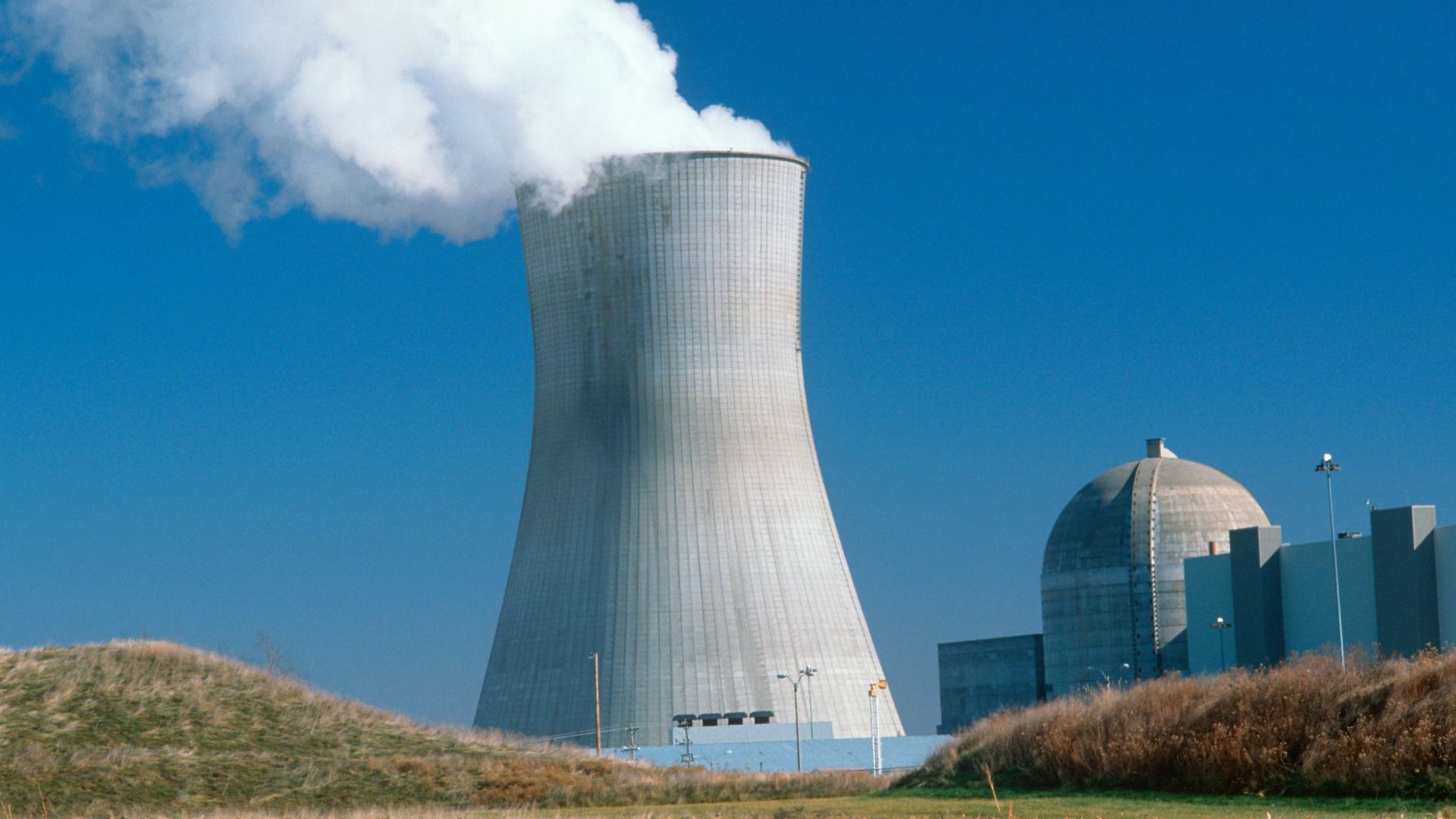
Missouri is facing an energy crunch as demand skyrockets and production faces cuts due to aging power plants.
Why it matters: Failing to meet future energy demands would raise the state's already increasing reliance on imported energy, which could trigger higher bills and a less reliable power grid.
The big picture: Missouri's new State Energy Plan lays out policy that would boost in-state production, and it's leaning heavily on building nuclear reactors.
By the numbers: Missouri expects to lose roughly one-third of its energy output in the next 25 years, according to the energy plan and policy brief.
- That's because 65% of the state's energy production comes from aging coal plants scheduled for retirement with no replacement.
- Meanwhile, Missouri's energy demand is expected to double during that time, in part due to large-load customers like data centers.
Zoom in: The state has been a net importer of energy since 2018, and it imported 15.35 million more megawatt-hours of electricity than it exported in 2024, according to the Energy Information Administration.
- That makes Missouri the ninth most reliant state on imported energy, per Green Map.
- The state's brief mentions "extreme weather, volatile global energy commodity markets" and AI data centers as factors that expose Missourians to grid strain and higher bills.

Context: Gov. Mike Kehoe says the state's nuclear task force, which contributed to the energy plan, is based on President Trump's effort to quadruple national nuclear output by 2050.
- It comes on the heels of Kansas' recent efforts to attract next-gen nuclear power. Energy officials visited Johnson County earlier this year as they eyed locations.
Follow the money: The policy brief suggests giving Missouri's Environmental Improvement Authority power to finance nuclear projects, which are currently excluded.
- Other funding could come from federal programs, the state budget and ratepayers' electricity bills.
What's next: The plan calls on state lawmakers to make it less risky for nuclear plant builders to finance projects.
3. ⛲️ Water Fountain: Preserving Arrowhead

🏟️ Jackson County wants to keep Arrowhead Stadium and redevelop the roughly 400-acre Truman Sports Complex as a year-round live, work and play district. Kauffman Stadium would be taken down. (Press release)
- The county's first step is finding a new long-term use for Arrowhead, which the county would then use to attract developers.
🛠️ Kansas City Public Schools launched a four-year construction trades program starting with 80 East High School freshmen. (KCTV5)
⛽️ Record-high diesel prices are straining the trucking industry, and one in 10 KC area workers is in transportation and material moving. (The Beacon)
4. ❤️ We love our new friends
Axios Social Club convened in the Crossroads last night, connecting strangers over dinner who left exchanging numbers as friends.
The big picture: KC is full of great people, and we met a bunch of them at the afterparty at Martin City Brewing Company.
Thank you to everyone who came last night, and to those who participated in August. Y'all truly made these reporters' hearts feel full.
- Sign up to hear about the next one.
🍻 Abbey enjoyed her first time at Martin City last night.
🚫 Travis is not looking forward to the I-70 closure next year.
Thanks to Chloe Gonzales for editing this newsletter.
Sign up for Axios Kansas City