Axios Indianapolis

September 24, 2025


It's Wednesday! Welcome back.
🌧️ Today's weather: Cloudy with scattered showers and a high near 76.
🎧 Sounds like: "Electric Bill" by Jason Boland & The Stragglers.
Today's newsletter is 1,094 words — a 4-minute read. Edited by Lindsey Erdody.
1 big thing: AES rate hike fight heats up

The calls for AES Indiana to reverse course on its rate hike plan are growing louder by the day.
Why it matters: Advocates and recent history tell us that making noise can make a difference when utility companies come knocking on customer doors for more.
Catch up quick: AES filed its latest regulatory rate review with the Indiana Utility Regulatory Commission (IURC) in June. If approved, it would roll out in two phases, with the first being a 7.5% increase in April and the second a 6% increase in January 2027.
Driving the news: The Indianapolis City-County Council has joined the chorus of entities stating their formal opposition to AES' request.
- Councilors Michael-Paul Hart and Joshua Bain introduced a proposal this month that calls for a withdrawal or rejection of the increase.
- That proposal — which has earned bipartisan support — joins frustrated customers, ratepayer advocacy group Citizens Action Coalition (CAC), the Indiana Office of Utility Consumer Counselor (OUCC) and Gov. Mike Braun in saying that what AES is asking for is too much.
Reality check: The opposing parties scoring an outright victory in the form of a Google Data Center-esque withdrawal is unlikely.
Yes, but: CAC executive director Kerwin Olson says the inevitability of an increase is all the more reason to keep speaking up.
What he's saying: "This is a prime example of why you've got to keep fighting until the bell rings," Olson told Axios.
Adding to the anti-AES momentum is ongoing anger over issues unrelated to the rate hike.
- Billing problems tied to a 2023 system upgrade, slow reconnection times in the wake of service interruptions, and inconsistent month-to-month kilowatt usage generating bills sometimes twice as high as usual continue to be sore spots for customers.
- "That's why this rate case was so dumbfounding to us … if there was ever a rate case to withdraw, this would be it," Olson said. "You want to win favor with the public and the Statehouse? Go back to the drawing board, AES."
2. What settling with AES looks like
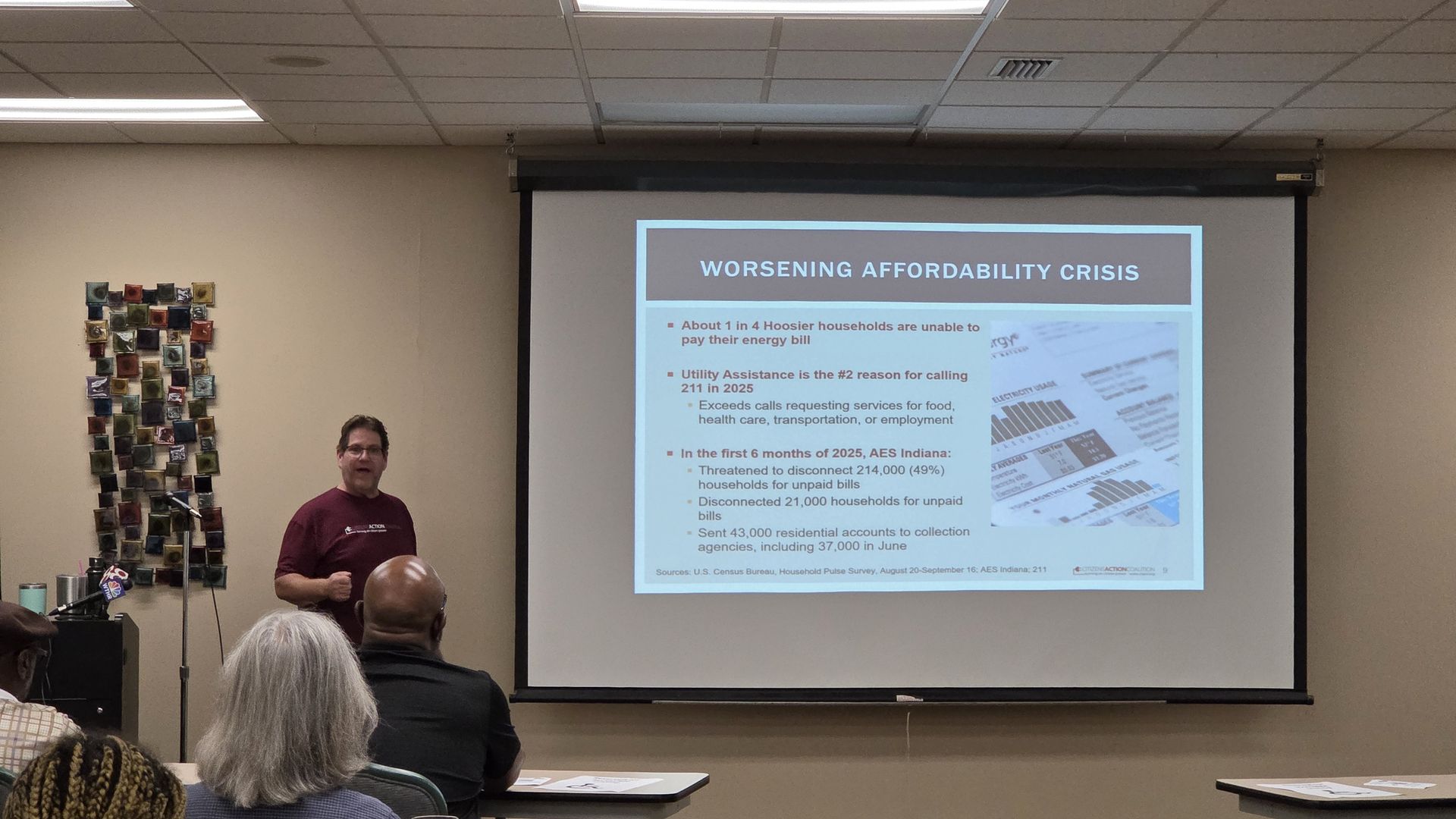
The most likely rate hike relief would come in the form of a settlement, which has happened before.
Flashback: A settlement filed in November 2023 and approved by the IURC in April 2024 reduced AES Indiana's annual revenue increase from $134 million to $71 million.
- That increased the average bill by about $9 a month instead of the $23 AES was originally seeking in June 2023.
- That settlement also included agreements to not disconnect households on Fridays, weekends and major holidays; waiving late fees for all customers at least once in a rolling 12-month period; lower deposit charges for low-income households and more.
The other side: Settlements don't guarantee consumers will get what they want. Southern Indiana utility CenterPoint received strong pushback last year from Evansville residents, which resulted in a smaller rate increase but continued frustration.
What they're saying: "These investments allow us to build a reliable and resilient electric system that delivers long-term value to more than 530,000 customers while preserving our position as one of the lowest rates of any investor-owned utility in Indiana," AES said in a statement earlier this month.
- The same statement was provided to Axios Indianapolis when seeking additional comment.
What's next: AES has until Oct. 7 to file rebuttal testimony.
- If a settlement were to come, it must be submitted to the IURC by Oct. 14.
3. Indiana seeking utility regulators

Should the AES rate hike case move forward, several new faces will be considering it.
Driving the news: The state is taking applications to fill three soon-to-be-open seats on the Indiana Utility Regulatory Commission.
- Gov. Mike Braun said the nominating committee is looking for "entrepreneurial" candidates.
- Braun likened the issue of rising utility costs to the property tax debate that took over much of the last legislative session.
State of play: Commissioners Jim Huston, Wesley Bennett and Sarah Freeman have each announced their intentions to leave the five-member IURC, which regulates electric, natural gas, steam, water and wastewater utilities.
- Bennett and Freeman will leave in October, while Huston plans to leave in January.
4. Pit stop: Fever fall in Game 2
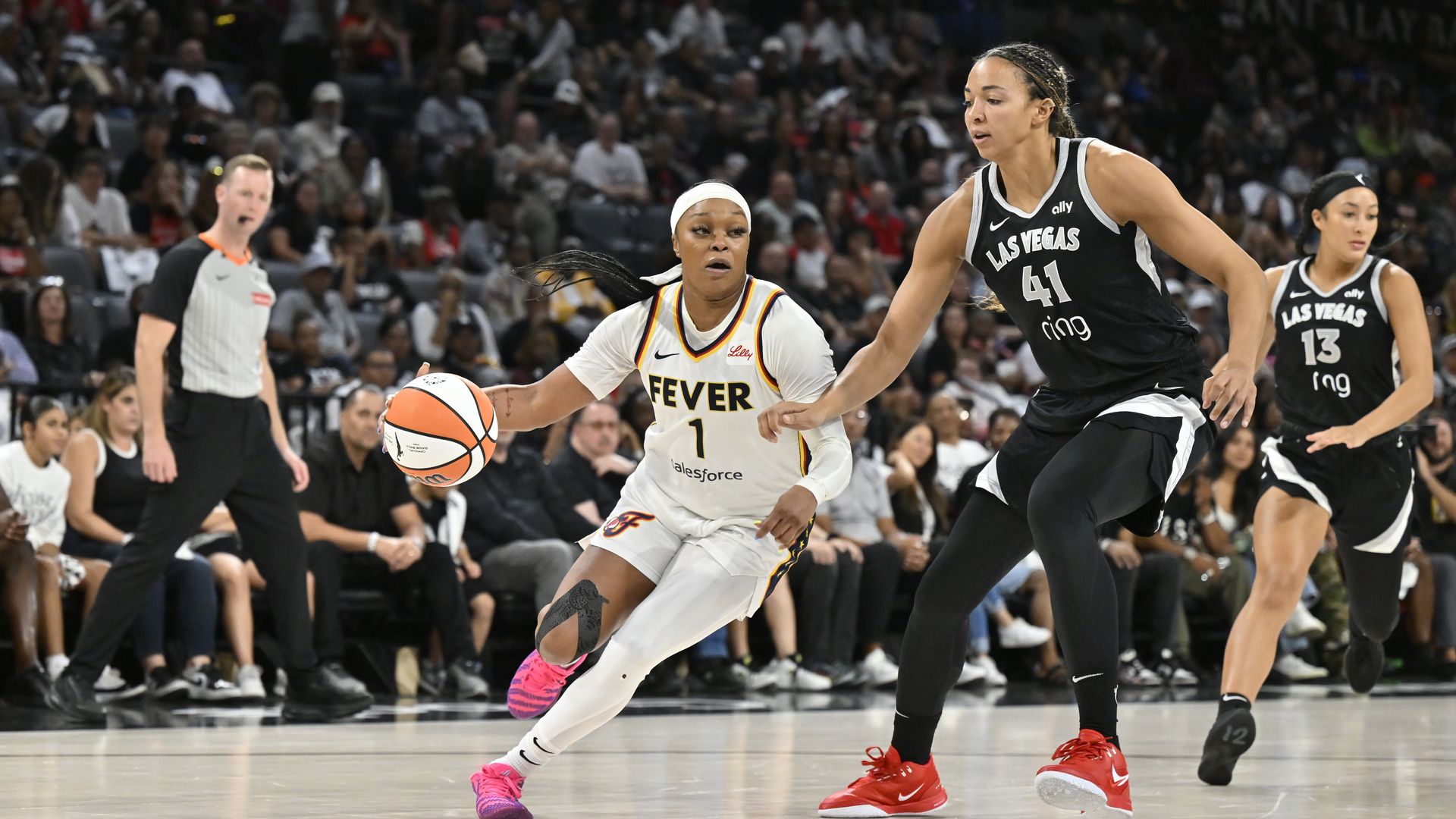
🏀 The Las Vegas Aces beat the Indiana Fever 90-68 last night to tie the WNBA semifinal series at 1-1.
- Odyssey Sims led the Fever with 18 points and Lexie Hull scored 15 while tying a franchise record for 3-pointers made in a playoff game. (Associated Press)
🚀 Purdue University is teaming up with Virgin Galactic for a private space mission that will send a crew of five Boilermakers to the edge of space in 2027. (WTHR)
🚫 After significant pushback from members of the Carmel City Council, Mayor Sue Finkam is putting on hold her plan to launch a nonprofit to manage city events. (IndyStar)
🤸 USA Gymnastics has selected Noblesville as the location for its new training center and headquarters office. (WFYI)
🏫 Indiana Attorney General Todd Rokita sent a memo to all Indiana school superintendents and university administrators saying that schools should discipline or fire teachers who make comments about Charlie Kirk's death. (Indiana Capital Chronicle)
5. Old News: Indiana State Fair calls Indy home
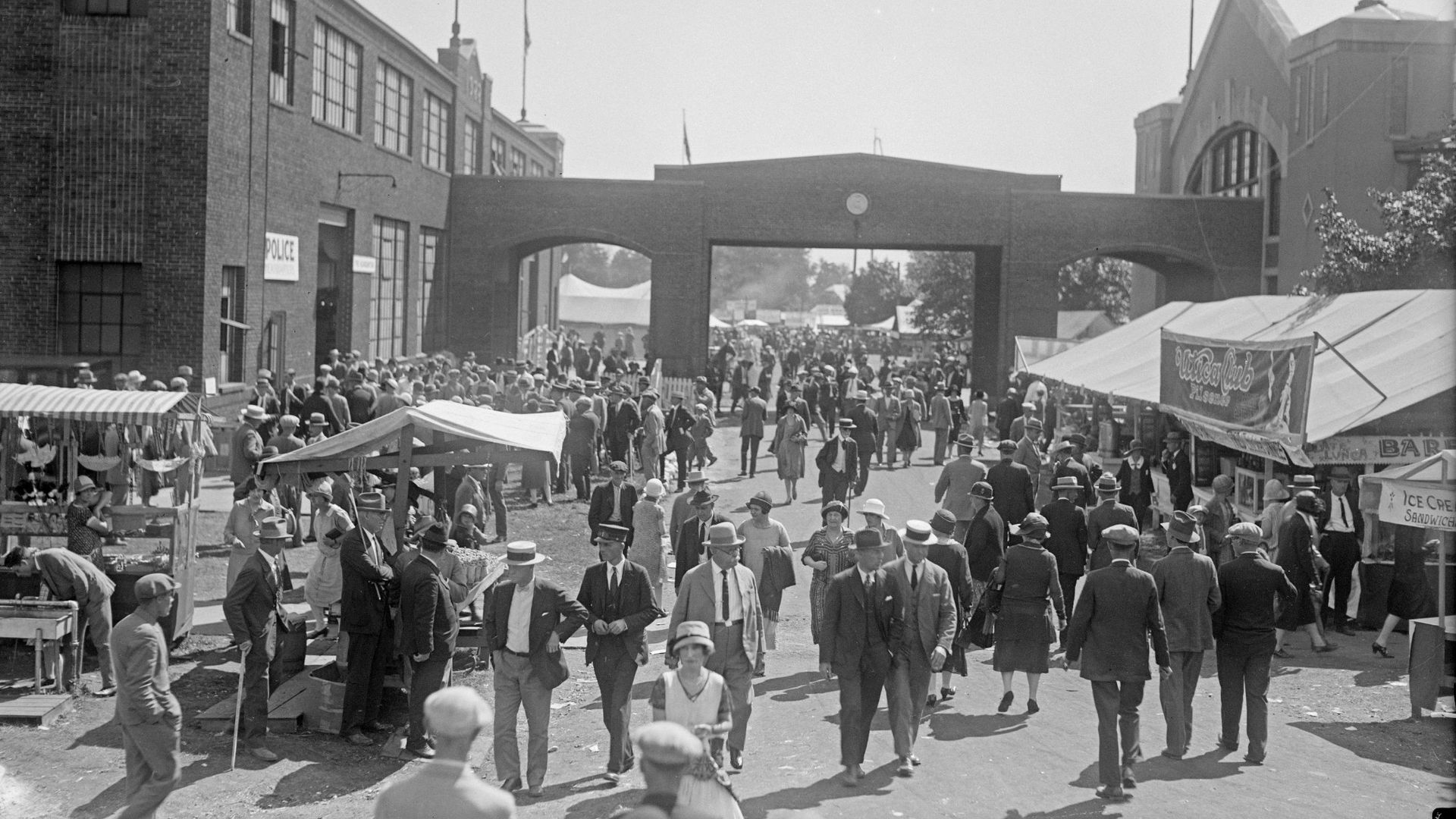
While the Indiana State Fair has become the ultimate summer staple, the event moved to its iconic spot at 1202 E. 38th St. just in time to usher in autumn 133 years ago.
Driving the (old) news: The state fair was held at its current location for the first time on Sept. 19, 1892 when the Indiana State Fairgrounds & Event Center opened to the public.
- The new permanent home was 214 acres of rural farmland on East 38th Street and Fall Creek Parkway. A December 1891 article in the Indianapolis Journal says the farm previously belonged to Jay Voss who sold it for $300 an acre.
Flashback: The annual celebration was created in 1851 when the Indiana General Assembly passed "an act to encourage agriculture." Until 1892, it was a rotating affair held in places like Lafayette, Madison, New Albany, Fort Wayne and Terre Haute.
- Indianapolis was home to the very first state fair in 1852 in the space now known as Military Park. Other Indianapolis fairs before 1892 were held at Camp Morton.
Our picks:
🎧 Arika is listening to Rilo Kiley.
🎮 Justin is ready to kick off spooky season by being scared silly while playing "Silent Hill f."
☕️ Lindsey is excited that Silver Linings is open again in Beech Grove.
Sign up for Axios Indianapolis
