Axios Huntsville

September 29, 2026

π€ Welcome to Tuesday!
βοΈ Today's weather: Sunny, with a high of 87.
π Support local journalism that covers your world by becoming a member.
Todayβs newsletter is 911 words β a 3.5-minute read.
1 big thing: βοΈ Senate moves college sports bill
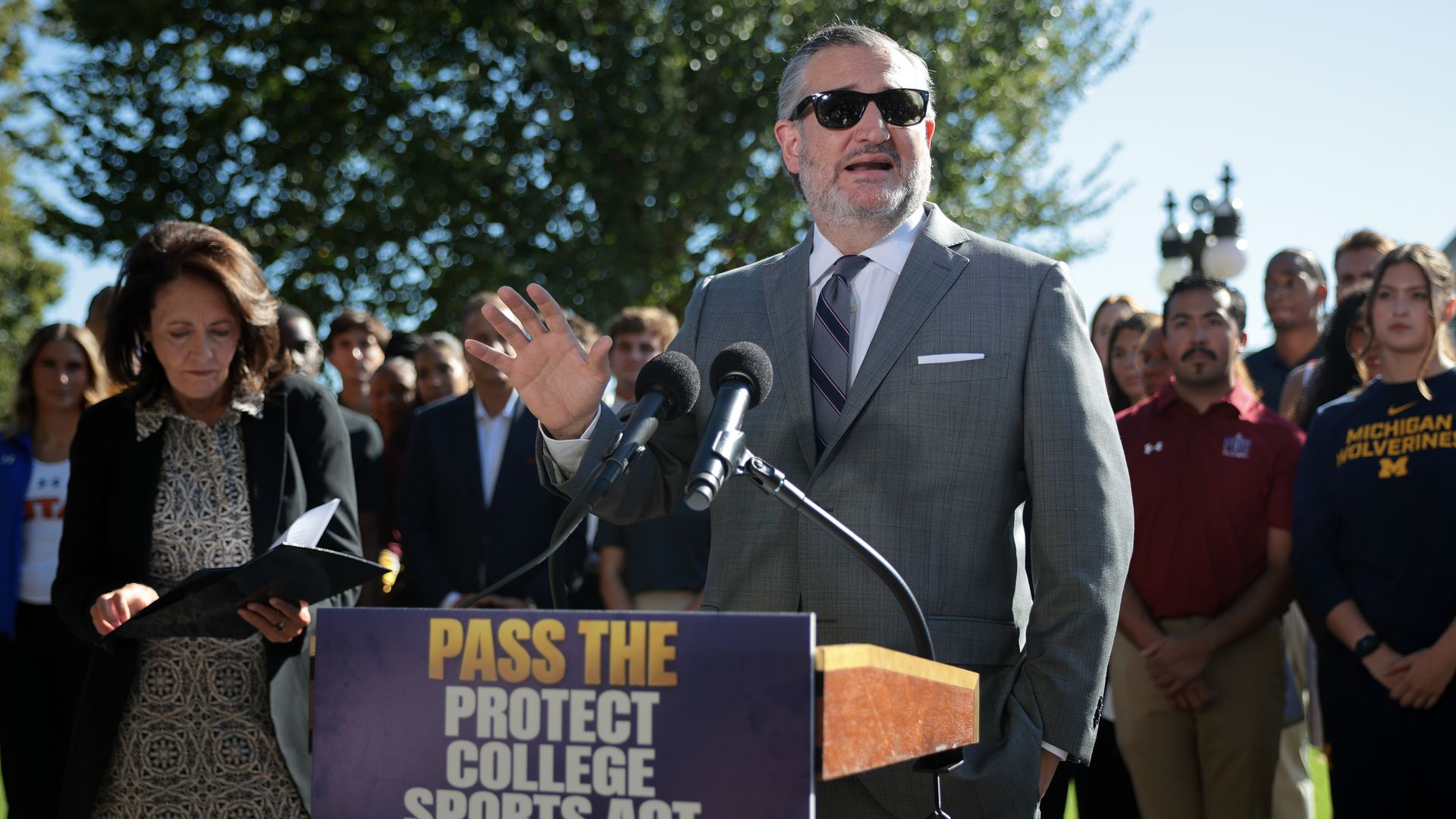
The Senate voted last week to move forward with a sweeping college sports bill, clearing a key procedural hurdle.
Why it matters: After moths of negotiations and revisions β and with support from President Trump β the legislation finally won enough bipartisan support to clear the Senate's 60-vote threshold.
- The vote was 74-24. Another vote for final passage will be held in the coming days.
Zoom in: The Protect College Sports Act would establish protections for name, image and likeness (NIL) compensation, guardrails for school revenue sharing with student-athletes, along with rules for transfers, eligibility and recruitment.
- It has been championed by Commerce panel chair Ted Cruz (R-Tex.) and ranking member Maria Cantwell (D-Wash.)
The latest: Republican Alabama Sens. Katie Britt and Tommy Tuberville introduced an amendment to the bill last week to clarify that NIL funds paid to athletes by separate entities associated with an institution count against that institution's total revenue share cap.
- Britt's office said in a release that the House v. NCAA settlement established an annual $21.3-million "hard cap on an institution's revenue share."
- "This amendment ensures the hard cap is enforceable," Britt said.
Catch up quick: It's been a long road for the bill, which faced stark opposition from the Big Ten and the SEC, which ultimately endorsed the bill following changes.
- And the issue does not break cleanly along traditional partisan lines. A senator's position is often shaped more by the schools in their state.
2. π° 'Bama, Auburn spend big
Alabama and Auburn are among college football's biggest NIL spenders, per a new breakdown from The Athletic.
By the numbers: Alabama comes in at No. 10, with an estimated $38-42 million budget, while Auburn ranks No. 17, with an estimated $31-35 million budget.
- Other SEC teams are spending big too, though Ohio State University is top-ranked, with a $49-54 million budget, followed by Oregon at $48-54 million and the University of Texas at $45-54 million.
- Louisiana State University and Texas A&M round out the top five with $47-50 million and $45-50 million budgets, respectively.
How it works: The Athletic's reporters "worked to get as many independent, trustworthy estimates as possible from people inside and outside a program," per the article.
- It says the numbers refer to how much money a school had at its disposal to assemble its 2026 roster, but that few people inside programs know the exact numbers.
Context: In testimony before the Senate earlier this year, former Alabama football coach Nick Saban shared how those numbers have escalated.
- Per AL.com, Saban said, "My first year we had collective at Alabama, $2.7 million. Next year, $7 million. Next year, $10 million. I retired. Next year, $17 million. Next year, $24 million. Now you have schools that have close to $40 million rosters."
3. Orbit: π» Spooky season events
π Huntsville's Halloween event lineup is out, including the fifth annual Halloween Party & Haunted House Oct. 23, and 10 more events, all free with costumes encouraged. (City of Huntsville)
π Boston-based Davis Management Co. acquired an 80,000-square-foot industrial R&D facility near Huntsville International Airport that is fully leased to a defense technology tenant. (News release)
β οΈ South Huntsville parents are sharing concerns about speeding near Challenger Elementary, Mountain Gap Elementary and other areas, asking for more to be done. (WHNT)
4. Black athlete boycott hits NIL wall
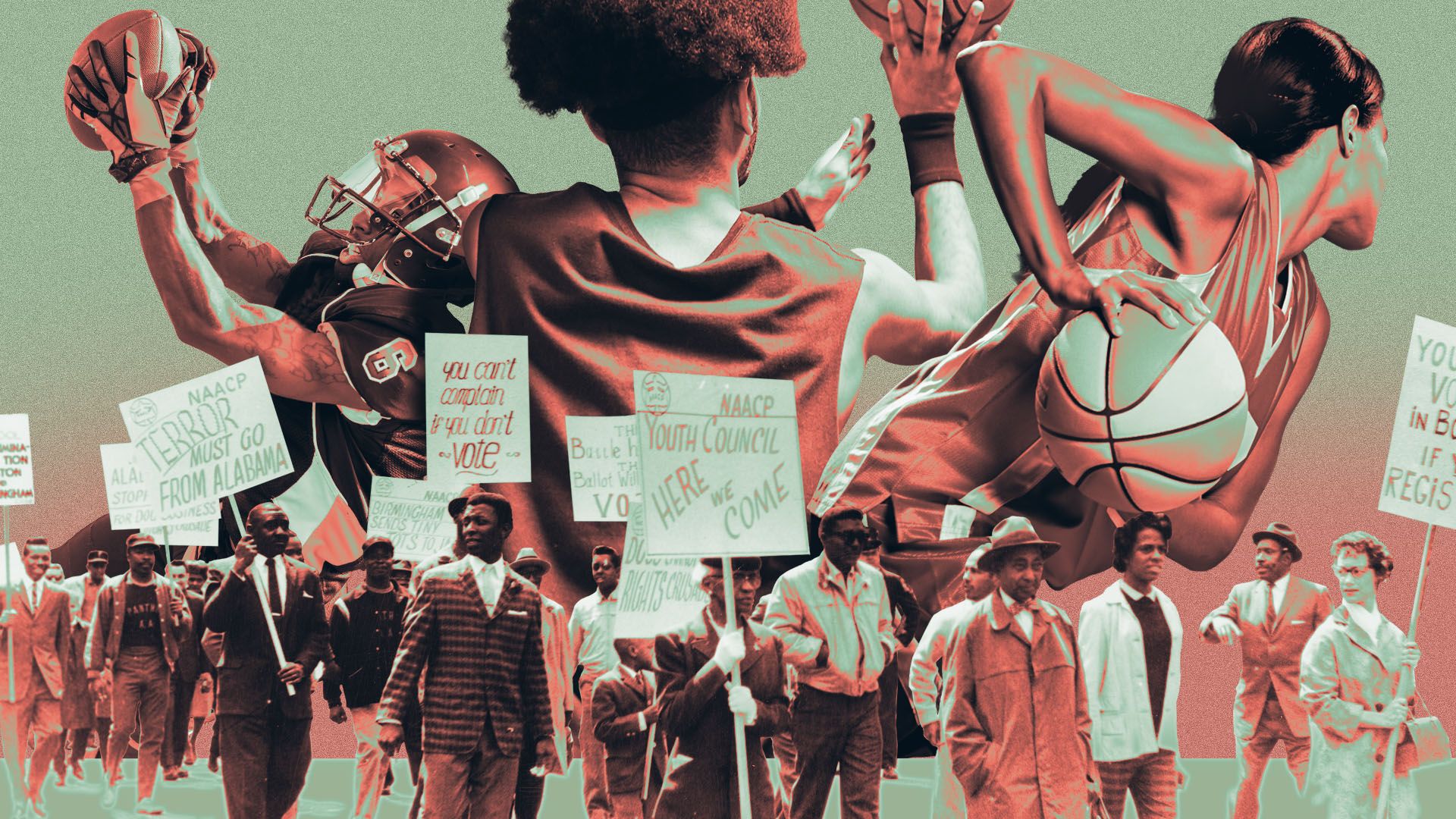
Civil rights groups have called on Black college athletes to boycott schools in states β including Texas β that they say are rolling back voting rights. But highly paid NIL-era athletes are proving to be unwilling protesters.
Why it matters: It's exposing a disconnect between advocates who rely on 1960s-style protest tactics, and prominent athletes in today's $3 billion NIL economy who have different views of activism β and who are unwilling to sacrifice unprecedented financial opportunities.
The big picture: NIL (name, image, likeness) was championed as a tool to end the systemic exploitation of Black college athletes in big-revenue sports.
- Irony has taken hold: Those NIL funds can now shield southern institutions from some political pressure, even as state legislatures in those states reduce Black voting power through voting restrictions, political gerrymandering and other actions.
Catch up quick: The NAACP in May launched its "Out of Bounds" campaign β a call for Black athletes, families, fans and alumni to withhold support from public universities in states β including Texas β that they say have weakened Black voting rights.
- The boycott asks athletes β high school recruits and college players who may transfer β to turn down schools that can offer scholarships, national exposure, lucrative NIL opportunities and top coaching.
Yes, but: The most prominent athletes now can be paid into seven figures a year.
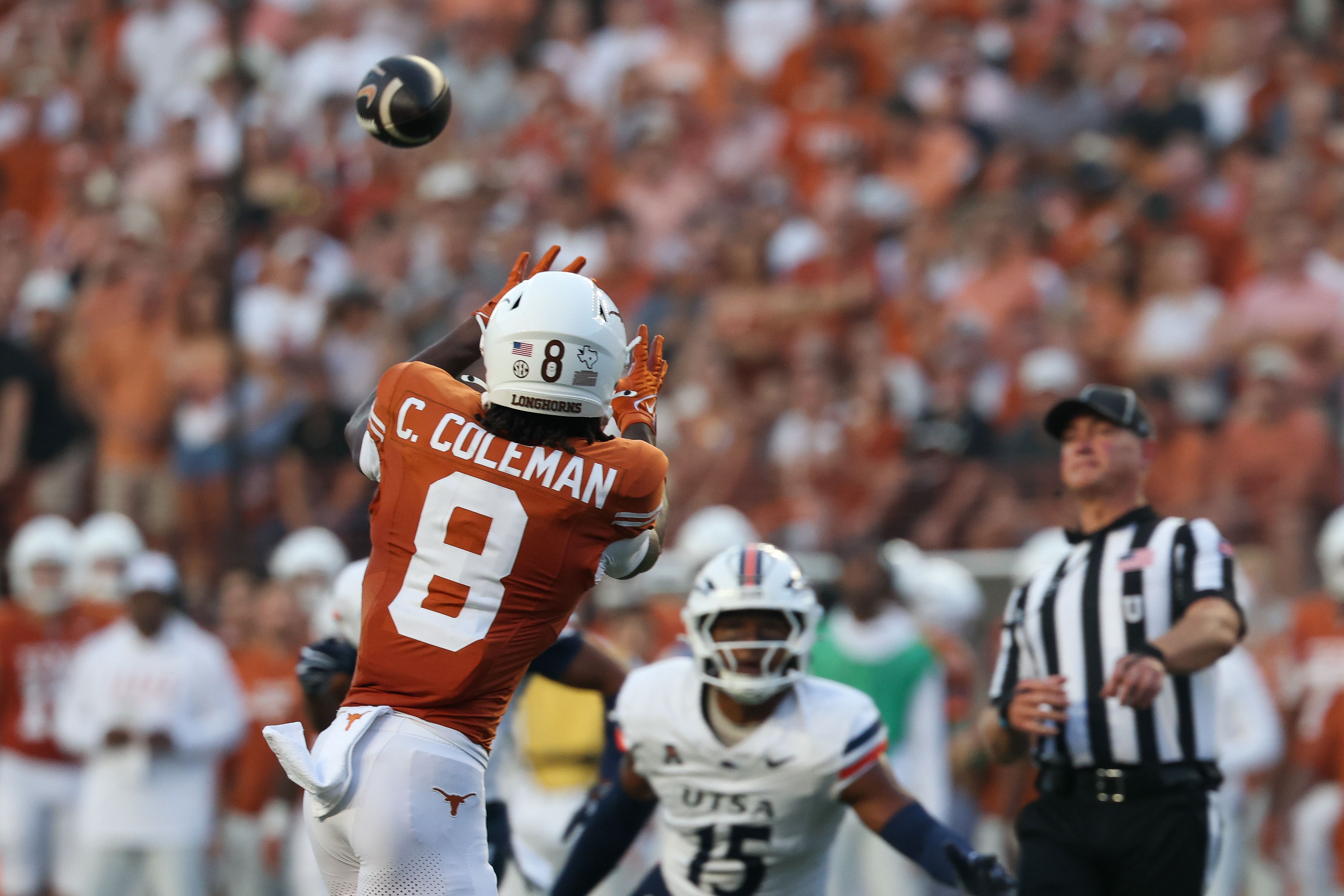
Follow the money: Following his commitment to the University of Texas last winter, star wide receiver Cam Coleman, for example, signed NIL deals with Celsius energy drinks and Crocs.
- The sports site On3 tabs Coleman's NIL valuation at $3 million.
Zoom in: Since the NAACP campaign launched, UT, Texas A&M and other Southeastern Conference schools' football programs have gotten a flood of commitments from highly rated β and expensive β transfers and recruits in the high school class of 2027.
π Derek is feeling great about Auburn's 3-1 record so far, but October is going to be a long month with Tennessee, Georgia, LSU and Ole Miss on the schedule.
Thanks to Crystal Hill for editing this newsletter.
Sign up for Axios Huntsville