Axios Houston

October 06, 2026

1 big thing: Black athlete boycott hits NIL wall



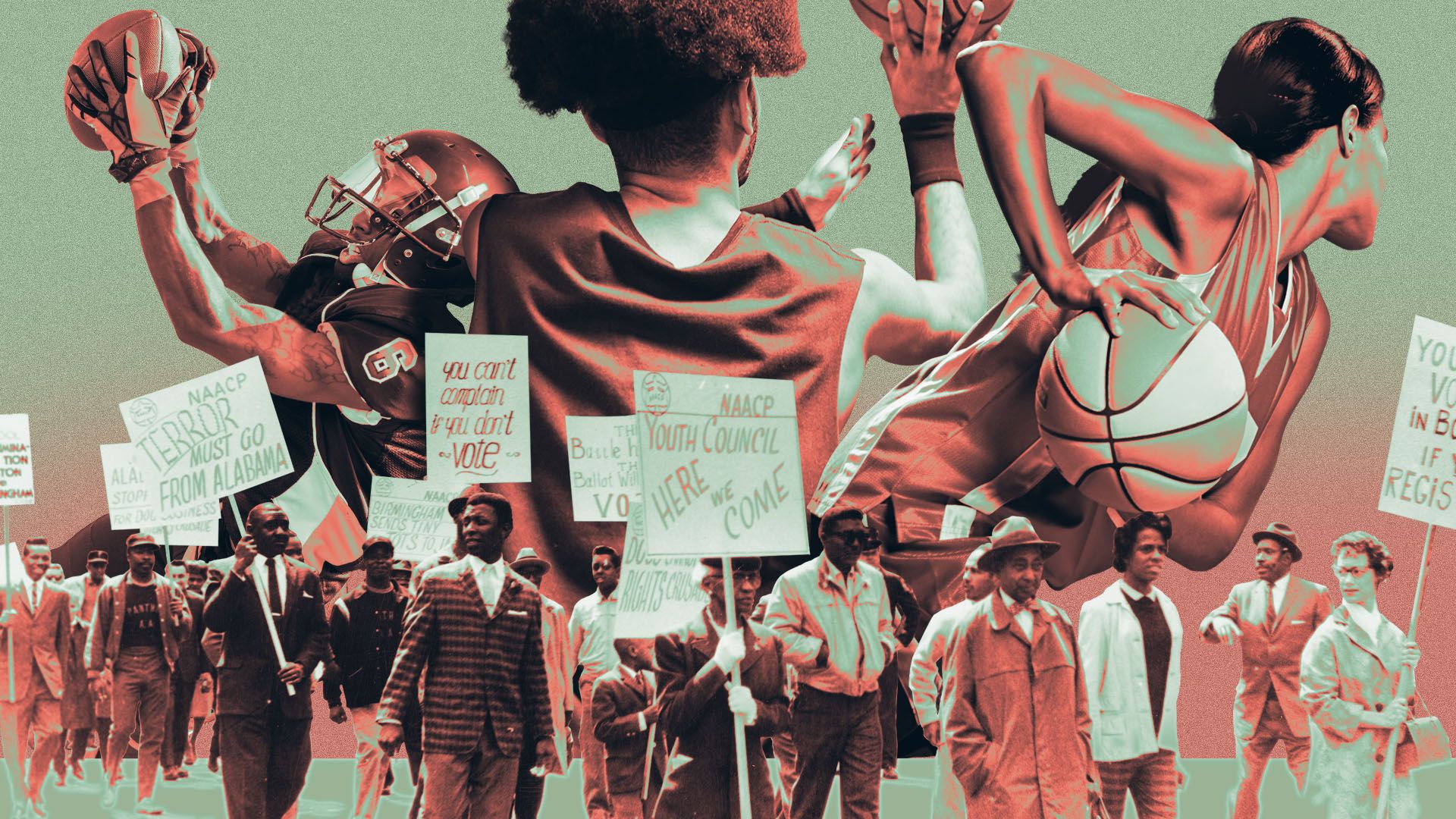
Civil rights groups have called on Black college athletes to boycott schools in states — including Texas — that they say are rolling back voting rights. But highly paid NIL-era athletes are proving to be unwilling protesters.
Why it matters: It's exposing a disconnect between advocates who rely on 1960s-style protest tactics, and prominent athletes in today's $3 billion NIL economy who have different views of activism — and who are unwilling to sacrifice unprecedented financial opportunities.
The big picture: NIL (name, image, likeness) was championed as a tool to end the systemic exploitation of Black college athletes in big-revenue sports.
- Irony has taken hold: Those NIL funds can now shield southern institutions from some political pressure, even as state legislatures in those states reduce Black voting power through voting restrictions, political gerrymandering and other actions.
Catch up quick: The NAACP in May launched its "Out of Bounds" campaign — a call for Black athletes, families, fans and alumni to withhold support from public universities in states — including Texas — that they say have weakened Black voting rights.
- The boycott asks athletes — high school recruits and college players who may transfer — to turn down schools that can offer scholarships, national exposure, lucrative NIL opportunities and top coaching.
Yes, but: The most prominent athletes now can be paid into seven figures a year.
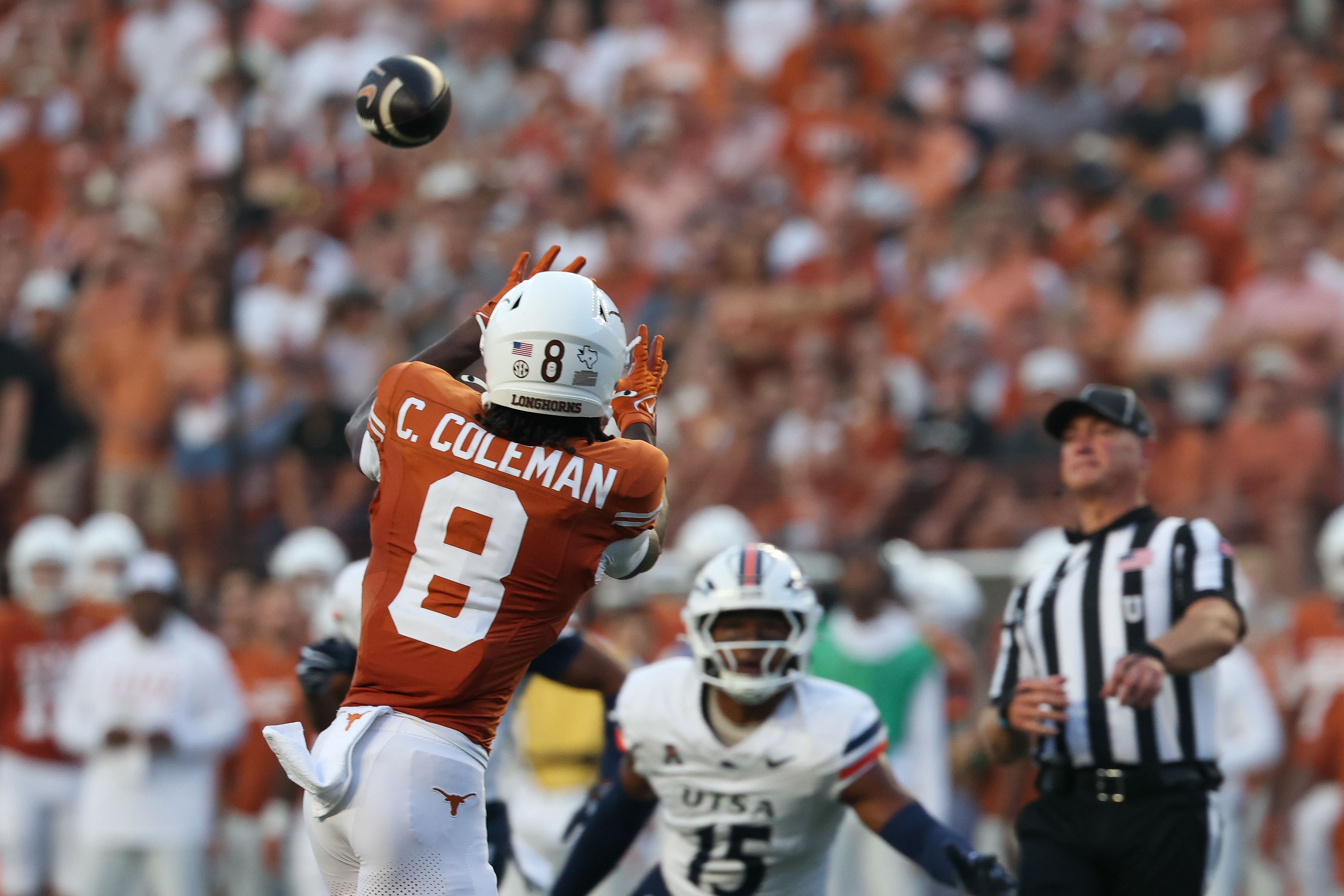
Follow the money: University of Texas wide receiver Cam Coleman and Texas A&M wide receiver Isaiah Horton both transferred to the Texas schools in the past year — and carry seven-figure NIL valuations, per sports site On3.
What they're saying: "The NAACP will not watch the same institutions that depend on Black athletic prowess to fill their stadiums and their bank accounts remain silent while their states strip Black communities of their voice," Derrick Johnson, NAACP national president and CEO, said in a statement.
Reality check: Top athletes still appear drawn to powerhouse programs in the targeted states — and their paths to the NFL and NBA.
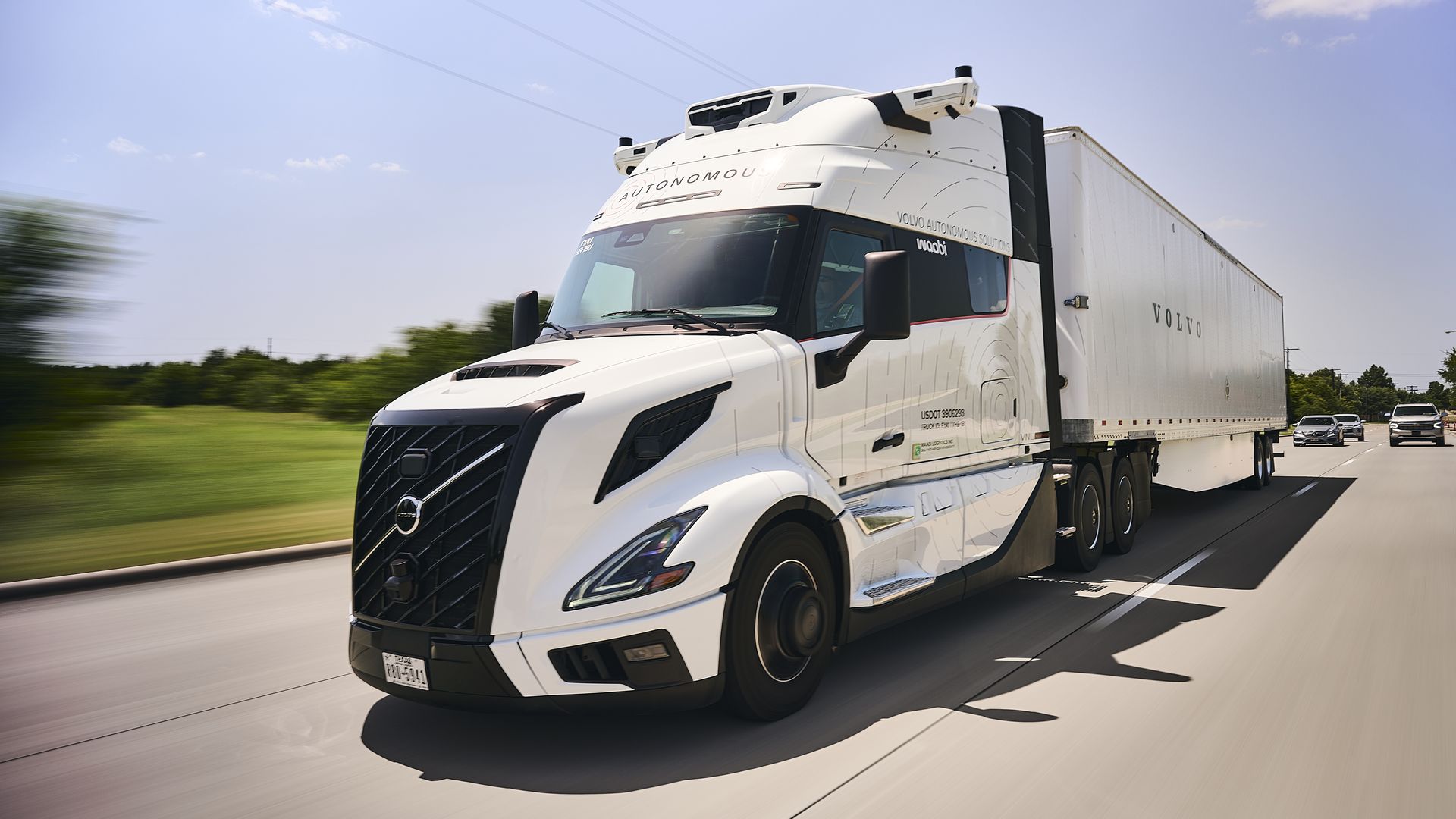
2. 🚛🤖 A popular autonomous truck corridor
3. Bayou Buzz

4. 🍁 One map to go: Fall foliage still far

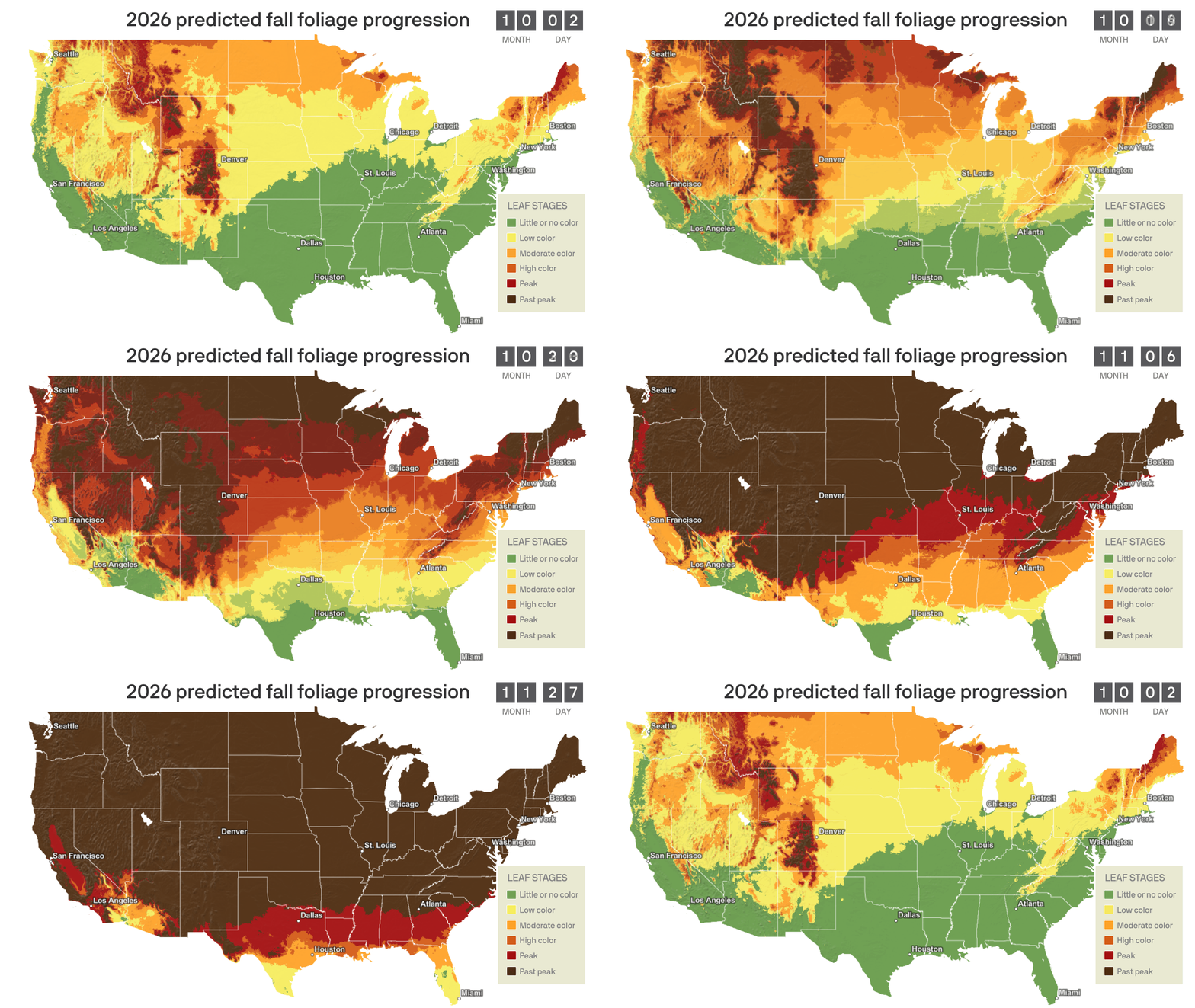
As the lows reach bearable levels, you might be thinking: Fall! And while it'll feel like Houston's version of fall soon(ish), the fall color won't arrive until much later, according to a map from Explore Fall.
State of the leaves: Fall color is expected across most of the country by mid-October and peak foliage is expected to sweep south over the next several weeks.
- Houston, to no surprise, will be a late bloomer.
Zoom in: Leaves locally will gradually change through November, with colors expected to peak in mid-December, per Explore Fall.
Reality check: Weather could scramble the country's timetable.
- A strong El Niño could raise temperatures and delay some peak colors, according to the National Weather Service.
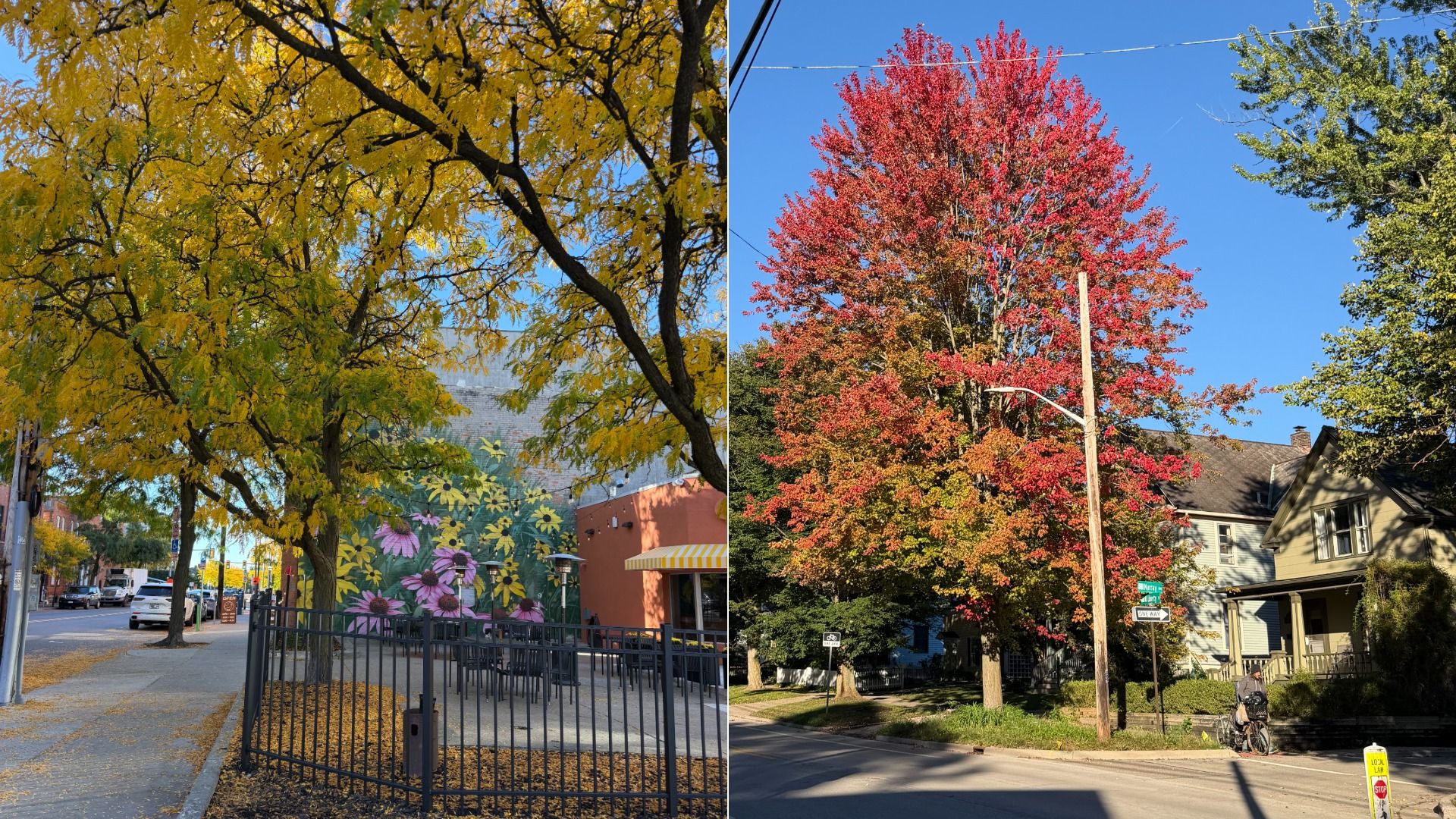
In the meantime, I'll leave you with photos of the beautiful fall foliage I saw in Ann Arbor, Michigan, over the weekend while visiting a friend. Our turn is coming … eventually.
Axios Houston
