Axios Gaming

May 14, 2021
Welcome back to Axios Gaming with Megan Farokhmanesh and Stephen Totilo. 10 newsletters, already! And so many nice emails from those of you who didn't think this was going to be a newsletter about gambling.
😎 What are you playing this weekend?
🚨 "Axios on HBO" returns this Sunday! (See a preview clip.)
Today's newsletter is 1,222 words, a 5-minute read.
1 big thing: Gaming's biggest space opera returns
Image: BioWare
The iconic spacefaring adventure "Mass Effect" is back today with "Mass Effect: Legendary Edition," a single, remastered version of all three games.
Why it matters: There is no series like "Mass Effect" — even when it comes to BioWare's other choice-driven RPGs like "Dragon Age." "Mass Effect" is a big ol' space adventure first and foremost, but it’s also about loyalty, love, and tough calls.
"Mass Effect" follows Commander Shepard — a hero players can customize for looks and gender — across three games as they wage war against a galactic threat known as the Reapers. Key choices carry through all three games, whether it’s who survives, or who you ally yourself with.
- "Mass Effect" (2007) is a classic sci-fi thriller, where Shepard races to stop a turncoat operative hungry for power.
- "Mass Effect 2" (2010) is a miscreant adventure centered on building a ragtag squad, culminating in a final "suicide" mission where everyone's survival is on the line.
- "Mass Effect 3" (2012) brings the trilogy to a close through a more somber, war-focused story about loss and consequence.
BioWare has also updated the game to be more inclusive.
- Environment and character director Kevin Meek previously told Megan that a top priority was improving customization options for non-white characters — especially when it comes to hair.
- A canonized version of the female version of Shepard (aka FemShep) wasn't created until "Mass Effect 3." Legendary Edition finally puts the red-headed FemShep front and center from the start by using her as the default female option.
The ending of "Mass Effect 3" ending was notoriously divisive among fans who believed their choices were ultimately inconsequential to the game's three outcomes; they signed petitions, made FTC complaints, and sent passive aggressive cupcakes.
- Eventually BioWare released an "extended cut," a free download that expanded on the game's final mission and ending.
- In Legendary Edition, the extended cut is now the definitive conclusion.
- The greater argument about BioWare's call is that it set a precedent for fans to impose their will over creatives. Consider the modern equivalent: the successful fan push to release the Snyder cut of "Justice League."
What's next: A new game is currently in production — and seems to tie into the entire series so far.
2. PlayStation 5's "Returnal" revitalizes Finnish studio
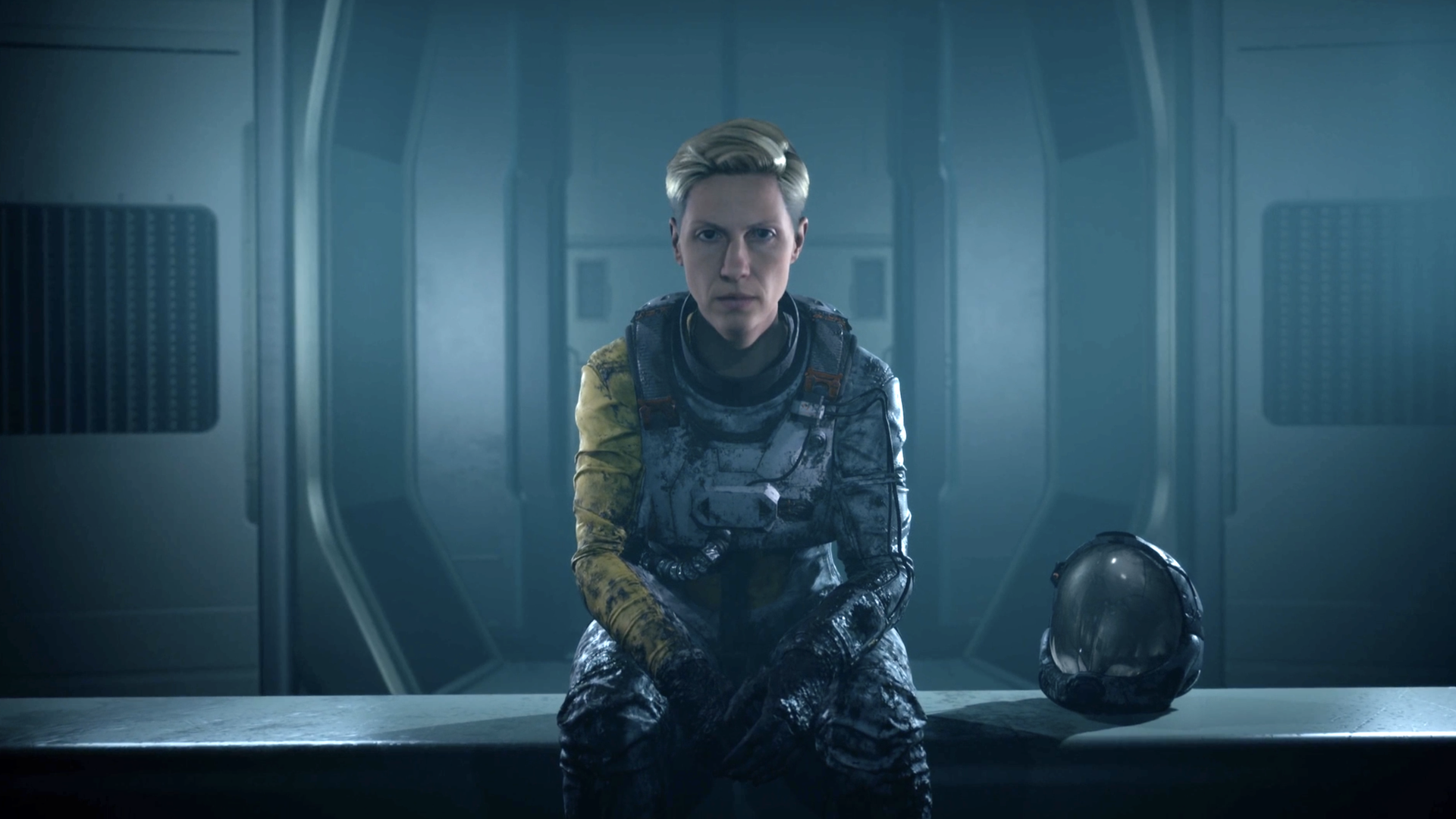
Image: Housemarque/SIE
Housemarque, a 26-year-old video game development studio in Finland with a reputation for pushing the limits of PlayStation hardware, is making a comeback with its recent PS5 release "Returnal."
- "I think we're now finally understanding what we can do," Housemarque marketing director Mikael Haveri told Axios.
The big picture: In the difficult world of video game development, few studios are able to survive independently for a quarter century, but Housemarque has recovered from very public setbacks.
The studio long focused on the development of smaller, dazzling, arcade-style action games with simple controls and lots of enemies to zap into colorful explosions.
- But in 2017, studio CEO Ilari Kuittinen proclaimed "arcade is dead," blaming "lackluster sales" of the studio's self-published game 'Nex Machina." The studio would try to make something more mass market.
- "I think the Finnish mentality drives that a lot," Haveri told Axios. "We have to be realistic about what we're going against."
The studio's resurgence started with the development of "Returnal," which began in 2017 as a smaller "traditionally-sized" Housemarque game.
- It was always going to be a departure for Housemarque: a game set in a 3D space, rather than on the flatter terrains of its earlier work.
- And it was always going to star Selene, an astronaut stranded on a mysterious planet, locked in constant shoot-outs with aliens who emit torrents of energy bullets in a variety of patterns.
- But it wasn't initially going to have cinematic sequences, voice-over, and other production value accoutrements.
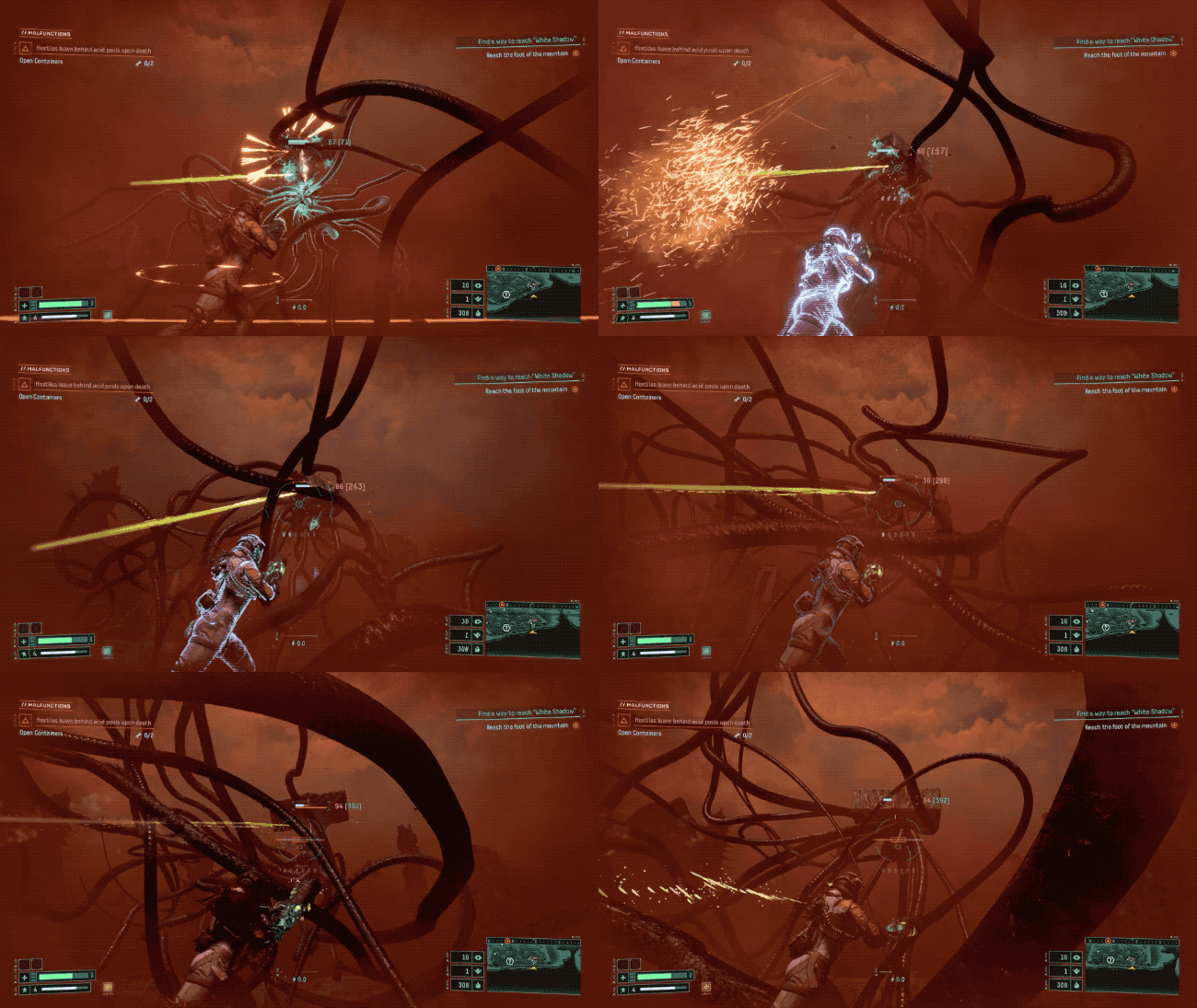
During development, demos of "Returnal" kept impressing publisher Sony, which was funding the game.
- "At each point, we kind of got a little bit more availability to scope it out more and to grow the game," Haveri said.
That led to plans for a full-scale release, and Sony set the "Returnal" price tag at $70, making it one of the first games in decades to sell for more than the industry standard ceiling of $60.
- Haveri said Housemarque found out about the price "around the same time as the general public," late last year.
Fan and critical response to "Returnal" has been largely positive
- The studio is now focused on "new content and updates and fixes and stuff like that."
- No details yet on the new content, alas.
What's next: For Housemarque, the bleakness of 2017 is past.
- Smaller arcade-sized games may still be dead to Housemarque, but "arcade as a core tenet of all our games, the gameplay side of it, that's exactly what we'll bring to the new titles that we make," Haveri said.
3. Cosplay's brief return
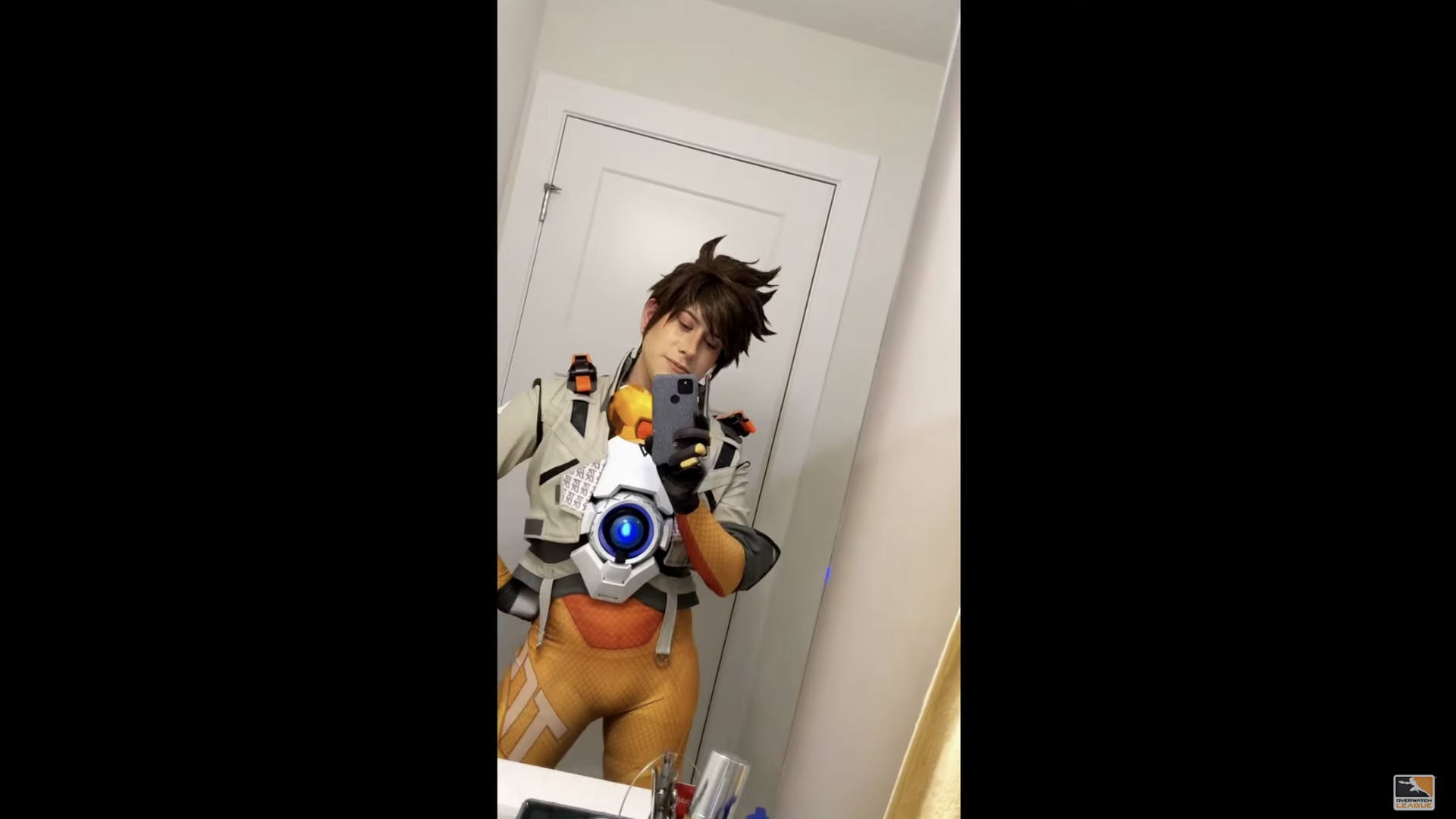
Cosplayer Gustavo dressed as Tracer from "Overwatch 2." Screenshot: Blizzard
On Thursday, a Blizzard-backed fashion show called the Mei Gala offered a welcome glimpse at some cosplay, a rare sight since COVID-19 first hit.
- The pandemic and subsequent cancellation of in-person fan events has vastly reduced the opportunities for people to cosplay as their favorite characters from video games and other entertainment.
Why it matters: The Blizzard event, which focused on the "Overwatch" franchise, featured interviews with cosplayers as they explained their amazing costumes — how they made them and why.
- Such an event would normally have happened in person, but decked out cosplayers instead logged in to a group video chat.
4. How not to make a film about game development
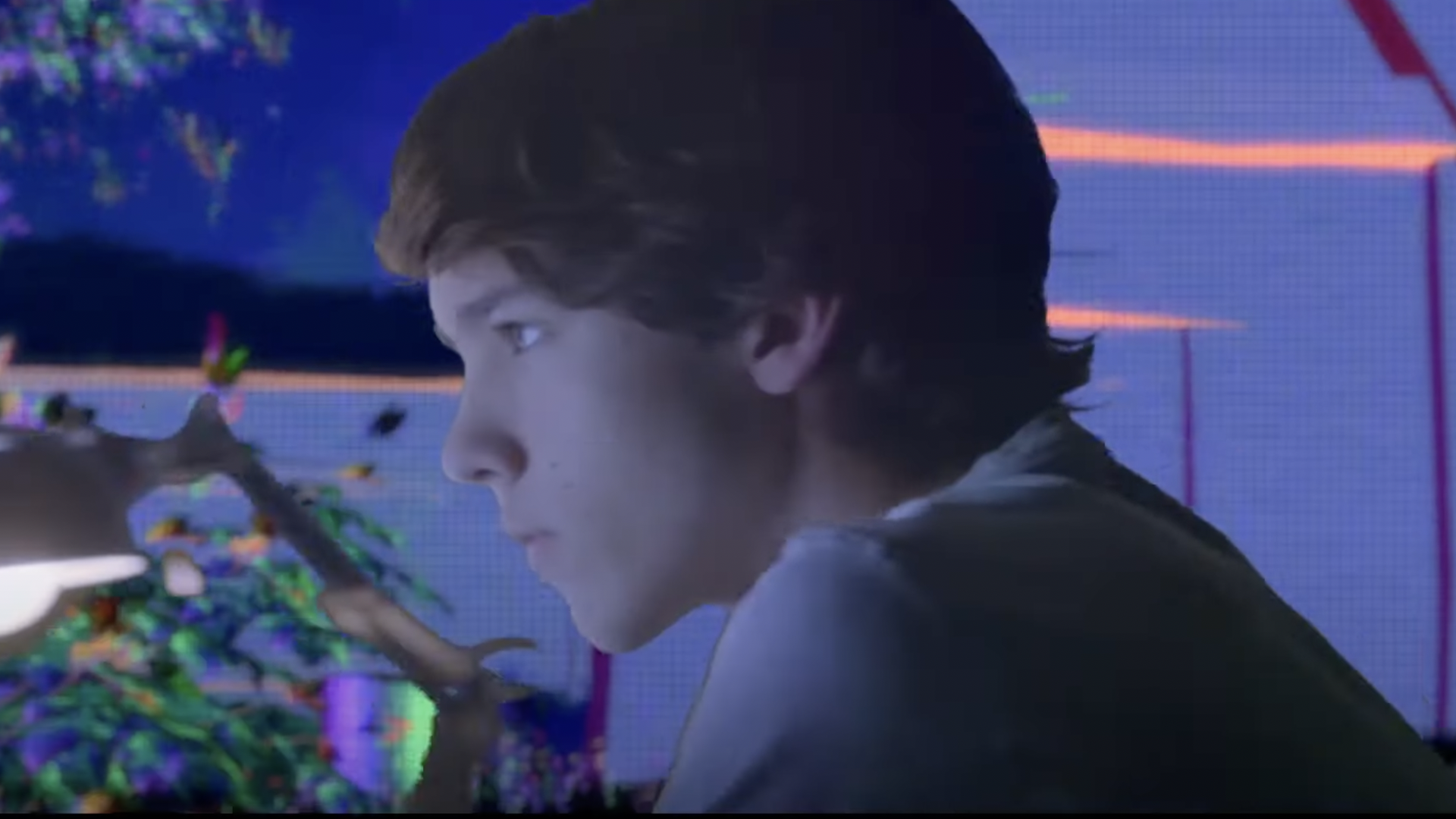
Image still via "Hero Mode"
Video game movies are infamously ... not good, but a new film called "Hero Mode" about a "teenage coding genius" has real-life game developers weighing in.
- In the film, a boy wunderkind — a classic white male protagonist — steps in to save his parents' game studio by outshining all the experienced, older devs with his coding skills.
Why it matters: The literacy gap between how game dev works, and how people think it works is especially toxic in games, where fans can elevate their armchair development ideas into full blown harassment.
Some developers, like BioWare narrative director John Epler, took umbrage with the idea that successful games are the work of one brilliant person.
- "Even the people we look at as 'visionaries' have teams that they would never succeed without," Epler told Axios. "Visions are collaborative endeavours, and every person on the team contributes to the quality of the game. People who come into game dev expecting to just tell everyone what to make and have them make it find out it really rarely works that way."
Epler also pointed to the misleading idea that moxie matters over experience. "In an industry where the average career lasts five years, we sometimes have a hard time understanding the value of experience — but it teaches you pitfalls to avoid and patterns to look for."
- Young blood is still important and adds crucial perspective to any team, but there’s more nuance to it. "That needs to be tempered by those who've been there before, and who can provide that voice of experience," he says.
5. Worthy of your attention
🤔 What is a game? (James Batchelor, GamesIndustry)
- As Epic and Apple have bizarre existential discussions about what a game is in court, developers and publishers weigh.
🎮 Gaming influencers are the future of Esports. (Cecilia D'Anastasio, Wired)
- "While influencers may help esports attract more sponsorships and viewers, some teams are dropping their rosters entirely for popular games while their bench of content creators balloons"
🚫 The games industry just talked about outsourcing crunch and totally missed the point. (Chris Bratt, Eurogamer)
6. One Sega thing

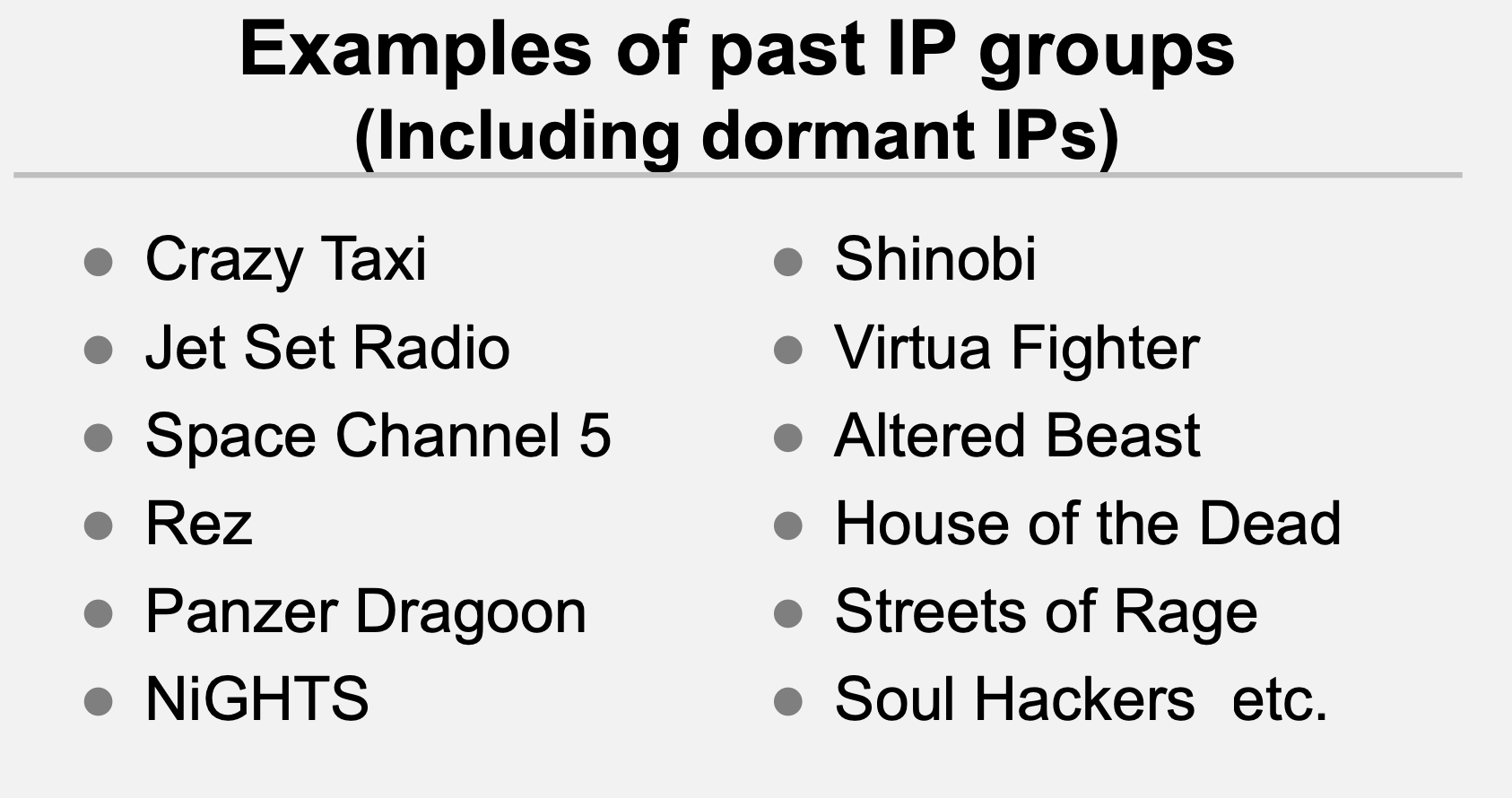
Struggling gaming conglomerate Sega Sammy recently listed 12 dormant Sega gaming franchises that it considers eligible for a remake or reboot.
- Megan says she'd be into a "Jet Set Radio" remake.
- Stephen would be into a "Crazy Taxi" reboot, unless we're also considering Sega Sammy's Atlus franchises. In that case, "Trauma Center," please.
Got a tip? A story you want us to cover? Email us at [email protected] or [email protected].
🐦 Find us on Twitter: @megan_nicolett / @stephentotilo
I'm Commander Shepard, and this is my favorite newsletter on the Citadel.
Sign up for Axios Gaming

Keep up with the multi-billion dollar video gaming universe, from the hottest games to the most interesting studios and players, by Stephen Totilo.