Axios Gaming

March 28, 2022

Happy Monday. Stephen here. I’ll be your newsletter writer all week, as Megan enjoys some time off.
Mixed with the week’s news, I’ll have more to share with you about last week’s Game Developers Conference: the fascinating people I interviewed and some of the more eyebrow-raising panels I attended.
Today’s edition is 1,294 words, 5 minutes.
1 big thing: No Netflix for games any time soon

Microsoft Flight Simulator. Screenshot: Microsoft
Subscription services aren’t close to disrupting gaming the way they’ve shaken the movie and music industries, according to new data shared by industry researcher Piers Harding-Rolls of Ampere Analysis.
Driving the news: Gaming subscription services amount to just 4% of the revenue in the North American and European game markets, Harding-Rolls calculates.
- That’s $3.7 billion, compared to nearly $81 billion generated from other spending on games, including the sale of discs, downloads and in-game add-ons.
A sharp contrast: Streaming services accounted for 83% of U.S. music industry revenue in 2021, according to the Recording Industry Association of America.
- The movie industry, also tilting toward digital after the pandemic walloped the theater business, estimates there are some 1.3 billion subscriptions to video streaming services worldwide, according to the Motion Picture Association’s latest report.
- Last night’s Oscar winners, led by the Best Picture award winner, AppleTV+’s “CODA,” further proved how subscription services have influenced that industry.
Between the lines: Even gaming’s biggest subscription service is relatively small.
- Microsoft’s disruptive Xbox Game Pass, launched in 2017, has 25 million subscribers who pay up to $15 a month. It has about 60% of the subscription market, according to Harding-Rolls.
- Game Pass is a killer deal for gamers conditioned to paying $60 per title. Subscribers get first-run Microsoft-made games and scores of new, or recent, third-party games.
- But, seen another way, it doesn’t have much. It offers just over 500 revolving games, compared to Netflix’s offering of more than 3,000 movies to U.S. subscribers.
Be smart: One hindrance for gaming going the Spotify route is that scores of top titles don’t even reach subscription services.
- Nintendo’s releases, for example, aren’t a part of the company’s Nintendo Switch Online, which instead mostly offers DLC for existing games and a slew of retro games.
- Games also aren’t quite as convenient as music and movies to bundle into a subscription because of the time they take to play, the download size and the inferior experience of playing them over a streaming connection.
What’s next: All eyes are on Sony, this week, as the PlayStation-maker is expected by Bloomberg reporters (and Microsoft execs) to announce a revamped subscription offering soon.
- Microsoft, meanwhile, has beefed up Game Pass with add-ons like a free month of Paramount+ and a promotion for Marvel comics.
2. Emotion controls
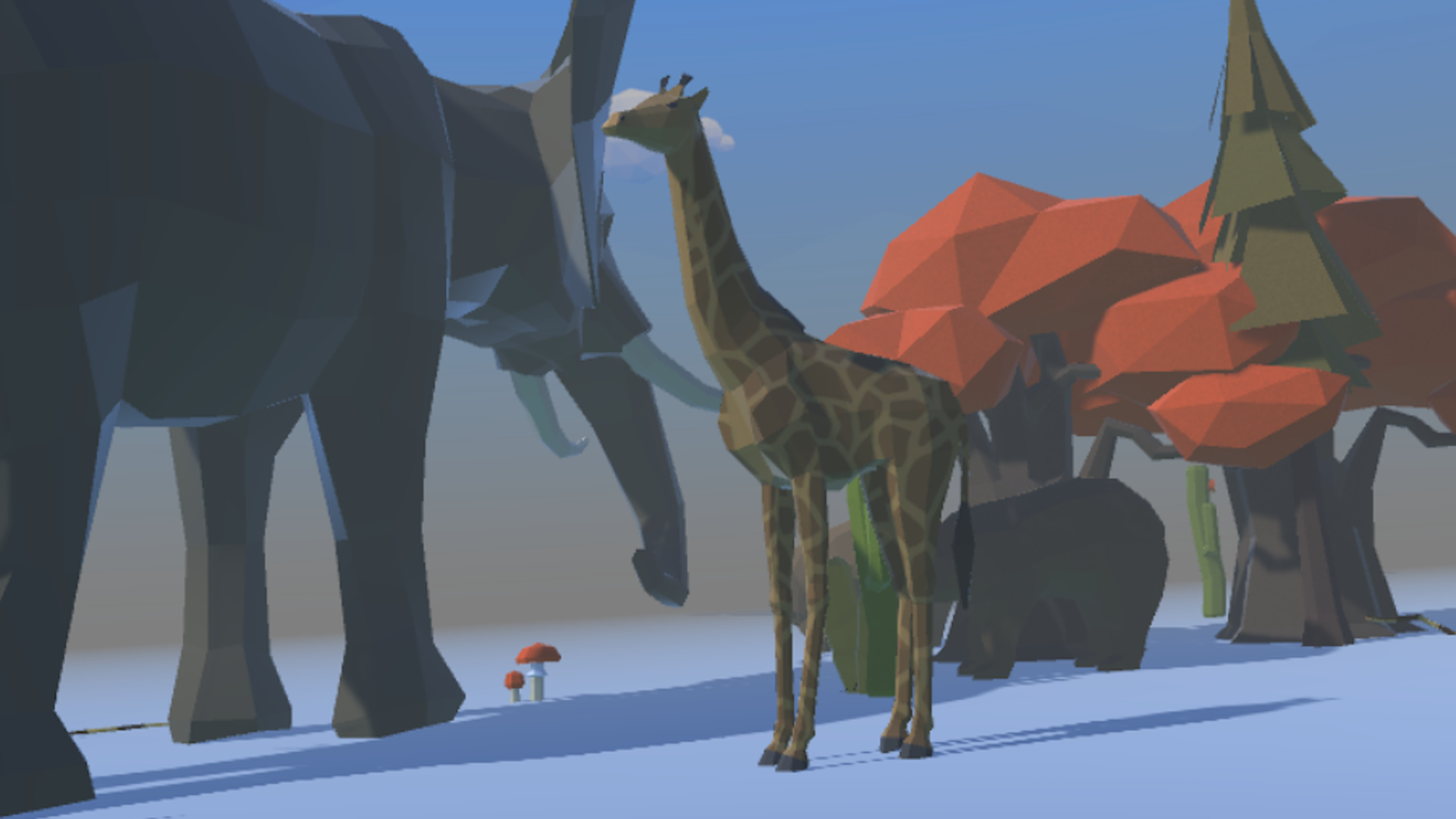
Biocybernetically Inspired Lucid Dreaming Simulator (BILDS). Screenshot: John Muñoz
Scientists hope that over a decade’s worth of research into games controlled by users’ emotional and mental states can help with everything from dreaming to space exploration.
- This was the gist of a memorable panel at last week’s Game Developers Conference, in which NASA scientist Alan Pope and game researcher John Muñoz shared their decades of experience making biofeedback games.
- The projects use sensors to track heart rate, brainwaves and other body signals, with that feedback impacting games and virtual worlds.
Their projects included:
- A cooperative multiplayer puzzle game designed to instill empathy. One player wears a respiration sensor, the other a brain-computer interface that tracks concentration and relaxation. They need to wait for each other to relax or focus to proceed.
- A VR target-shooting challenge tested on police officers. It starts raining or getting dark in the virtual target range if they fail to stay calm.
- A VR project meant to teach lucid dreaming. It generates animals or lets people defeat spiders based on how calm the user is.
What’s next: The researchers have pitched the European Space Agency on a project that would help astronauts deal with the stress of long-term isolation.
- They’re also developing a biofeedback game toolbox to help other developers add these elements to their games.
A near miss: Biofeedback gaming almost got its breakthrough moment in 2009, when Nintendo announced the Vitality Sensor, a fingertip device that would track a user’s heart rate and somehow impact software. But Nintendo canceled the project.
3. You ask, we answer
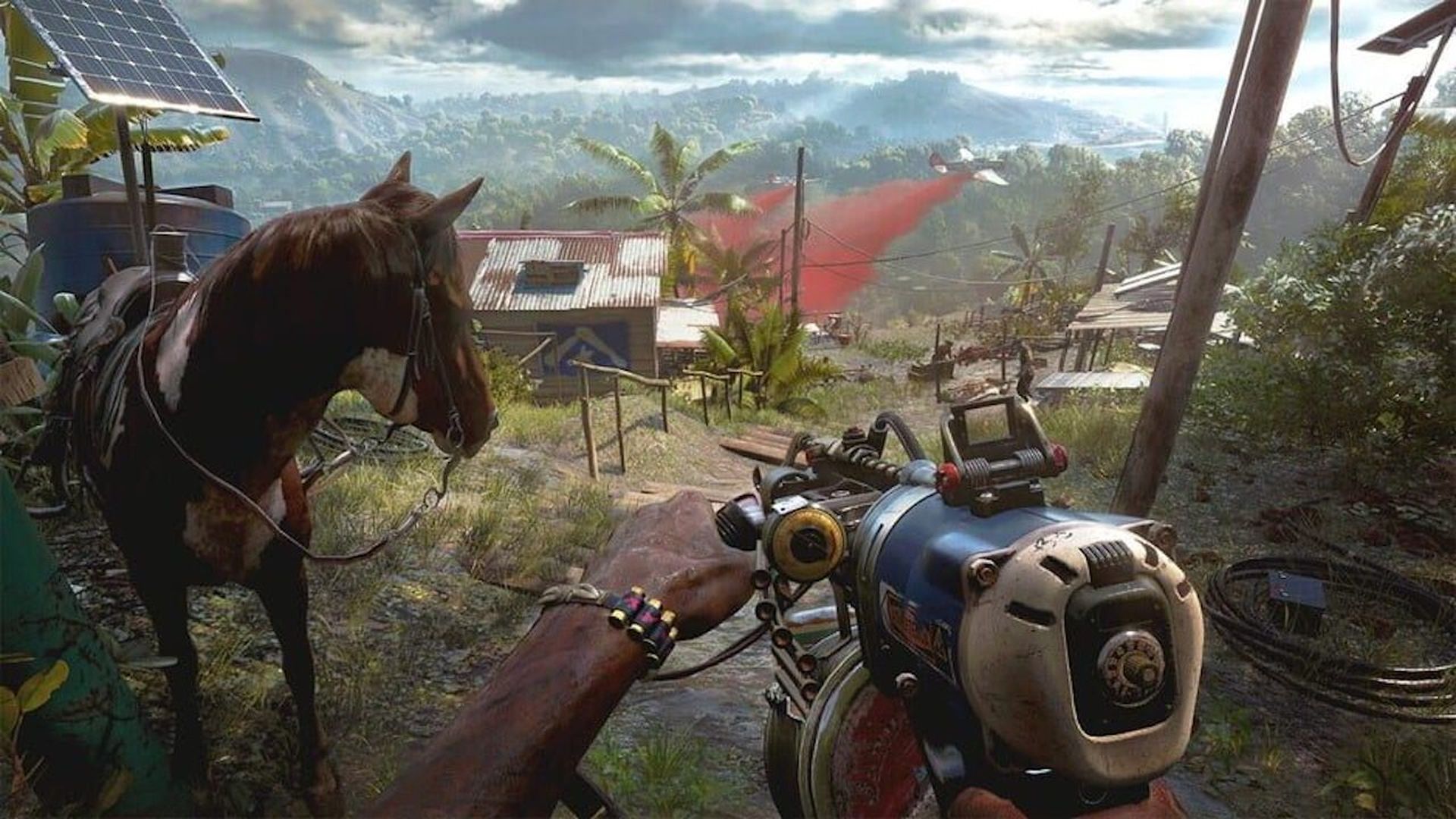
Far Cry 6. Screenshot: Ubisoft
It’s Q&A day. Let’s see what we’ve got … (as always, you can ask a question by replying to this newsletter.)
Q: Players generally HATE having full-time internet required in order to play a single-player game. Are developers inevitably headed there anyway?
A: It’s not entirely inevitable, but things are creeping in that direction.
- Single-player games keep getting online-connected modes that make their enjoyment more dependent on an online connection.
- And largely multiplayer games are seeing a lot of what might have been solo and offline modes wrapped into their always-online model (see the ongoing debacle that is Sony’s Gran Turismo 7).
- But plenty of games still need to be able to run on Nintendo Switches and, now, Valve SteamDecks, which can’t be connected when used portably on the go. They’ll force plenty of solo games to run offline for some time to come.
Q: If games are played on a console but processing in the cloud, does “bigger” just mean more map icons? Or could cloud processing enable gaming features impossible on a single console? What would those be?
A: For Ubisoft, which said it could use its new cloud tech to make even bigger game worlds, that could be part of it. But there’s more.
- In a recent video announcing a new Microsoft initiative for publishing cloud-based games, the company described some possible benefits: using machine-learning AI to make non-player characters more lifelike, using that AI to root out toxic players and harnessing the cloud to generate more complex structures in-game.
- Some of these ideas have been flagged for years, but only once these companies commit to putting them in a cloud-only game will we truly see their true value.
4. Need to know
Mohammad Fahmi, the developer behind acclaimed indie game Coffee Talk, has died. “May all the good things he shared, story he wrote, live on with us forever,” someone wrote on the game’s official Twitter account.
🥊 Game gets plans for NFTs, game is hit with fan backlash. Kotaku’s got the latest variation, featuring Storybook Brawl, whose parent was purchased by crypto company FTX.
🧮 12,000 people attended last week's Game Developers Conference, according to show organizers. Another 5,000 joined the event virtually. The show drew 29,000 people in 2019, but the in-person event was canceled the last two years because of the pandemic.
📵 Video game comms person Will Smith (no, not that one), has been having quite the last 24 hours at his @willsmith Twitter account.
- Twitter user George Papadopoulos (no, not that one) replies: "Dude, welcome to the club!"
5. Worthy of your attention
Kids Are Learning History From Video Games Now [Luka Ivan Jukić, The Atlantic]
Europa Universalis encourages the player to act according to an extreme realist view of international relations, where the security of the state is valued above all and the ultimate way to ensure the state’s security is by maximizing its power in an anarchic world order. Few non-state actors exist in Europa Universalis, and the player’s actions have no real human consequences.
It’s difficult to come away from a completed game without the sense that the rise of the centralized nation-state in Europe was due to the cold, hard logic of state security and power politics. This state-centric view of history is shared by most Paradox games, and leaves a definite historical impression that states, rather than people, ideas, or societies, are the sole drivers of history.
6. Game recommendation: Patrick’s Parabox
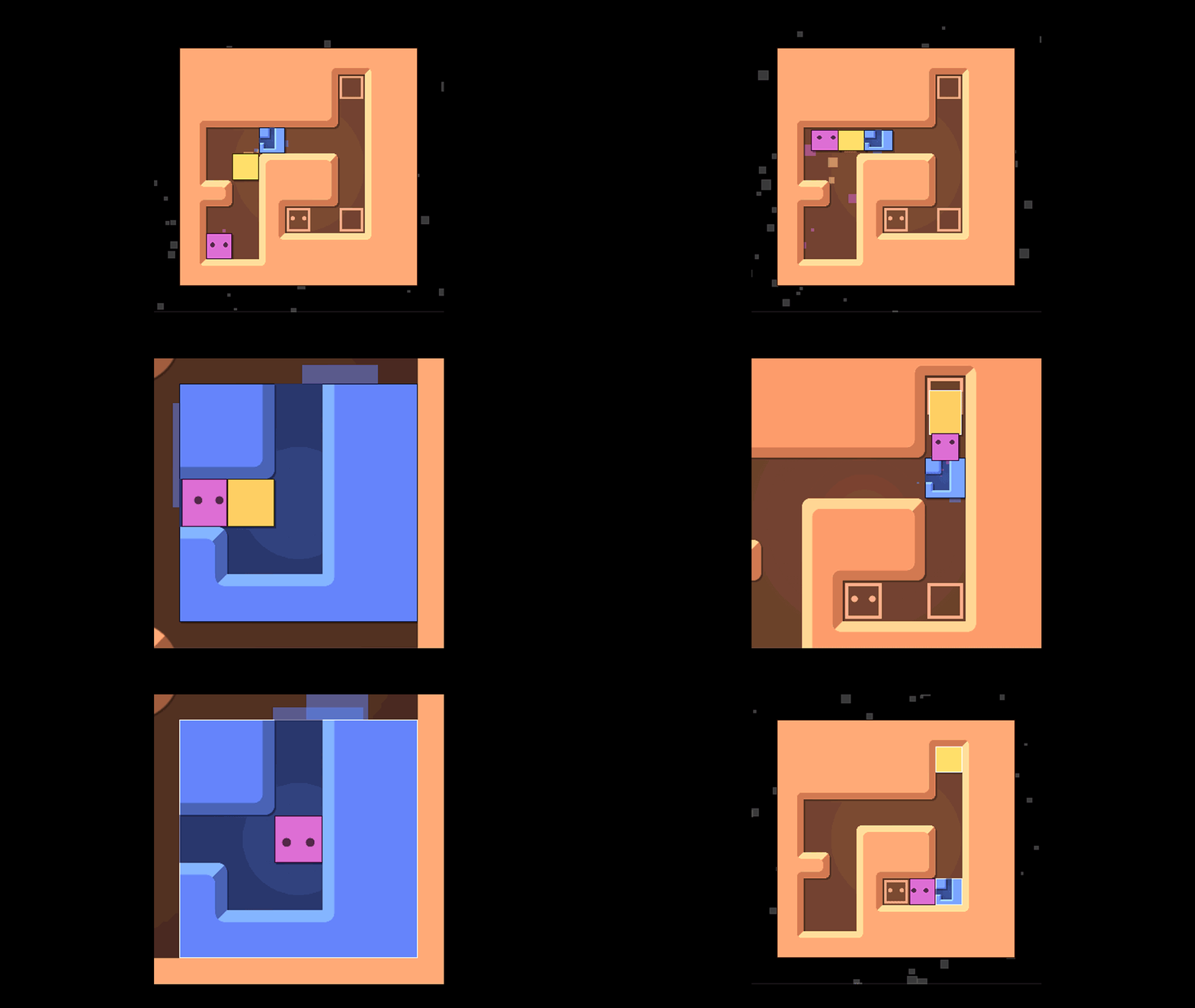
GIF: Patrick Traynor
If you like puzzle games that first make you feel smart but will furrow your brow, try Patrick’s Parabox, which releases on PC marketplace Steam tomorrow.
- There’s a free demo available now that works with Windows, Mac and Linux.
There’s not much I can tell you about the game that you can’t glean from the GIF atop this item.
- In the game’s puzzles, you control a block that can push other blocks.
- The game space is recursive: A level can contain a block that you can squeeze into, then the game zooms to reveal a new maze inside the block you entered.
🎁 Like the newsletter? Refer Axios Gaming to your friends to spread the word, and get free stuff in the process. Follow the link here to begin. 🐦 Find us on Twitter: @megan_nicolett / @stephentotilo.
Very glad Elden Ring doesn't get tougher when my heart is racing.