Axios Future of Mobility

May 13, 2026

🐪 It's Wednesday! Halfway to the weekend!
- Today's national average gas price: $4.51. (⛽️ Here in Michigan, it's $4.83.)
📌 Axios' AI+ Summit will return to New York City during NY Tech Week on June 3. Lineup includes IBM CEO Arvind Krishna, congressional candidate/NY state assemblyman Alex Bores, YouTube vlogger Casey Neistat and others. Secure your spot here.
🚘 Everyone wants to partner with Nvidia these days, including automakers designing their AI-powered cars of the future. Today, we're digging into Nvidia's quest to dominate the global auto industry.
All in 1,463 words, a 5½-minute read.
1 big thing: Nvidia's push for AV dominance
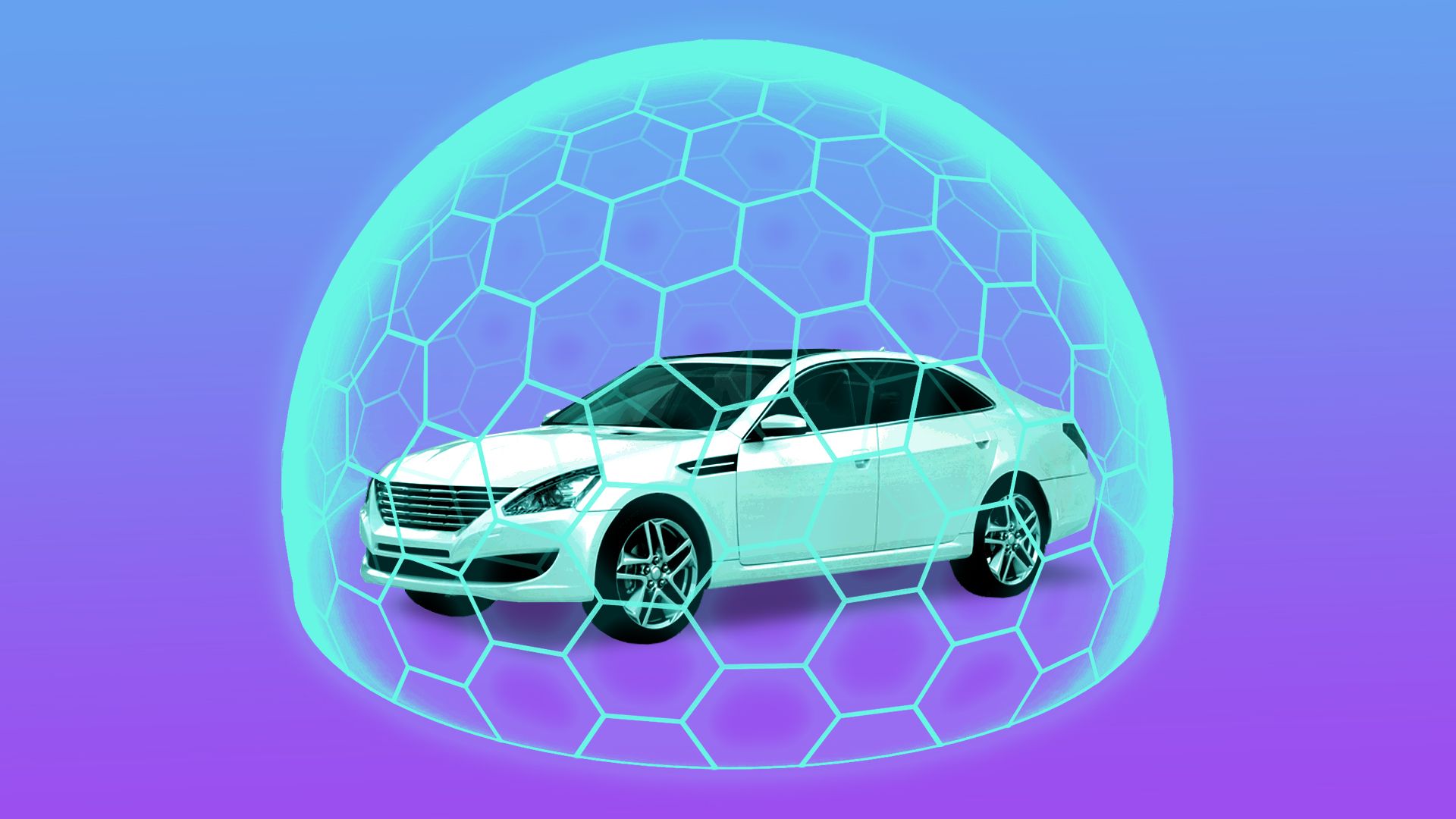
Nvidia wants its automated-driving technology to do for cars what Microsoft and Intel did for PCs: become an industry standard.
Why it matters: Nvidia's gone from designing graphics chips for video games to powering the AI boom — and now it wants to dominate self-driving cars, too.
Catch up quick: Nvidia has been involved in autos for decades, first with technology to design 3D virtual models, then by providing chips for dashboard infotainment systems, and later for driver-assist systems.
- Its digital simulation technology even helps carmakers test virtual assembly lines before a shovel hits the ground.
- Its automotive business is still tiny compared to the billions it rakes in from AI, but it's positioning itself now to become the industry's foundational platform.
Zoom in: Nvidia's Hyperion platform is a modular suite of hardware and software products that any automaker, robotaxi operator, trucking company or startup can use to build an AV system without having to build it from scratch.
- It's an open platform, meaning customers can select some or all of Nvidia's tech, whether they're developing an advanced Level 2 assisted-driving system or a fully autonomous Level 4 car or robotaxi.
The big picture: Tesla and Waymo (owned by Google parent Alphabet) have deep pockets to invest billions of dollars in proprietary AV systems.
- For other players facing global economic threats and huge technology shifts, Nvidia's tech platform offers a shortcut to autonomy.
- "How can anyone compete with Google and Tesla on their own? It's too much of an investment, and so we're trying to build a platform to make the industry, the ecosystem, successful," Ali Kani, head of Nvidia's automotive team, tells Axios.
State of play: Mercedes' new CLA luxury compact is the first vehicle to use Nvidia's full-stack AV software for its enhanced Level 2 driver-assistance feature.
- "What you're seeing in the case of Mercedes‑Benz is, hey, it's okay to partner right now," says Kani. "We take the investment for them."
Nvidia's plug-and-play system can also be used for fully autonomous vehicles.
- It's partnering with Uber, for example, to deploy 100,000 Nvidia-powered robotaxis from various manufacturers on the ride-hailing network starting in 2027.
- A number of companies, including Stellantis, Lucid, Volkswagen, Mercedes and Zoox, are adopting the Level 4 system, along with leading Chinese automakers BYD and Geely.
What we're watching: With the breadth of offerings, Nvidia's bet is that it can lock customers into the Nvidia AV ecosystem long term.
- "Hyperion is 'Wintel' for automotive," says Kani, referring to the dominant Microsoft-Intel platform in the 1980s and '90s.
Reality check: Analysts are skeptical that Nvidia will be able to convince the world's automakers to standardize on its AV platform.
- "Having a monopoly is rarely a good thing for any industry. It certainly was not good for the PC industry," says Sam Abuelsamid, vice president of market research for Telemetry, a Detroit-based research and strategic communications firm.
- He noted supply-chain dependency as a particular risk for auto companies.
Nvidia's chief rivals, Qualcomm and Mobileye, are going after the same market, offering alternatives to Nvidia's vertically integrated approach.
- Qualcomm, for example, offers automakers less expensive and more energy-efficient chips that link automated driving with connected-car technologies.
- Mobileye's advantage is leveraging the driver-assistance software, mapping and safety systems it has already deployed on millions of vehicles.
The bottom line: Automakers are juggling a long list of issues, not the least of which is choosing which AV architecture to deliver their self-driving future. Nvidia is betting on a big piece of the action.
2. Affordability reshapes car decisions, survey finds
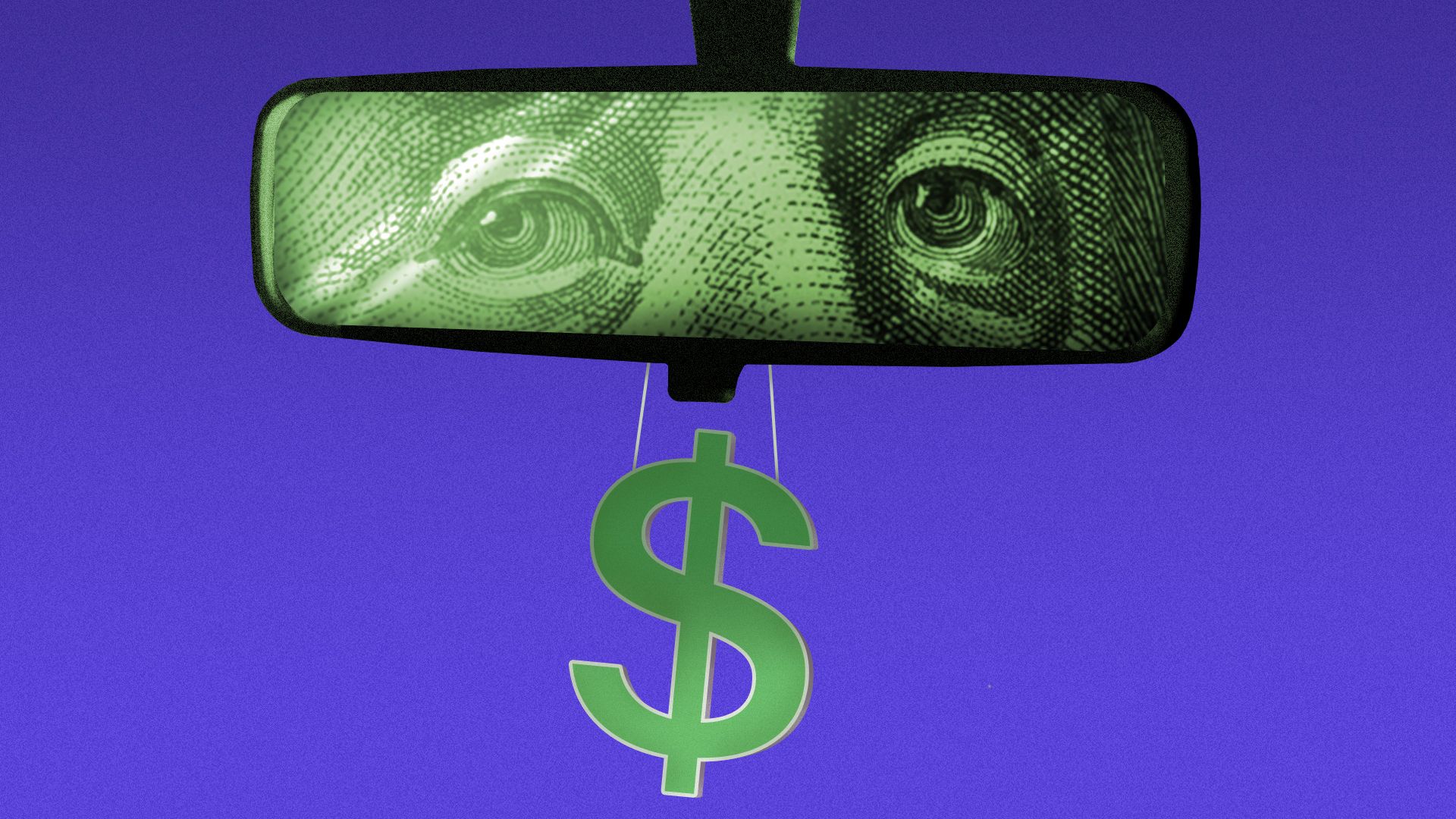
Americans may be burdened by inflation, but they're still willing to buy cars, especially used ones, according to new research shared first with Axios.
Why it matters: While cost pressures persist, demand for vehicles remains resilient because of how essential they are to work and opportunity.
Between the lines: Vehicle access is non-negotiable for many households, according to the quarterly survey from Santander Holdings USA, conducted in late March via Morning Consult.
- 79% of the 2,150 respondents — defined as middle-income Americans earning up to roughly $167,000 a year per household — said they rely on a vehicle to get to work.
- 71% say they would sacrifice other budget items to maintain access.
- And nearly half are driving more than a year ago, reinforcing how central cars are to economic participation.
Yes, but: Affordability is reshaping consumer choices. What's in:
- Used rides: 3 out of 4 respondents said they'd prefer a used vehicle with more features over a new entry-level model.
- Fuel efficiency: It's becoming a bigger factor in the purchase decision, with 70% of people saying they were more likely to consider a hybrid or electric car than they were a year ago.
What they're saying: "Middle-income consumers are making pragmatic, budget-conscious choices because access to a car is essential," said Betty Jotanovic, president of auto relationships at Santander Consumer USA.
The intrigue: More than half of middle-income Americans who shopped online in their car-buying journey used AI to make more informed decisions on vehicle and financing options.
3. Flash flood update from Waymo
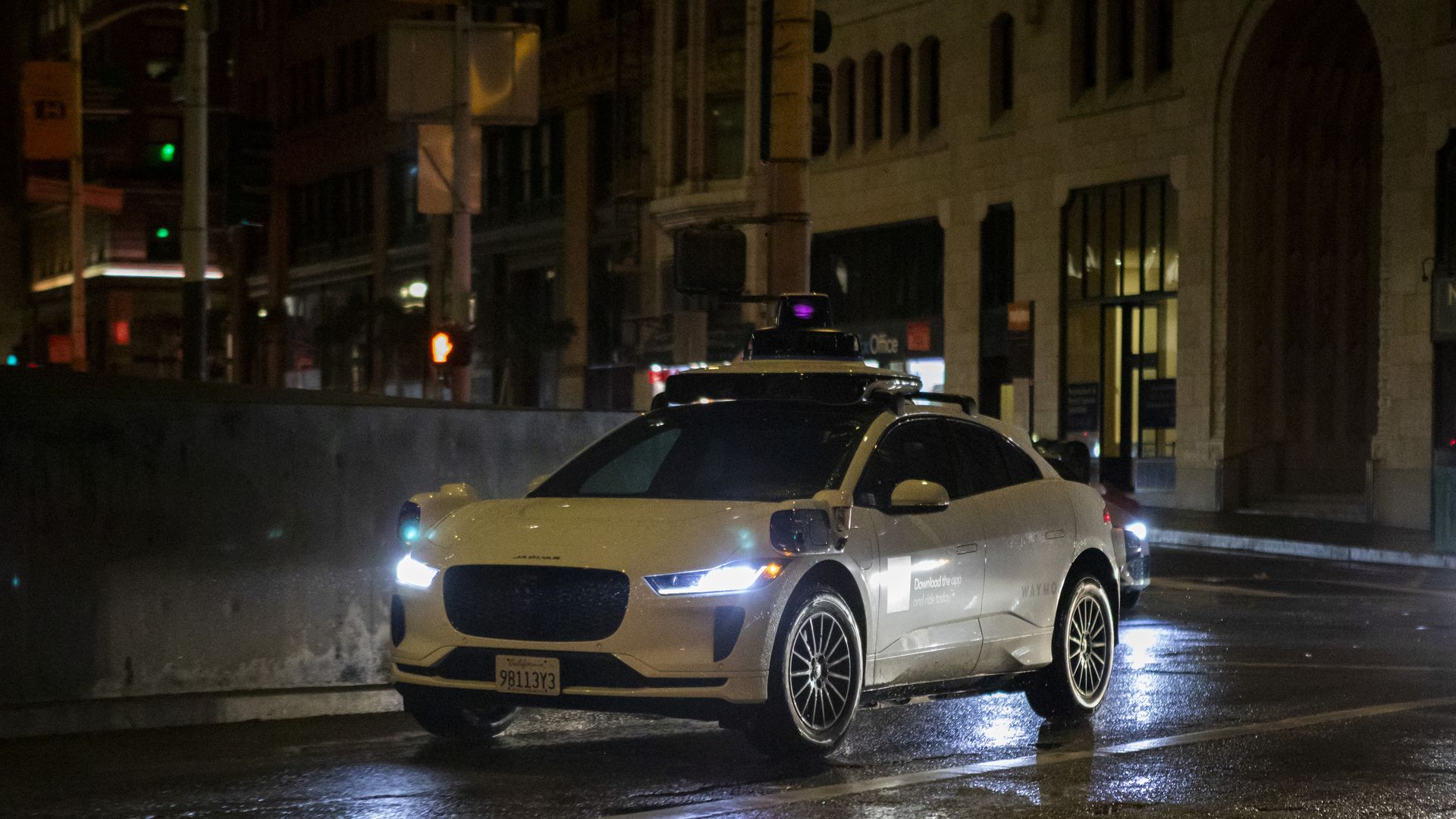
Waymo is recalling about 3,800 robotaxis in the U.S. for a software fix after one of its vehicles entered a flooded road during a heavy downpour in San Antonio last month.
Why it matters: Driving into deep water could cause a vehicle to lose control, increasing the risk of a crash or injury, according to a letter from the National Highway Traffic Safety Administration.
Between the lines: Waymo said it decided to recall the software last month after an unoccupied car entered a flooded road during a heavy downpour in San Antonio on April 20.
- Even though the road was "untraversable," the vehicle proceeded at a reduced speed, NHTSA said.
- Waymo temporarily narrowed its operating scope during periods of bad weather while it works on a permanent remedy.
- "We are working to implement additional software safeguards and have put mitigations in place, including refining our extreme weather operations during periods of intense rain, limiting access to areas where flash flooding might occur," Waymo said.
The software will be fixed without interrupting the taxi service, Waymo said.
- In San Antonio, however, public rides are still paused.
4. Drive-thru
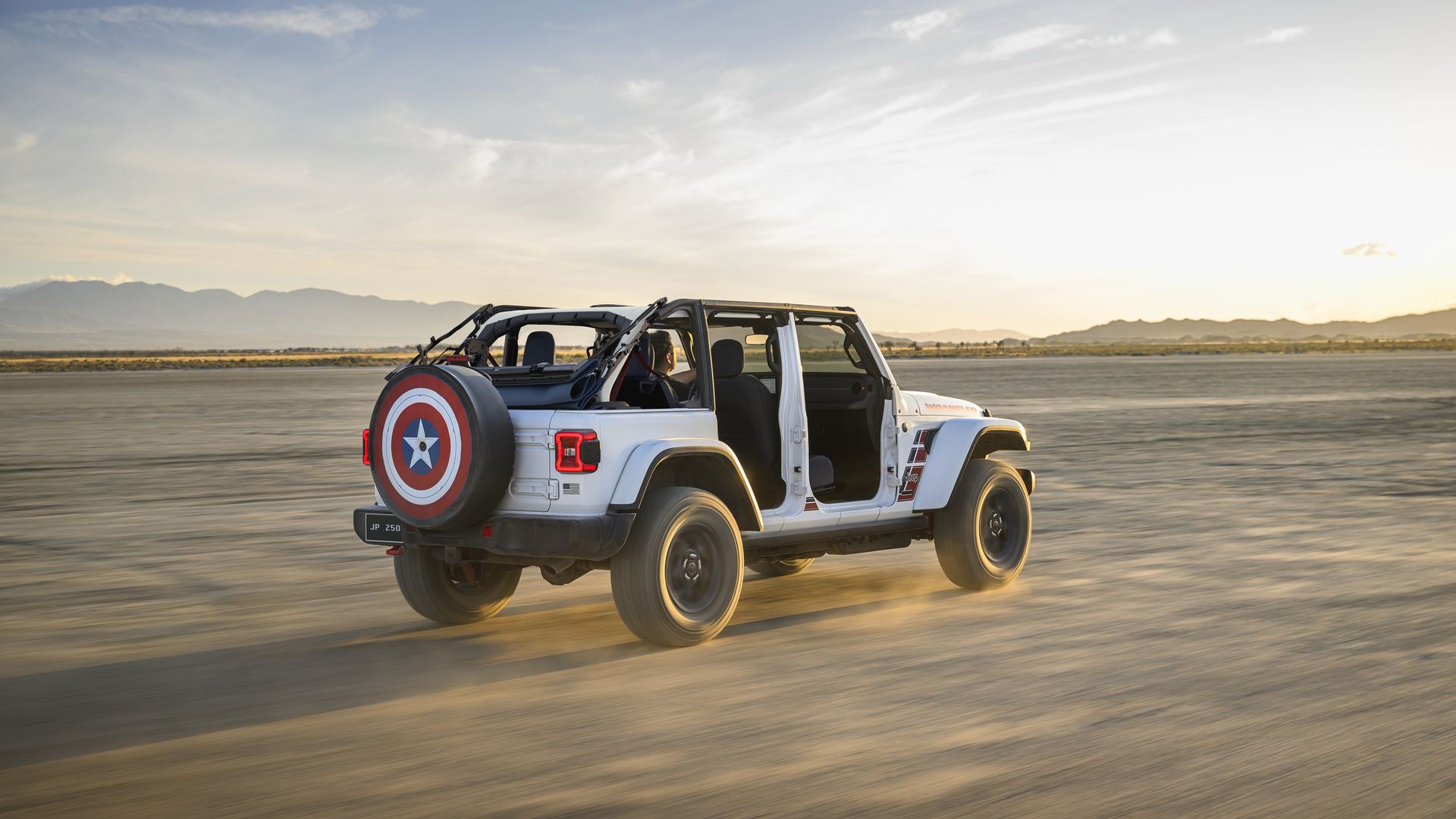
🇺🇸 Jeep is joining forces with Captain America to celebrate America's 250th birthday. The collaboration between Stellantis and Marvel Studios includes a Jeep Wrangler special edition with Captain America's iconic shield on its spare tire cover. (Automotive News)
🚢 Lidar technology and other sensors developed for self-driving cars are being repurposed to other industries, like managing shipyards and city traffic. (The New York Times)
🚫 Congress wants to codify Biden-era restrictions on Chinese cars, as President Trump prepares to meet tomorrow with his counterpart, President Xi Jinping. (CNBC)
🇨🇳 Stellantis is giving China's Leapmotor access to a plant in Spain, and the partners will build an EV together as the maker of Opel and Fiat cars seeks to shore up its European operations. (Bloomberg)
5. 🚘 What I'm driving
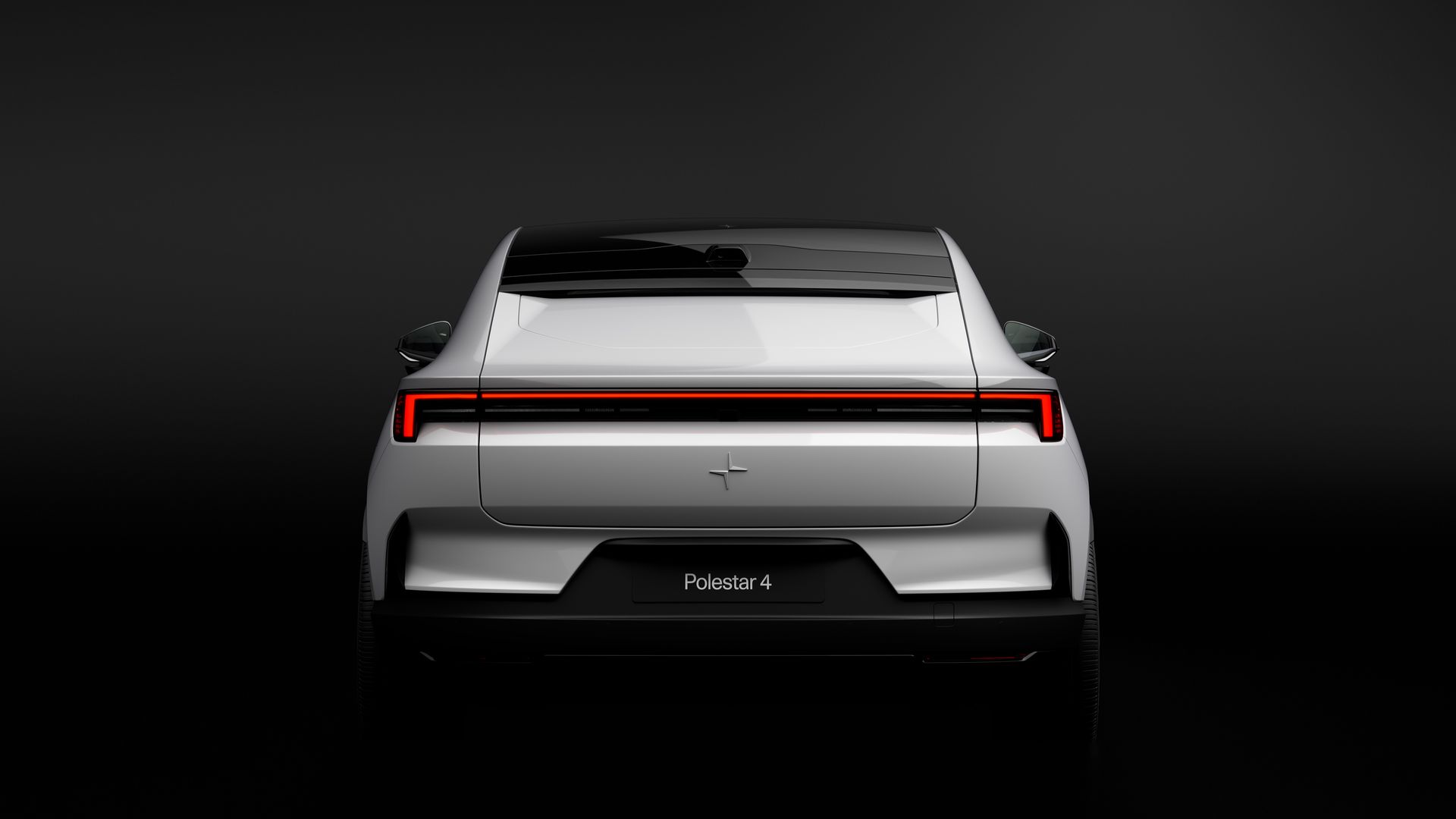
Polestar 4 electric coupe
- MSRP: $56,400 starting price; As tested: $71,600 for dual-motor version with Pilot and Plus option packs, plus destination charge.
- Under the hood: 100 kWh battery delivering 544 hp; 0-60 in 3.7 seconds. Driving range: 280 miles.
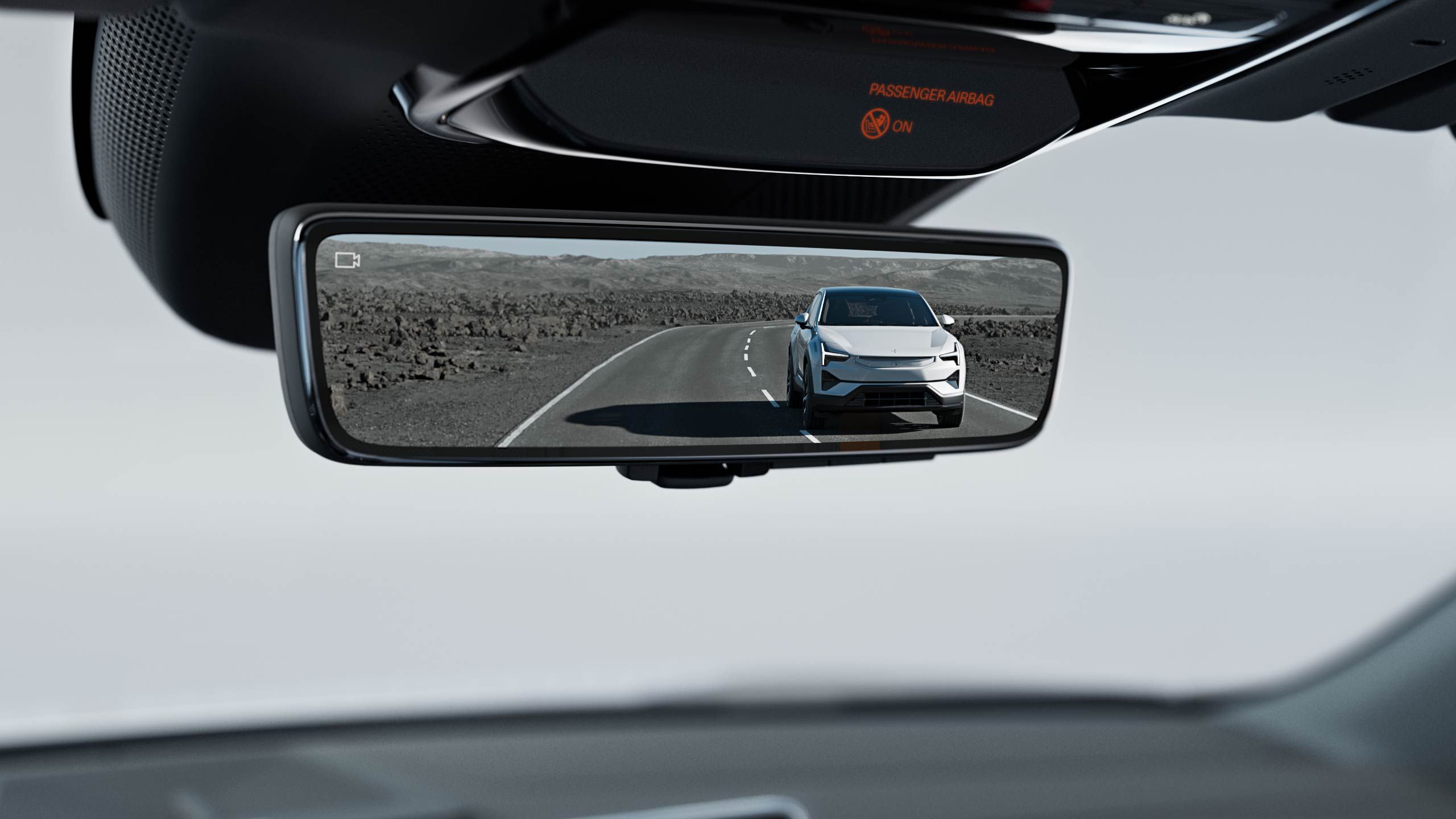
What's new: Slim, coupe silhouette enabled by eliminating the rear window (!)
- A digital camera mounted on the rear of the glass roof provides a wide view of what's behind you.
- The minimalist interior features a 3D knit material called TechKnit made from recycled yarn.
What I loved: Excellent performance and handling; striking design.
What drove me crazy: The high-definition digital display in place of the traditional rear-view mirror is amazing technology — unless, like me, you wear multifocal glasses.
- Every time I glanced toward the display, I became dizzy and disoriented; everything was fuzzy.
- The only way to clearly see the traffic behind me was to turn my entire head up toward the top of the windshield — creating a safety risk by taking my eyes off the road.
The bottom line: The Polestar 4 might be a forward-looking vehicle, but tech that makes a car feel less safe isn't worth it.
I test-drive vehicles in my role as a juror for the North American Car and Truck of the Year awards. Opinions are my own.
Thanks to editors Pete Gannon and Bill Kole. If you're a fan of this newsletter, please ask your friends to sign up, too.
Sign up for Axios Future of Mobility