Axios Future of Mobility

June 18, 2025

๐ฎ When something works, stick with it โย especially when the future is fuzzy. That's why U.S. carmakers need to keep selling those pickups and SUVs.
- And while the outlook for EVs has dimmed a bit, Ford is cranking up ambitious plans for its next-gen EV platform.
๐ฟ We've got a lot of news this week! Grab a snack and buckle up ...
1,865 words, a 7-minute read.
1 big thing: Detroit keeps milking its cash cows
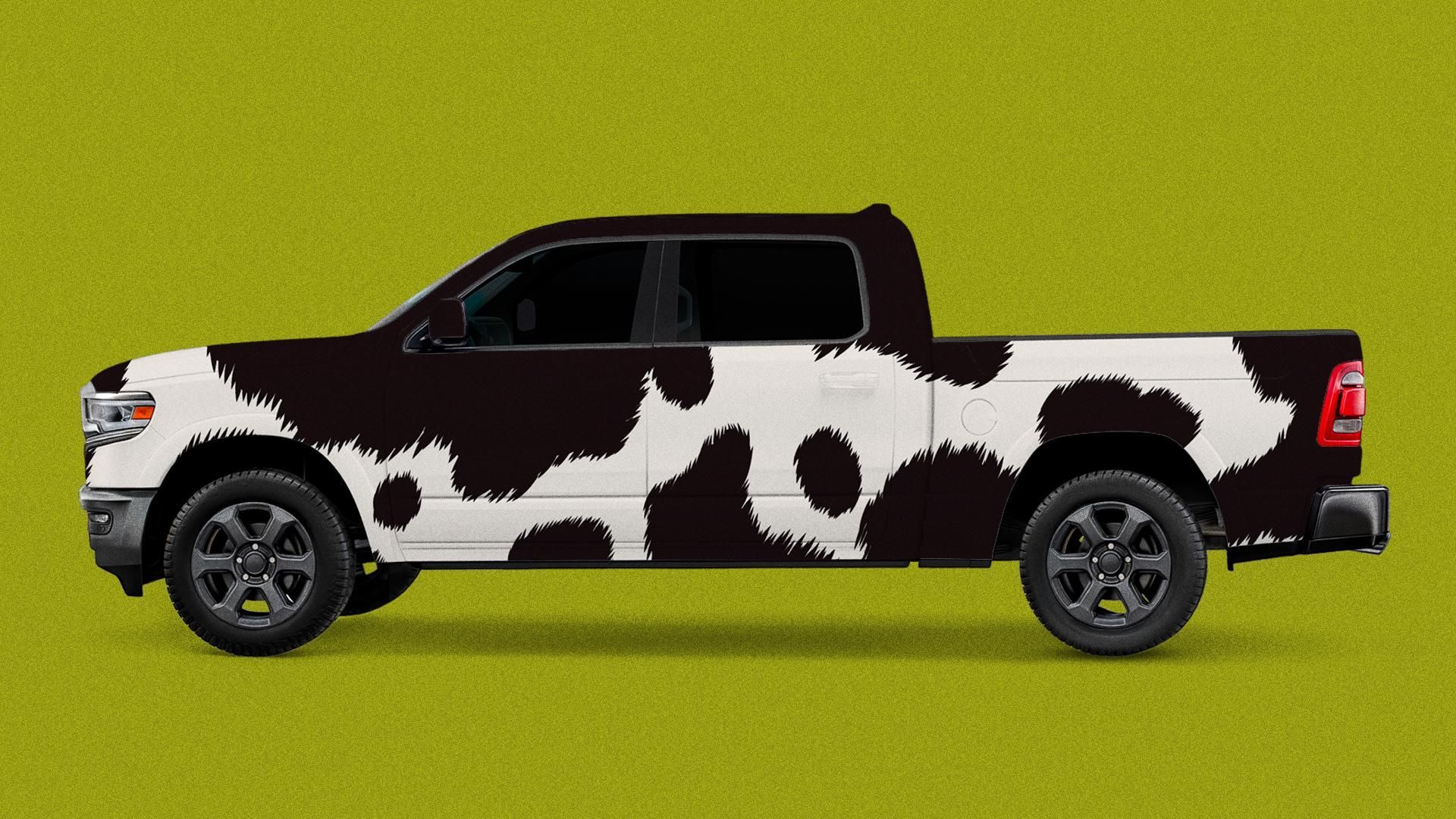
The future of transportation, it turns out, looks pretty familiar, with lots of gasoline-powered pickup trucks and SUVs.
Why it matters: With electric vehicle sales stalled, regulations in flux and tariff threats upending supply chains, automakers are leaning into their core moneymakers for the foreseeable future.
- In the case of the Detroit 3, that means building more high-margin pickup trucks and SUVs.
The latest: General Motors said last week it was scrapping plans for a second EV factory in Michigan and would instead use its Orion Assembly plant to crank out more gas pickups and SUVs like the Chevrolet Tahoe and Cadillac Escalade.
- The pivot follows last month's decision to invest nearly $900 million in a new line of V-8 engines at a New York plant that had been slated to build EV components.
- "We had planned for that to be a big EV plant," GM Chief Financial Officer Paul Jacobson said of the Orion plant during a recent investor meeting. "We were thinking about rapid expansion of electric vehicles, and clearly we haven't seen that happen."
- The best decision, he explained, was to double down on trucks and SUVs, because other factories in Indiana and Texas can't keep up with demand.
- Plus, by pulling some truck and SUV production from Mexico, GM will avoid newly imposed tariffs.
The big picture: The future product pipeline at most automakers is in shambles, per BofA Securities' recent "Car Wars" report, produced annually by automotive analyst John Murphy.
- "The unprecedented EV head-fake has wreaked havoc on product plans," wrote Murphy, whose research on future products offers clues about which carmakers have momentum and could gain market share.
- Product activity is "at a crawl," he said, with 159 new or redesigned models to be launched industrywide over the next four years, down sharply from the more than 200 models forecasted in last year's report.
- "The next four-plus years will be the most uncertain and volatile time in product strategy ever."
Between the lines: Some planned EVs, including a large Ford SUV, have been killed, while others, including a Ram electric pickup, are being reconsidered.
- Sales of existing electric trucks remain weak, and no one is making money on them.
- "We're going to see multibillion[-dollar] write-downs over the next few years," Murphy predicts.
Yes, but: That's not to say EVs are dead โ far from it. And the arrival of more affordable models like the next-generation Chevy Bolt EV later this year could help spur demand.
- But the mix of future products, at least for the next four years, has shifted dramatically toward hybrids.
- One sign it's already happening: Ford's EV sales fell 25% in May, while hybrids jumped 29%.
What to watch: Stellantis' breakthrough Ramcharger pickup, the industry's first range-extended electric pickup, has slipped into 2026 while it seeks to ensure better quality.
- GM plans to add plug-in hybrids to its lineup, but is feeling less urgency under the Trump administration, which is rolling back tough Biden-era standards.
- In the meantime, the product pipeline is relatively light at the Detroit 3 for the next couple of years.
- They won't redesign their most popular pickups and SUVs until the 2028 and 2029 model years.
The bottom line: They've got to keep milking the cows in the barn.
2. Dimming outlook for EVs


Analysts are slashing estimates for U.S. EV sales in the coming years as GOP lawmakers and Trump officials scuttle tax credits and emissions rules, Axios Generate author Ben Geman writes.
Driving the news: BloombergNEF is estimating that EVs will be 27% of U.S. passenger vehicle sales in 2030, down from nearly 48% in last year's version of the annual look-ahead.
- Plans to roll back fuel economy and emissions rules, end the $7,500 consumer credit, cut funding for charging infrastructure, and auto import tariffs are all dragging down the outlook.
- And BNEF's outlook assumes that California's plans to phase out gas-powered car sales by 2035 โ which are under threat โ remain in place.
Yet global sales are still slated to hit another record this year, with BNEF estimating 22 million passenger EVs moved, up 25% from 2024.
- China accounts for two-thirds (!) of the market, with Europe next at 17%, followed by the U.S at 7%.
Meanwhile, a separate report from Rhodium Group and MIT researchers finds that policy and market uncertainty are starting to cool investment in U.S. battery manufacturing and risk existing plans, as we've reported.
The bottom line: The EV sales trend is still upward โ but the landscape has completely changed.
3. Ford: We will match China's EVs on costs

A few details are emerging about Ford's affordable EV project, due in 2027.
Why it matters: Ford, like other global automakers, is scrambling to make electric vehicles profitably and still compete with lower-cost Chinese brands.
Catch up quick: In early 2024, Ford CEO Jim Farley revealed a small California-based "skunk works" team, led by a former Tesla engineer, to develop a low-cost EV platform.
- Since then, the project, now known as the Advanced Electric Vehicle Program, has grown to 500 team members with offices in three locations.
Driving the news: Ford is keeping most details under wraps, but Lisa Drake, who leads Ford's EV industrial plan, shared a few nuggets during a "candid dinner discussion" with investors last week hosted by Bernstein's lead automotive analyst, Daniel Roeska.
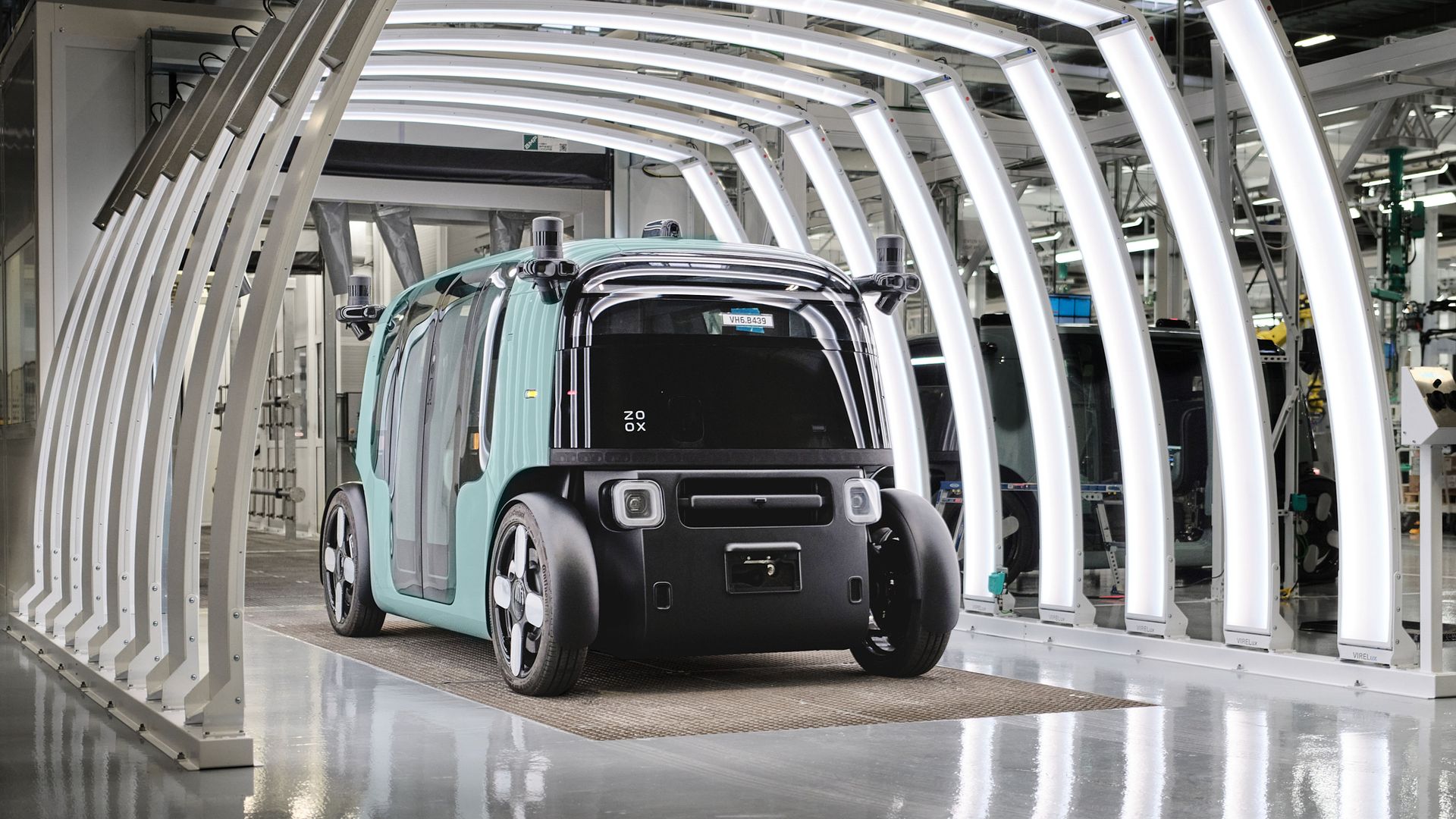
Zoom in: Ford's new EV platform will support up to eight body styles, she told the group, including trucks, crossovers, and possibly sedans.
- Ford has already said the first product will be a mid-sized pickup truck, but Roeska said he inferred from Drake's comments that it may resemble an electric Ranger.
- It will use prismatic LFP batteries, developed with China's CATL and produced in the U.S., to keep costs low.
- "With eight body styles and potential global applicability, it's intended to underpin Ford's EV strategy for much of the next decade," Roeska wrote.
Behind the scenes: "Lisa Drake was explicit: Ford intends to match the cost structure of leading Chinese players. That means not just battery pricing, but full system cost from chassis and thermal systems to inverters and electronics," he wrote.
Yes, but: Ford's EV math hinges on an estimated $700 million in federal tax credits the automaker is counting on to help offset the $3 billion cost of a new battery cell plant under construction in Michigan.
- Republicans in Congress want to kill those Biden-era credits, in part by prohibiting subsidies for batteries made in the U.S. under a Chinese licensing agreement, as Ford intends to do.
What to watch: Ford is crying foul, but it's not clear whether the production tax credits will survive in the final budget law, due later this summer.
4. Waymo takes on Manhattan
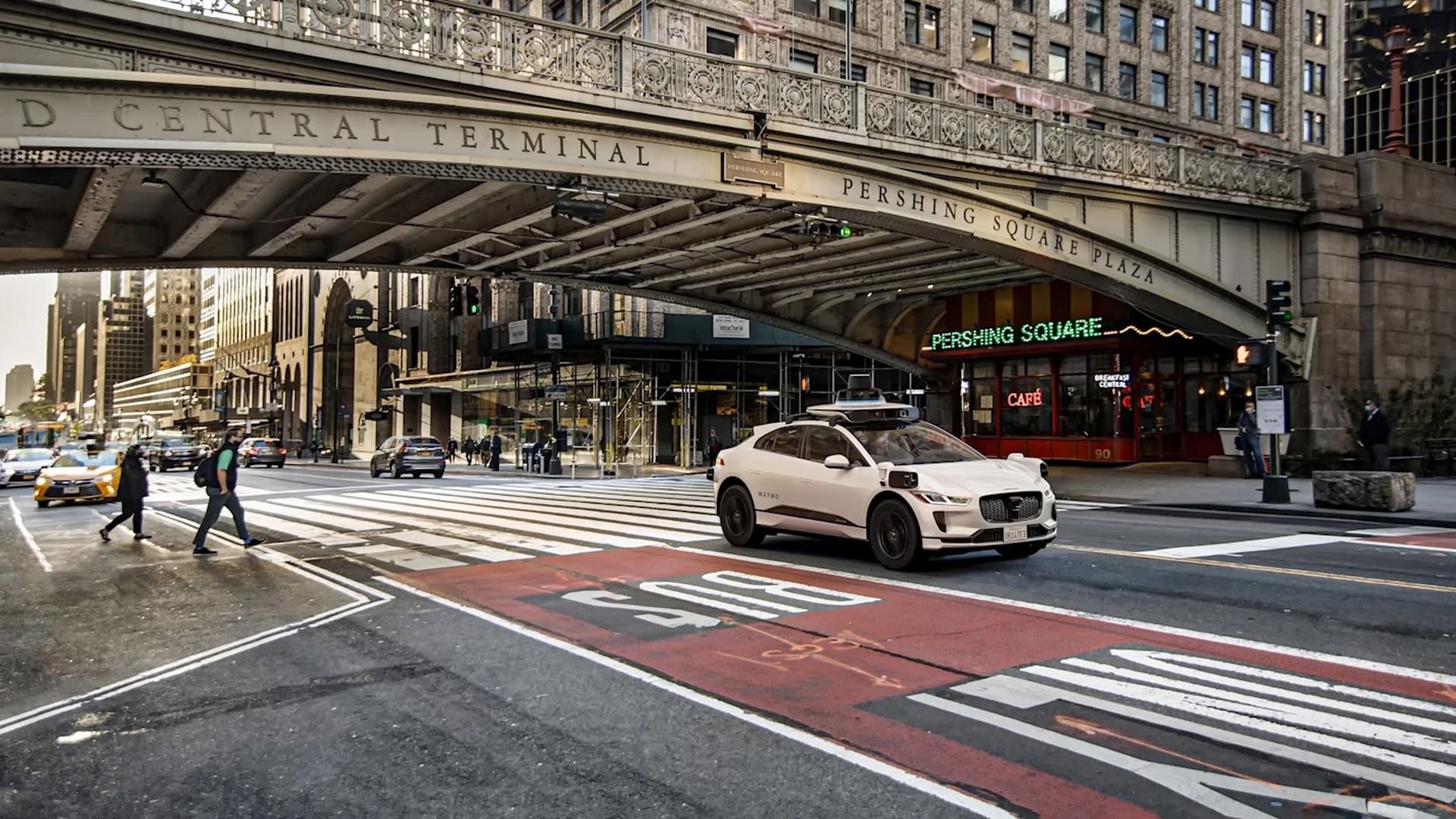
Waymo is bringing its robotaxis to New York next month, with a goal of launching a full-fledged driverless rideshare service in the future.
Why it matters: Waymo is the autonomous vehicle industry leader, with a fleet of 1,500 robotaxis in multiple U.S. cities, including San Francisco, Los Angeles and Phoenix.
- Cracking New York, America's most crowded city, would be a huge feat.
The catch: New York State law prohibits vehicles from operating without a driver behind the wheel.
State of play: Waymo has applied to the city's Department of Transportation for a permit to test autonomous vehicles with a safety driver in Manhattan. If approved, it would be the first testing deployment of robot-driven cars in New York.
- The company is also lobbying for a change in the state law to allow vehicles to operate without a human driver.
- Meanwhile, it's working to educate the public and build community trust by engaging with organizations like Mothers Against Drunk Driving and agencies that support blind and developmentally disabled people.
- It's also collaborating with Bronx Community College to train future AV technicians.
What to watch: Beginning in July, Waymo employees will be manually driving its signature white Jaguar i-Pace EVs around New York City.
5. Drive-thru
Catching you up on news you might have missed ...
๐บ๐ธ Some of the most "American-made" vehicles you can buy carry foreign nameplates, per a new Cars.com survey, underscoring the complexity of the global auto industry. (Axios)
๐ Waymo rides cost more than Uber or Lyft, and people have to wait longer, too, a study by rideshare aggregator Obi found. Yet 70% of users who had taken a Waymo ride said they preferred it to a traditional rideshare or taxi. (TechCrunch)
๐ This week's Paris Air Show capped off what has been a newsy month for the leading advanced air mobility players, including a new U.S.-funded pilot program for electric air taxis and Joby's recent Saudi Arabian expansion plans.
- Archer announced the next market for its Midnight eVTOL aircraft will be Indonesia.
- Beta Technologies said Republic Airways will test its electric planes for regional flights.
- DOT Secretary Sean Duffy announced an alliance with the UK, Australia, Canada and New Zealand to streamline the global certification and deployment of eVTOLs, the first new type of aircraft in 70 years.
- Eve Air Mobility amped up expectations with a report projecting 30,000 eVTOLs by 2045, serving 5 billion passengers โ a $280 billion market.
6. What I'm driving: 2025 Cadillac Optiq
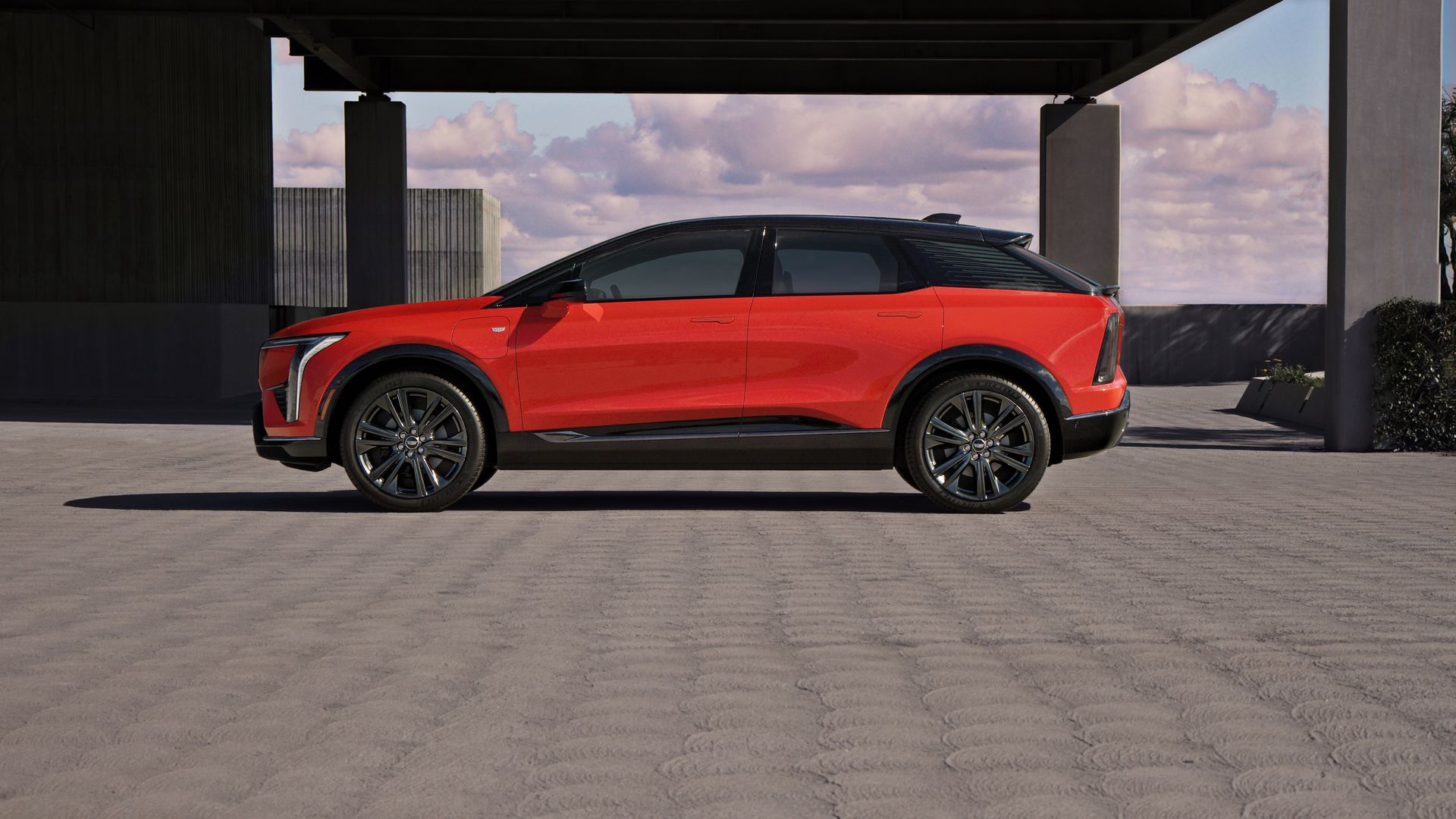
Cadillac is transitioning to an all-electric brand, and the 2025 Optiq compact SUV, starting around $54,000, is a splendid entry point for the new luxury EV lineup.
The big picture: It's the latest addition to Cadillac's growing EV portfolio, which includes the Lyriq, Escalade IQ, Celestiq and next year, Vistiq.
And before we go any further, they're pronounced with an "ick" sound at the end, not "eek."
- That is, except for the Escalade IQ, because you don't mess with an icon. You just add the letters I and Q to distinguish it from the original luxury behemoth.
The specs: The Optiq's 85 kWh battery pack and standard all-wheel-drive propulsion system offer 300 horsepower and 302 miles of driving range.
- With an adapter, you can charge at a Tesla Supercharger, but soon it will come with a NACS port so an adapter won't be needed.
It's a pretty car, both inside and out.
- I was struck by the innovative materials in the cabin, including fabric door trims made from recycled materials and wood veneer made from tulip wood and recycled newspaper.
- The sound system is exceptional, featuring a standard 19-speaker AKG audio with Dolby Atmos, which delivers sounds precisely throughout the cabin.
GM's SuperCruise hands-free highway driving system, which comes free for three years, changes lanes automatically, which allowed me to sit back and relax (while paying attention, of course).
The bottom line: The Optiq packs a lot of features into a $54,000 entry luxury car.
I test-drive vehicles in my role as a juror for the North American Car and Truck of the Year awards. Opinions are my own.
Thanks for reading! Please encourage your friends and colleagues to sign up.
Thanks to Ben Berkowitz and Bill Kole for editing.
Sign up for Axios Future of Mobility