Axios Future of Energy

October 21, 2025


🎙️ We've got exclusive news from the advocacy world, and the latest on policy and more, all in 1,303 words, 5 minutes.
🚘 Breaking: GM is warning of more financial charges from EVs as policy changes slow adoption. But it also lowered estimates of tariff-related hits.
🙏 Thanks to Chuck McCutcheon and Chris Speckhard for edits to today's edition, along with the brilliant Axios Visuals team.
🎸 Happy birthday to guitarist Steve Lukather of Toto and a murderer's row of session work. His chops animate today's intro tune...
1 big thing: Gates vets launch new group to change clean tech policy

Exclusive: A veteran team of advocates and wonks is launching a group to win policy changes that make clean energy "the most affordable, reliable, and fastest way to power America's economy," the group exclusively tells Axios.
Why it matters: The group is made up of former top policy and advocacy staff at the Bill Gates-founded group Breakthrough Energy.
- The nonprofit Clean Economy Project (or "CleanEcon") lands amid rising power demand and costs — and a mix of headwinds and tailwinds for climate-friendly tech.
The big picture: "Our mission is to figure out, how does clean energy become the default choice for everyone?" CleanEcon President Aliya Haq said.
- "From consumers to countries to companies, everyone should be able to choose clean energy if they want to," said Haq, who formerly led Breakthrough's policy team.
State of play: The group envisions a spectrum of work, including lobbying, issue campaigns, coalition-building and connecting policymakers to startups, and more.
- It has a multimillion-dollar budget and roughly 10 funders. They're not disclosing but say they hail from philanthropy, VC investing and beyond.
- Board members include Rich Powell, who is CEO of the Clean Energy Buyers Association, and Mike Boots, Breakthrough's former executive VP.
- The 10-member staff includes Farah Benahmed, Sophie Brougham, Amber Jones, and Maria A. Martinez, and other Breakthrough alumni.
Catch up quick: Gates, while still working on clean energy, has reoriented some of his philanthropy around global health. That brought the decision to launch CleanEcon, organizers said.
- But the new group has a strong relationship with Breakthrough, Haq said, adding that Gates "remains a major champion of innovation."
My thought bubble: The group defies easy categorization in the advocacy world.
- On one hand, it's pro-climate tech at a time when some sources — like renewables and EVs — and climate policy overall are waaay out of favor in Trump 2.0.
OTOH, it's focused on areas of overlap like permitting reform, building transmission, and funding early-stage demo projects.
- It backs tech the Energy Department favors, like nuclear, geothermal and storage.
- Haq more broadly sees alignment on lower costs, innovation, and harnessing private capital. She calls the group "aligned" with the "abundance" movement.
The intrigue: "And we're not that focused on slowing down fossil fuels," she said.
- Such a slowdown "might actually increase costs, and we're better off trying to accelerate clean energy so that that lowers costs for people."
What we're watching: The power sector is the biggest emphasis right now, though its scope also includes transport, industrial decarbonization, and advanced manufacturing.
- Haq said its work on market structure will be vital.
- She cited examples like easing grid access for clean sources; figuring out how markets can price in electricity storage assets; and incentivizing advanced conductors that move more power through existing lines.
The bottom line: It's a new player to watch as energy advocacy and lobbying evolve quickly.
2. ⛔ Burgum: Offshore wind isn't a permitting chip
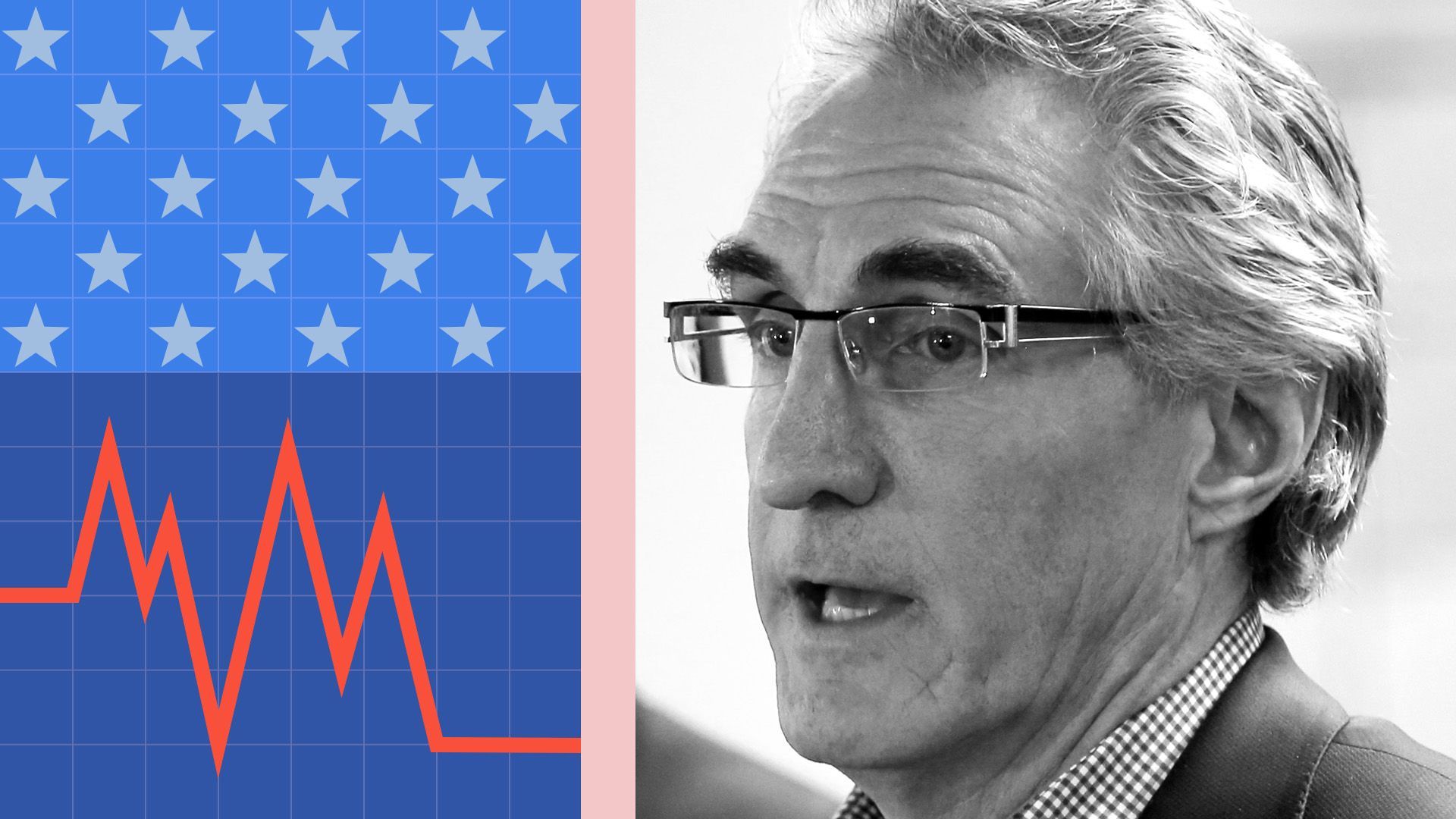
Trump officials won't reverse efforts to block offshore wind projects to win Democratic buy-in for a major permitting overhaul, Interior Secretary Doug Burgum said.
Why it matters: His comments yesterday underscore big hurdles confronting Capitol Hill efforts to thread the needle on big permitting legislation, despite K Street interest in making infrastructure easier to build.
Driving the news: "I hadn't thought about the idea of trading something that makes sense for everybody in America, for something that makes no sense, and that's sort of how I view offshore wind," Burgum said in wider remarks at an American Petroleum Institute event.
- Many Democrats are upset about Interior moves to pause or thwart Atlantic Coast offshore projects that were previously approved, and in some cases already under construction.
The big picture: Burgum yesterday talked up cases where the administration has been speeding up permitting on its own.
- But he also called for congressional action, noting "we have to have that durability."
What we're watching: Whether there's any real political room for a major bill, which would require 60 Senate votes and hence some Democratic buy-in.
- Sen. Shelley Moore Capito (R), who heads the Senate's environment panel, said at the event that negotiations are ongoing with the top Republicans and Democrats on her committee and the Senate's energy committee.
3. 🦘 Looking down under to replace Chinese minerals

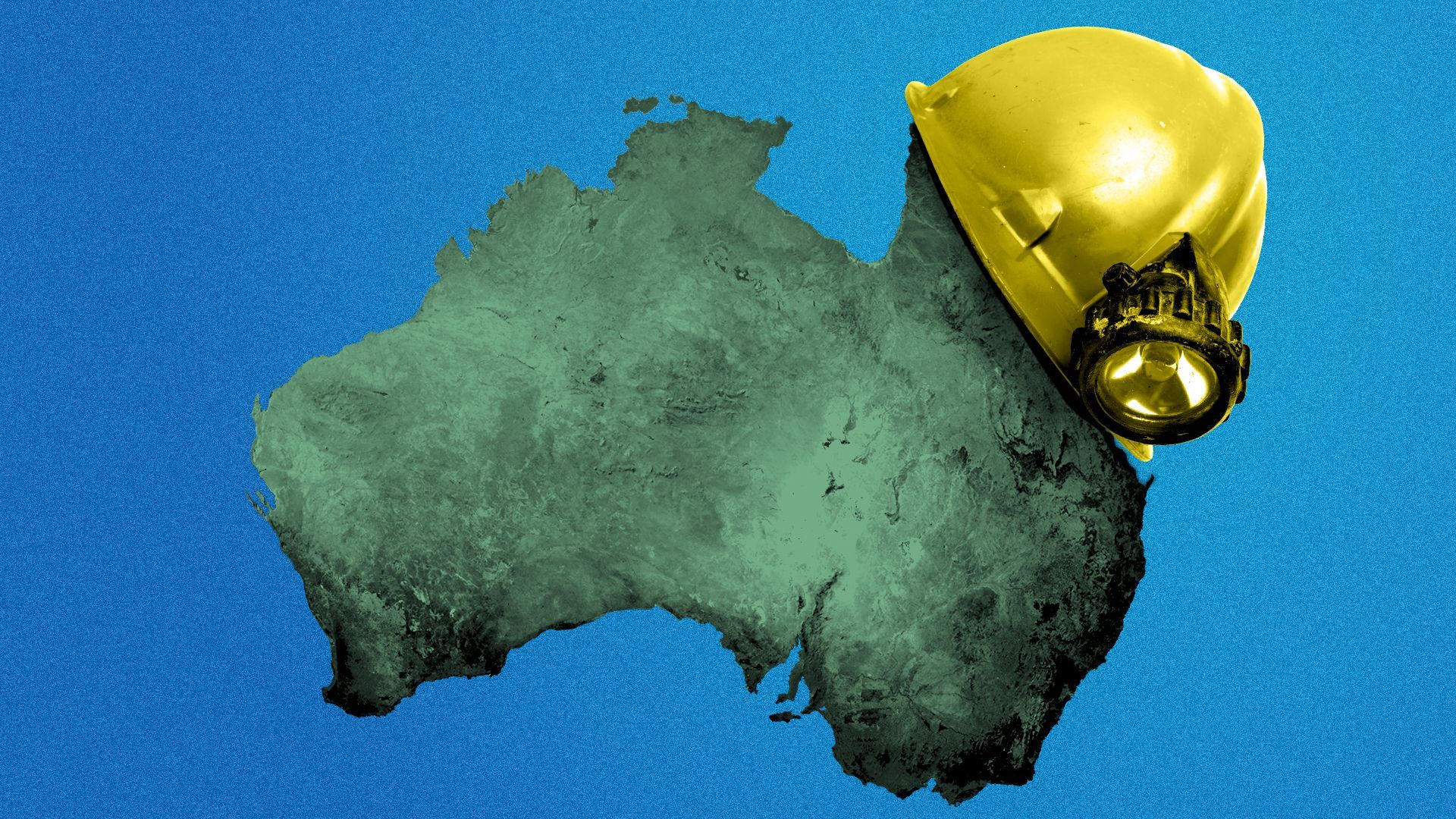
China's weaponization of all-important rare earth minerals is sending the Trump administration scrambling to find new sources for the materials that power the modern world.
Why it matters: From Australia to Ukraine, and at all points in between, the U.S. position on rare earth minerals in the Trump administration is clear — get them out of the ground, at any cost, and the sooner the better.
The big picture: Virtually every important technology in society has components that won't function without rare earth minerals. They are elemental — literally and figuratively — to the global economy.
- They are also, as it happens, almost totally under the control of China as it stands today.
- The more China exerts that control, the more aggressive the administration gets, whether financially or diplomatically, to find alternatives.
Catch up quick: The trade truce the world's two largest economies struck in early summer guaranteed the flow of crucial rare earth magnets out of China.
- That only lasted a few weeks, until the Chinese started cutting off supplies again and announced a new regulatory regime that would restrict global access.
Driving the news: Australia is now offering itself to the U.S. as an alternate supplier.
- President Trump met top Australian officials in Washington yesterday to discuss what might be possible.
- The sides reportedly signed a deal giving the U.S. access to an $8.5 billion pipeline of Australian minerals, with both countries pledging an initial $1 billion investment in minerals processing.
Yes, but: Australian rare earths reserves are about one-eighth of what China has, per USGS data — and actual mine production is less than a tenth of what the Chinese put out.
Zoom out: The U.S. is simultaneously taking steps to diversify its supply by expanding domestic production.
4. 🏃 Catch up quick on oil and gas: EU, Alaska, Brazil
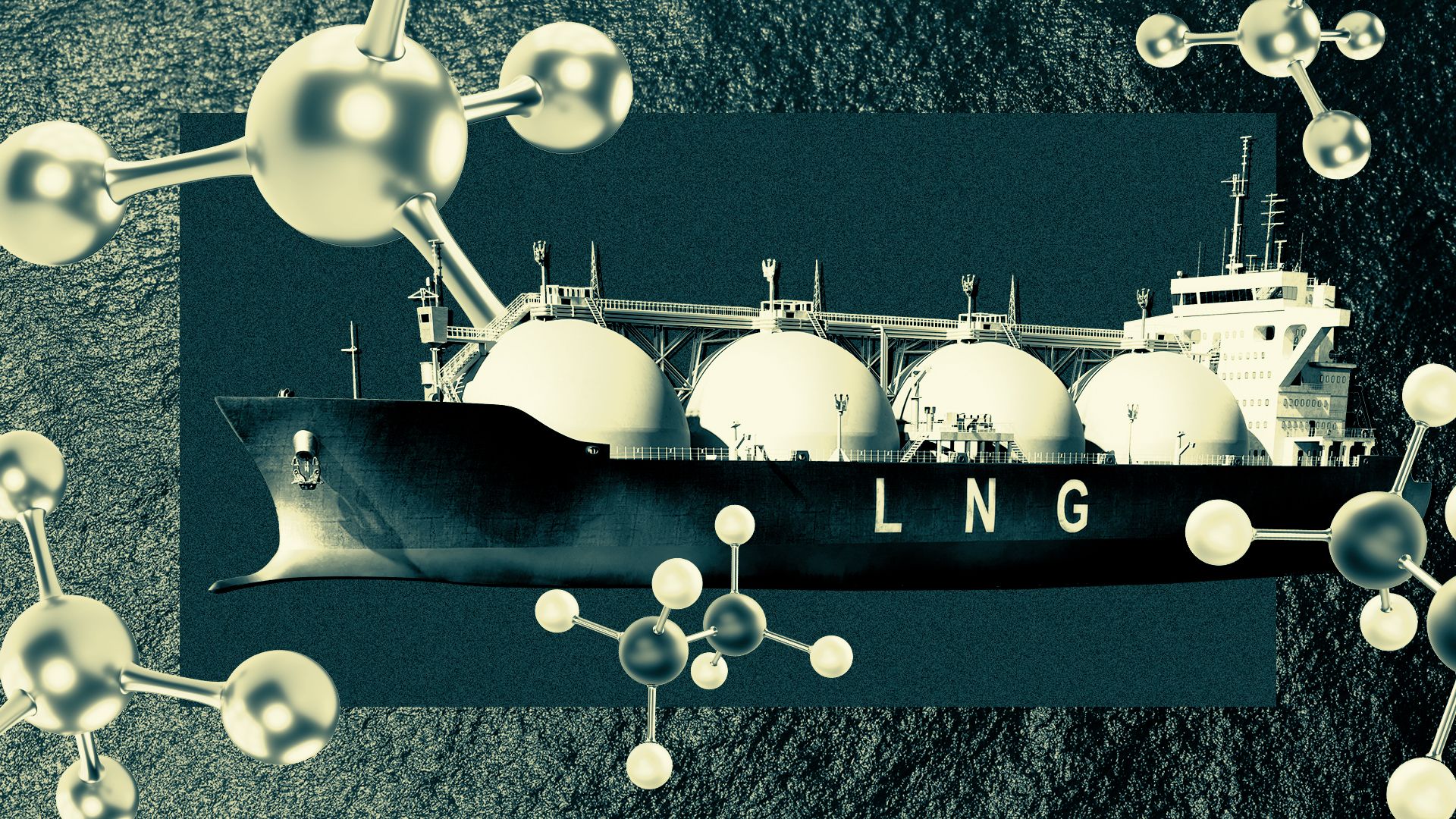
🇪🇺 EU officials reached agreement on binding plans to fully end imports of Russian gas by the end of 2027, but it needs sign-off from the bloc's parliament.
- Why it matters: U.S. officials are keen to further expand LNG exports to Europe, while EU officials are also looking to speed uptake of renewables, heat pumps and other tech.
🗓️ Via Reuters, "The backers of a proposed 800-mile (1,287 km) gas pipeline in Alaska championed by U.S. President Donald Trump expect to complete a key engineering and cost study by the end of this year, Interior Secretary Doug Burgum said on Monday."
🇧🇷 Via Bloomberg, "Brazil's state-controlled energy company received approval to explore for oil near the mouth of the Amazon River, capping a yearslong standoff with environmental regulators over access to a basin thought to hold vast amounts of crude."
5. ✂️ Number of the day: 2,000+ jobs
That's how many cuts the Interior Department hopes to make, per a court filing yesterday.
6. 🌀 Quote du jour: "Clear-eyed realism" edition
"An agenda focused on adapting can unite rather than divide. Unlike mitigation, which often provokes partisan battles over energy, regulation and ideology, adaptation is rooted in practicality and shared human interests."— Alex Flint and Kalee Kreider, veteran climate advocates with very different backgrounds, writing in the WSJ
Their piece doesn't advise bailing on CO2 cuts, but sees a wider political opening to prep for unfolding — and inevitable — climate harms.
📬 Did a friend send you this newsletter? Welcome, please sign up.
Sign up for Axios Future of Energy