Axios Future of Energy

March 27, 2026


🍸 Aaaaaaahhhh. Friday. We're heading home from CERAWeek in Houston, but leaving you with another on-the-ground dispatch, including...
- Bezos fund plans
- Net-zero's fade
- FERC chair's lament, affordability politics and more, all in 1,303 words, 5 minutes
⏰ Timing note: We'll revert back to our usual send time next week, so look for Future of Energy at 8:30-ish ET
📺 "The Axios Show": California Gov. Gavin Newsom (D) talks with Alex Thompson about AI "doomers," President Trump and how the Democratic Party can be more "ruthless." Watch the episode on YouTube.
🎸 We're honoring Texas artists this week, so blues great Lou Ann Barton has today's intro tune...
1 big thing: This man has a strategy for using Bezos' climate billions
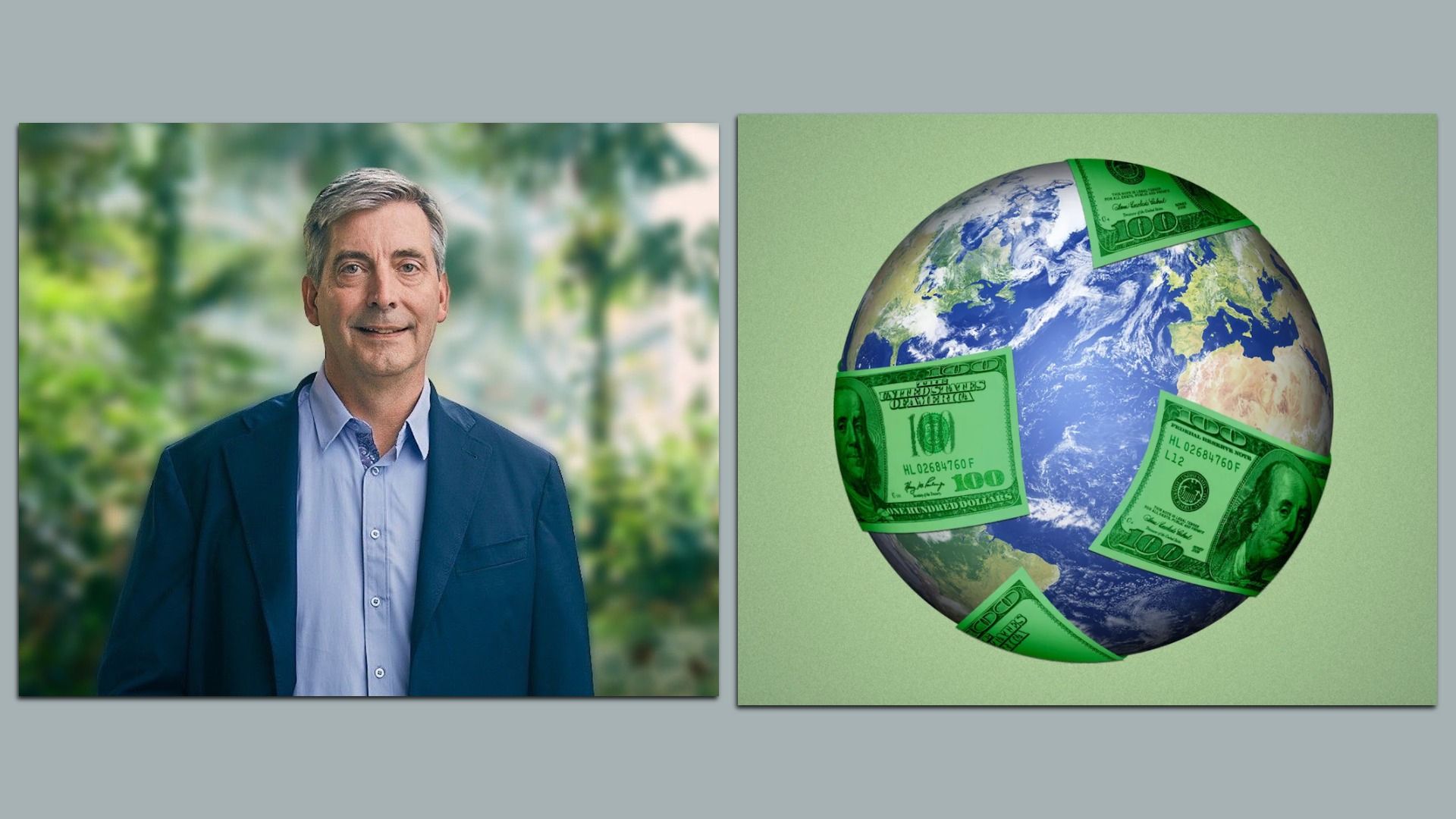
HOUSTON — Tom Taylor, president and CEO of the $10 billion Bezos Earth Fund, lacks a climate background.
- But he brings business and engineering experience — and, crucially, Jeff Bezos experience — to the role.
Why it matters: Taylor is running one of the world's largest climate philanthropies at a time when global warming has fallen down many government and C-suite agendas — even as harms pile up.
The big picture: Taylor — who started last July — told Axios at CERAWeek that he's approaching the job with an engineering, problem-solving mindset.
- He spent 23 years in senior roles at Amazon, notably running the Alexa voice assistant program.
- "I think what I brought into the organization was the same sort of inventor mindset that Amazon has, which is, think very big, think very long term, think about who your customer is," he said.
- In this case, he notes, that customer is the people and species of the planet.
Catch up quick: Bezos announced the fund in 2020 with an eye-popping $10 billion commitment. Roughly $2.3 billion has been allotted so far.
- Grants span ocean and lands protection; scaling up nuclear power, clean maritime fuels and other energy transition work; cutting agricultural methane; sustainable proteins; and beyond.
- Harnessing AI for climate solutions is one focus.
State of play: The group — which has lots of subject-matter experts on staff — works with academia and NGOs, and is now looking to increase ties with the energy sector.
- Taylor had a packed agenda of meetings at CERAWeek, spanning oil and gas execs, geothermal and other energy startups, hyperscalers, NGOs, and finance industry players.
Zoom out: "My role here was to listen to hear what's going on, but also to share with people, 'Hey, I think the industry should be thinking about philanthropy and what could philanthropy do,'" Taylor said.
- "Philanthropy isn't just about writing checks," Taylor adds.
Zoom in: One thing that's gotten his attention is "superhot rock" geothermal energy — massive resources at extraordinary depths.
- "That's an area I think we could work with universities and other researchers — can we bring that forward in time, because ultimately, I think that's going to be a great additional source of clean, baseload, affordable power."
The intrigue: Taylor replaced Andrew Steer, a well-known figure in climate circles who ran the fund for almost four years after a long tenure at the World Resources Institute.
- One philanthropy veteran — who spoke on condition of anonymity — said tapping Taylor made sense for the fund.
- "It feels like Jeff needed someone like Tom who comes from Jeff Bezos world, which he very decidedly does," the person said.
What we're watching: Taylor said the fund could support "hybrid financing" to help accelerate what private industry and venture capital do on clean tech.
- He's also exploring more opportunities to support coalitions that can speed solutions — like its recent support for the Nuclear Scaling Initiative partnership.
2. 🥜 CERAWeek Day 4 in a nutshell

🤝 Big Tech and power regulators have some reconciling to do (more below)
🪧 A rare protester briefly interrupted a main stage conversation with the chief of Dow Chemical.
🤫 It's an open secret that panels yesterday and today are typically seen as less important by organizers.
😲 Privately, attendees are terrified that a protracted Iran war will upend the current world order.
🫠 Publicly, attendees are terrified over airport security lines — though Ben and Chuck made it through TSA this morning in just half an hour.
3. 🌏 One CERAWeek takeaway: Net-zero is dead

HOUSTON — Across dozens of conversations with investors, bankers, utilities and tech execs at CERAWeek in Houston this week, not a single one referred to zeroing out heat-trapping carbon emissions.
Why it matters: This is what climate surrender looks like.
Flashback: In 2022, conference host Dan Yergin kicked off the event saying, "Net-zero is fundamental to the discussion that's going to unfold over CERAWeek."
Zoom in: Talk this year centered on fulfilling electricity demand unleashed by AI data centers, controlling eye-watering electricity prices, and insulating national markets from natural gas shocks triggered by the Iran war.
What they're saying: "Impact right now, whether we like it or not, is avoiding backsliding — avoiding massive new demand becoming all gas, all the time, forever," David Crane, CEO of climate-focused investment firm Generate Capital, tells Axios Pro.
Case in point: Even Generate, once the most prominent investment firm in climate-tech, has hitched its future to natural gas projects.
Unlock the whole story, and talk to our sales team about Axios Pro Deals for a steady diet of scoops and smart analysis.
4. 😡 Energy execs say they're trying to address ratepayers' anger

HOUSTON — Several top energy executives and a federal regulator had a message yesterday for Americans angry about soaring electricity bills: Help is on the way.
Why it matters: The cost of electricity — which has spiked across much of the country over the past year — has become a top-tier political issue, with Democrats making it a focus of their affordability push.
Driving the news: At a CERAWeek panel on affordability, the executives said investments in grid improvements, closer cooperation among states and the federal government, help from hyperscalers, and other measures will bring down rates.
- Southern California Edison president and CEO Steve Powell said wildfire-related upgrades dramatically drove up his customers' rates between 2019 and 2024. But with those investments made, he expects increases to be in line with inflation "for the next five years and maybe beyond."
What we're watching: Federal Energy Regulatory Commissioner David LaCerte said tech giants' recent pledge to President Trump that they will build or buy their own electricity supplies for data centers also will have a positive effect.
- "I know the media has reported that none of this is enforceable," he said. "Trust me, we're going to enforce these things at FERC. Affordability is top of mind for us."
The bottom line: The officials acknowledged they must improve in telling the public about how they're keeping rate increases in line.
- "We've got to get better in various channels of communications," said Stan Connally, Southern Co.'s executive vice president and chief operating officer.
- "AI can help us do that, too. This revolution we're in right now can help us tailor messages in ways we couldn't even think about doing before."
5. ☎️ FERC boss to Big Tech: Let's talk
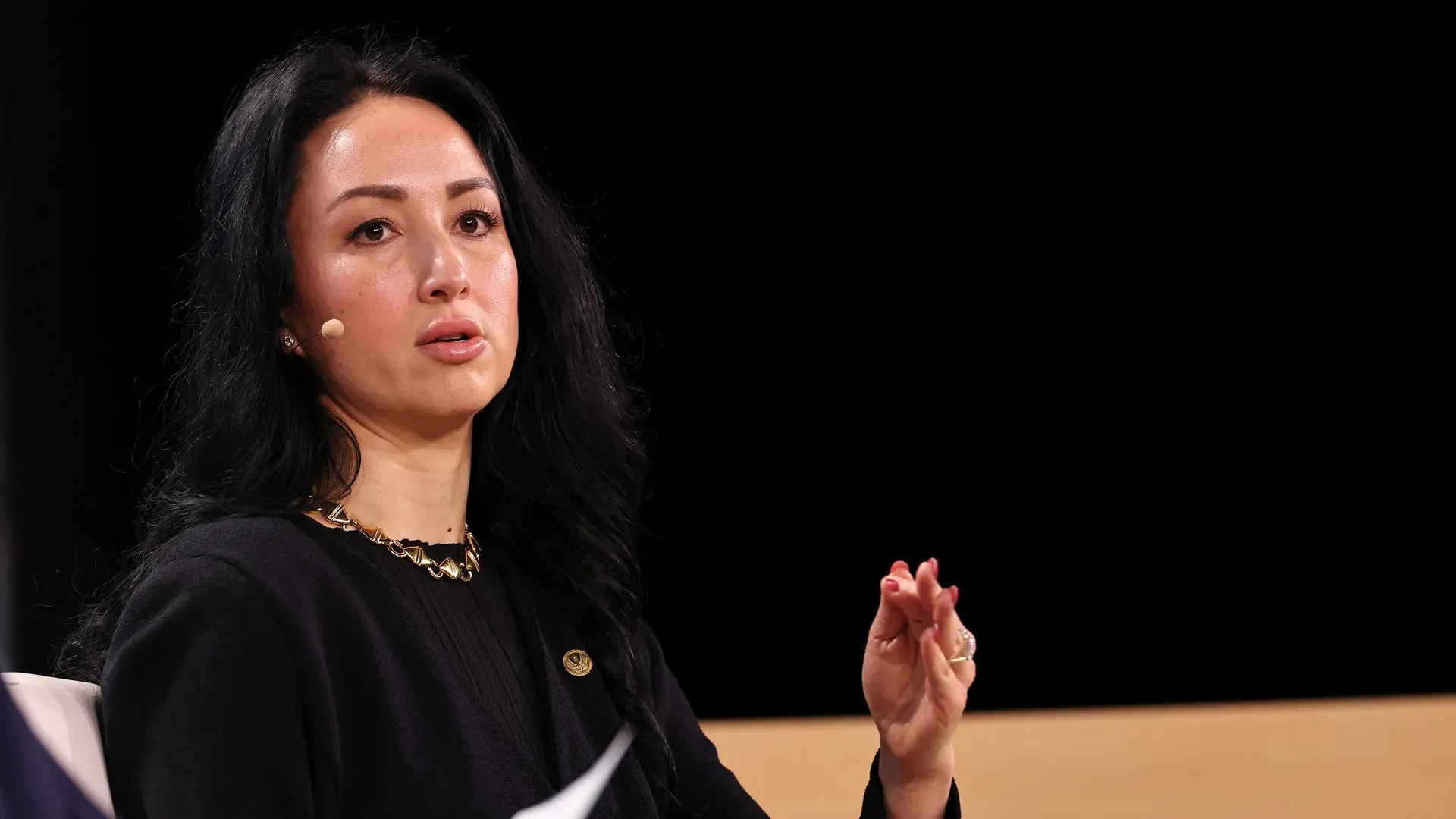
HOUSTON — The top U.S. electricity regulator publicly prodded tech companies yesterday to engage more as they race to power a massive buildout of AI data centers.
Why it matters: Big Tech is moving fast to lock in power — but must navigate a slower, more complex grid it doesn't fully understand.
Friction point: "I don't talk to them as much as I thought that they would be coming to me," said Laura Swett, who chairs the Federal Energy Regulatory Commission.
The big picture: Her comments underscore a core tension in the AI boom unfolding here this week at the CERAWeek conference:
- Tech and energy companies need each other, but often speak different languages.
- That disconnect could shape how quickly data centers get built — and who pays for the power.
6. 🤕 Quote of the day: Masochism edition
"Our wonky, very nerdy, technical world of FERC is a morass and a black box to your normal functioning human being. We're a little masochistic."— Swett, speaking at CERAWeek
🙏 Thanks to Chuck McCutcheon and Chris Speckhard for edits to today's newsletter, along with the brilliant Axios Visuals team.
📫 Did a friend send you this newsletter? Welcome, please sign up.
Sign up for Axios Future of Energy