Axios Future of Energy

December 17, 2025

📈 A solar factory is rising in Texas. Oil prices are rising again. Coal demand is still rising. So is state action on data centers!
- We break it all down in a quick 1,155 words, 4.5 minutes.
🙏 Thanks to Chuck McCutcheon and Chris Speckhard for edits to today's newsletter, along with the brilliant Axios Visuals team.
🎵 Today we honor Texas musical legend Joe Ely, who died Monday at 78 and provides today's intro tune...
1 big thing: Key solar player breaks ground on Texas plant
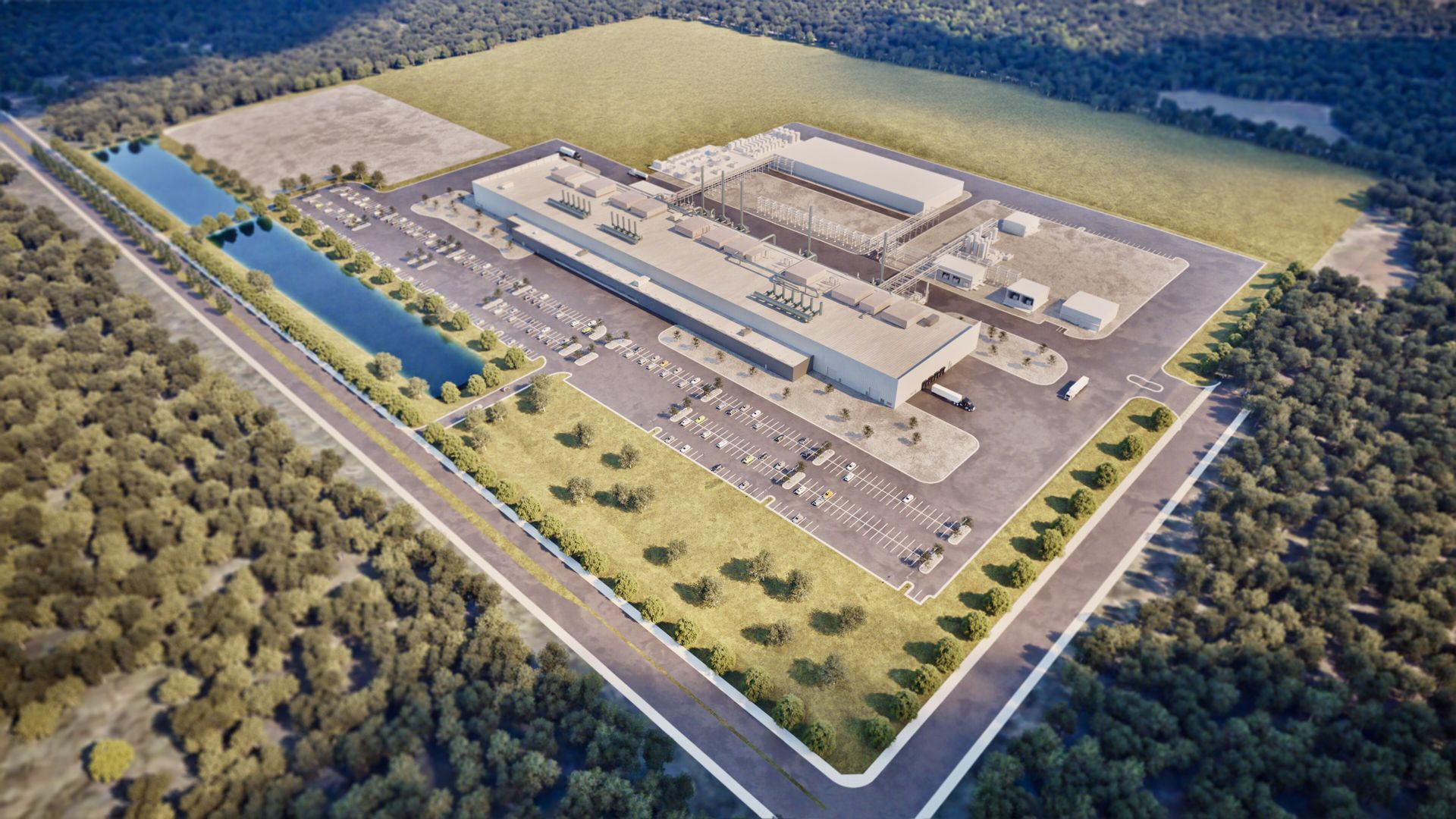
Solar manufacturer T1 Energy has started building a $400 million to $425 million solar cell fabrication plant around 50 miles from Austin, Texas.
Why it matters: The move bolsters one trend — Texas as a growing clean tech hub — while showing confidence in market growth despite Trump 2.0's moves against renewables.
The big picture: It's an AI story from two angles.
- One is that T1 sees data centers' power needs as a growth driver.
- Two is a bank shot: T1 uses silicon materials and argues it's bolstering the domestic supply chain for materials used in chip manufacturing, too.
Driving the news: Austin-based T1 will manufacture cells in Rockdale, Texas.
- It will have a capacity of 2.1 gigawatts of cell production annually, and is slated to come online late next year. That's "larger than the existing U.S. capacity to manufacture silicon-based solar cells," the company's announcement states.
- It's expected to be eligible for clean tech manufacturing tax credits under the 2022 climate law that survived in the GOP budget bill, the company tells Axios.
- A second, bigger phase is expected, T1 said.
Zoom out: Construction is underway amid mixed signals for solar power and the market for equipment it uses.
- The GOP budget plan winds down major subsidies for power generation projects, prompting a near-term race to build.
- But tech giants' thirst for power — from any source — for data centers should counter some headwinds.
"America invented solar energy. It's today's most scalable energy source. We need to manufacture it here, or else lose competitiveness tomorrow due to inaction today," CEO Dan Barcelo said in a statement.
State of play: Morgan Stanley analysts, in a note, are bullish on the solar power market, arguing that "installations could surprise to the upside."
- "Economics remain attractive, renewables can offer speed to market with power delivery within 1-2 years, and hyperscalers still aim to reduce portfolio emissions which are rising with data center power consumption," it states.
Catch up quick: The cells from the plant called "G2_Austin" will supply T1's existing solar module factory outside Dallas.
- The new plant is "expected to support up to 1,800 new, advanced manufacturing jobs," T1 said.
- T1 has a contract to source polysilicon and solar wafers from Hemlock Semiconductor and Corning Inc. in Michigan, it said.
The bottom line: "G2_Austin is a centerpiece of our strategy to build an integrated U.S. polysilicon solar supply chain," Barcelo said.
2. ⚔️ Oil rebounds as Trump moves on Venezuela


Crude prices today came back a bit from four-year lows following President Trump ordering a blockade of U.S.-sanctioned oil tankers going in and out of Venezuela.
Why it matters: The risk of a disruption in supply has stopped — for now — a long slide that steepened this week.
The big picture: Supply growth that's well outpacing demand — and, more recently, some new prospects of a Russia-Ukraine ceasefire — have been weighing on prices.
- Venezuela is a relatively minor exporter following years of sanctions and mismanagement of its oil sector.
- But the latest drama and escalation is enough to reverse the price trends for the moment.
What we're watching: How the Trump administration does — or doesn't — act further on the president's aggressive post threatening Venezuela.
3. 🏭 Coal's future and the uncertainties in tow
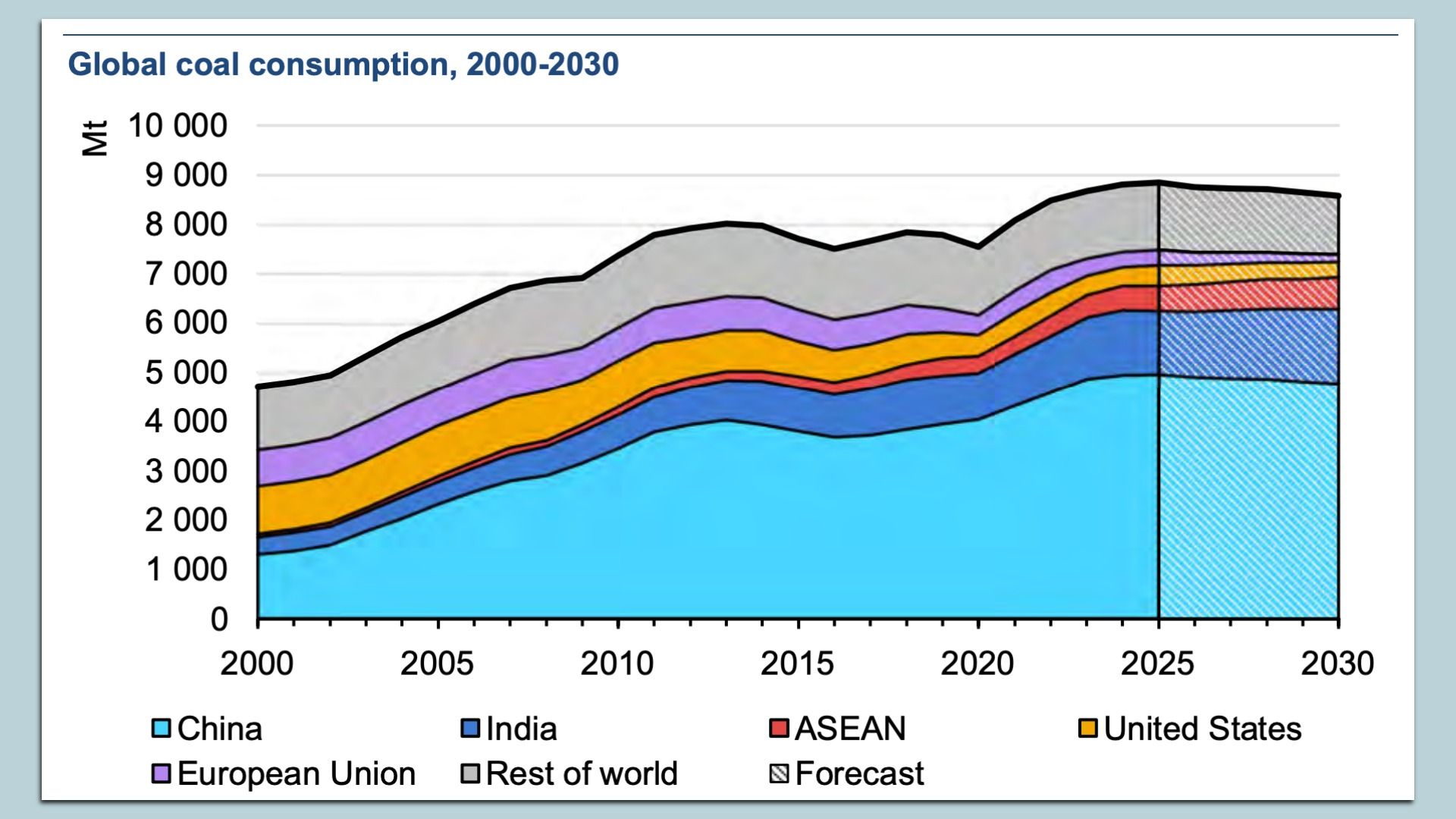
Global coal demand hit a fresh record this year, but is slated to plateau in coming years and even dip slightly by 2030, the International Energy Agency's latest look-ahead finds.
Why it matters: The fuel's persistently large role in the global power mix is one reason why CO2 emissions are still rising.
- The kind of steep cuts needed to meet Paris Agreement goals are nowhere on the horizon.
🇺🇸 State of play: U.S. coal demand has long been falling, but the future decline rate is a wild card in IEA's analysis.
- U.S. consumption is actually up slightly this year amid higher natural gas prices and slowing plant retirements thanks to Trump 2.0 policy support, IEA said.
- Case in point: An Energy Department order just yesterday requires a Washington state coal unit to remain available rather than shutting down this year.
What we're watching: IEA projects U.S. demand falling 6% annually through 2030, but cautions that power demand and gas prices are among the variables.
4. 🏃 Catch up quick on policy: Data centers, permitting, FERC, climate

🖥️ State data center frenzy: New analysis finds over 190 bills on data centers introduced in state legislatures so far in 2025 — more than nine times higher than last year.
- Why it matters: Lots of them tackle energy topics like ratepayer protection, environmental disclosures and grid reliability, the brief report from Columbia's energy think tank finds.
- The big picture: Almost all the enacted bills encouraging data centers to locate in a state were passed by Republican legislatures, and more bills addressing data centers' environmental risks were proposed in Democratic legislatures than Republican legislatures.
🕵️ Dem data center probe: Three Senate Democrats are pressing tech giants and data center companies for more info about their facilities' relationship to power price increases.
🎭 Permitting bill survives — for now: The SPEED Act narrowly made it through a procedural vote yesterday. That came after GOP leadership negotiations with Republicans opposed to offshore wind, E&E News reports, which yielded a change.
- Why it matters: Passage of the underlying bill, which aims to speed energy project reviews, would keep open the very narrow political window for a bipartisan, bicameral permitting deal.
- What we're watching: The measure tests the sway of powerful K Street groups, who back the plan, with MAGA lawmakers wary of a bill that may help renewables alongside fossil fuels.
- The intrigue: There are other fault lines, too, with some clean energy groups backing the bill, yet many green groups are against it.
🌎 Climate breakup: The Trump administration "will be breaking up" the National Center for Atmospheric Research in Colorado, a major climate research hub, the top White House budget official said. Go deeper.
☑️ Power vote: The House passed — largely along party lines — a bill yesterday that would authorize FERC to delay power plant retirements by up to 10 years.
- Why it matters: It's one of a series of recent GOP attempts to respond to surging power demand, though Democrats say it would require outdated and expensive power plants to stay online beyond their useful lives.
5. 🧮 Number of the day: $671
That's the U.S. average household fuel bill this winter for homes heated mostly with natural gas, per updated Energy Information Administration estimates.
Why it matters: It's higher than previous estimates for the November-March stretch, reflecting the recent price increase and expectations of a colder winter.
- Electricity costs are also higher than October's initial winter fuels outlook. Go deeper.
📬 Did a friend send you this newsletter? Welcome, please sign up.
Sign up for Axios Future of Energy