Axios Future of Cybersecurity
March 17, 2026

Happy Tuesday! Welcome back to Future of Cybersecurity.
🌉 Heading to RSAC in San Francisco next week? Join me for a reception on March 23 where I'll be interviewing Cynthia Kaiser, former deputy director of the FBI's cyber division, and Vasu Jakkal, corporate vice president of Microsoft Security. RSVP here.
📬 Have thoughts, feedback or scoops to share? [email protected].
Today's newsletter is 1,366 words, a 5-minute read.
1 big thing: Crossing the digital battlelines
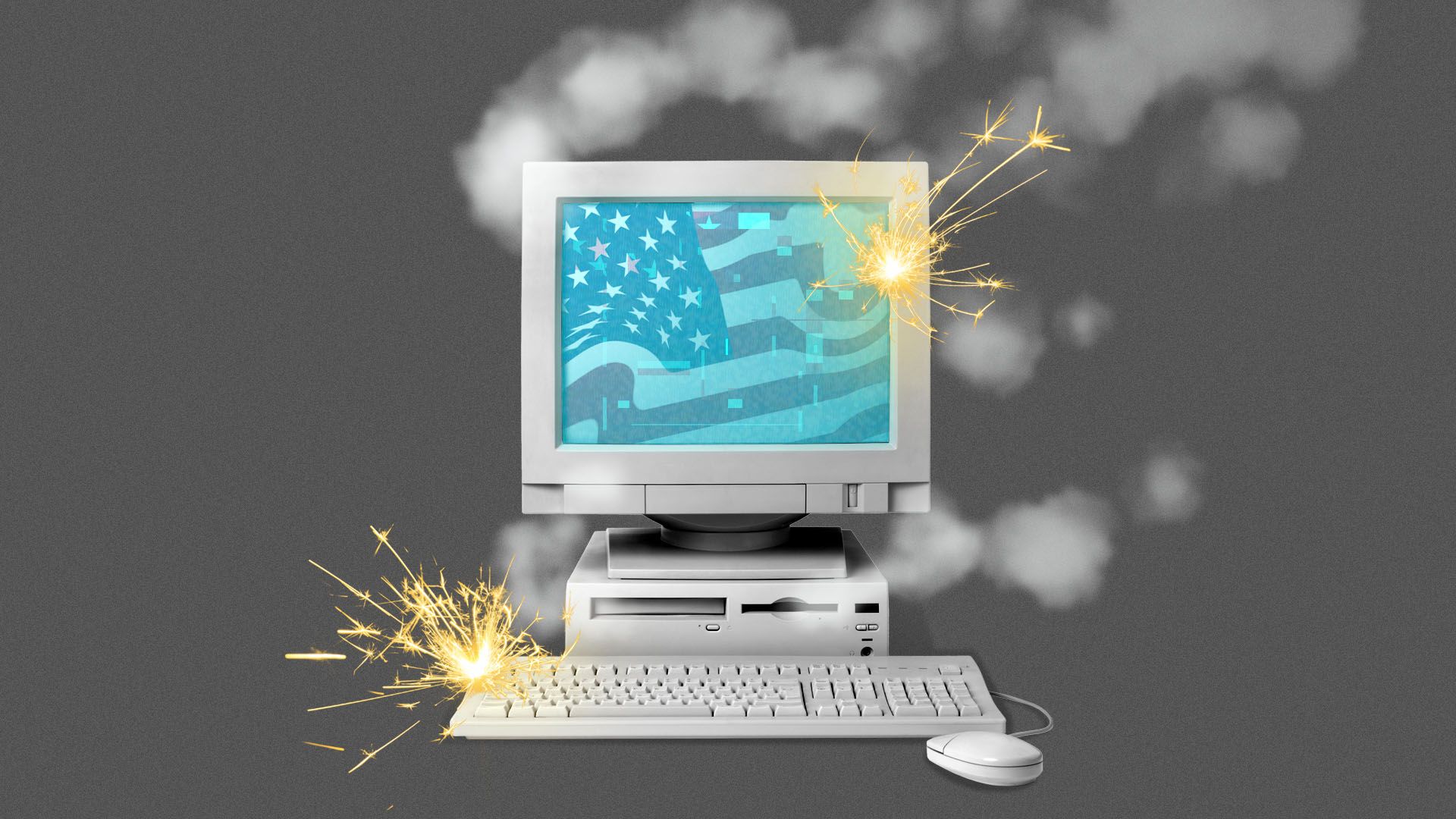
Cyber activity tied to the escalating war between the U.S., Israel and Iran is already underway, and American companies are starting to feel the effects.
Why it matters: Iran is a formidable, often difficult-to-predict cyber adversary that likely won't be afraid to go after U.S. utilities and government agency systems as the war escalates, experts warn.
Driving the news: Iranian state-linked media last week published a list of major U.S. technology companies that could be targets in the war.
- A pro-Iranian hacker group also claimed responsibility for a cyberattack on U.S.-based medtech company Stryker last week.
- Poland's government said Thursday it foiled a cyberattack, potentially linked to Iran, targeting one of its nuclear research facilities.
Between the lines: These digital strikes offer an early glimpse of how Iran could retaliate against the U.S. and Israel as the war escalates — and what that retaliation could mean for domestic businesses and their customers.
- Nearly a week after the attack, Stryker says its online ordering system remains offline.
- In past conflicts, Iranian hackers have also threatened to tamper with local water supplies on several occasions.
Threat level: What makes Iran a formidable cyber adversary is its unpredictability paired with the scope of its digital resources and preparation.
- Iranian cyber actors are known for laying the groundwork for cyberattacks and influence operations months or even years before geopolitical tensions escalate.
- Like Russia, Tehran often relies on proxy groups, including hacktivists and ransomware gangs, to carry out attacks. That makes it harder for governments to respond with sanctions, indictments or other diplomatic tools.
- Russian-linked hacktivists also appear to be aligning with Iran in the current conflict, allegedly targeting Israeli critical infrastructure.
Zoom in: Researchers at Symantec and Carbon Black said they found evidence that Iranian hackers installed backdoors on the networks of several U.S. companies in late February.
- A consortium of industry-specific Information Sharing and Analysis Centers — which coordinate cyber threat information sharing across critical infrastructure sectors — also issued an advisory last week warning companies to prepare for potential digital retaliation.
The intrigue: Adversaries' growing influence capabilities add another layer of risk. Advances in AI have made it easier to generate and manage large networks of bot accounts that can distort information online.
- On Sunday, President Donald Trump accused Iran of using AI as a "disinformation weapon" — and claimed, without evidence, that the regime was working closely with Western news organizations to spread those stories.
- A recent New York Times investigation found more than 110 unique AI-generated images and videos about the war circulating on social media platforms over the last two weeks. Collectively, these videos have been seen millions of times on TikTok, Facebook, X and private messaging apps.
What to watch: The war is still in its early stages, and U.S. companies are being urged to review their cybersecurity defenses as the risk of further attacks grows.
2. Zoom in: Big headlines, smaller effects
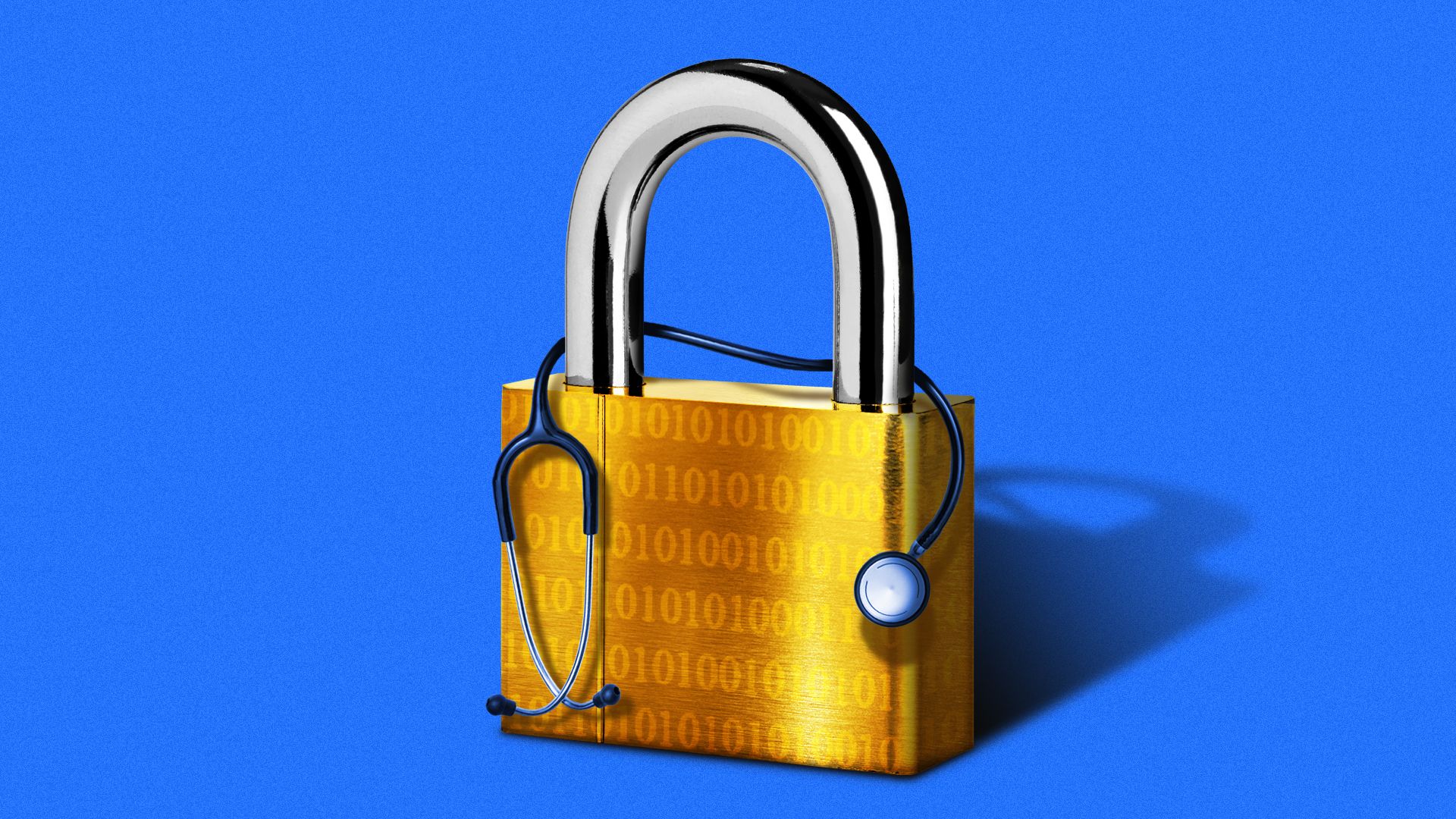
Despite the headlines around the Iran-linked cyberattack on Stryker, the effect on its customer base — including those who depend on the company for defibrillators, monitors and surgical equipment — has remained minimal, some of the company's customers tell Axios.
Why it matters: Hacking critical infrastructure can quickly turn into a matter of life or death. But in this case, most of the impact will likely be on Stryker's bottom line, rather than patients' care.
Driving the news: Stryker said in a statement Sunday that it is still working to bring its online ordering system back online after the Wednesday hack.
- However, the company added that the cyberattack was limited to its Microsoft environment and that its products "remain safe to use."
Zoom in: A spokesperson for the University of Michigan Health System told Axios that the cyberattack hasn't affected patients or scheduled procedures, but that the system has "discontinued our connectivity to Stryker out of an abundance of caution."
- "There are often impacts when vendors of hospitals experience cyberattacks, but we have downtime processes in place to manage and mitigate effects," spokesperson Mary Masson said.
- The UCSF Medical Center at Mount Zion, another Stryker customer, also hasn't been impacted, spokesperson Jess Berthold told Axios.
What to watch: S&P Global Ratings warned in an analyst note Friday that Stryker could see slower revenue growth and increased operating costs this year because of the attack, according to the Wall Street Journal.
3. Exclusive: Cross-industry plan to fight scams
Eleven major technology and retail companies — including Google, Amazon and OpenAI — signed a pledge to share threat intelligence about scams on their platforms, the companies first shared with Axios.
Why it matters: AI and online forums are helping scammers organize to inflict more damage, forcing tech companies to rethink their strategies for protecting their users.
Driving the news: The companies signed the new Industry Accord Against Online Scams and Fraud ahead of today's UN Global Fraud Summit in Austria.
- The agreement aims to "set expectations for how signatories will work across online services to counter scammers" and also "seeks to drive a united industry response alongside governments, law enforcement, NGOs, and others working to combat fraud and scams," according to the draft shared with Axios.
- Google, Microsoft, LinkedIn, Meta, Amazon, OpenAI, Adobe, Pinterest, Target, Levi Strauss & Co., and Match Group, the owner of Tinder and Hinge, each signed the accord.
What they're saying: "We can't solve this alone," Karen Courington, vice president of consumer trust experiences for Google's trust and safety team, told Axios. "We need others across the industry to unite in the effort to tackle scams more collectively."
Under the accord, companies say they will:
- Increase information sharing with industry peers and law enforcement about transnational criminal networks and share best practices for detecting and preventing scams through international forums, like the Global Anti-Scam Alliance and the Tech Against Scams Coalition.
- Deploy new defensive tools — including AI systems — to detect fraud faster, and introduce new security features for users.
- Require stronger verification for financial transactions on their platforms to ensure the sender and recipients are legitimate.
- Provide clear reporting channels for users who encounter scams.
- Call on governments to formally "declare scam prevention a national priority."
Yes, but: The accord is voluntary and there are no penalties if companies fail to follow through.
4. Catch up quick
@ D.C.
🔍 A group of House Democrats asked federal watchdogs to investigate the response to the former CISA acting director's failing two polygraph exams. (Nextgov)
⚠️ A whistleblower claims a former U.S. DOGE Service employee planned to share highly sensitive Social Security Administration data with his private employer. (Washington Post)
@ Industry
💰 Frontier labs' push into agentic AI could slow down M&A activity for VC-backed agentic AI companies. (Axios Pro)
🤖 Security startup CodeWall used an AI agent to break into McKinsey's AI chatbot in just two hours. (Cyber News)
💸 Surf AI, an agentic cyber startup, raised a $57 million combined seed and Series A round. (Axios Pro)
@ Hackers and hacks
💔 International cyber scam syndicates are now hiring "AI face models" to act as the faces of job and romance scams, according to posts in dozens of Telegram channels. (Wired)
🫠 Researchers at Irregular, an AI security lab that works with the major frontier labs, got AI agents to publish sensitive password information in public without being asked to do so during recent tests. (The Guardian)
🚔 Federal prosecutors accused a legitimate ransomware negotiator of moonlighting as an affiliate for the ransomware gang ALPHV, or BlackCat. (CyberScoop)
5. 1 fun thing
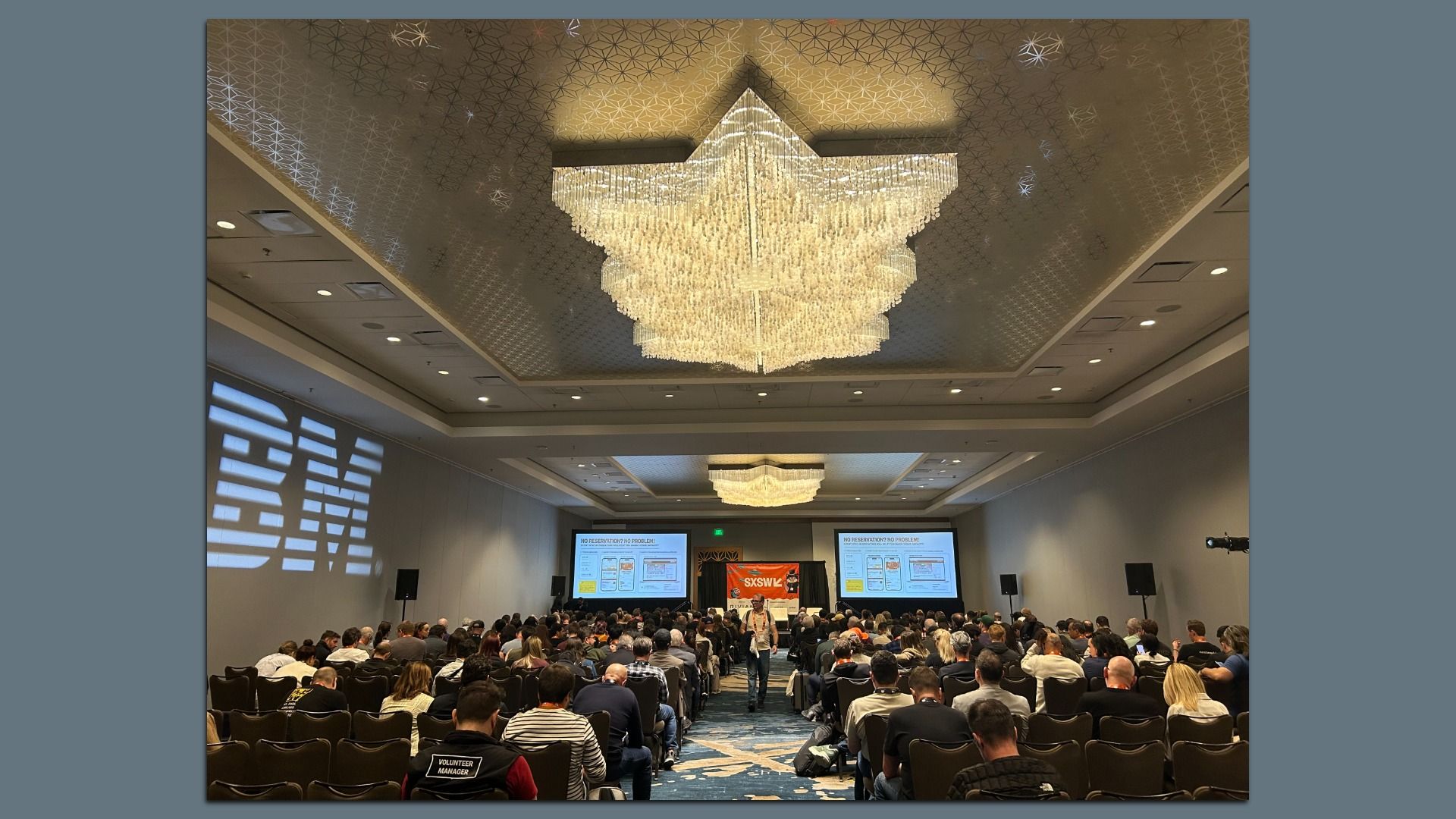
💥 Shoutout to everyone who turned out for my SXSW panel on securing AI agents Friday.
- We filled the room even though Larry David was talking right next door at the same time. More pics here.
- 💕 Additional kudos to those who just attended my second panel that ended an hour ago about cyber risks posed to small and medium-sized businesses!
☀️ See y'all Tuesday!
Thanks to Dave Lawler for editing and Khalid Adad for copy editing this newsletter.
If you like Axios Future of Cybersecurity, spread the word.
Sign up for Axios Future of Cybersecurity