Axios Des Moines

May 20, 2026

🐪 Happy Wednesday!
🌤️ Weather: Mostly sunny, with a high of 62 and a low of 47.
🎂 Happy birthday to our Axios Des Moines members Jim Lee and Elaine Schoonover!
Today's newsletter is 992 words — a 3.5-minute read.
1 big thing: A record dumpster fire

One of the largest landfill fires in metro history erupted hours after waste officials warned Des Moines leaders this month about their growing battle against improper battery disposal.
Why it matters: Unbeknownst to many residents, rechargeable devices such as vapes, smartphones and electric toothbrushes are turning household trash into fire hazards.
- Landfill fires — such as the 2012 fire in Iowa City that burned shredded tires for 18 days — expose workers to hazardous conditions and release harmful smoke from plastics, chemicals, electronics, and other materials, potentially threatening the health of nearby communities.
Driving the news: The May 4 fire broke out at the Metro Park East Landfill in Mitchellville just after dark.
- About a dozen Metro Waste Authority (MWA) employees fought the fire for about 12 hours in what CEO Michael McCoy tells Axios was the most widespread fire in his tenure and, likely, the agency's nearly 60-year history.
The intrigue: The fire followed a city meeting where the MWA highlighted the growing risks of improper battery disposal and the educational efforts it is making to curb the problem.
By the numbers: MWA recorded 21 fires across its facilities last year, nearly triple the 2024 total, and has recorded at least seven so far this year.

State of play: This year's legislative session concluded earlier this month, but MWA officials are already advocating that lawmakers revive broader battery-recycling system bills when they return next year.
- House File 726 and Senate File 2477 would require battery producers to develop and fund plans to collect and recycle batteries, subject to DNR approval and annual reporting.
The big picture: Battery stewardship bills have faced some opposition in states such as California and Washington, where they have become law, amid concerns about costs, compliance burdens and the potential to disrupt sales of battery-powered products.
Worthy of your time: These free metro-area battery drop-off sites.
What we're watching: Whether the issue sparks discussion on the 2026 campaign trail, before a new Legislature heads to the Capitol next year.
2. Funding the outdoors
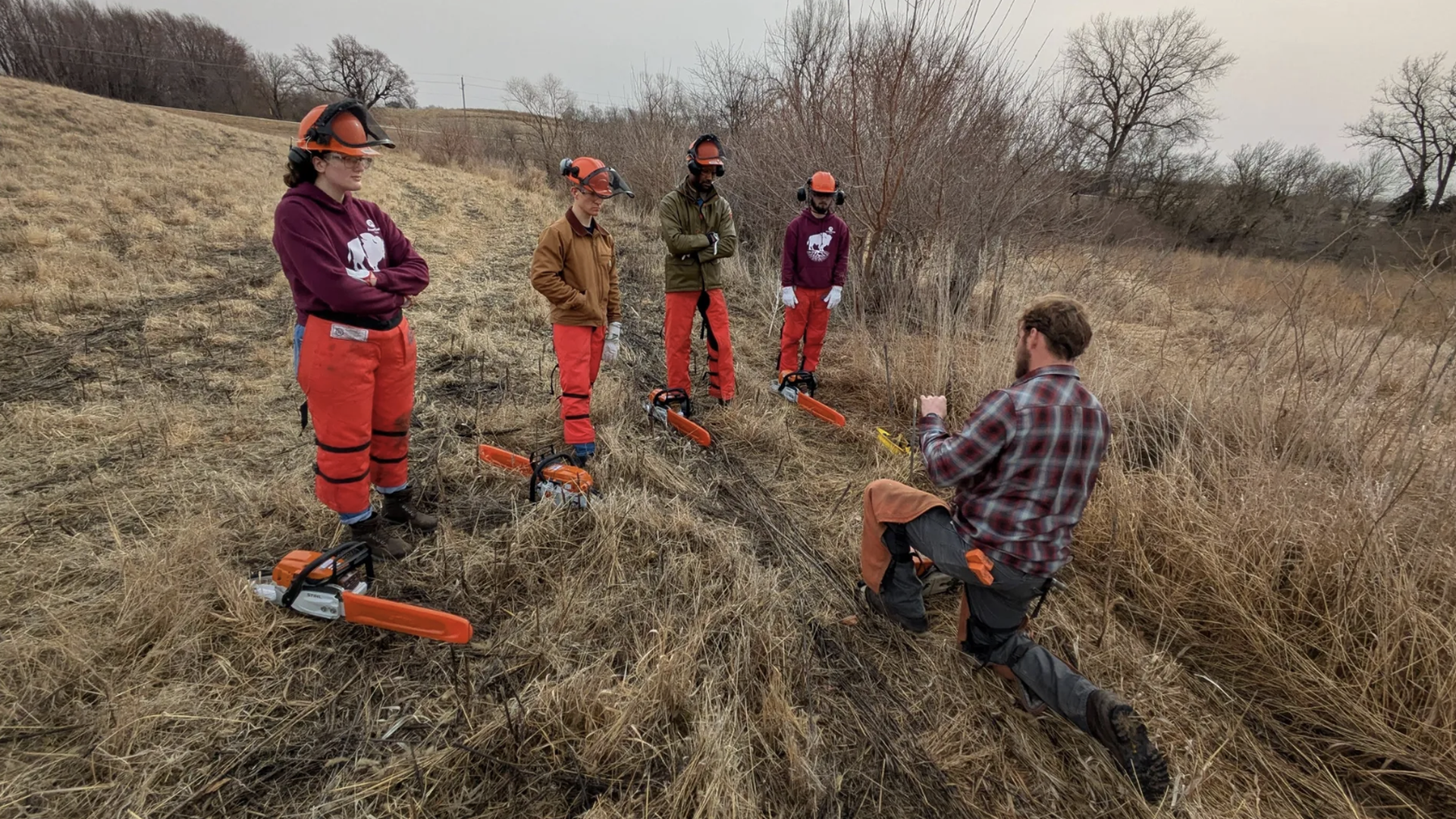
Polk County Conservation (PCC) has created a dedicated nonprofit called Conservation Foundation of Polk County to make it easier to fundraise for local parks, programs and recreation.
Why it matters: A new state law capped property tax revenue growth, meaning funding for the outdoors could face some pressure ahead, says PCC spokesperson Jessica Lown.
State of play: The new foundation operates with its own governance board and a full-time staffer whose job is to connect donors with the specific parks, programs and projects they care about, whether that's Easter Lake, wildlife conservation or recreation.
How it started: The county's longtime fundraising partner, the Great Outdoors Foundation, has broadened its focus to regional and statewide water quality, like the ICON Water Trails project, leaving a gap for day-to-day conservation needs, Lown says.
- Previously, residents who wanted to donate would funnel money through the Great Outdoors Foundation and flag it for PCC.
- They proposed that PCC get its own nonprofit and continue partnering with the Great Outdoors Foundation for administrative support, like payroll and human resources.
The big picture: PCC has been financially stable in recent years, buoyed by support from the County Board of Supervisors and the Polk County Water and Land Legacy Bond, which makes up to $65 million available for special projects through roughly 2032.
What's next: The foundation's top priority is accessible recreation, including sensory rooms and accessible restroom upgrades.
3. Polk pays $6.5K for an unauthorized whale photo

Polk County Supervisors yesterday unanimously agreed to pay $6,500 to a photographer and his legal counsel for using a photo of a whale without permission.
Why it matters: AI-powered copyright tools are making it easier for rights holders to find online infringements, increasing the risk for governments and other agencies that use photos on websites and social media.
State of play: The photo from Tokyo-based underwater photographer Tony Wu was used online to promote a program presented by one of Polk County Conservation's naturalists Older, Wiser, Livelier, Seniors (OWLS) series, spokesperson Jessica Lown tells Axios.
What's next: The department is now reviewing photos used for program promotions to verify they have the rights to use them and will conduct annual staff training, Lown said.
4. The Ear: Don't stop beef-lieving
🏆 Ankeny was ranked the fourth-best place to live in the U.S. out of 250 cities, according to U.S. News and World Report. (U.S. News)
🏥 Gov. Kim Reynolds signed a new law requiring abortion medication to be prescribed in person. (Iowa Capital Dispatch)
🍩 Mahalo's Coffee and Mini Donuts announced it's closing at the end of the month. (Facebook)
🏎️ Caitlin Clark will be the grand marshal for this weekend's Indy 500. (KCCI)
👀 An Iowa man is suing Nintendo after the company declined to certify him as a "Pokémon Professor," which would have allowed him to host Pokémon events. Pokémon Company International did not grant it, saying he failed a background test. (Iowa Capital Dispatch)
🚽 Bathrooms at Lauridsen Skatepark are closed indefinitely after people caused $10,000 in vandalism damage. (WOI-TV)
5. 💉 1 quote to go: A cancer loss for Iowa

"Unfortunately, this change to state law will reduce access to proven cancer prevention tools and move us in the wrong direction."— Jackie Cale, Iowa government relations director of the American Cancer Society Cancer Action Network (ACS CAN)
Driving the news: Gov. Kim Reynolds yesterday signed a bill that requires parental consent for minors to receive vaccines associated with sexually transmitted diseases, including human papillomavirus (HPV) and hepatitis B.
What they're saying: Iowa has the second-highest cancer rate in the country, and adding restrictions will reduce access to vaccines that work, ACS CAN said in a statement early yesterday, urging Reynolds to veto the bill.
The other side: The bill's advocates say the move subjects the vaccines to the same requirements as others in Iowa.
The big picture: Most states do not broadly allow minors to consent to vaccination on their own, according to a state tracker from Teens for Vaccines, an advocacy group based in California.
🌪️ Worthy of your time: This video about why storm chasers love Iowa.
This newsletter was edited by Chloe Gonzales.
Sign up for Axios Des Moines